
Invert BMX Bikes
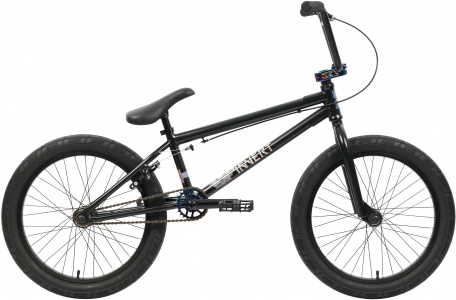
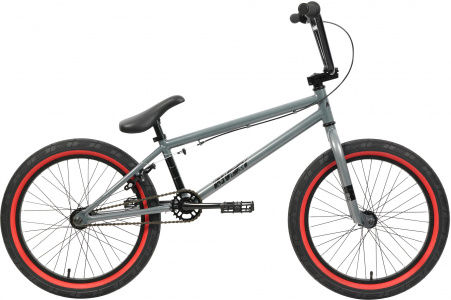
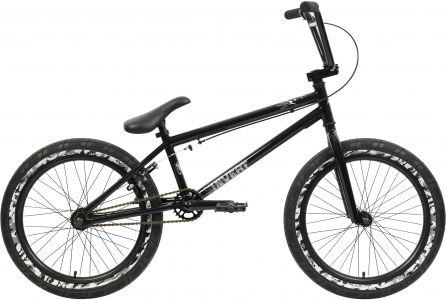
Invert BMX bikes have carved out a practical, no-nonsense corner of the entry-level freestyle market - and for good reason. These are 20-inch wheeled machines built squarely for younger riders taking their first proper steps into skatepark and pump track riding, without the eye-watering price tag of a full chromoly custom build. What you get instead is a robust hi-ten steel frame, modern freestyle geometry, and a 25/9 micro-drive drivetrain that keeps the sprocket clear of coping - details that matter when your rider is dropping in for the first time and bailing more often than landing.
The Supreme series sits at the heart of the range and represents where Invert focuses its attention: durable, spec-sensible bikes that can take a beating across hundreds of awkward landings and scrappy sessions at a damp British skatepark. Think of it as the sensible starting point before anyone starts dreaming about aftermarket parts. If your rider isn't quite ready for pedals yet, take a look at Invert Balance Bikes first. Or if they split their time between the park and scooting, we also track Invert Scooter Spare Parts.
Prices and availability can change quickly. Delivery charges are not always included in listed prices.
Final price, stock status and delivery terms are set by retailer. We may receive a commission on purchases made.
Decoding the Invert BMX Lineup
The Invert freestyle BMX range is deliberately focused. There's no sprawling catalogue of disciplines here - Invert concentrates on 20-inch wheel bikes aimed at the 9-to-14 age bracket, riders who are past the stabilisers stage and ready to actually learn something. The Supreme series is the flagship of that effort, offering trim levels that step up in spec without suddenly jumping into territory that demands a chromoly custom build to justify.
At the lower end of the range, you're looking at entry-spec componentry that does its job reliably - alloy rims, basic grips, and U-brakes that are easy to adjust and replace. Move up the trim ladder and the finishing kit improves: better saddles, cleaner welds, and components that are a little lighter without straying into fragile territory. The point isn't to make a park bike that looks like a pro setup. It's to give a young rider a platform that handles the fundamentals of freestyle geometry - lower standover, compact cockpit, and a responsive feel underfoot - without the cost of entry becoming a barrier.
Worth comparing? X-Rated BMX bikes and Zombie BMX bikes sit in a similar bracket. X-Rated tends to go a touch more colourful in its spec choices; Zombie leans into a slightly more aggressive aesthetic. Invert's appeal is that it keeps things clean and functional - which is exactly what a newer rider needs.
The Invert Tech Philosophy: Built to Bash
Let's talk about the 25/9 drivetrain, because it's one of the things Invert gets right for this market. A 25-tooth chainring paired with a 9-tooth rear cassette is the modern micro-gearing standard, and it matters practically: the smaller sprocket sits higher relative to the bottom bracket, which means less chance of the chainring clipping the coping when you're dropping into a ramp or grinding a ledge. For beginners, that's not a minor detail - it's the difference between a clean drop-in and a jarring chain catch that puts you off for a week.
The hi-ten steel frame construction is the other pillar of the Invert approach. Hi-Ten (High Tensile) steel is heavier than 4130 Chromoly - there's no getting around that. An Invert BMX will weigh more than a premium aftermarket build, and you'll feel it if you're used to lighter bikes. But for a rider who's still learning to bunnyhop, still casing jumps, and still figuring out how to manual without going over the bars, that extra mass translates directly into structural rigidity. It doesn't flex in the wrong places, and it doesn't crack from the kind of repeated hard landings that would stress a thinner-walled tube.
The Supreme series freestyle geometry ties these choices together. The frame angles are optimised for responsiveness at low speeds - tight spaces, pump track berms, skatepark transitions - rather than straight-line efficiency. That means a shorter rear end for snap, and a head angle that keeps steering precise without being twitchy. The 36-spoke alloy rims are built to handle lateral stress from sidewall landings and kerb drops, which is exactly the punishment they'll see in real use. Hyper BMX bikes are another point of reference at this level - generally spec'd similarly, though Invert's geometry tuning for the Supreme series tends to feel a little more considered for European-market riders.
Living with an Invert BMX in the UK
Hi-ten steel and British weather are not natural friends. Left in a damp shed or garage after a wet session at your local park, the frame will start to show surface rust faster than you'd like - particularly around the welds and any chips in the paint. Wipe the frame down after wet rides. It takes two minutes and adds months to the finish. A light coat of frame protection spray on the underside of the top tube and chainstays over winter is worth doing.
UK pump tracks, particularly the older tarmac ones, are gritty. That grit works its way into unsealed bearings - and entry-level BMXs like these typically run unsealed headsets and bottom brackets. They'll need greasing more regularly than a sealed unit would. If the headset starts to feel notchy or the cranks develop any creaking, don't ignore it. Pop them apart, clean the cups, regrease, and reassemble. It's a ten-minute job and saves you from a more expensive bearing replacement down the line.
On tyre pressure: a lot of riders run their BMX tyres too hard, which is fine on smooth indoor concrete but becomes a liability on the damp, slightly rough outdoor skateparks that make up most of the UK's provision. Drop a few PSI from whatever the sidewall maximum says. You'll get better grip through transitions and less tendency to wash out on flat corners. It costs nothing and makes a real difference on a wet Saturday morning session.
Frequently Asked Questions
Are Invert BMX bikes good for beginners?
Yes - they're designed precisely for riders at that stage. The hi-ten steel construction handles the learning-curve bails, the 25/9 micro-drive gearing mirrors what serious park bikes use, and the Supreme series freestyle geometry gives younger riders a responsive platform without demanding advanced technique to manage it.
What size rider does an Invert 20-inch BMX fit?
Generally, riders from around 4'8" to 5'4" - roughly ages 9 to 14 - are well matched to a standard 20-inch Invert BMX. The key measurement is the top tube length: shorter tubes suit younger or smaller riders, while a 20.75" or longer top tube gives taller teens more cockpit room. If your rider is pushing 5'5" and above, the fit will start to feel cramped for freestyle use.
How much does an Invert BMX bike weigh?
Expect somewhere between 11.5kg and 13kg, depending on the specific model and trim level. That's a consequence of hi-ten steel rather than chromoly - heavier, but genuinely tougher for the kind of use a beginner puts a bike through. For reference, premium chromoly park bikes can come in under 10kg, but they cost considerably more and aren't necessarily the right call for someone still learning the basics.
Invert BMX Bikes FAQs
Are Invert BMX bikes good for beginners?
Yes - they're built with entry-level riders in mind. The hi-ten steel frame handles the inevitable hard landings of learning, the 25/9 micro-drive gearing is the modern skatepark standard, and the Supreme series freestyle geometry gives younger riders a responsive, manageable platform without requiring advanced technique to keep it under control.
What size rider does an Invert 20-inch BMX fit?
A standard 20-inch Invert BMX suits riders from roughly 4'8" to 5'4" - typically ages 9 to 14. Top tube length is the key measurement: shorter suits younger riders, while a 20.75" or 21" top tube gives taller teens more room. Anyone pushing 5'5" and above will likely find the cockpit too cramped for comfortable freestyle riding.
How much does an Invert BMX bike weigh?
Most Invert BMX models come in between 11.5kg and 13kg. That extra weight is down to the hi-ten steel construction - heavier than chromoly, but significantly more resilient to the repeated impacts of a beginner learning park and street riding. For context, premium chromoly builds can dip below 10kg, but at a much higher cost.