
Yeti E-Bikes
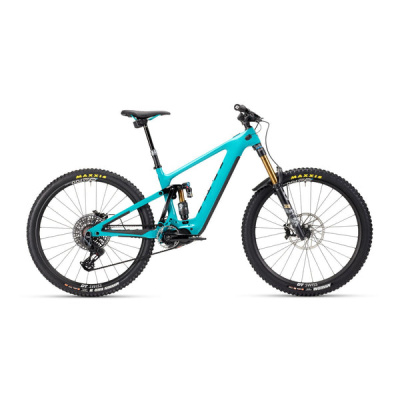
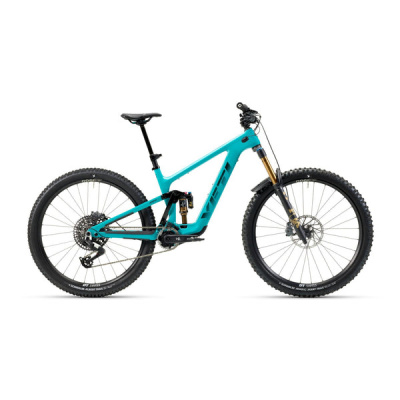
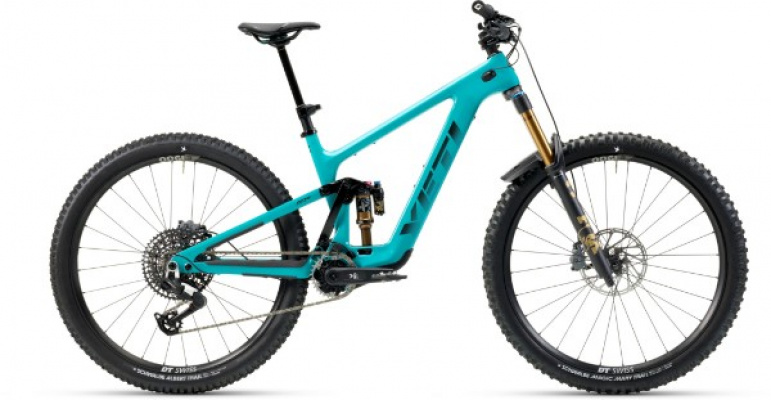
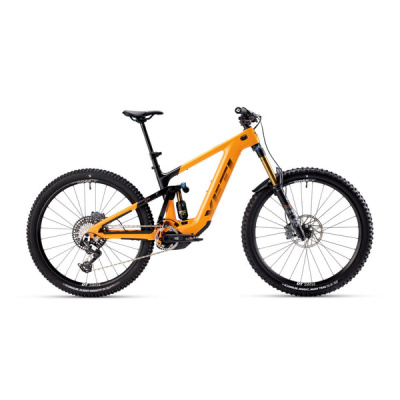
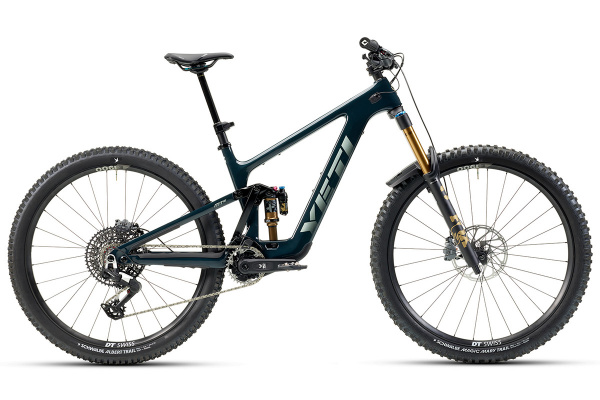
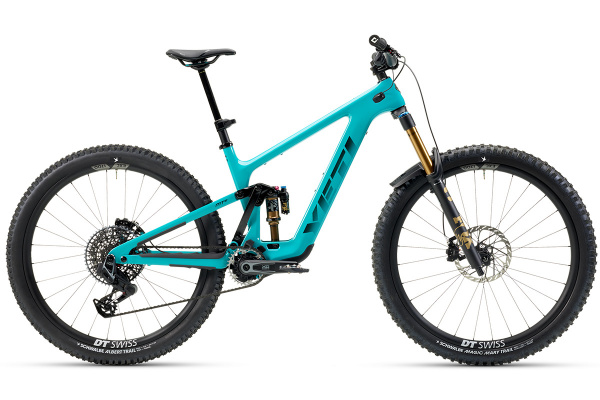
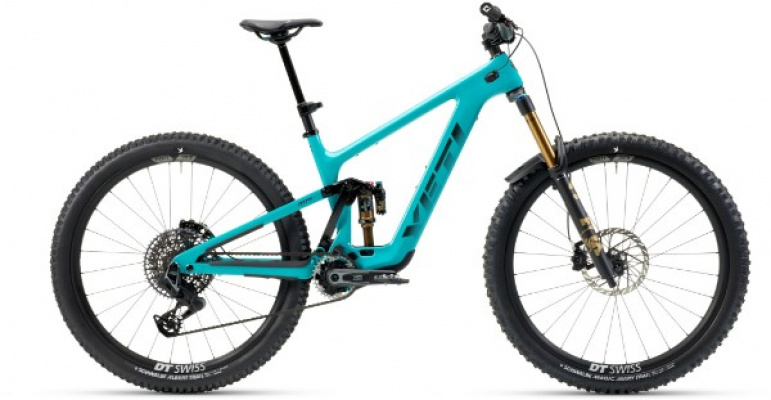
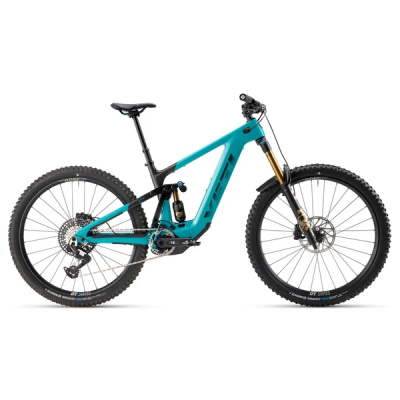
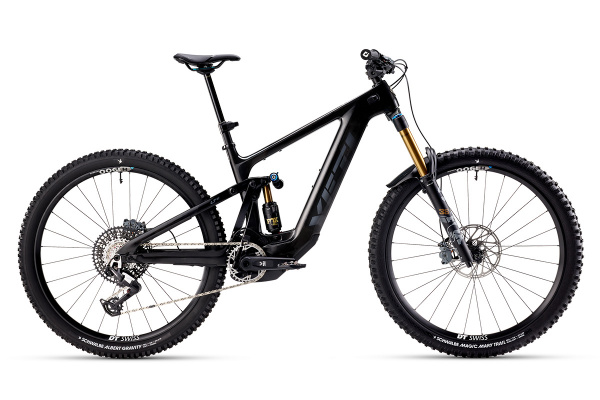
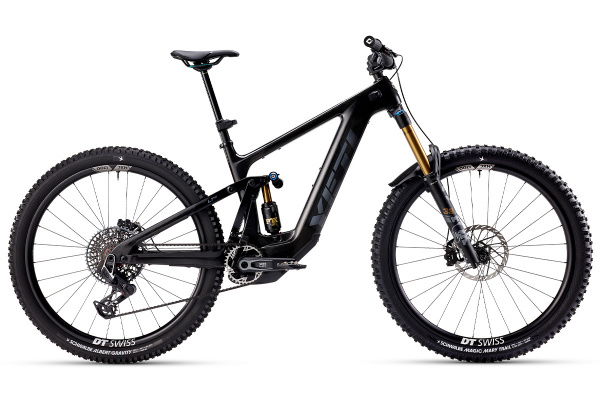
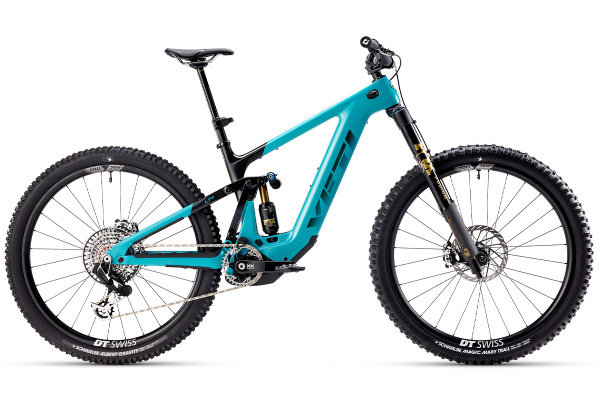
Yeti E-Bikes arrive with a singular mission: win races, not just complete laps. The Colorado brand spent five years developing the 160E, its first electric mountain bike, refusing to launch until the thing rode like a proper Yeti. Does Yeti make an electric bike? Yes, and it's built for the race tape. You get 160mm of travel front and rear, wrapped around the new Sixfinity suspension platform - a purpose-built six-bar linkage that handles the extra mass and momentum of an e-MTB without the squat or wallow that plagues heavier bikes. Where Switch Infinity defined Yeti's acoustic trail bikes, Sixfinity is engineered specifically for the demands of motor assistance, higher speeds, and harder landings. TURQ Series carbon fiber keeps the frame stiff and durable under power, while Shimano's EP801 motor and 630Wh battery deliver the punch you need on technical UK climbs. Lifetime warranty on the frame. No compromise on geometry. This is e-enduro done the Yeti way.
Prices and availability can change quickly. Delivery charges are not always included in listed prices.
Final price, stock status and delivery terms are set by retailer. We may receive a commission on purchases made.
Engineering the 160E: Sixfinity™ Suspension Explained
Sixfinity isn't Switch Infinity with a motor bolted on. It's a ground-up six-bar design that rethinks kinematics for the realities of electric mountain bikes. The added weight - 22 to 23kg depending on your build - and higher average speeds demand different anti-squat and anti-rise curves. Yeti tuned the leverage rate to remain progressive through the stroke, so you get support under power without blowing through travel when you land a gap or rail a compression. The motor sits low and central, which means the linkage had to route around it without compromising pivot placement or bearing size. Each pivot uses sealed cartridge bearings sized to handle the increased forces; you won't find bushings here. The result is a bike that pedals efficiently even when you're leaning on the boost button, yet stays supple enough to track through rock gardens at speed. If you've ridden a Yeti mountain bike before, the 160E feels familiar in the way it corners and pumps - just faster and with less fatigue on long days in the Peaks or the Tweed Valley.
Motor Systems & Component Compatibility
What motor does the Yeti 160E use? Shimano's EP8 and the newer EP801 drive units, both paired with a 630Wh internal battery. The EP801 brings refined torque mapping and quieter operation, but both motors deliver 85Nm of assistance with a natural, un-laggy feel that suits technical riding. Battery placement is low and central, keeping the centre of gravity tight for better handling on off-camber sections and steep descents. How much does the Yeti 160E weigh? Expect 22kg for a C-Series carbon build, nudging 23kg for top-spec T-Series frames with heavier components. Yeti designed the downtube to accept Shimano's range extender, adding another 250Wh if you're planning all-day epics or winter rides where cold saps capacity. The 160E runs 29-inch wheels as standard, with clearance for 2.5-inch tyres; mullet configurations aren't officially supported, though some riders swap to a 27.5 rear for tighter, poppier handling. Fox Factory suspension is spec'd across the range, with custom tunes to match the Sixfinity kinematics. If you're weighing alternatives, Cannondale e-bikes and Cube e-bikes offer more budget-friendly entry points, but neither match the race-specific focus or lifetime frame warranty.
Yeti E-MTB Maintenance & Seasonal Care
UK conditions test e-MTBs hard. Wet rides in the Quantocks or muddy laps at BikePark Wales mean regular bearing checks. Yeti recommends inspecting pivot bearings every 50 hours or after particularly grim sessions; the sealed cartridge units resist water ingress better than bushings, but they're not invincible. Pull the linkage bolts, clean the threads, and apply fresh grease to keep everything smooth. Battery care matters more in winter. Store the 630Wh pack between 30% and 60% charge if the bike's sitting idle for weeks; full or empty storage degrades cell longevity. Keep it indoors when temperatures drop below freezing - cold cells deliver less range and can suffer permanent capacity loss if charged while frozen. Firmware updates arrive via Shimano's E-Tube Project app; connect your phone to the motor via Bluetooth, check for updates every few months, and install them to refine torque curves and fix bugs. The custom one-piece bar and stem on higher-spec builds routes cables internally, which looks clean but makes bleeding brakes or swapping hoses a bit fiddlier than external routing. Budget time or take it to a shop if you're not confident with internal lines. Chain wear accelerates under motor torque, so check stretch every 200 miles and swap before you chew through the cassette.
From the Race Tape to the Trail: Yeti Heritage
Yeti's pedigree runs through Enduro World Series podiums and EWS-E victories, not just weekend trail rides. The brand refused to launch an e-bike until it met their racing standards, which meant five years of prototyping, testing, and refining the Sixfinity platform. Richie Rude and the factory team put early frames through race conditions, feeding back on everything from linkage stiffness to battery placement. The 160E debuted in competition before it hit retail - a reversal of the usual launch-then-race cycle. That racing focus shows in the geometry: a 64-degree head angle, 445mm chainstays, and a reach that's generous without being extreme. It's stable at speed but still manoeuvrable in tight switchbacks, whether you're racing the Tweed Valley EWS or sessioning your local trail centre. The TURQ Series carbon layup borrows from Yeti's acoustic race bikes, using high-modulus fibres in high-stress zones for stiffness without excess weight. C-Series frames use a more affordable carbon blend but share the same geometry and lifetime warranty. If you're curious how Yeti stacks up against newer entrants, Amflow e-bikes and Boardman e-bikes offer interesting alternatives, though neither bring the same race-proven suspension platform. The 160E isn't a trail bike with a motor; it's a race machine that happens to be electric. That distinction matters if you're chasing times, not just miles.
Related searches: