
Yeti Mountain Bikes
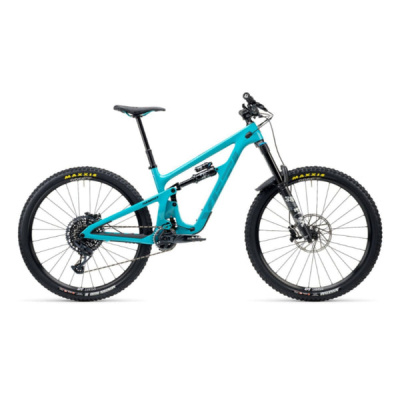
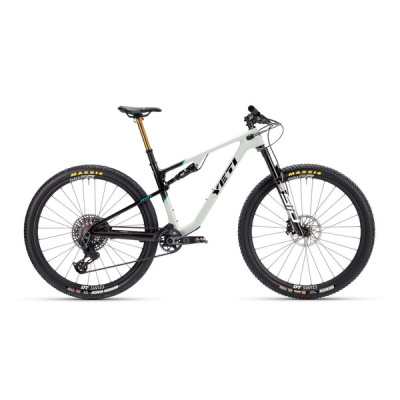
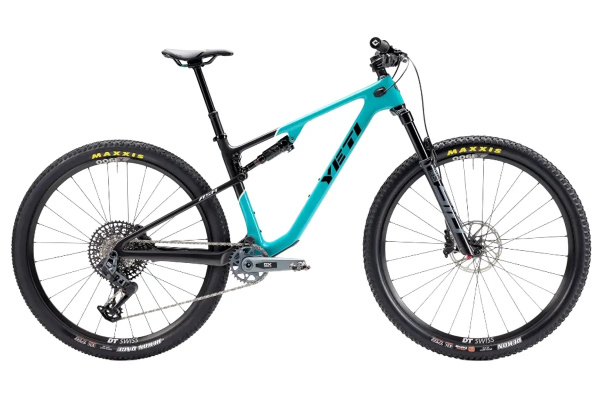
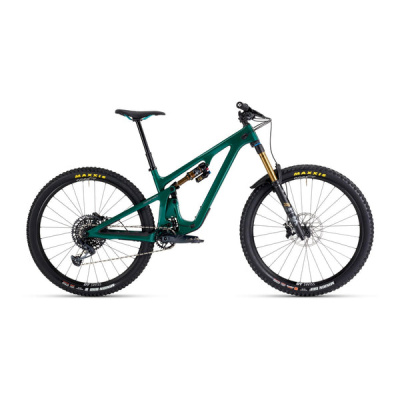
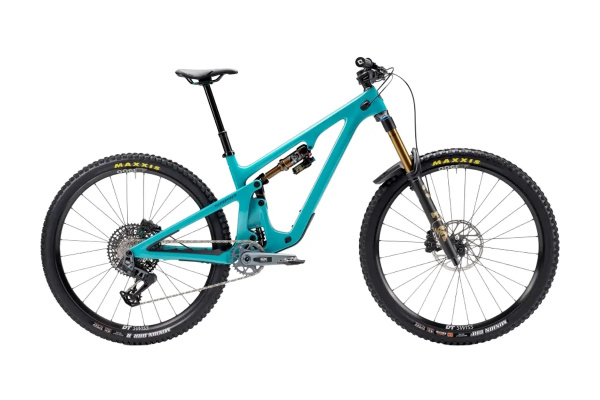
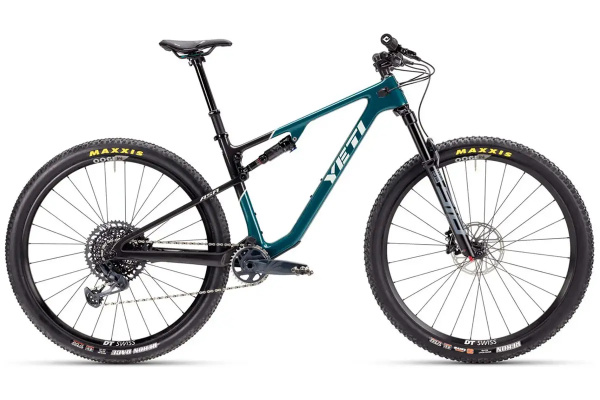
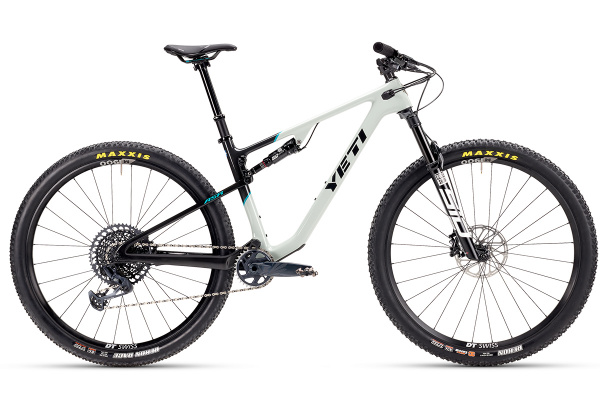
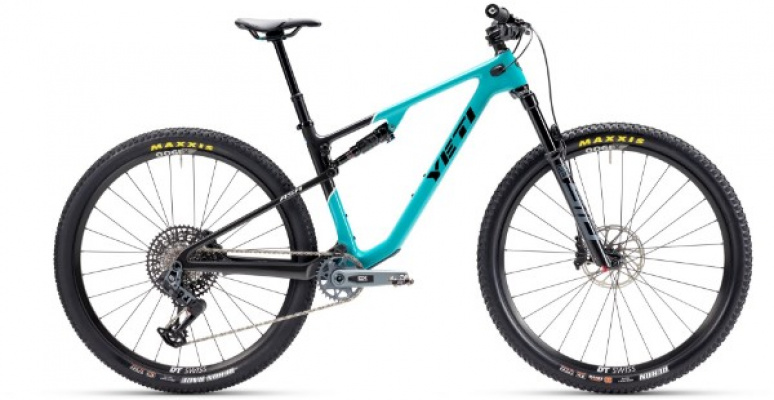
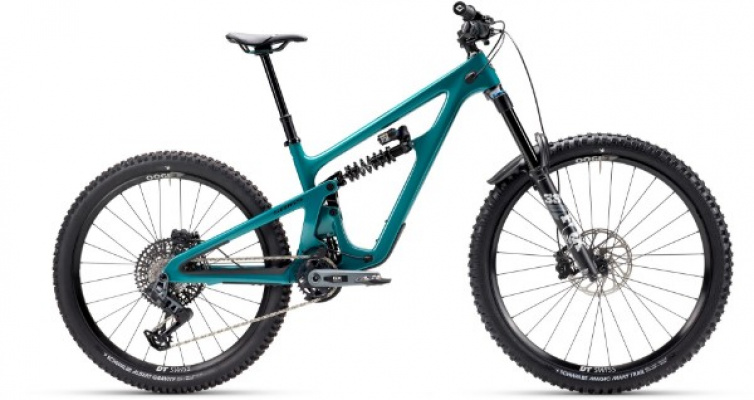
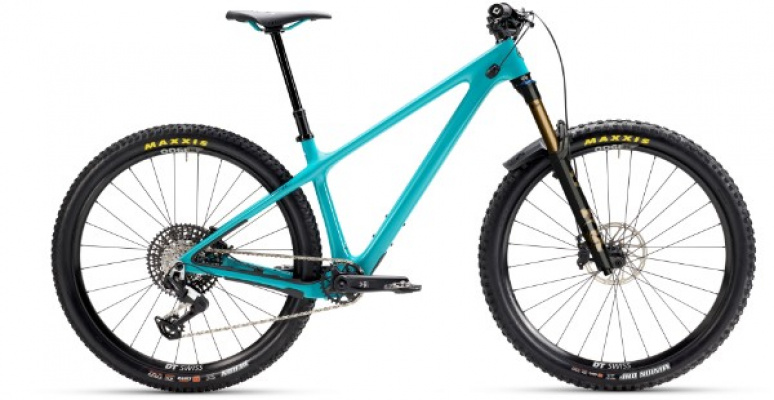
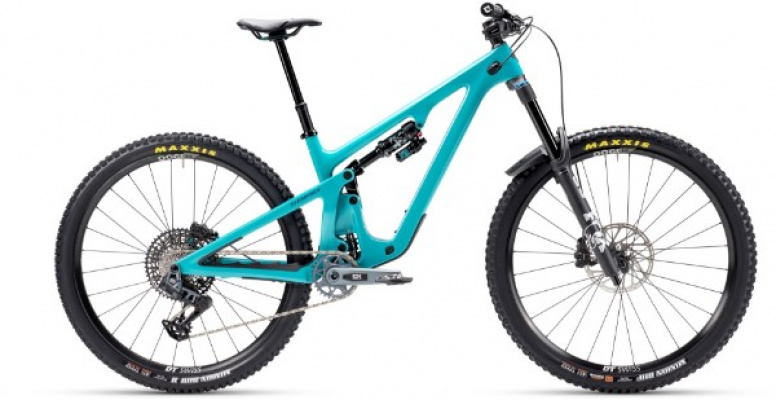
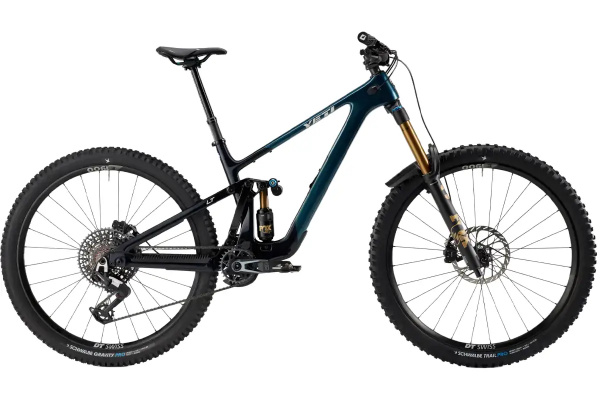
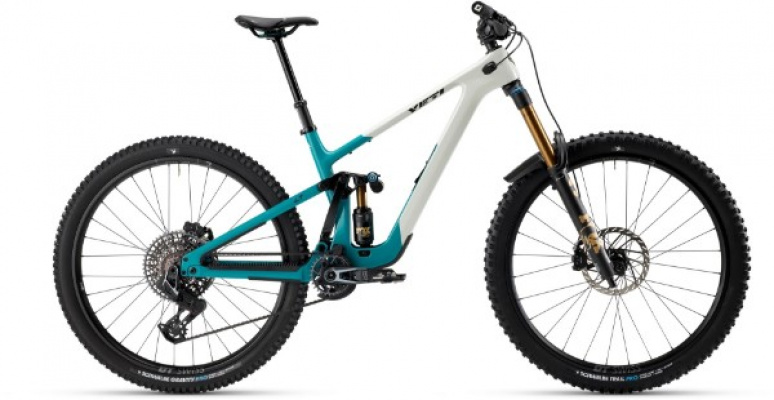
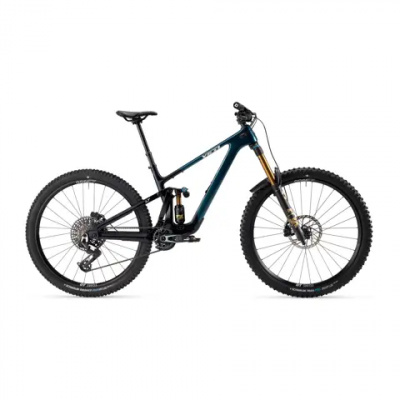
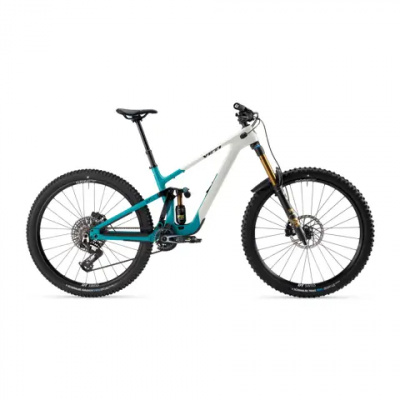
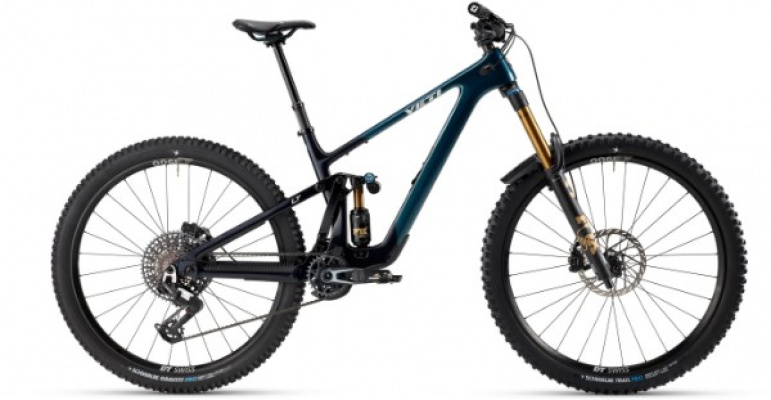
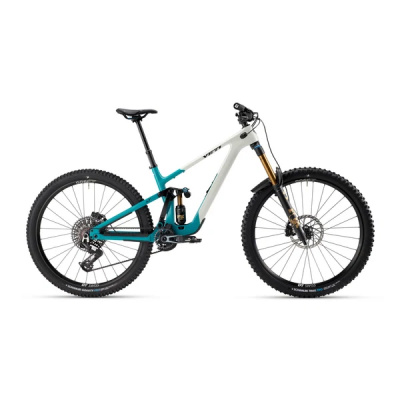
Yeti Mountain Bikes are built in Golden, Colorado, where the brand's race-bred philosophy turns out some of the most technically refined full suspension MTBs you can buy. Every frame - whether TURQ series carbon or the more accessible C-series carbon - shares the same Switch Infinity suspension platform, a translating pivot system that delivers exceptional pedaling efficiency without sacrificing small bump compliance. It's a clever bit of engineering that lets you hammer climbs without bob, then opens up when the descent gets rough.
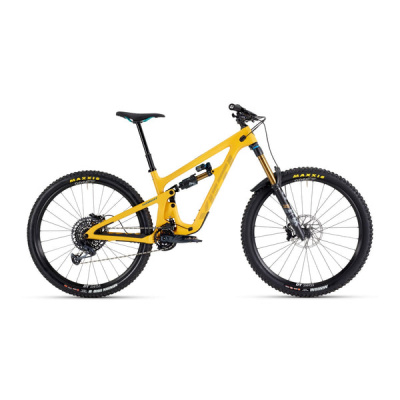
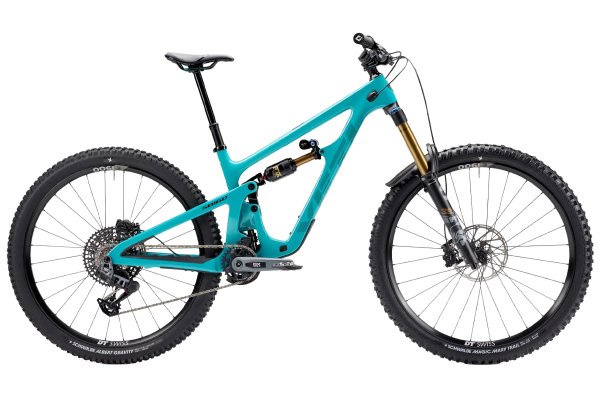
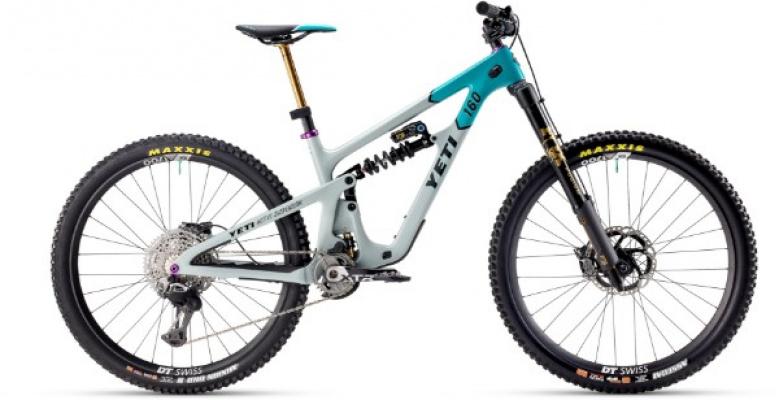
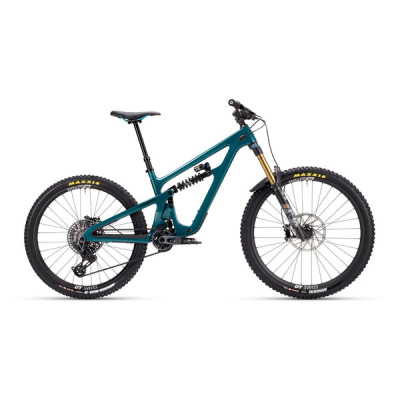
The current lineup centres on three models: the SB120 for downcountry aggression, the SB140 as the do-it-all trail machine, and the SB160 for full-blown enduro racing. All three run Fox Factory suspension as standard, internal cable routing that stays clean, and the UDH hanger for future-proof drivetrain compatibility. TURQ frames save around 225 grams over C-series equivalents, but both share identical geometry and stiffness targets. If you're after a bike that pedals like a hardtail yet descends like a DH rig, Yeti's turquoise mountain bikes deserve a close look.
Prices and availability can change quickly. Delivery charges are not always included in listed prices.
Final price, stock status and delivery terms are set by retailer. We may receive a commission on purchases made.
Mastering Kinematics: The Switch Infinity System
Switch Infinity is Yeti's patented answer to the age-old suspension compromise: how do you keep a bike efficient on the climbs without turning it into a pogo stick on the way down? The system uses a translating pivot - a small link that physically moves position as the suspension compresses. Early in the travel, the pivot sits high, creating strong anti-squat kinematics that resist pedal bob when you're grinding up technical singletrack in the Peak District. Push deeper into the stroke, and the pivot migrates downward, reducing chain growth and letting the rear wheel track over roots and rocks with minimal interference.
Contrast that with a standard Horst Link or VPP design, where the pivot location is fixed. Those systems balance anti-squat and sensitivity through leverage curves alone, often forcing you to choose between a firm platform or plush bump absorption. Switch Infinity gives you both. It's why Yeti enduro bikes feel so planted on long alpine descents yet still respond crisply when you sprint out of a berm. The mechanism itself is co-developed with Fox Racing Shox, integrating directly into the shock's air can - no external bearings to service, just a sealed cartridge that runs quietly and stays consistent across temperature swings. If you've ever ridden a bike that felt dead on the climbs or harsh on the downs, this is the antidote.
Material Science: TURQ vs. C-Series Carbon
Yeti offers two carbon layups across the SB series, and understanding the difference helps you pick the right frame for your budget and riding priorities. TURQ series carbon uses high-modulus fibres - stiffer, lighter strands that allow engineers to shave material in low-stress zones without compromising strength. The result is a frame weight saving of roughly 225 grams compared to C-series, which translates to quicker acceleration and a livelier feel on technical climbs. TURQ is the race spec, the same layup Richie Rude runs in the Enduro World Series.
C-series frames use standard-modulus carbon with a different fibre orientation. Same geometry, same stiffness targets, same lifetime warranty. You gain a bit of weight, but you also gain a lower entry point into the Yeti ecosystem. Both layups feature tube-in-tube internal cable routing, where cables run inside the downtube through an inner sleeve that prevents rattle and simplifies bleeding. Both meet identical impact and fatigue testing standards. If you're chasing podiums or obsess over every gram, TURQ is the call. If you ride hard but don't race the clock, C-series delivers the same kinematics and handling without the premium.
What is the difference between Yeti C and TURQ series? It's modulus and mass. TURQ is lighter, C-series is more attainable, but neither gives up strength or ride quality. Think of it like choosing between Reynolds 725 and 853 steel - same ride, different weight penalty.
Model Guide: From Downcountry to Enduro
The SB120 is Yeti's short-travel weapon for riders who want to go fast everywhere. With 120 millimetres of rear travel and a 130-millimetre fork, it's built for aggressive XC loops and downcountry missions where the climbs are as important as the descents. The geometry is steep and snappy - think Surrey Hills singletrack or Lake District bridleways where you're constantly accelerating out of corners. It's a 29er-only platform, and it suits riders who prefer precision over forgiveness.
Step up to the SB140, and you've got Yeti's most versatile trail bike. With 140 millimetres of travel front and rear, it handles everything from Welsh trail centre jump lines to gritty Peak District rock gardens. The SB140 is available in both 29er and mullet configurations (29-inch front, 27.5-inch rear), giving you the option to tune handling for your local trails. Mullet setups quicken the rear end and drop the bottom bracket slightly, which some riders prefer for tight, steep descents. The SB140 is the do-it-all option, equally at home on a four-hour epic or a quick after-work blast.
The SB160 is Yeti's full-enduro race machine, with 160 millimetres of rear travel and a 170-millimetre fork. It uses a unique Wishbone Shock Link to accommodate the longer stroke, and the geometry slackens out to handle high-speed descents with composure. This is the bike for Scottish Highlands epics, Bike Park Wales laps, or anyone who wants a Yeti trail bike that can handle EWS-level abuse. Like the SB140, it's available in 29er or mullet, and both setups pair with Fox Factory suspension tuned specifically for each travel figure. If you're comparing across brands, the SB160 sits alongside options from Forbidden or Cannondale in the long-travel category, though few rivals match Switch Infinity's pedaling manners.
Are Yeti bikes worth the money? If you value pedaling efficiency, resale value, and a lifetime frame warranty, yes. The proprietary suspension tech and complex carbon layups command a premium, but you're buying into a platform that holds its value better than most. Plus, every consumer frame is identical to what the race team runs - no watered-down replica here.
Born in Golden: A Legacy of Racing
Yeti's story starts with the ARC hardtails in the late 1980s, but the modern brand identity took shape when they committed to full suspension and racing at the highest level. Today, the Golden, Colorado facility produces bikes that are raced - and won - on the Enduro World Series circuit. That's not marketing spin; it's a design philosophy. Every SB-series frame undergoes the same testing protocol as the team bikes, and the geometry numbers you see on the spec sheet are identical to what Richie Rude or Bex Baraona ride.
This race focus means Yeti doesn't chase trends or build bikes for every niche. They refine what works. The SB series has evolved incrementally over the years, with updates to geometry, shock tunes, and cable routing, but the core Switch Infinity platform remains constant. It's a boutique approach - limited production runs, high attention to detail, and a willingness to let other brands dominate the volume game. If you're also considering Juliana (Yeti's sister brand with women's-specific geometry) or comparing against mass-market options from Giant or Cube, the difference is in the details: Yeti sweats the kinematics, the layup schedules, and the race results.
What is Yeti Switch Infinity? It's a translating pivot developed with Fox that moves upward early in the travel for high anti-squat, then downward deeper in the stroke to reduce chain growth. The result is a suspension that pedals efficiently yet stays fully active on rough descents - no compromise, just clever engineering. And if you're curious about Yeti's electric offerings, the brand also produces e-bikes using the same suspension platform, though the SB series remains the core of the lineup.