
Amflow E-Bikes
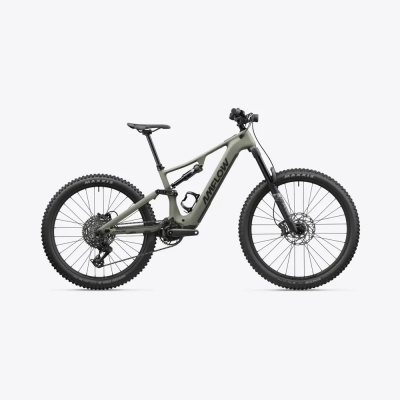
Amflow E-Bikes have done something the industry has been trying to crack for years: pair full-fat e-MTB power with a weight figure that doesn't make you wince. By teaming up with DJI - yes, the drone people - Amflow has built a drive system from the ground up rather than bolting on an existing motor from the usual suspects. The result is the DJI Avinox, a mid-drive unit producing 120Nm of torque and 850W of peak power from a motor weighing just 2.52kg. That's a number that makes rival systems look chunky.
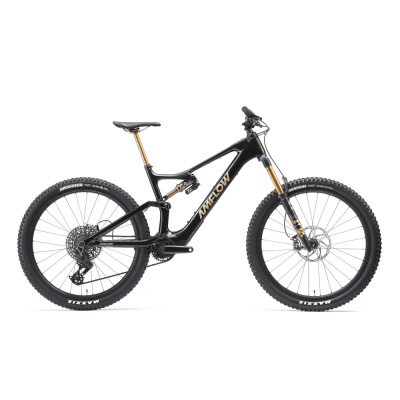
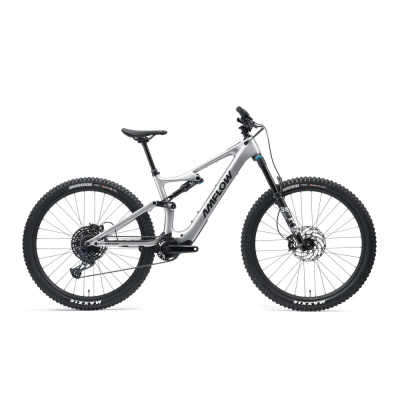
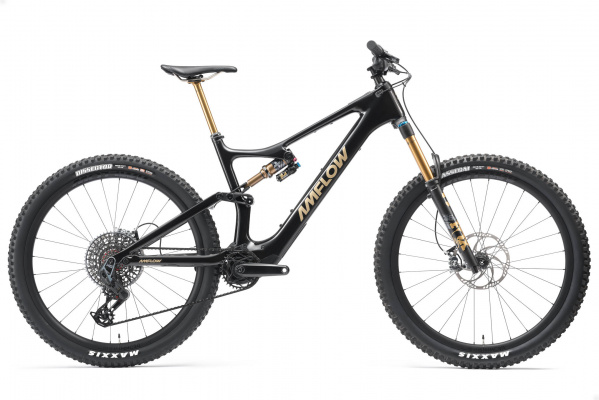
The PL Carbon, their flagship full build, tips the scales at 19.2kg. For context, that's lighter than many trail hardtails were a decade ago - now with a motor, battery, and full suspension thrown in. It's a genuinely different proposition to what Bosch or Shimano-powered bikes offer, and worth understanding properly before you buy.
Because every Amflow currently on sale is an electric mountain bike, this page focuses on the motor, battery, and drive-system technology. For a detailed look at suspension kinematics, geometry numbers, and how the PL rides as a trail machine, head over to our dedicated Amflow Mountain Bikes hub.
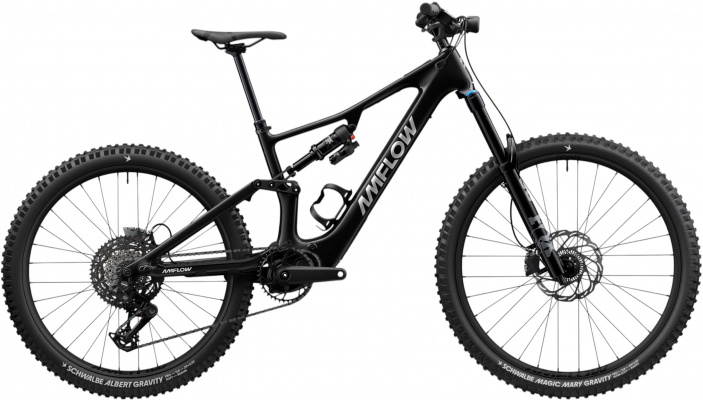
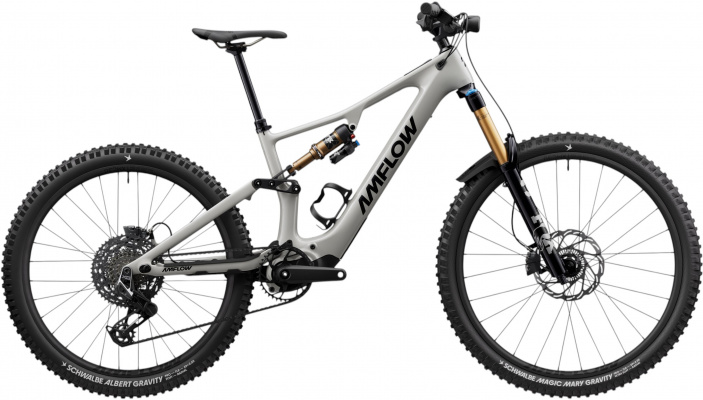
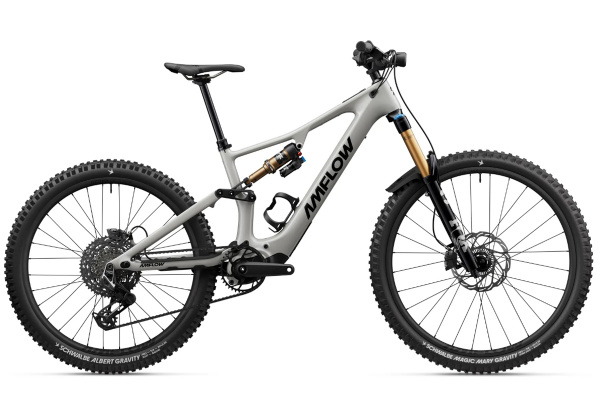
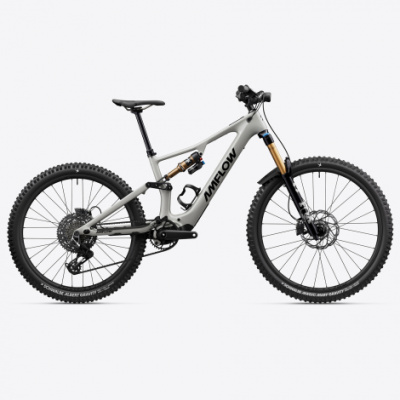
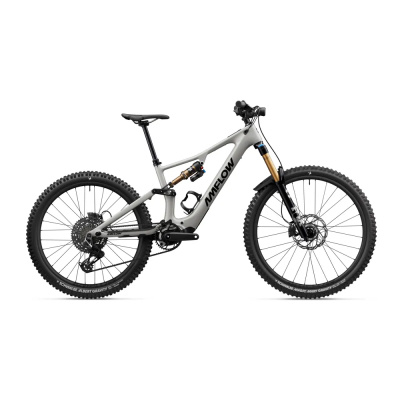
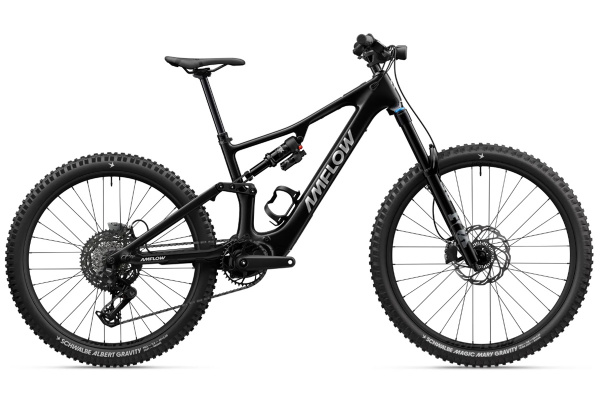
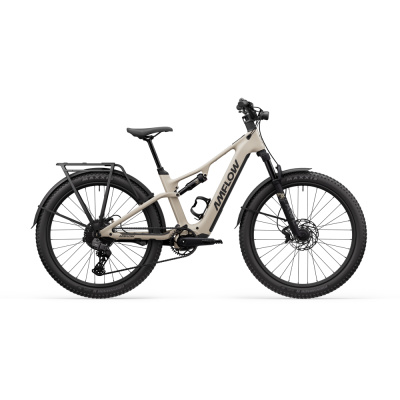
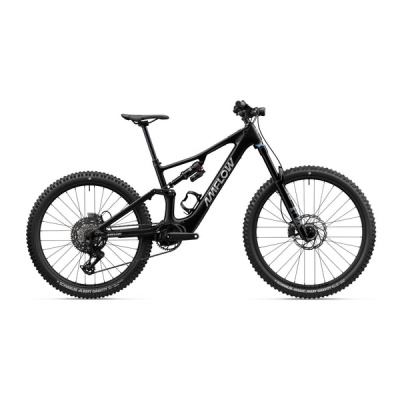
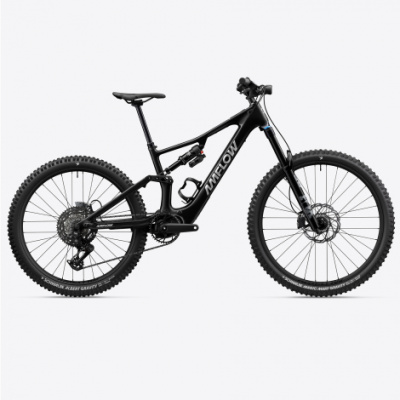
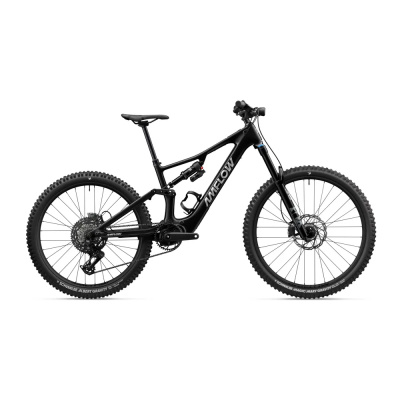
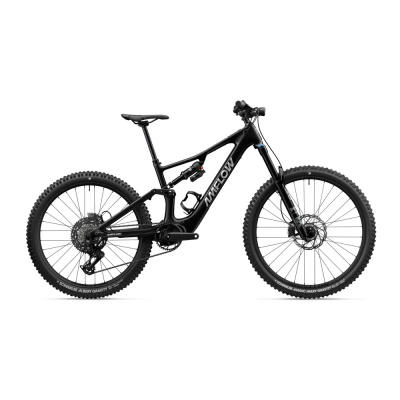
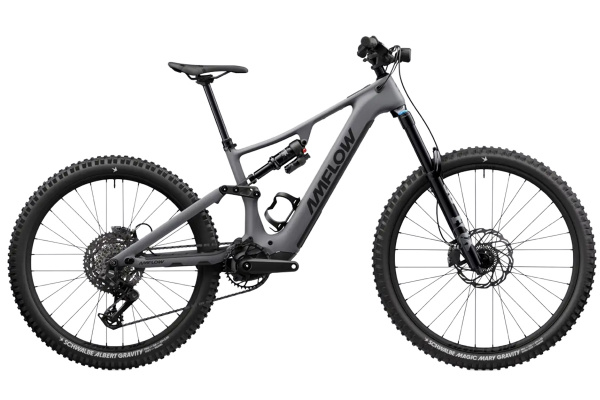
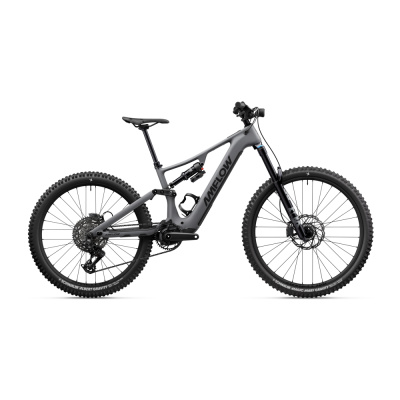
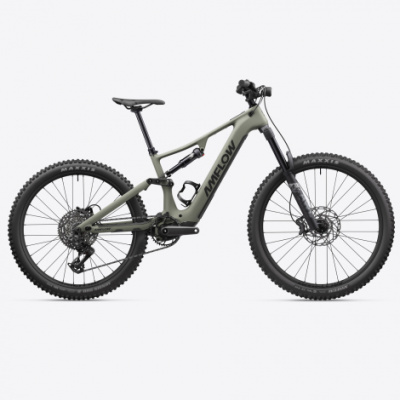
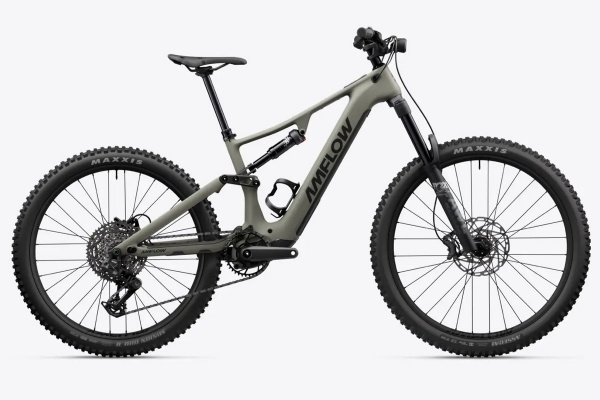
Prices and availability can change quickly. Delivery charges are not always included in listed prices.
Final price, stock status and delivery terms are set by retailer. We may receive a commission on purchases made.
Decoding the Amflow PL Series
The Amflow lineup is tight and deliberate - no sprawling range of commuters or leisure bikes to wade through. Right now it's the PL series doing the work, and the key decision is between the PL Carbon and the PL Carbon Pro. Both share the same carbon frame layup and DJI Avinox drive system, so the differences come down to component spec and, critically, battery choice.
The standard PL Carbon is available with a 600Wh battery. That's the configuration that keeps the overall weight lowest and gives the bike its most agile, flickable character on tighter singletrack. If you're doing two-hour blasts on trails you know well, the 600Wh is plenty. It suits riders who prioritise how the bike moves over how far it goes on a single charge.
Step up to the 800Wh battery - available on higher-spec builds - and you're trading a little of that featherweight advantage for genuine all-day range. Think long Amflow electric mountain bikes days in the Cairngorms or a full loop of the Tweed Valley without the nagging battery-bar watch. The PL Carbon Pro trim adds sharper componentry across the board: better brakes, a more capable dropper, and finishing kit that matches the ambition of the motor beneath it. Worth the extra? If you're riding this hard regularly, yes.
Both models run a 29er wheel size, which suits the long-travel e-MTB geometry well - better roll-over on rooty climbs, more predictable at speed. The four-bar linkage suspension platform is consistent across the range, so you're not compromising kinematics when you choose the lower trim. For how that suspension actually behaves on trail, the Amflow Mountain Bikes page goes deep on that side of things.
The DJI Avinox Drive System - What Actually Makes It Different
Most e-bike motors come from companies that built motors. DJI built drones - machines where power-to-weight ratio and battery efficiency aren't marketing points, they're survival requirements. That engineering mindset is what makes the DJI Avinox drive system worth talking about seriously.
The headline figures: 120Nm of torque, 850W peak power, 2.52kg motor weight. For comparison, the Bosch CX - a respected, proven unit - weighs around 2.9kg and produces 85Nm. The Avinox doesn't just nudge those numbers, it resets the conversation. And because the motor is so compact, Amflow's engineers could design the frame around it properly rather than working around a bulky unit.
The system pairs with an OLED display integrated into the top tube - not a handlebar unit you add on, but something built into the bike. It's clean, readable, and gives you ride data without cluttering the cockpit. Connectivity runs through DJI's app, where you can customise assist modes, track rides, and run diagnostics. It feels closer to how a tech company designs software than how a bike brand typically does.
Then there's the GaN fast-charging technology. GaN - Gallium Nitride - is the same semiconductor material pushing fast-charging in high-end laptops and phones. Applied to the 800Wh battery here, it means 0 - 75% charge in 1.5 hours. That's a practical game-changer for multi-session days at a trail centre. Competitors running Shimano EP8 or older Bosch systems simply can't match that turnaround. If you're weighing up the Amflow PL Carbon vs Pro decision partly on charging speed, both use the same GaN system - the advantage applies across the board.
Brands like Cube E-Bikes and Cannondale E-Bikes produce excellent machines with established motor partnerships, but neither currently offers a proprietary drive system built with this kind of integrated tech ambition. That's not a criticism of those brands - it's context for understanding what Amflow is attempting.
Running an Amflow in British Conditions
UK riding means mud, more mud, and the occasional optimistic dry spell that lasts about forty minutes. So the practical question isn't whether the DJI Avinox motor is impressive - it clearly is - it's whether it holds up when you're hosing off half of North Wales from the drivetrain on a Sunday afternoon.
The Avinox system carries a solid IP rating for water and dust ingress, and DJI's background in outdoor tech (their drones get used in some grim conditions) suggests this wasn't an afterthought. Jet washing directly at the motor isn't something we'd recommend on any e-bike, but normal post-ride cleaning and deep puddle crossings are well within its design envelope. Winter riding in places like the Tweed Valley, where the trail surface can go from hero dirt to greasy root-fest in one descent, is exactly where that 120Nm torque figure earns its keep - there's enough grunt to pull through slick, off-camber climbs where lighter-motored bikes spin out.
Cold garage charging is a real consideration for a lot of UK riders, and battery management systems don't always love sitting in a 4°C outbuilding overnight. Amflow's battery management is designed to handle temperature variation, but as a general rule - true of any large lithium pack - bringing the battery inside to a warmer room before charging in deep winter will protect long-term cell health. The GaN charger's speed means this is less of a faff than it sounds; plug it in when you get back from the ride, charge quickly, store it sensibly.
If you're also looking at trail shoes or protection to go with a new e-MTB build, thinking about the complete kit now saves a separate trip. Gloves, knee pads, and a well-fitted helmet matter more when you're moving faster uphill and have more energy left to push the descents.
On Amflow PL weight: the 19.2kg figure for the PL Carbon is a full-build number, not a frameset claim. That's meaningful - some brands quote frame-only weights that bear little resemblance to what you're actually lifting over a stile. At 19.2kg, you'll feel the difference versus a 23kg competitor on your shoulder, and even more so in how the bike responds mid-corner.
Amflow E-Bikes FAQs
How much does the Amflow PL e-bike weigh?
The Amflow PL Carbon comes in at 19.2kg as a complete build - one of the lightest full-power e-MTBs currently available. That figure is down to the carbon frame construction and the exceptionally compact DJI Avinox motor, which weighs just 2.52kg.
What motor does the Amflow e-bike use?
Amflow e-bikes run the proprietary DJI Avinox Drive System - developed in-house by DJI rather than sourced from a third-party motor supplier. It delivers 120Nm of torque and 850W of peak power while keeping the motor unit itself to 2.52kg.
How long does it take to charge the Amflow battery?
The 800Wh battery uses DJI's GaN fast-charging technology and can reach 75% from flat in 1.5 hours. For UK riders doing back-to-back trail sessions, that's a genuinely quick turnaround compared to most rival systems.