
Whyte Road Bikes
Whyte Road Bikes aren't designed for the polished tarmac of a European grand tour - they're built for the potholed B-roads, relentless drizzle, and gritty winter miles that make up most riding in the UK. That distinction matters. Where a lot of road bikes compromise the moment the road surface deteriorates or the weather closes in, Whyte's drop-bar range holds its line. The brand made its name in mountain bikes, and that background shows in every geometry decision and sealing detail on their road frames.
The Wessex became a benchmark for what a genuinely all-road bike could be: stable enough to descend a slick descent with confidence, clearance for proper tyres, and the kind of weather-proofing that laughs at a British January. That philosophy still runs through the current lineup. Whether you're after a dependable winter trainer, a fast commuter that survives year-round grime, or an endurance machine with enough tyre room to tackle a gravel sector without flinching, Whyte's road bikes are worth a close look. Browse the latest deals below and compare prices across the full range.
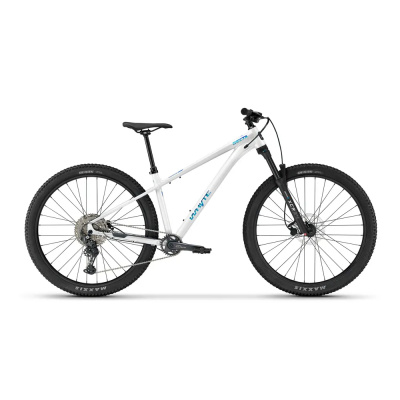
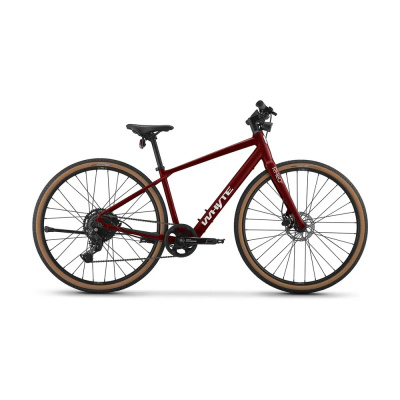
Prices and availability can change quickly. Delivery charges are not always included in listed prices.
Final price, stock status and delivery terms are set by retailer. We may receive a commission on purchases made.
Decoding the Whyte Road Lineup
Whyte's approach to tarmac has always started from a simple question: what do UK roads actually demand? The answer shaped the Wessex, their endurance and all-road benchmark, which set the tone for how the brand thinks about drop-bar geometry, frame compliance, and component durability. The Wessex paired a relaxed, stable riding position with genuine tyre clearance and disc brakes long before that combination became standard - it was practical before practical was fashionable.
The current road range builds on that foundation. Whyte's frames sit in a sensible middle ground: not featherweight climbers aimed at Strava segments, not bloated tourers. Think confident geometry, carbon options where it counts, and detail-level weather-sealing that most pure road brands still treat as optional. Internal cable routing is standard across the serious end of the lineup, keeping grime and water out of the places they cause the most damage over a long winter.
If you're after dedicated off-road drop-bar performance, our Whyte Gravel Bikes page covers that ground in full. For fast, flat-bar urban riding, head to our Whyte Hybrid Bikes page instead.
The Tech That Makes Whyte Road Bikes Work in the British Winter
Whyte's proprietary details aren't marketing padding - each one addresses something that genuinely goes wrong on a UK road bike over time. Start with the Intergrip Seat Clamp: an internal, weather-sealed wedge system that clamps the seatpost from inside the seat tube rather than relying on an external bolt. The practical upshot is that water running down your seatpost no longer tracks straight into the bottom bracket shell. On a bike ridden through winter salt and grit, that's the difference between bearings that last two seasons and ones that need annual replacement.
The DOX (Drop Out eXchange) system is borrowed directly from Whyte's mountain bike range. It's a replaceable dropout design that protects the frame if you bend a hanger in a tumble or a badly loaded bike rack moment - swap the dropout rather than the frame. It also keeps the derailleur hanger geometry consistent, so shifting stays precise even after a replacement. Handy when you're miles from a workshop on a dark November evening.
Then there's the geometry itself. Whyte applies UK-centric geometry across the road range: longer reach figures, slacker head angles, and a lower bottom bracket than you'd find on a comparable continental endurance bike. Those numbers sound subtle on a spec sheet, but on a wet, off-camber descent on the Surrey Hills or a loose-surfaced lane in the Peak District, you feel the difference immediately. The bike tracks rather than wanders. Confidence comes from the geometry doing its job, not from white-knuckle grip.
Day-to-Day Ownership: What to Expect on UK Roads
Whyte road bikes are genuinely practical to live with, and that starts with tyre clearance. Most frames in the range accommodate 30c to 32c tyres without drama, and the better models run tubeless ready rims and tyre beads as standard. Run a quality tubeless setup at lower pressures and suddenly those chip-sealed B-roads in the Cotswolds stop feeling like punishment. You're absorbing the surface rather than fighting it.
Mudguard fitment is built in, not bolted on as an afterthought. The integrated, rattle-free mudguard mounts on Whyte road frames are sized for full-length guards - the type that actually keep you dry - rather than the token clip-on affairs. If you're commuting year-round or doing serious winter training miles, that matters more than an extra 50g of frame weight. Speaking of which, this is an honest trade-off to flag: a Whyte road bike will typically sit a touch heavier than a pure climbing machine of similar price. The weight comes from the sealing hardware, the robust dropout system, and a carbon layup tuned for compliance and longevity rather than minimum weight. If you're targeting KOMs on Alpine passes, that's relevant. If you're riding Lancashire in February, it really isn't.
The weather-sealed bearings throughout the headset and bottom bracket are worth factoring into total cost of ownership. A conventional road bike run through a UK winter can need bottom bracket and headset service within a year. Whyte's sealed units are spec'd to survive considerably longer without intervention, which offsets the initial outlay over time. Pair the bike with a set of Whyte mudguards and you've got a genuinely low-maintenance winter setup.
How does the range stack up against alternatives? Riders considering a Whyte endurance road bike will often also look at options from brands like Genesis or Ribble, both of which build UK-focused all-road machines. Whyte's edge is the mountain bike-derived sealing technology and the DOX dropout system - details that competitors don't replicate directly. If outright weight is the priority, a lighter carbon option from either brand might win on paper. But for sheer durability through a British winter, the Whyte philosophy is hard to argue with. You might also want to explore the broader Whyte Mountain Bikes range to understand where the engineering DNA originates, or check the Whyte E-Bikes lineup if assisted drop-bar riding is on your radar.
Whyte Road Bikes FAQs
Are Whyte road bikes any good?
Yes - and specifically good for UK riding. Whyte road bikes are designed around the conditions most British riders actually face: broken roads, persistent wet weather, and long winter miles. The weather-sealed components, stable geometry, and robust build quality make them a strong choice for anyone who rides year-round rather than just in the dry.
Does Whyte still make the Wessex road bike?
The Wessex is no longer in active production, but it remains one of the most sought-after used road bikes in the UK for good reason. Its all-road geometry and weather-proofing set a standard that Whyte's current drop-bar range continues to follow. If you spot a used Wessex in good condition, it's still a very capable machine.
Can I fit mudguards to a Whyte road bike?
Yes. Whyte road and all-road frames include integrated mudguard mounts designed for full-length guards, not just token clip-on options. The mounts are built into the frame rather than added as an afterthought, so fitment is clean and rattle-free - exactly what you want on a winter training bike.