
Whyte Gravel Bikes
Whyte gravel bikes didn't arrive by bolting drop bars onto a road frame and hoping for the best. Whyte took the geometry thinking behind their award-winning mountain bikes and rebuilt it around gravel riding - specifically the steep, muddy, technically demanding kind you find on British bridleways. The result is a range that handles far rougher ground than most drop-bar bikes dare attempt.
At the core of that approach is DOX geometry - a long reach paired with a short stem and a slack head angle that keeps you in control rather than pitching you forward when a descent gets loose. Add in SCR specific frame design with widened chainstays for serious mud clearance, weather-sealed components built to cope with what a UK winter actually throws at a bike, and bikepacking mounts throughout, and these are machines with a clear sense of purpose.
The lineup runs from the aggressive, off-road-focused Friston and Gisburn through to the more versatile Dean and the lighter-touch Glencoe. Whether you're chasing technical singletrack in the Peaks or loading up for a multi-day route through the Cairngorms, there's a Whyte gravel bike sized for the job. Compare the latest models and deals below.
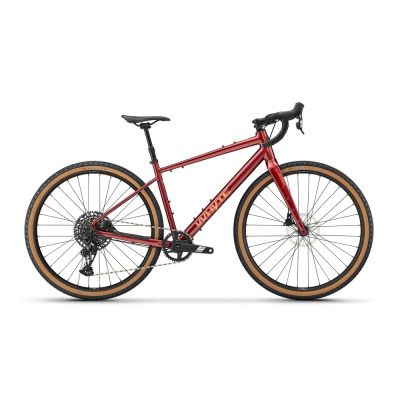
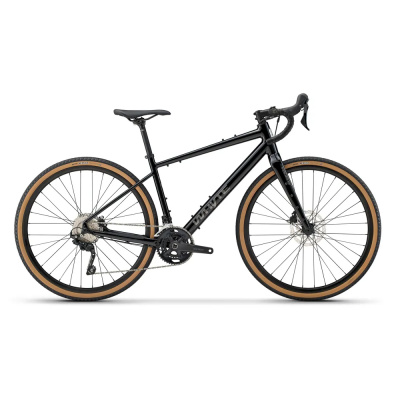
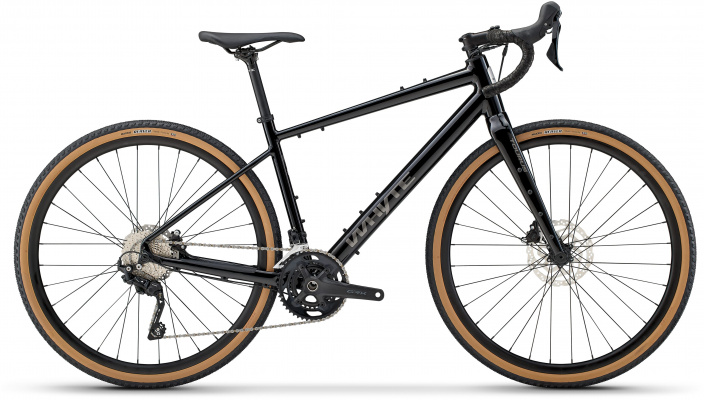
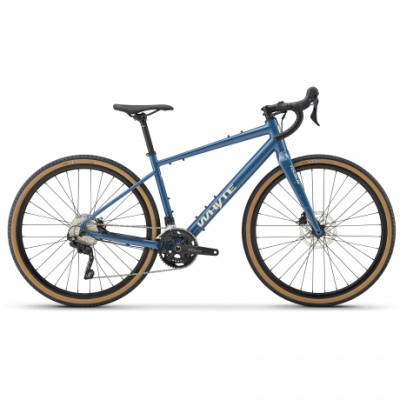
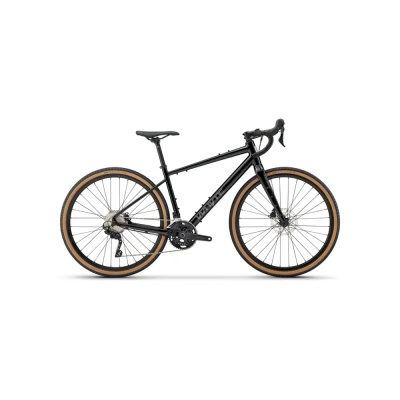
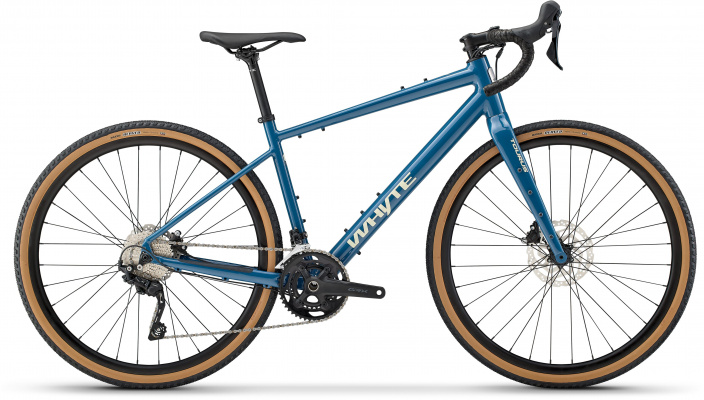
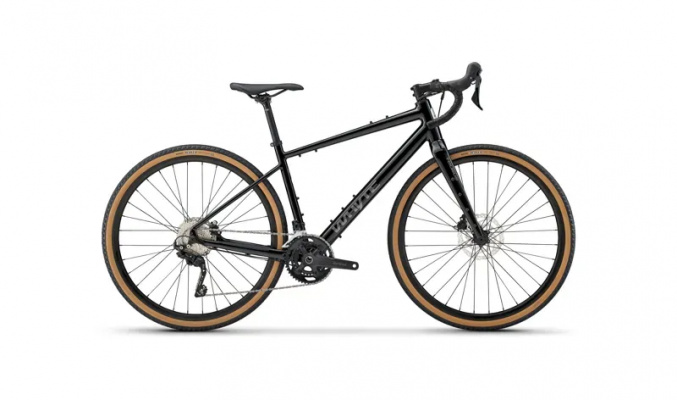
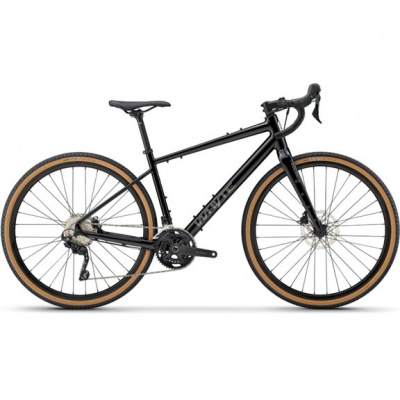
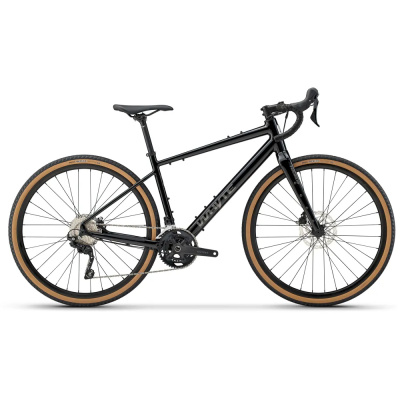
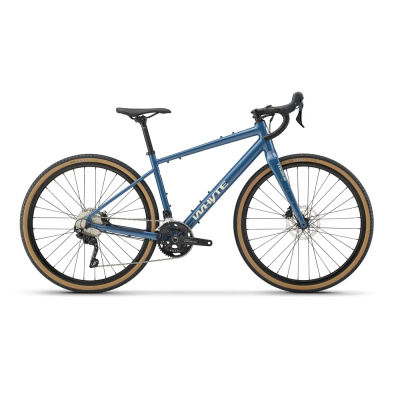
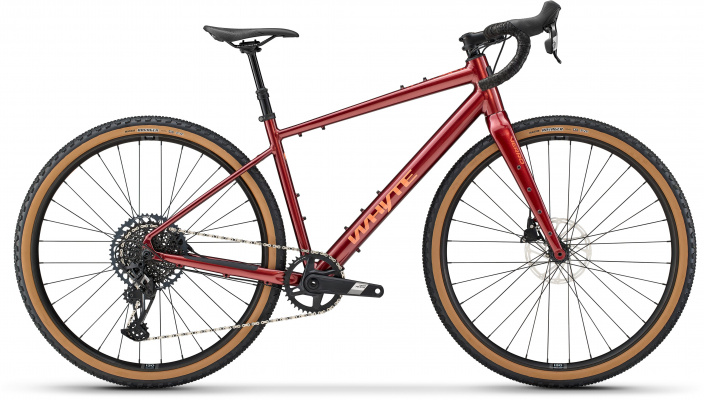
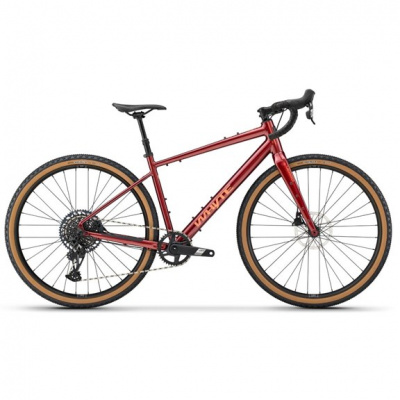
Prices and availability can change quickly. Delivery charges are not always included in listed prices.
Final price, stock status and delivery terms are set by retailer. We may receive a commission on purchases made.
Decoding the Whyte Gravel Lineup
The Friston and Gisburn sit at the sharp end of the range - both built on the same progressive aluminium frame, both unambiguously off-road in intent. Think of the Gisburn as the Friston with the dial turned up: it typically arrives with a dropper post already fitted, upgraded groupset options such as SRAM Rival AXS, and finishing kit that matches the frame's ambitions rather than asking you to upgrade immediately. If you're spending most of your time on rough bridleways and want a bike that's ready out of the box, the Gisburn makes a strong case. The Friston offers the same geometry and clearance at a lower entry point - a sensible place to start if you're new to this end of gravel riding.
The Dean plays a different role. It's Whyte's all-rounder - still capable on rough ground but less committed in its setup, which makes it more comfortable across a wider spread of riding. Faster gravel roads, mixed-surface sportives, the odd road day: the Dean handles the variety. At the lighter end of the range, the Glencoe leans into road-plus and smooth gravel duties with 650b wheels and a geometry that suits riders who want some off-road capability without fully committing to the aggression of the Friston platform.
If you're drawn to gravel riding but want pedal assistance on longer or hillier days, it's worth browsing Whyte e-bikes - their electric range includes off-road capable options that bring a similar geometry philosophy to assisted riding.
The Tech Behind the Bikes: MTB Thinking Applied to Drop Bars
DOX - Drop Off eXclusive - is the geometry system that defines how Whyte's gravel bikes feel on technical ground. The long reach stretches the cockpit, while a short stem keeps the steering responsive. More importantly, the slack head angle shifts your weight back on steep descents, which stops that unsettling sensation of being launched over the bars when a bridleway suddenly drops away. It's the same logic that made longer, slacker mountain bikes so much more confidence-inspiring on UK trail centres, applied to a gravel context where you're still dealing with drops, loose surfaces, and cambered ruts.
The SCR specific frame design is worth understanding properly. By committing to a 1x drivetrain from the outset - removing the front derailleur mount entirely - Whyte's engineers could widen and symmetrise the chainstays. That delivers two things: genuinely serious mud clearance (relevant for anyone who's watched a standard gravel bike pack out in Pennine clay) and a stiffer rear triangle, because the chainstays can be optimised for stiffness rather than routed around a front mech. The clearance works with both 700c and 650b wheel formats depending on the model.
Internal cable routing keeps the frame clean and reduces the number of exposed entry points for grit and water. Whyte's concealed seat clamp goes further - it's weather-sealed to resist the ingress of water and fine grit that works into components over a winter of hard riding. Hydraulic disc brakes are standard across the range, giving consistent stopping power in the wet. These aren't aesthetic choices; they're practical decisions for bikes that are expected to work hard through November to March.
The bikepacking mounts fitted throughout the frame - top tube, down tube, fork legs - mean these bikes are genuinely set up for multi-day loading without requiring aftermarket additions. Whyte's own frame designs have always prioritised functional detail over surface-level spec.
Sizing, Fit, and Keeping Things Running
One question that comes up regularly: do Whyte gravel bikes run large? The honest answer is that the reach is longer than you'd find on a traditionally proportioned gravel bike, but that's by design rather than error. The short stem compensates, and the result is a wheelbase that feels stable rather than unwieldy. Stick to your normal size - don't be tempted to size down to shorten the reach, because that will compromise the handling balance the geometry is built around. Check Whyte's geometry chart directly, measure your current reach if you're unsure, and trust the numbers.
Stack height sits in a sensible range for riders who want a relatively upright position without going full endurance geometry, and the short stem means you're not fighting a long lever on technical ground. If you're between sizes, lean toward the smaller of the two - the longer reach of Whyte's sizing means the larger option will likely feel stretched.
Maintenance-wise, the concealed seat clamp and sealed bearings help, but British riding still takes its toll. Fitting mudguards is the single most effective thing you can do to extend component life - keeping road spray off the drivetrain and brake calipers matters more than most riders expect until they skip it for a full winter. When grit does eventually work into the headset and bottom bracket, replacing bearings is straightforward on these frames. Keep a spare hanger and drop out in your pack on remote routes - it's the kind of small part that ends a day out if you don't have one and bend it on a rocky section of trail.
For riders who also want to see how Whyte's geometry thinking translates into other categories, their mountain bike range and road bikes are worth a look alongside the gravel lineup.
Whyte Gravel Bikes FAQs
Are Whyte gravel bikes good for bikepacking?
Very much so. The Friston and Gisburn both come with multiple frame mounts for bags, extra bottles, and fork cargo. The stable, MTB-influenced geometry also means the bikes handle predictably when fully loaded - they don't get skittish under weight the way a more road-biased frame can.
What is the difference between the Whyte Friston and Gisburn?
Same frame, different build spec. The Gisburn is the higher-tier model and typically comes with a dropper post as standard, along with a more premium groupset - often SRAM Rival AXS. The Friston gives you the same geometry and clearance at a lower price point, without the upgraded components.
Do Whyte gravel bikes run large?
The reach is longer than most traditional gravel bikes, but Whyte pairs it with a short stem to keep the handling balanced. Ride your normal size - sizing down to manage the reach disrupts the geometry. If you're between sizes, the smaller option usually works better given how the reach figures play out.