
Vaude Rucksacks
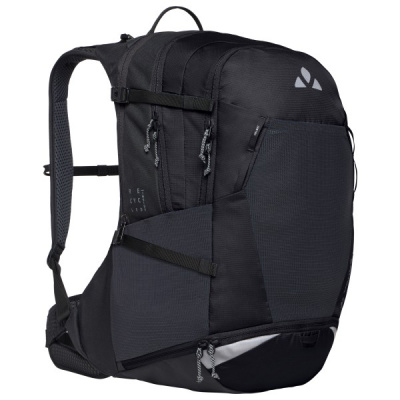
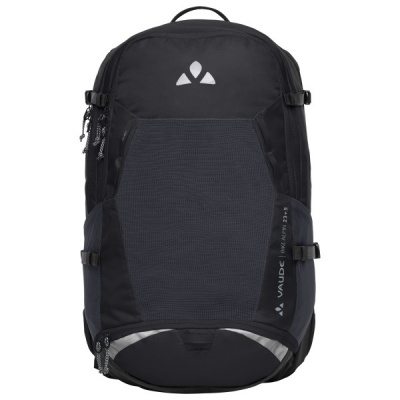
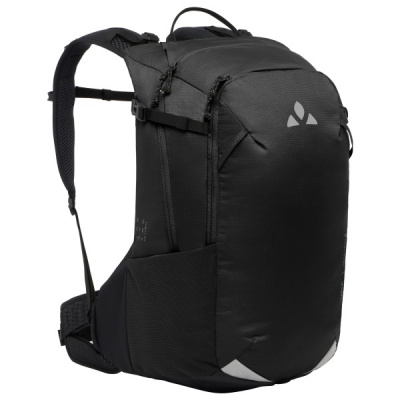
Vaude cycling rucksacks cover the full spectrum from rain-soaked city commutes to technical trail descents - and they do it with a level of considered engineering that puts most of the competition on the back foot. At the core of what makes these packs work is the proprietary Aeroflex 3D suspension system: a tensioned mesh back panel that holds the bag away from your spine, keeping airflow moving even when you're grinding up a long road climb in a waterproof jacket. That matters more than people realise. A sweaty back isn't just uncomfortable - it's a distraction.
Vaude also carry genuine Green Shape eco-credentials, using bluesign certified materials and a PFC-free Eco Finish water-repellent treatment across much of the range. So you're not just getting a capable pack; you're getting one built with a degree of environmental accountability that's increasingly relevant if you care about where your kit comes from.
Practical features run through every model: hydration bladder compatible designs with routed drink tube ports, helmet net attachment points for when you're switching between modes, and F.L.A.S.H. shoulder strap adjustment for a micro-tuned fit that stops the pack shifting mid-ride. British weather doesn't give you a day off, and these bags are set up accordingly.
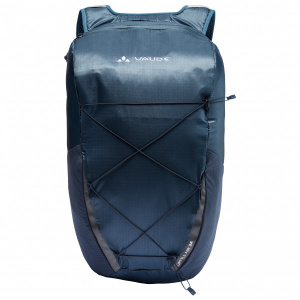
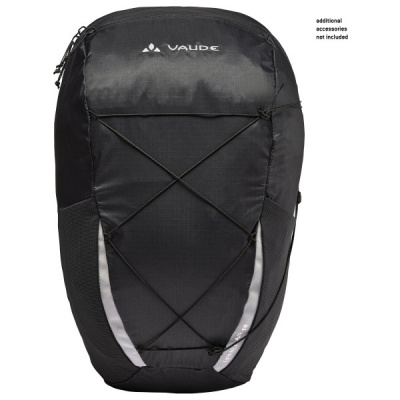
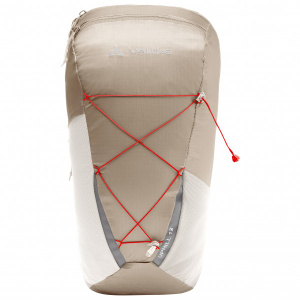
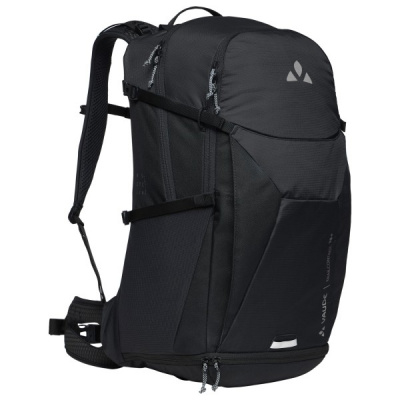
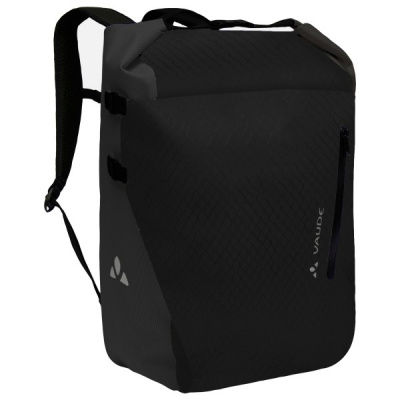
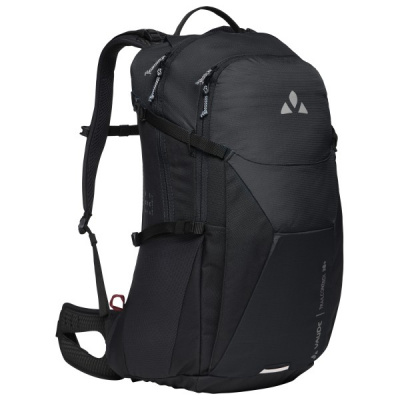
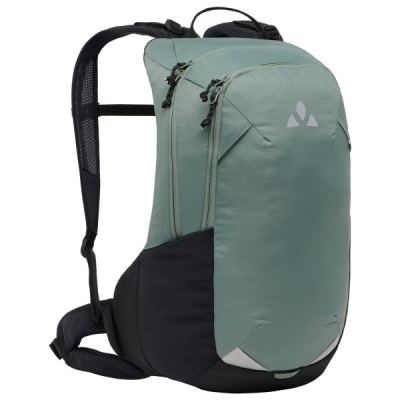
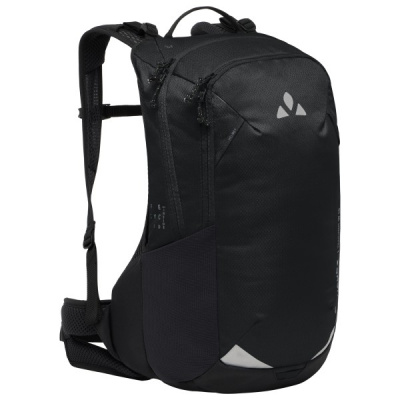
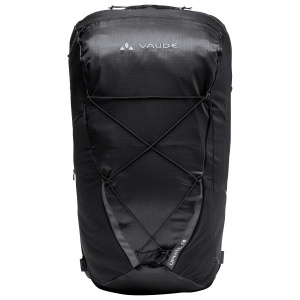
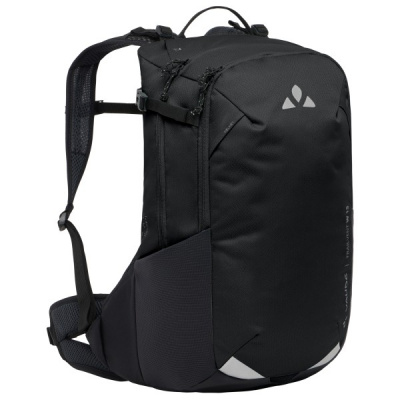
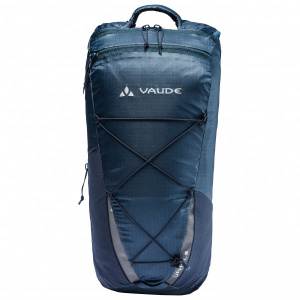
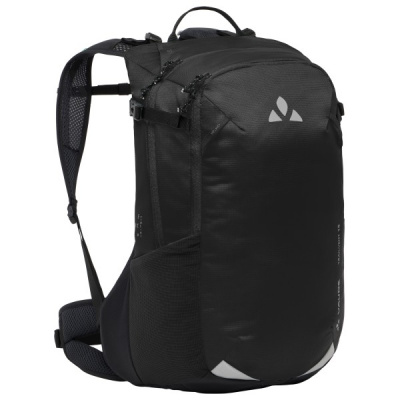
Prices and availability can change quickly. Delivery charges are not always included in listed prices.
Final price, stock status and delivery terms are set by retailer. We may receive a commission on purchases made.
Fit, Suspension and Hydration Compatibility
Choosing the right Vaude back system is the first decision worth getting right, because it affects everything from comfort on a two-hour commute to how the pack behaves when you're pushing through a technical descent. The Aeroflex 3D suspension uses a tensioned mesh frame - think of it as a trampoline between the bag and your back - creating a genuine air gap that keeps ventilation working even on humid autumn days. It's the better call for road commuting, bikepacking, or any ride where you're generating sustained heat and wearing a close-fitting jacket over the top.
The Vent-Tex back system takes a different approach. It sits in contact with the body, using structured ventilation channels rather than an air gap. The pay-off is a lower centre of gravity and a pack that doesn't rock around when you're out of the saddle on rough ground. If your typical ride involves roots, rock gardens, or anything that has you moving aggressively on the bike, Vent-Tex gives you better load control. The ventilation is slightly reduced compared to Aeroflex, but for the kind of riding where stability genuinely matters, that's a reasonable trade.
Hydration compatibility runs across the range - most trail-focused models accept bladders up to 3 litres, with a dedicated sleeve and a routed port for the drink tube. The tube typically exits at the shoulder strap, so it stays accessible without you needing to reach back. Helmet clearance in aggressive riding positions is handled via the helmet net attachment, keeping your lid secure without compromising pack access. The F.L.A.S.H. shoulder strap adjustment system allows you to fine-tune strap length to match your torso precisely - worth spending a few minutes on before your first ride, because a correctly fitted pack makes a noticeable difference on longer efforts.
If you'd rather get the weight off your back entirely, Vaude pannier bags and Vaude frame bags are worth a look for dedicated on-bike luggage where the bike carries the load instead of you.
Vaude Rucksack Hierarchy: Commuter vs MTB
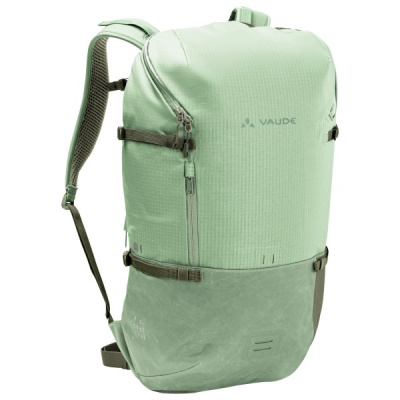
Vaude organise their cycling packs into broadly urban and trail-focused families, and the differences between them go deeper than aesthetics. The commuter-oriented lines - including the Clubride and CityGo series - are built around the reality of daily urban riding. Expect roll-top closures that seal out rain without needing you to deploy a separate cover, integrated laptop sleeves with adequate padding for a 15-inch machine, and in some Aqua models, fully welded seams that make the bag genuinely waterproof rather than just water resistant. These are packs that get locked to a bike rack in January drizzle and survive it without fuss.
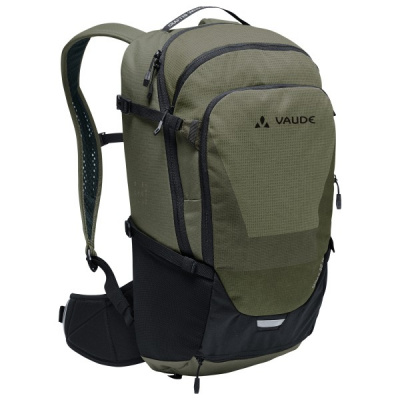
Move into the trail-focused range - the Tremalzo, Moab, and Bracket models - and the priorities shift. The Ergonomic Movement Panel (EMP) is the standout feature here: a flexible panel built into the back of the pack that allows it to move with your torso rather than fighting against it. On sustained climbs or technical sections where you're shifting your weight constantly, the difference is tangible. These packs also carry tool organisers designed around the typical contents of a trail kit - tubes, multitool, links - and armour carry straps for when you're hiking a bike and carrying protection separately.
As you move up the price tiers, you're paying for a combination of lighter fabrics, more refined suspension geometry, and additional organisation. Entry-level models cover the basics well; the upper end of the range adds gram-counting construction and features like magnetic buckle closures that work with gloves on. Compared to something like Deuter rucksacks or EVOC rucksacks, Vaude's trail packs sit in a similar performance bracket but with a stronger sustainability narrative and a slightly more European fit - typically a touch narrower across the shoulder - which suits many UK riders well but is worth checking if you're broad across the back.
UK Weather Defence and Maintenance
The Eco Finish treatment is Vaude's PFC-free water-repellent coating applied to the outer fabric. It handles light rain and road spray without issue, beading water cleanly off the surface. In heavier, sustained downpour - and the Peak District or Scottish Highlands will serve that up regularly - the integrated rain cover is the right tool. Pull it out, clip it over the pack, and the exposed zips and seams are covered. Don't skip this step on a long day out; the Eco Finish alone isn't a substitute for the cover when you're riding through proper Welsh-valleys rain for two hours.
Zip maintenance is something most riders ignore until a zip fails mid-winter, usually in the worst possible conditions. Yorkshire grit and abrasive mud work their way into zip teeth over a season and accelerate wear significantly. A stiff nylon brush - an old toothbrush works - run along the teeth after muddy rides clears the debris before it can bed in. Follow that with a light application of silicone spray or dedicated zip lubricant, and you'll extend the life of the zips considerably. The YKK zips used across the Vaude range are robust, but they still need basic care.
For washing, keep it simple: a sponge, lukewarm water, and a mild tech-wash. Machine washing will degrade the PU-coated base panel and damage the back panel structure - avoid it. Once the pack is fully dry, reapply a PFC-free DWR spray to the outer fabric to restore the Eco Finish performance. This is worth doing once a season as a minimum, more often if the pack is in daily use through winter. Storing the pack loosely - not compressed - helps the back panel foam and mesh retain their shape between uses.
Pair the pack with a Vaude cycling jacket and Vaude overtrousers if you're commuting through winter, and you've got a coherent weather system rather than a collection of mismatched kit. If you're comparing hydration-focused options across brands, CamelBak rucksacks and Altura rucksacks are worth a side-by-side look on Bikesy before you commit.
Vaude Rucksacks FAQs
Are Vaude cycling rucksacks fully waterproof?
It depends on the model. The Aqua and Clubride series use fully welded seams and are genuinely waterproof. Most trail-focused models rely on the PFC-free Eco Finish treatment for light rain resistance, with an integrated deployable rain cover for heavier conditions. If waterproofing is non-negotiable for your commute, look specifically for the Aqua designation.
How do I wash and reproof my Vaude backpack?
Use a sponge, lukewarm water, and a mild tech-wash - no machine washing, as it degrades the PU coating and back panel structure. Once fully dry, reapply a PFC-free DWR spray to the outer fabric to restore water repellency. Do this at least once a season, or more frequently if the pack takes regular winter punishment.
What is the difference between Vaude Aeroflex and Vent-Tex?
Aeroflex uses a tensioned mesh frame to hold the bag away from your back, creating an air gap for maximum ventilation - ideal for commuting and longer road efforts. Vent-Tex sits against the body with padded ventilation channels, sacrificing some airflow in exchange for better load stability on aggressive trail riding. Different priorities, both well executed.