
Vaude Road Shoes
Vaude Road Cycling Shoes sit at the rare crossroads where eco-credentials meet genuine pedalling efficiency. The German brand's entire road range carries the Green Shape Label, guaranteeing PVC-free construction and fair production standards without sacrificing the stiffness you need for sustained power output. That's not greenwashing - it's recycled polyester mesh, Terracare certified leather sourced in Germany, and Eco Finish water repellency that skips the nasty PFCs.
Stiffness varies across the line. Models like the Kuro deliver a stiffness index 8 for race-pace efforts, while touring-oriented designs hover around 5 - 6, balancing anatomical support with all-day comfort. Closures range from micro-adjustable Boa L6 Fit System dials to dependable triple-strap Velcro, and sole drilling accommodates both three-bolt road standards and two-bolt SPD setups for riders who want walkability. If you're after performance that doesn't cost the planet, Vaude's road shoes deserve a closer look.
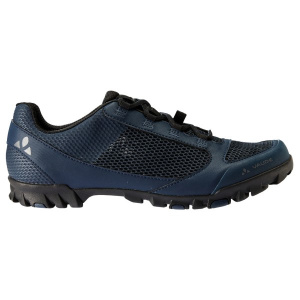
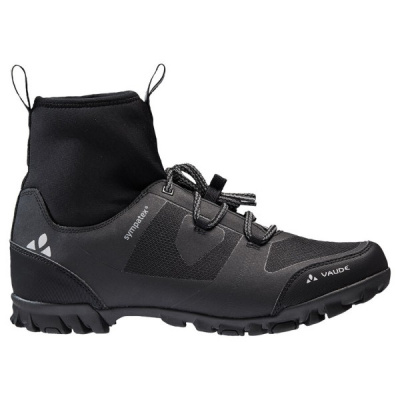
Prices and availability can change quickly. Delivery charges are not always included in listed prices.
Final price, stock status and delivery terms are set by retailer. We may receive a commission on purchases made.
Deciphering the V-Flow Stability Index
Vaude's V-Flow Stability Index runs from 3 (flexible trainer) to 9 (full carbon race plank). For road riding, you'll typically encounter Index 8 or Index 5 - 6. An Index 8 sole uses a nylon-reinforced shank that channels watts into the pedal spindle with minimal flex - think tight chaingang pace or sprint finishes where every joule counts. The anatomical insole still cups your arch, so you're not standing on a plank of wood, but the midsole won't fold under hard efforts.
Drop to Index 5 or 6 and you gain compliance for audax distances or mixed-surface touring. The shank remains present but thinner, letting the forefoot articulate slightly when you're off the bike or soft-pedalling through a village. It's the difference between a shoe that punishes café stops and one that doesn't make you waddle like a penguin on cobbles. Choose your index based on ride intent: racing and fast club runs warrant the 8; anything involving cake and camera stops suits the 5 - 6 band.
Sustainable Materials: The Green Shape Standard
Every Vaude road shoe wears the Green Shape tag, the brand's in-house guarantee that materials and supply chains meet strict environmental and social benchmarks. Uppers blend recycled polyester ventilation mesh with Terracare leather - a chrome-free, vegetable-tanned hide sourced from German tanneries audited for water use and chemical management. The result feels supple against your instep without the environmental baggage of conventional leather treatments.
Eco Finish handles weather protection. It's a PFC-free hydrophobic coating that beads light rain and road spray without relying on per- and polyfluoroalkyl substances, the persistent chemicals now banned or restricted across much of Europe. You won't get full winter bootie performance, but for spring showers and damp lanes it does the job. Linings use bluesign-approved textiles, and even the packaging avoids plastic where possible. If you've ever winced at the waste pile after unboxing new kit, Vaude's approach feels refreshingly considered.
Does sustainability cost you performance? Not noticeably. The recycled mesh breathes as well as virgin fibre, and Terracare leather moulds to your foot just like any premium hide. You're making a choice about supply-chain ethics, not accepting a slower shoe.
Cleat Compatibility and Closure Systems
Sole drilling varies by model. Pure road designs - typically the stiffer Index 8 options - feature the standard three-bolt pattern for Look Keo, Shimano SPD-SL, and similar pedals. Touring and all-road variants often spec a two-bolt SPD interface, prioritising walkability and recessed cleat pockets over maximum contact area. Always check the product spec before ordering; mixing up bolt patterns is an expensive mistake.
Closure systems split between Boa L6 dials and multi-strap Velcro. The Boa L6 Fit System offers millimetre-level adjustment on the fly - useful when your feet swell on a long ride or you need to snug things down for a climb. The dial sits low-profile, and the steel-coiled laces distribute pressure evenly across the forefoot. Velcro straps are simpler, lighter, and easier to replace if a buckle snaps mid-tour. They don't offer quite the same fine-tuning, but three straps still let you balance midfoot security with toe-box freedom.
If you're cross-shopping against Shimano road shoes or Giro road shoes, note that Vaude lasts run regular to slightly generous. Italian brands like Sidi or Fizik tend narrower; if you've ever felt pinched in those, Vaude's extra width around the toebox will be welcome. Some riders size up half a notch, especially with thicker merino socks.
Tettnang Roots and Climate-Neutral Commitment
Vaude started life in 1974 in Tettnang, southern Germany, initially focused on mountain-sports kit before expanding into cycling. The family-owned structure - still helmed by the founder's daughter - means long-term thinking trumps quarterly profit chasing. By 2022 the entire company achieved climate neutrality across Scope 1, 2, and most Scope 3 emissions, offsetting what can't yet be eliminated and investing heavily in renewable energy at their headquarters.
That heritage informs the product line. German engineering here means obsessive attention to ergonomic detail - anatomical insoles shaped from real foot-scan data, reinforcement placed exactly where pedal loads concentrate - and a supply chain audited under the Fair Wear Foundation. It's not marketing fluff; third-party certifications back the claims. For UK riders weighing up Northwave or Scott road shoes, Vaude offers a tangible alternative if sustainability ranks alongside watts-per-kilo on your priority list.
Pair your road shoes with Vaude MTB & gravel shoes if you run a quiver and want consistent fit across disciplines. Same lasts, same ethos, different tread.
Fit Notes and Real-World Use
How do Vaude cycling shoes fit? Expect a regular to slightly wider last compared to southern-European brands. The toebox doesn't taper aggressively, so if you've got broad feet or bunions, you'll appreciate the extra millimetres. Heel cups are well defined without being vice-tight, and the anatomical insole provides moderate arch support - not custom-orthotic levels, but enough to prevent midfoot collapse on longer rides.
Ventilation mesh panels work well in UK summer conditions - think humid July evenings on the North Downs or breezy coastal loops in Cornwall. In colder months you'll want overshoes; the Eco Finish repels drizzle but won't keep out sustained rain or freezing spray. Soles clean easily after wet rides, and the PVC-free materials dry faster than you'd expect, which matters when you're cramming shoes into a kit bag between commutes.
Are Vaude road shoes compatible with SPD cleats? Many models in the touring range are drilled for two-bolt SPD, making them ideal for mixed riding or bikepacking where you'll walk sections. Performance-focused designs stick to three-bolt road standards, so double-check before you buy. The V-Flow Index gives you a quick steer: lower numbers (5 - 6) often pair with SPD; higher numbers (8) typically mean three-bolt road.
Trade-Offs Worth Knowing
Pros:
- Green Shape certification and Terracare leather deliver genuine sustainability without performance compromise.
- V-Flow Stability Index makes it easy to match stiffness to your riding style - Index 8 for racing, 5 - 6 for touring.
- Regular-to-wide fit suits riders who find Italian lasts uncomfortably narrow.
Cons:
- Model availability in the UK can be patchy; not every shop stocks the full range, so online ordering may be necessary.
- Eco Finish water repellency handles light rain but isn't a substitute for neoprene overshoes in deep winter - plan accordingly.