
Vaude MTB & Gravel Shoes
Vaude MTB and gravel shoes sit at a genuinely interesting crossroads: serious off-road performance built on one of cycling's most committed sustainability platforms. Where a lot of brands talk green, Vaude backs it up with recycled materials, PFC-free Eco Finish coatings, and Sympatex membranes spun from 100% recycled fibres. That matters for the environment, but what it means for you on a boggy Pennine bridleway or a loose Lake District descent is footwear that performs without compromise.
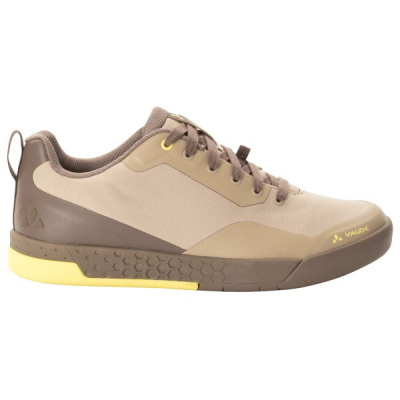
The range spans SPD-compatible clipless shoes for gravel and XC through to flat pedal options for enduro and trail riding. Vaude's proprietary V-Flow index takes the guesswork out of choosing - it rates sole stiffness on a numbered scale so you can match the shoe to how you actually ride, rather than guessing from marketing copy. SUPtraction rubber outsoles handle the bits you don't ride: steep, wet rock steps, slippery roots, the kind of scrambling that chews through lesser soles in a season. Whether you're clipping in for a loaded bikepacking weekend or stomping flats on home trails, there's a Vaude shoe built for the job. Worth checking sizing before you buy, and we'd always factor in your sock weight for winter - more on that below.
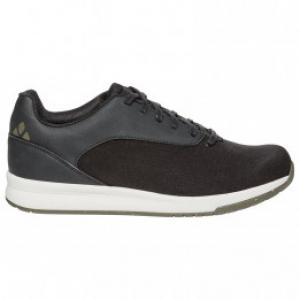
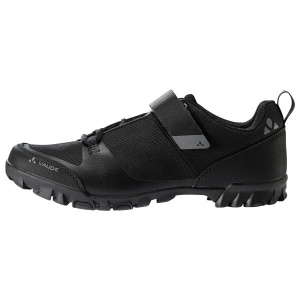
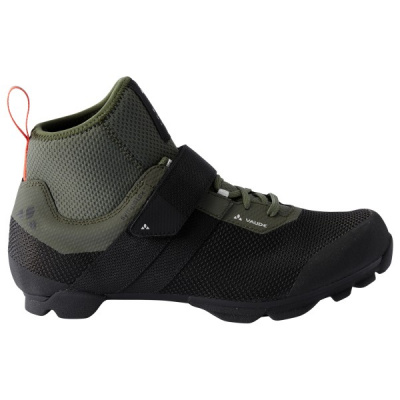
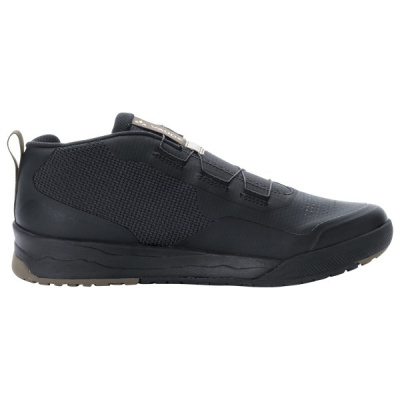
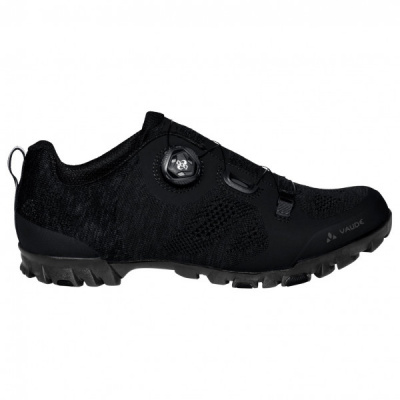
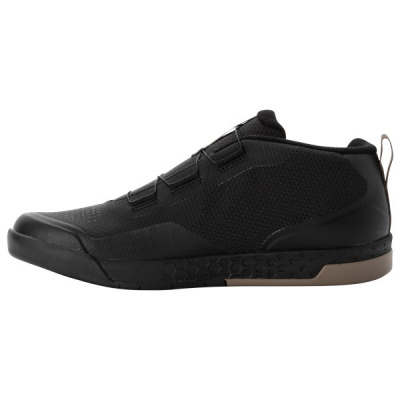
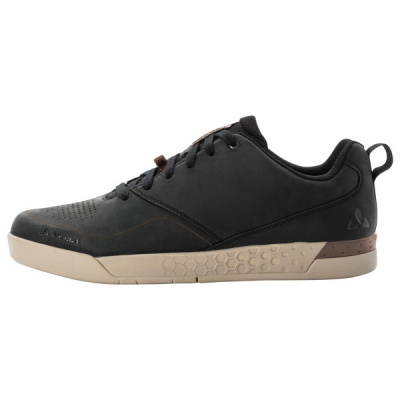
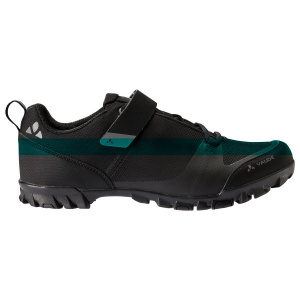
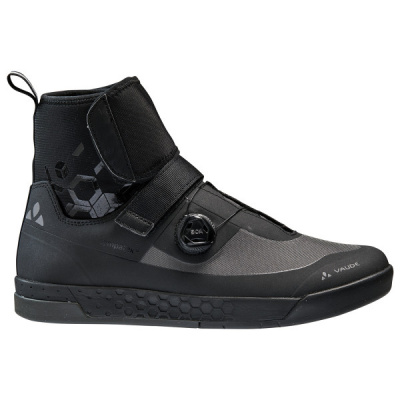
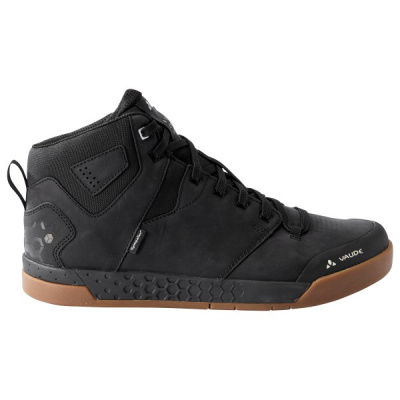
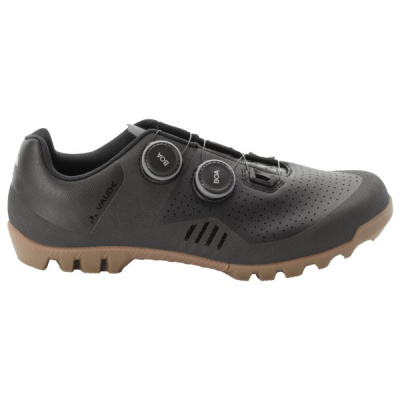
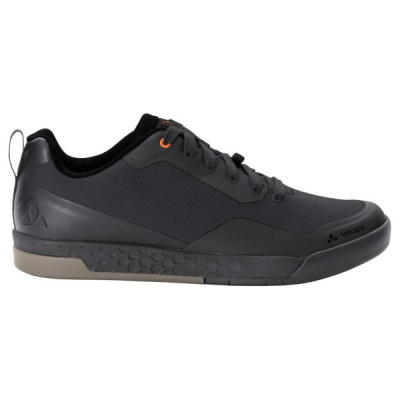
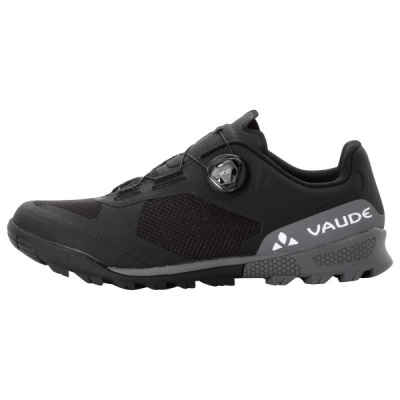
Prices and availability can change quickly. Delivery charges are not always included in listed prices.
Final price, stock status and delivery terms are set by retailer. We may receive a commission on purchases made.
Weatherproofing and Durability: What's Actually Going On
UK riding doesn't do seasons cleanly. You can get soaked in July and ride bone-dry in November, so the weatherproofing story in Vaude MTB and gravel shoes is worth understanding properly. There are two distinct layers of protection across the range. The first is Eco Finish - a PFC-free DWR treatment applied to the upper that beads off trail spray and light rain without trapping heat. It's not waterproof in the full sense, but for most three-season riding it keeps your feet comfortable through the kind of damp that's just part of a British day out.
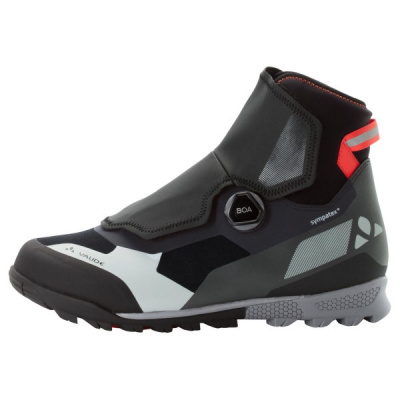
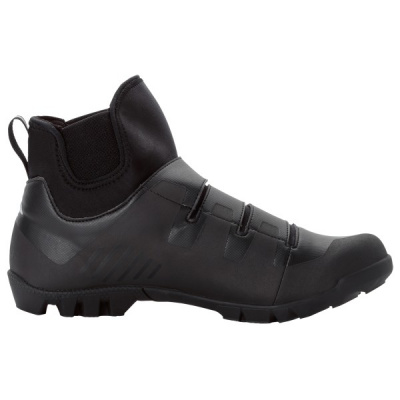
Step up to the winter-specific models and you get a Sympatex membrane. Unlike some waterproof liners that turn your feet into a swamp after an hour, Sympatex is built from 100% recycled materials and manages breathability alongside water exclusion far better than traditional laminates. For long days in the Peak District when the rain isn't stopping and the gullies are running, it's the difference between functional feet and a miserable last hour. Vaude also reinforces toe boxes and heel caps with abrasion-resistant overlays - rock strikes on technical sections that would scuff a road shoe clean through are handled without drama. These aren't decorative details; after a few encounters with gritstone edges, you'll notice the difference.
The Kuro and Moab: Picking the Right Shoe for Your Riding
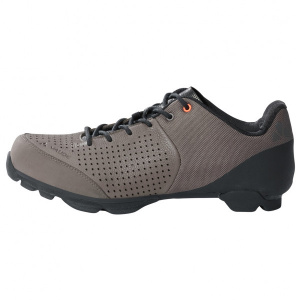
Vaude's range makes more sense once you understand the V-Flow index. It's a stiffness rating that runs from flexible at the lower numbers to board-stiff at the top, and it's one of the more honest tools a shoe brand has given riders for self-selecting the right product. The Kuro sits at the stiffer end - V-Flow 8 territory - making it the pick for XC and gravel where power transfer matters and you're not scrambling off the bike every five minutes. SPD compatible and built for clipping in, it's the shoe you'd reach for on a long gravel loop where efficiency across the miles is what you're optimising for.
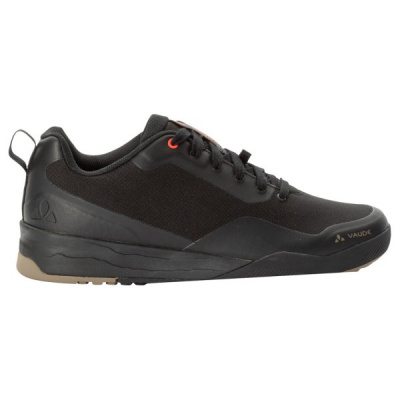
The Moab operates at the other end of the scale, with a V-Flow 3 rating that gives you a sole flexible enough to walk, hike, and grip on foot without that stiff-soled shuffle that clipless shoes force on technical hike-a-bike sections. The SUPtraction outsole is the key here - purpose-designed lugs that clear mud and grip wet rock rather than skating across it. If you're heading into the kind of riding where you're regularly off the bike - Scottish trails, steep Welsh climbs, anything with push sections - the Moab's grip underfoot is a genuine asset rather than a concession.
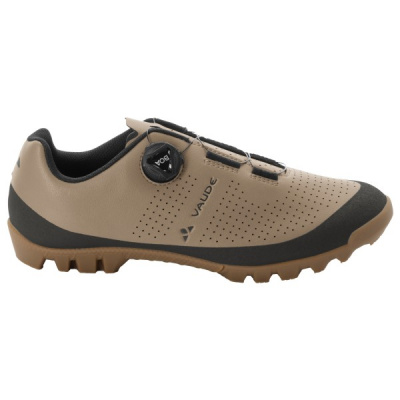
Fit across the range runs slightly wider in the toe box than traditional Italian race shoes. If you've ever found Northwave MTB shoes a touch narrow across the forefoot, Vaude is worth trying. It's not a bulky fit - just a more accommodating shape that works well over long rides when feet swell. BOA dial closure on key models gives you micro-adjustment on the move, which is genuinely useful on cold mornings when your fingers aren't playing ball. Some models use laces, which trail riders often prefer for their simplicity and easy field repair - no dial mechanism to clog with grit.
If you're coming from something like Five Ten MTB shoes on the flat pedal side, the Moab offers a comparable rubber compound approach but with Vaude's sustainability credentials and a slightly more structured upper. For clipless gravel, Giro MTB shoes are a natural comparison point - the Kuro competes squarely on stiffness and weather resistance, with the recycled materials story as a differentiator. Lake MTB shoes remain the benchmark for wide-fit riders, but Vaude's toe box geometry closes that gap considerably for most feet.
Keeping Them Working Through a UK Winter
Good shoes last longer with minimal fuss. The main thing: let dried mud dry fully and brush it off rather than blasting with a pressure washer. High-pressure water forces grit into the membrane bonding and degrades the Eco Finish faster than a wet winter ever would on its own. A soft brush and a rinse with a low-pressure hose is all they need after most rides.
The Eco Finish will degrade over time - that's true of any DWR treatment. When you notice water soaking in rather than beading, a wash-in reproofing product or a heat activation with a warm tumble dry (low heat, check the label) reactivates the treatment without needing specialist products. For Sympatex models, the membrane itself doesn't need reproofing, but keeping the outer clean helps airflow through the upper and stops the membrane working harder than it needs to.
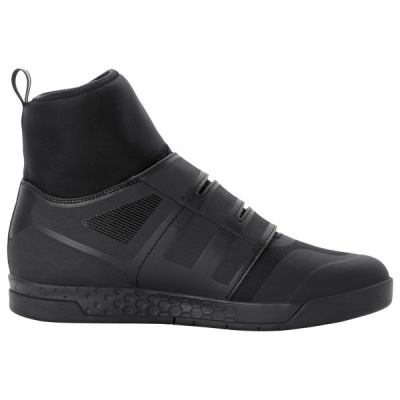
For deep winter, pairing with Vaude overshoes extends the waterproofing at the ankle and keeps cold wind off the upper - even a Sympatex shoe benefits from the extra layer when temperatures drop properly. If you're running Vaude overtrousers, tuck them over the shoe cuff rather than inside to stop water channelling straight down into the collar. Sounds obvious, but it makes a real difference on a long wet descent. Rounding out a full wet-weather kit with a Vaude rucksack keeps your dry kit accessible without faff mid-ride.
Vaude MTB & Gravel Shoes FAQs
Are Vaude MTB shoes true to size?
Generally yes - Vaude shoes fit true to size and run slightly wider in the toe box than traditional Italian brands, so most riders won't need to size up. The exception is winter: if you're planning to ride in thick waterproof socks, going half a size up gives you the room you need without compressing the fit.
What is the Vaude V-Flow index for cycling shoes?
It's Vaude's sole stiffness rating, running from 3 (flexible, suited to flat pedals and lots of off-bike hiking) up to 8 (stiff, built for efficient power transfer on XC and gravel). It gives you a straightforward way to match the shoe to your actual riding style rather than relying on vague category labels.
Are Vaude gravel shoes waterproof?
It depends on the model. Shoes with a Sympatex membrane are fully waterproof and breathable - the right choice for proper UK winters. Non-membrane models use a PFC-free Eco Finish that handles light rain and trail spray well but won't keep water out in sustained downpours. Check the spec before you buy if wet riding is the priority.