
Sidi Road Shoes
Sidi road shoes have been the footwear of choice for professional pelotons for decades, and the reasons are still as relevant on a wet Wednesday in the Peaks as they are on a sun-baked Alpine stage. Italian-made, obsessively engineered, and built to outlast several sets of bar tape, they represent a different philosophy to the disposable end of the market. Buy a pair and you're buying a platform you can maintain, repair, and keep riding for years.
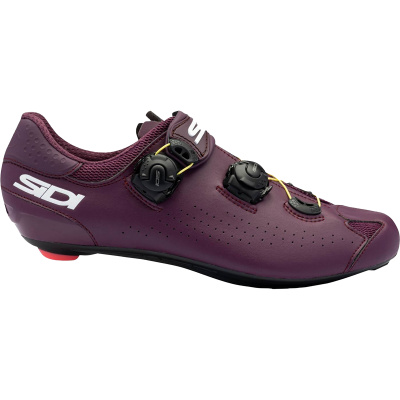
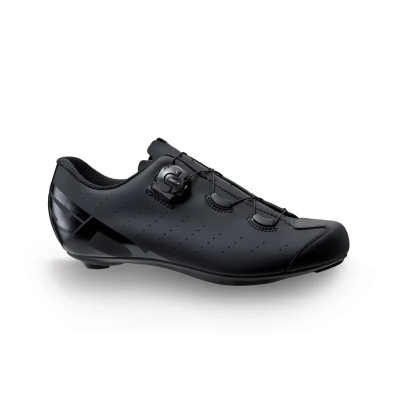
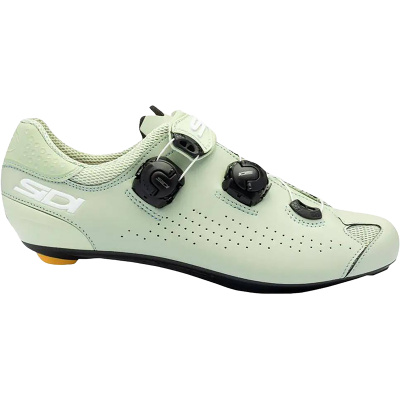
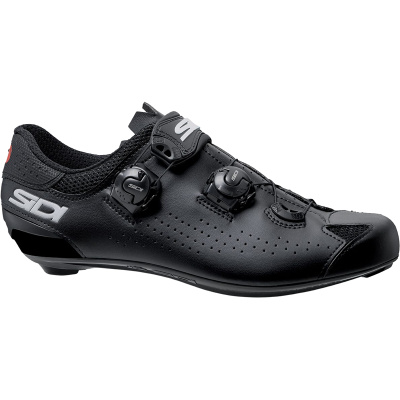
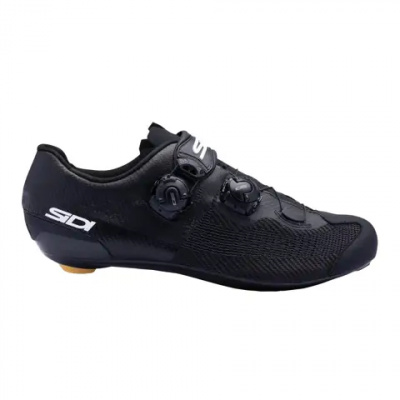
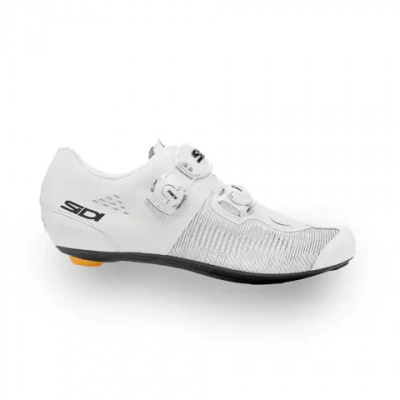
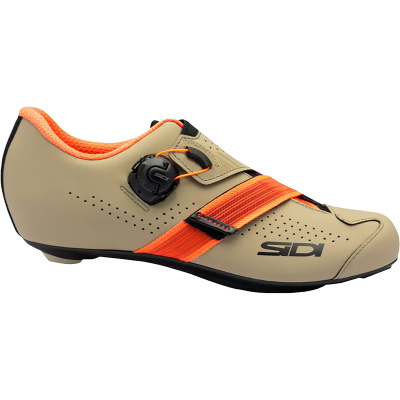
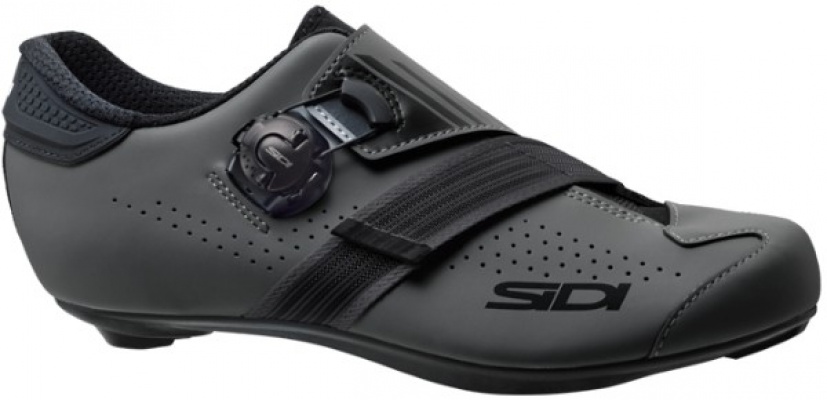
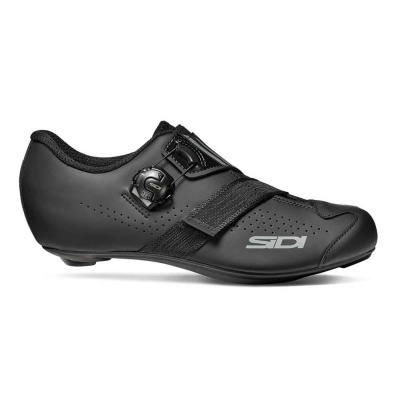
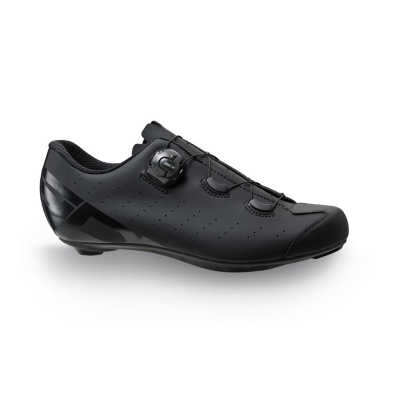
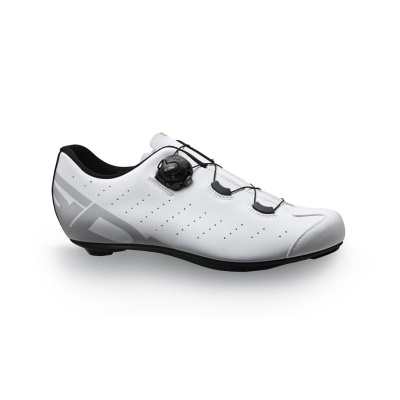
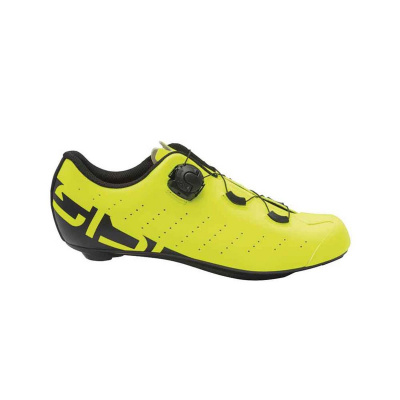
The key technologies are worth knowing before you browse. The Vent Carbon sole delivers a high stiffness index with integrated vents you can actually open or close depending on the season - genuinely useful on UK roads. The Tecno-3 Push System gives you micro-adjustable fit on the fly, without the faff of velcro that loses its grip after a winter of grit. The Adjustable Heel Retention Device locks your heel down during hard efforts so there's no slippage when you're sprinting for the café or the county boundary. Uppers are Microfibra Techpro - a synthetic leather that resists water, dries fast, and wipes clean with a damp cloth after a filthy ride. The range runs from accessible entry models through to pro-level carbon race shoes, so there's a Sidi for most riders and most budgets.
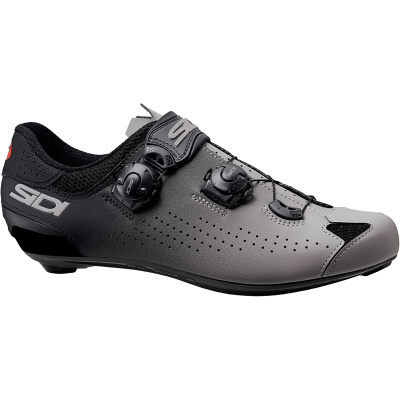
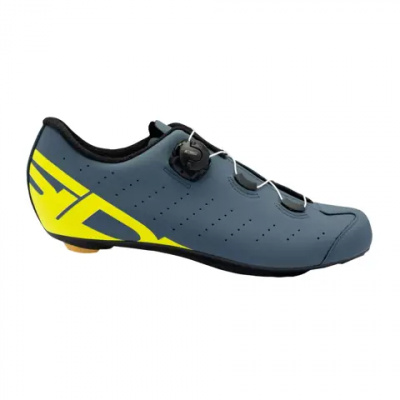
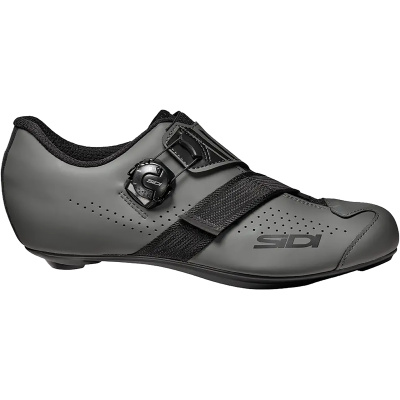
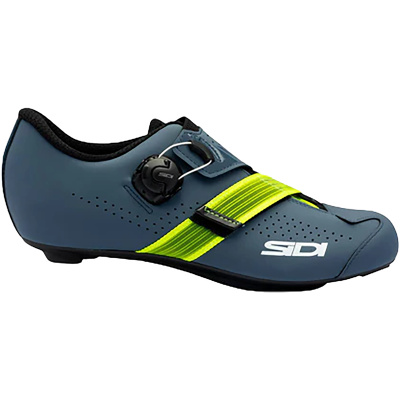
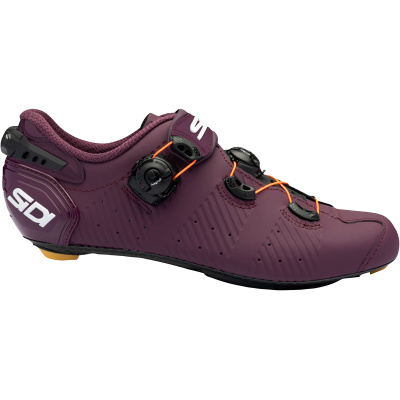
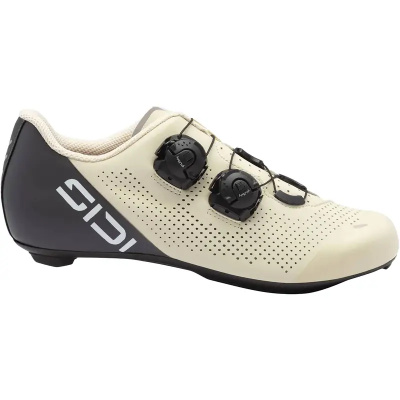
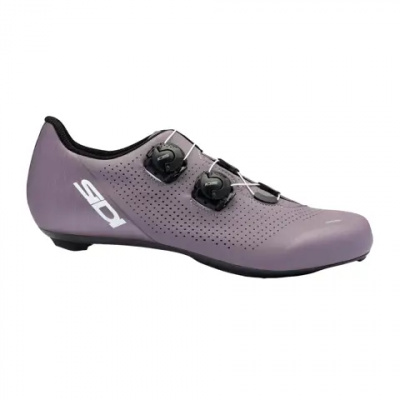
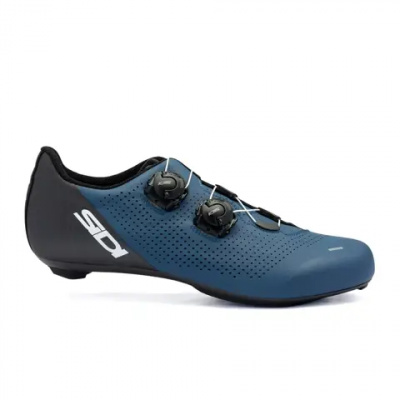
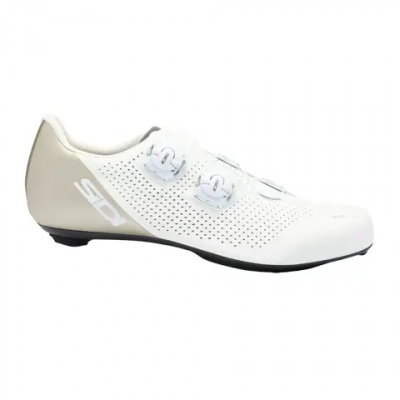
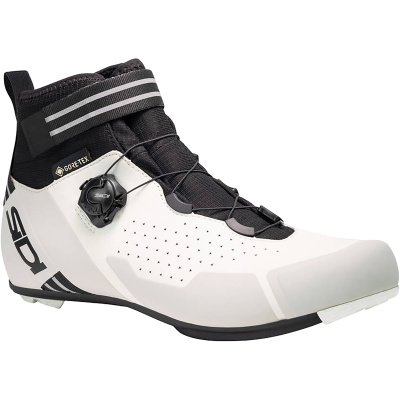
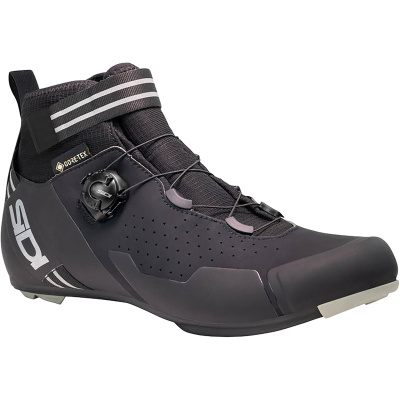
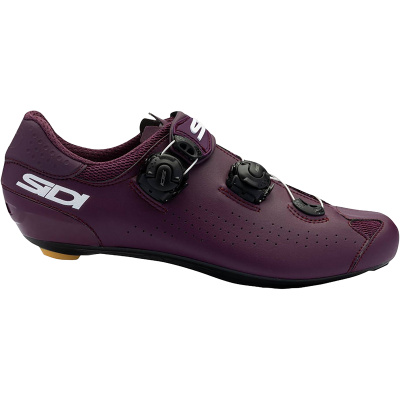
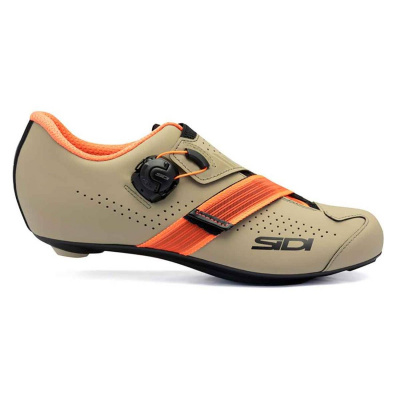
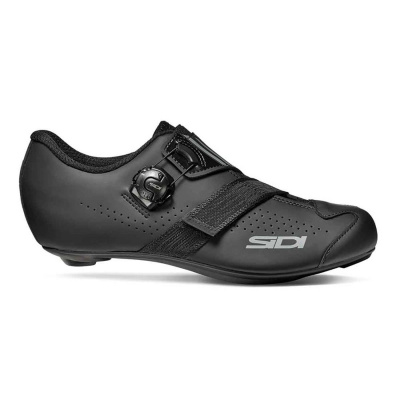
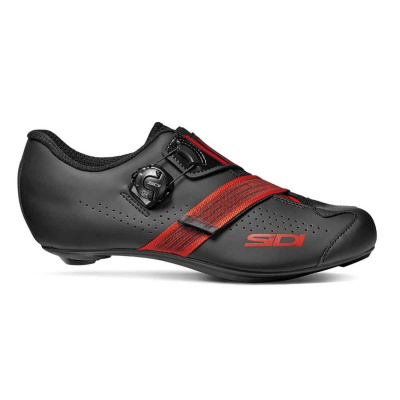
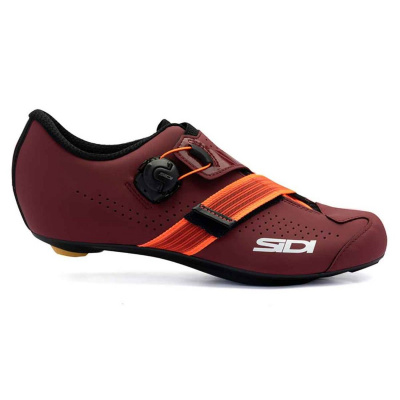
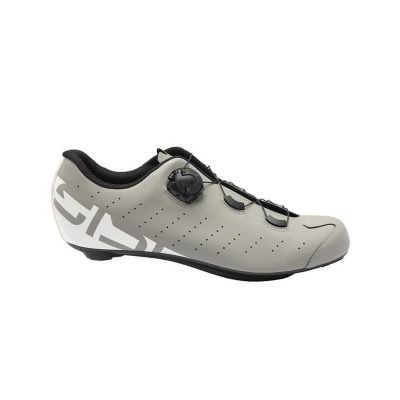
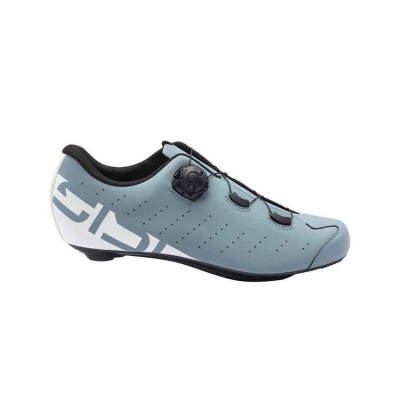
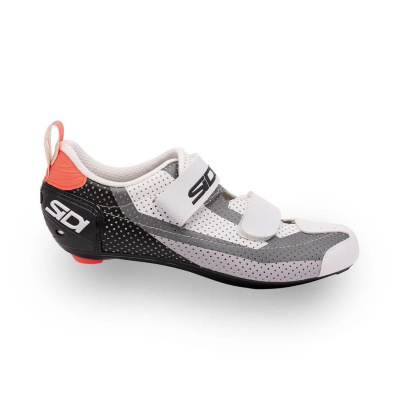
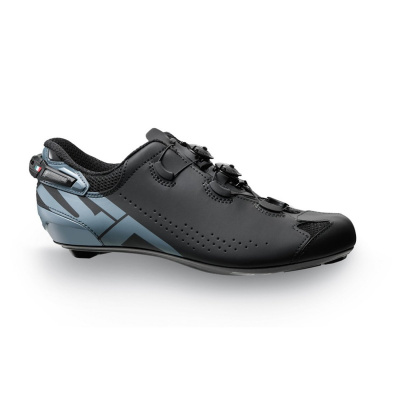
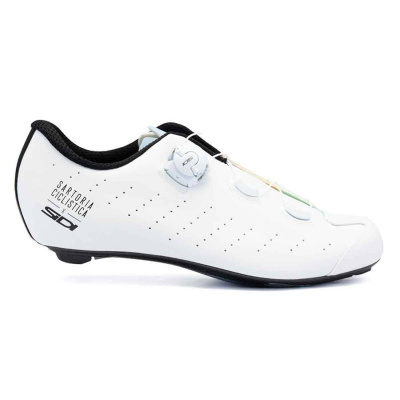
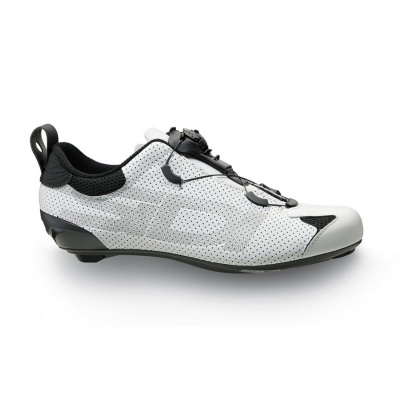
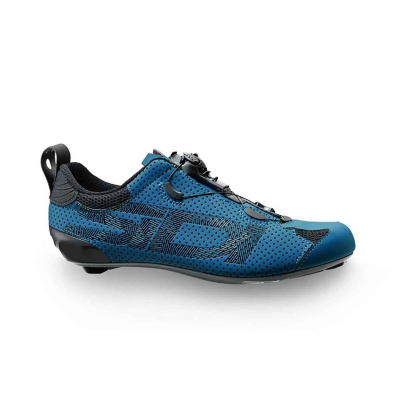
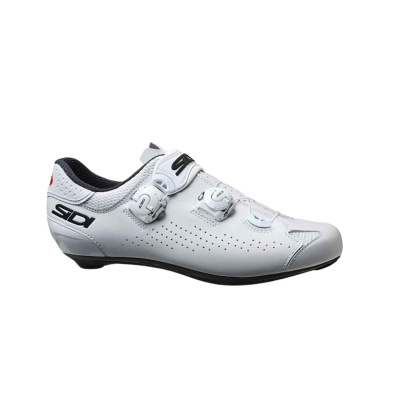
Prices and availability can change quickly. Delivery charges are not always included in listed prices.
Final price, stock status and delivery terms are set by retailer. We may receive a commission on purchases made.
How Sidi Shoes Handle UK Weather
The Microfibra Techpro upper is one of those details that sounds like marketing copy until you've tried to clean a pair of shoes after a gritty February ride. The material is water-repellent, resistant to mould, and wipes down in seconds - genuinely practical when your rides regularly end with a fine paste of road spray across everything below the knee. It's not waterproof in any meaningful sense, but it sheds light rain well and doesn't hold onto moisture the way older leather constructions can.
The Vent Carbon sole does more work than the name suggests. There's an integrated air channel at the toe that you can open for airflow on warm days or close completely with a small screw to block cold air and puddle spray in winter. For UK riding, that single feature makes the shoe genuinely four-season capable rather than a fair-weather-only purchase. Close the vents, add a neoprene overshoe, and you've got a credible cold-weather setup. The sole itself scores highly on stiffness index - power transfer feels direct and immediate, with none of the flex that bleeds energy on long climbs.
Replaceable hardware matters here too. The abrasive grit and road salt that UK winters throw at shoes chews through heel pads and straps faster than most manufacturers account for. Sidi's approach - almost every component is a Sidi shoe spare you can swap out - means you're not binning a perfectly good carbon sole because the heel pad has worn through. That's a practical advantage that adds up over several seasons.
Finding Your Sidi Fit
Sidi road shoes traditionally run with a low-volume, close-fitting last - classic Italian cut, which means snug across the instep and through the toe box. If you're coming from a more relaxed-fitting shoe, size up by half a size as a starting point. Feet that are wider across the ball will find the standard fit pinchy; Sidi's answer to that is the Mega fit designation, which appears across several models and adds meaningful width without compromising the heel fit or the structure of the upper. Worth filtering for specifically if you know you sit wider than average.
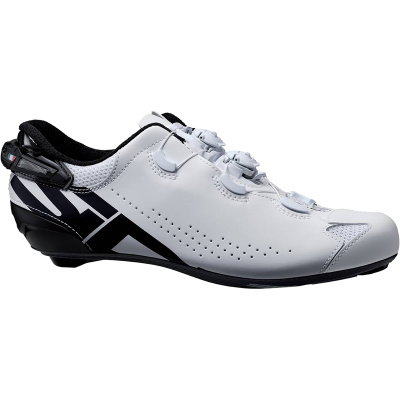
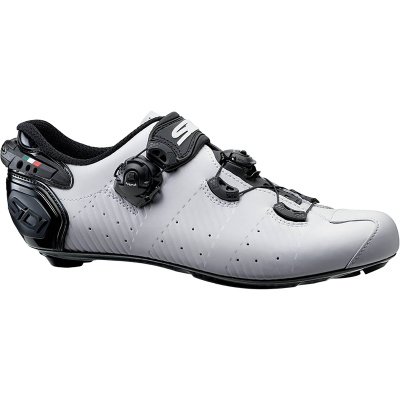
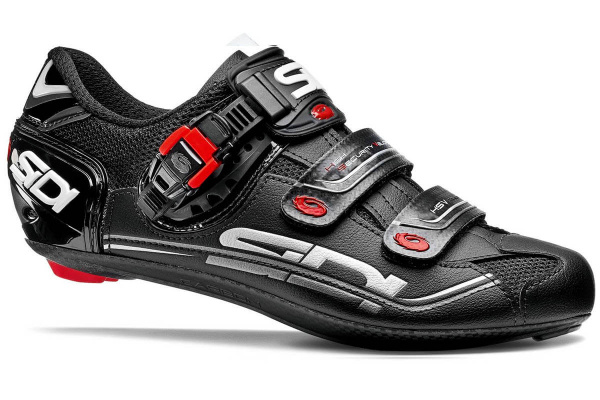
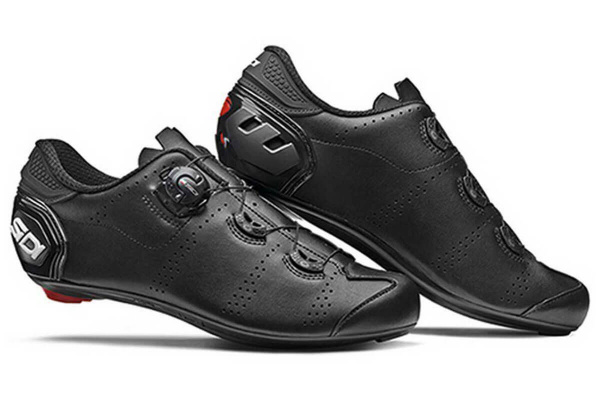
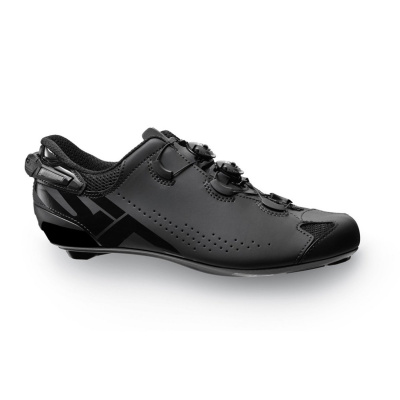
The range is broadly tiered by spec and price. The Alba and Genius sit at the accessible end - synthetic uppers, reliable closures, solid for sportive riding and regular training. Step up to the Wire and you're into a stiffer sole, more refined upper materials, and a lighter overall package that suits faster, more frequent riding. The Shot is the flagship: full carbon construction, the tightest fit tolerances, and the kind of stiffness that makes sense if you're spending serious time in the saddle at high intensity. If you're weighing up the Sidi Shot vs Wire decision, the Shot suits riders prioritising outright performance; the Wire is the more versatile daily-use option.
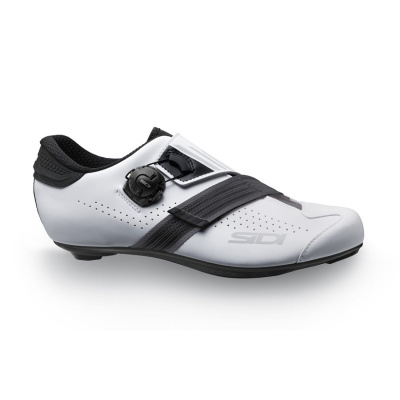
The Tecno-3 Push System runs across the mid and upper range. It's a micro-adjustable dial closure - twist to tighten, push the centre to release - and it holds tension consistently in a way that velcro simply doesn't after a few months of hard use. Mid-ride adjustments take seconds, which matters when your feet swell over a long day out. For riders considering alternatives, Fizik road shoes and Lake road shoes are worth comparing - Lake in particular if wide fit is the primary concern - but Sidi's replaceable hardware ecosystem is genuinely difficult to match.
Layering, Care, and Making Them Last
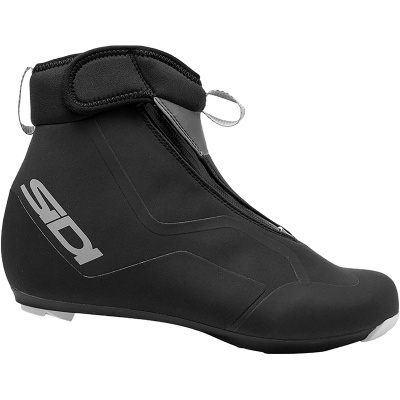
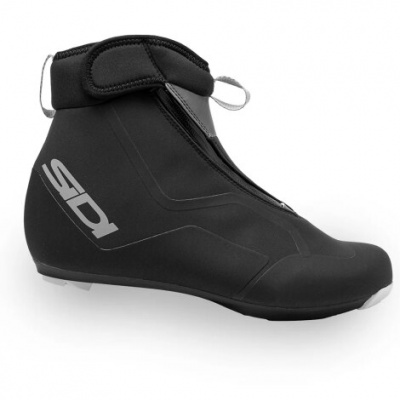
The slim profile of the Tecno-3 dials is a quiet practical win when it comes to overshoes. Most neoprene covers slip on cleanly over the closure system without the bulk or snagging you get with chunkier strap arrangements. Pair them with a well-fitting neoprene overshoe and the closed Vent Carbon sole and you've got a genuinely usable winter road setup. Toe covers work fine for shoulder-season rides; full covers for anything below five degrees and wet.
The Adjustable Heel Retention Device is worth checking periodically. It's a small component that wraps around the heel cup and can be adjusted independently of the main closure, which means you can dial out heel slip without cranking the forefoot closure tighter than is comfortable. For riders who sprint or put in hard standing efforts, it's the kind of detail that makes a real difference to how secure the shoe feels under load.
When it comes to cleat compatibility, Sidi road shoes use a standard three-bolt cleat pattern across the range, fitting Look Kéo, Shimano SPD-SL, and compatible systems. Shimano road shoes are a natural point of comparison on cleat compatibility, though the systems are interchangeable at the pedal level regardless of shoe brand. Check cleat fore-aft positioning carefully - the stiff Vent Carbon sole means cleat placement has a more direct effect on feel than it would on a more compliant base.
Cleaning is straightforward: wipe the Microfibra Techpro upper with a damp cloth after wet rides, leave to dry naturally away from direct heat, and avoid machine washing. The anti-mould properties of the upper help if shoes get stored damp, but it's not a licence to neglect them. If the Tecno-3 dials or heel pads start to show wear, replacements are readily available - browse the full range of Sidi shoe spares to keep your investment running rather than replacing the whole shoe. If you also ride off-road, it's worth knowing that Sidi carry the same engineering approach into their MTB and gravel shoe range, so the sizing and fit logic carries across.
Sidi Road Shoes FAQs
Do Sidi road shoes run small?
Yes, broadly. Sidi's traditional last is a narrow, low-volume Italian fit that tends to run around half a size small compared to standard UK street shoes. Going half a size up is a sensible starting point. If you carry more width across the ball of the foot, look specifically for models marked with the Mega fit designation - these add meaningful width without altering the heel fit.
Can you replace the dials on Sidi shoes?
Yes, and it's one of the strongest practical arguments for buying Sidi in the first place. The Tecno-3 push dials, heel pads, straps, and most other hardware components are all sold as individual spares. When a dial cracks or a heel pad wears through - and on UK roads, they will eventually - you replace the part, not the shoe.
Are Sidi Vent Carbon soles good for winter?
More versatile than the name implies. The integrated vent at the toe can be screwed shut to block cold air and road spray, making the sole genuinely usable year-round. Close the vents, add a neoprene overshoe, and you've got a capable cold-weather setup. Open them in summer for airflow. It's a simple system that works well across the range of conditions UK riding actually throws at you.