
Shimano Road Shoes
Shimano road shoes sit at the sharper end of cycling footwear - a range that runs from dependable entry-level options right through to the shoes you'll spot on WorldTour pelotons. What ties the whole line together is Shimano's proprietary Dynalast technology, which optimises the toe-spring angle so your foot works with the shoe rather than fighting it. Less tension through the upstroke, cleaner power into the pedal. That matters whether you're grinding up the Bealach na Bà or putting in a three-hour chain-gang effort on the flat.
The range is structured around a clear stiffness index - a number from 1 to 12 that tells you exactly how rigid the sole is. Entry-level shoes sit around index 6, built for comfort and all-day riding. The flagship S-Phyre sits at 12, designed for riders who want every watt accounted for. In between, you've got plenty of ground covered. Shimano also offers dedicated Wide fit versions across the range - genuinely useful if you're riding in thicker merino socks through the shoulder seasons or simply have a broader foot that a standard race last won't accommodate. Proper fit matters more than most riders give it credit for.
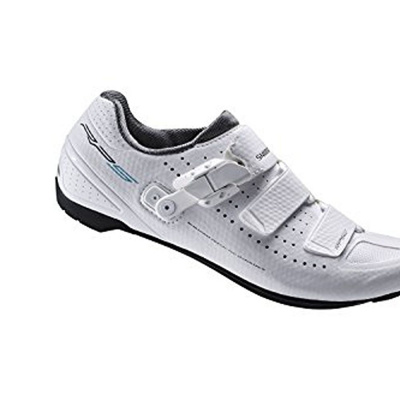
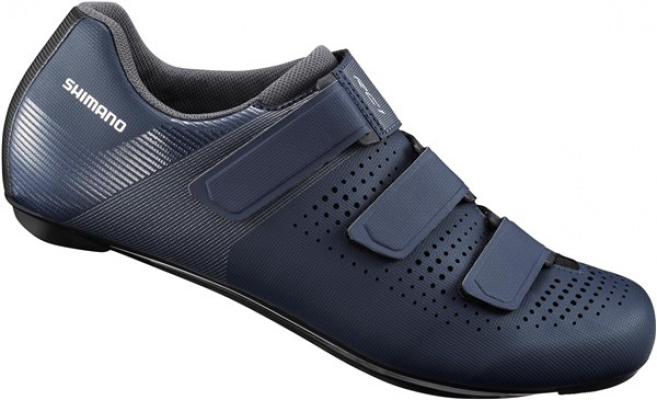
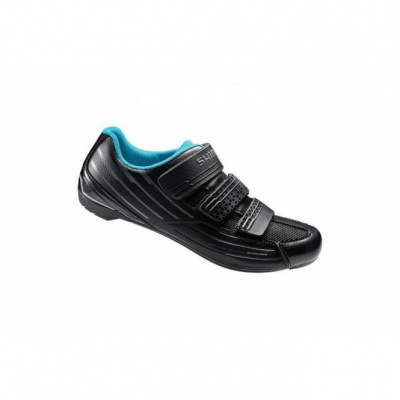
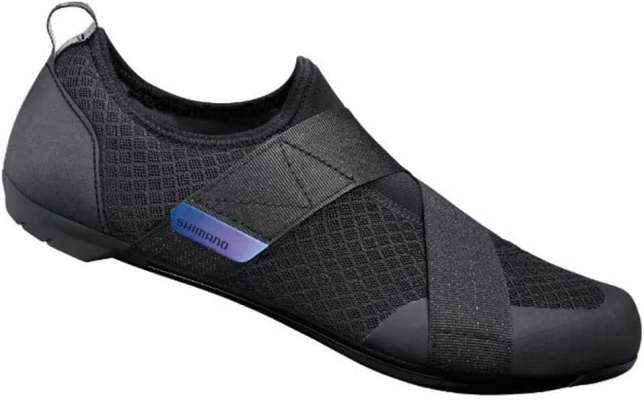
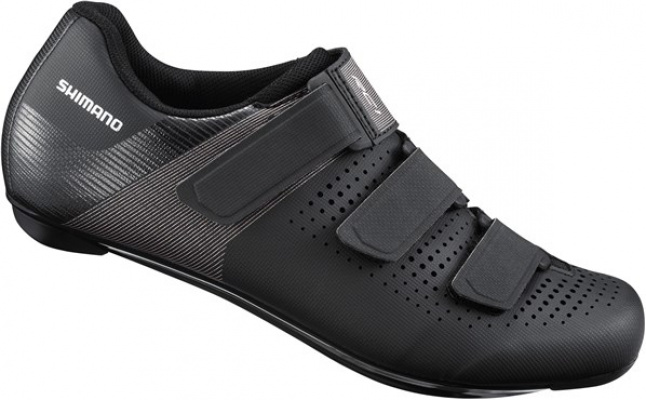
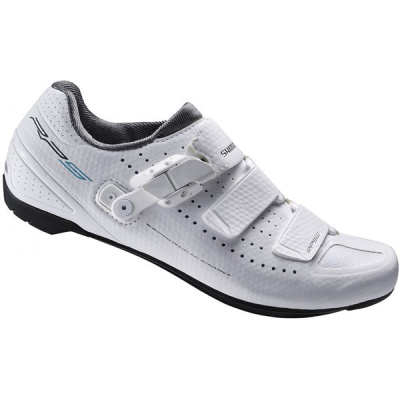
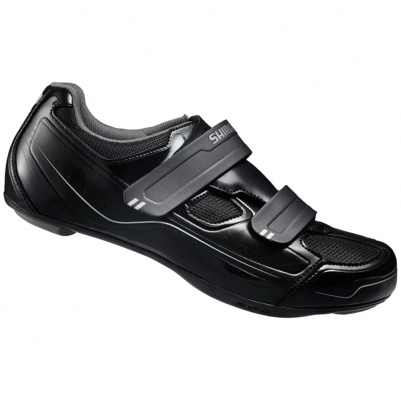
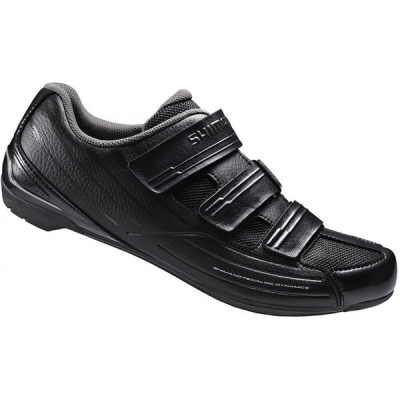
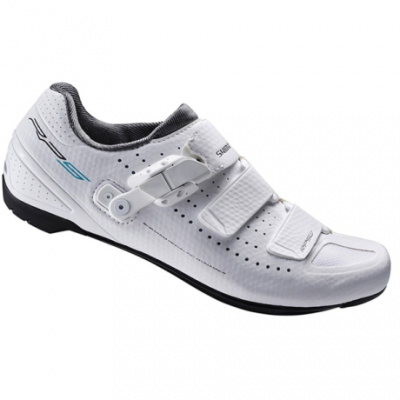
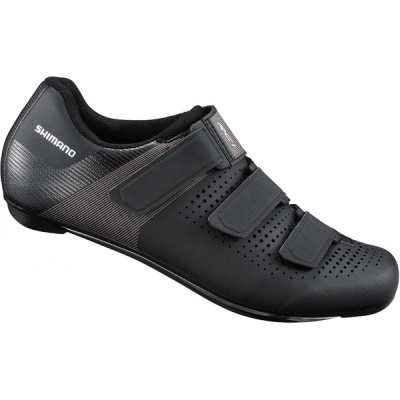
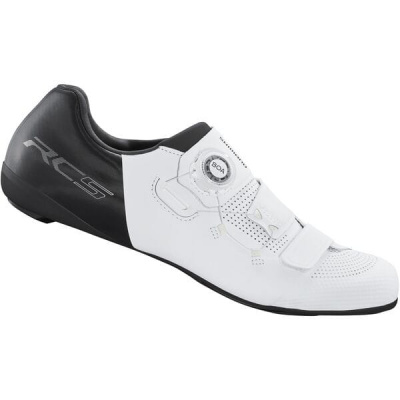
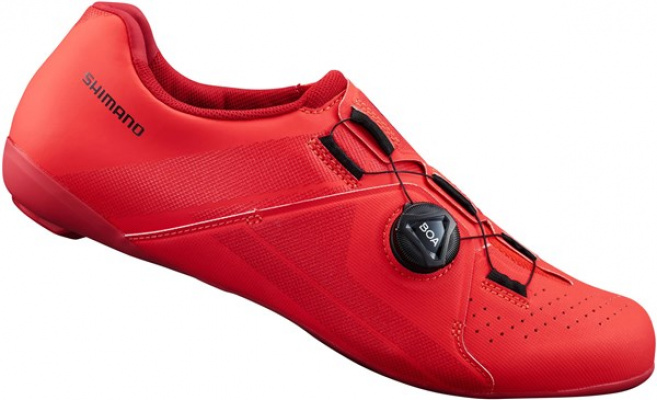
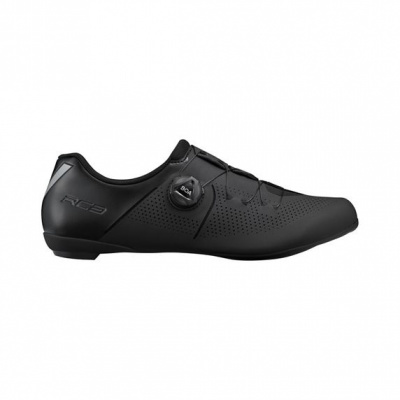
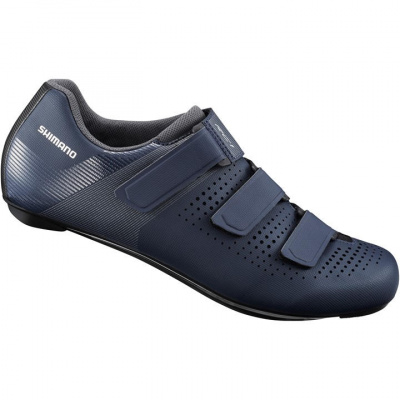
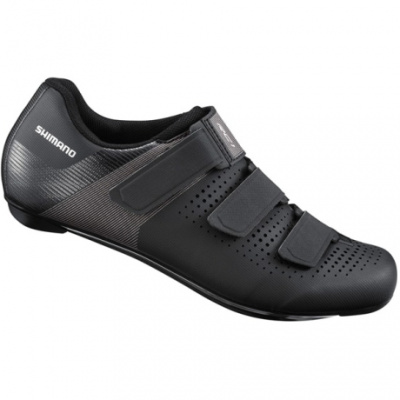
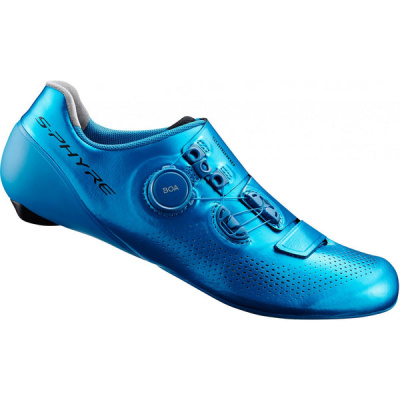
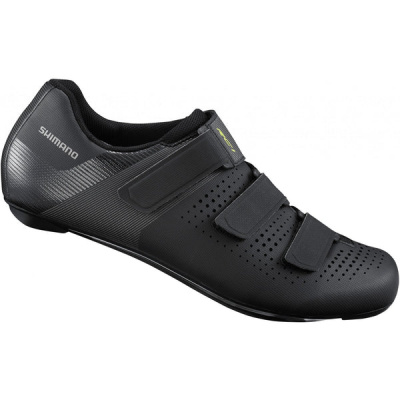
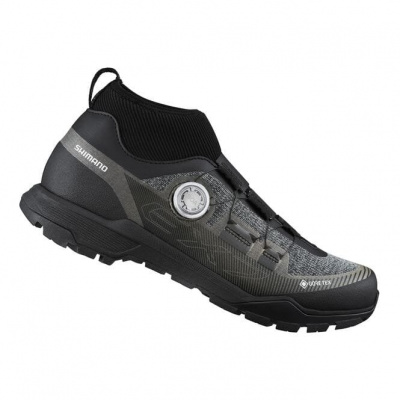
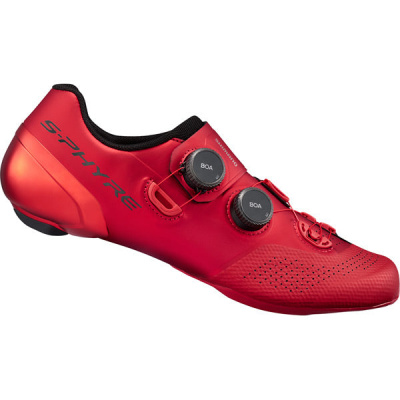
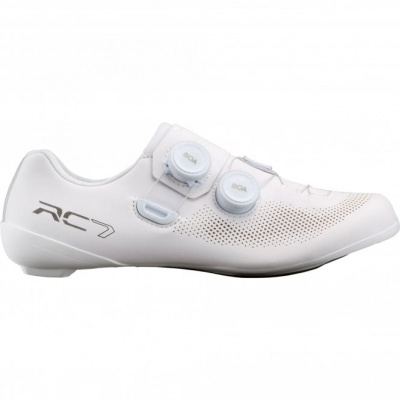
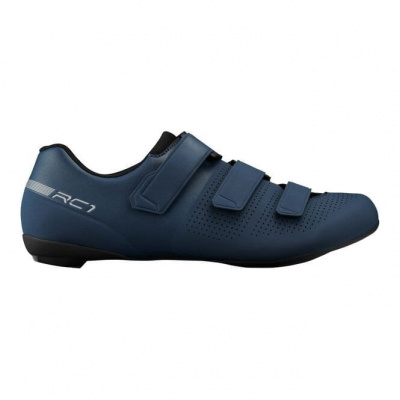
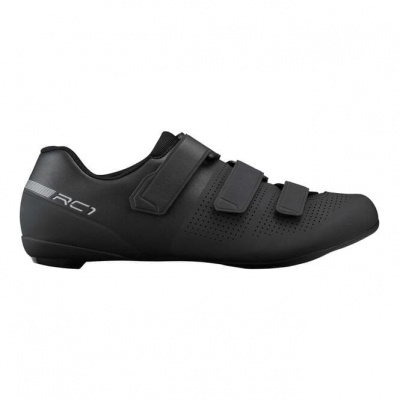
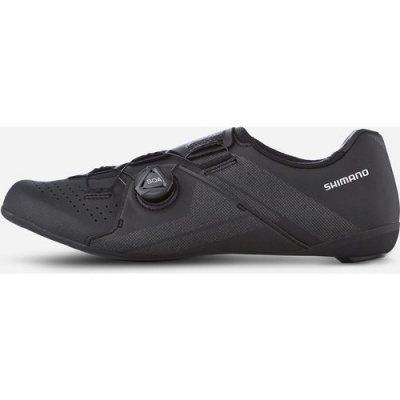
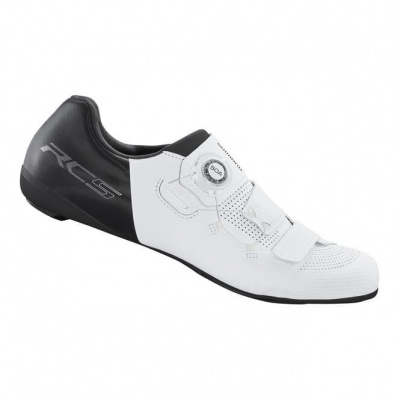
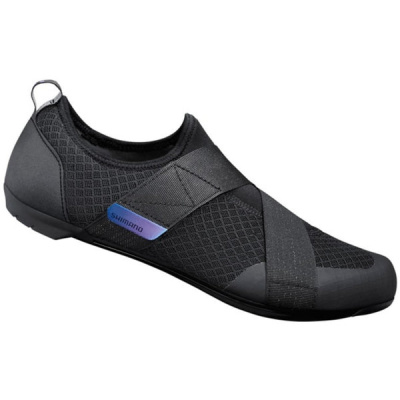
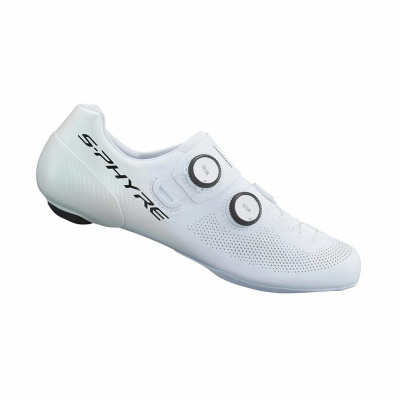
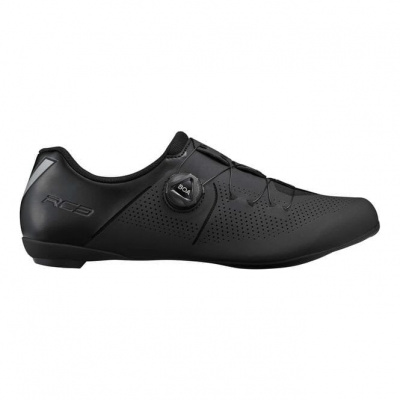
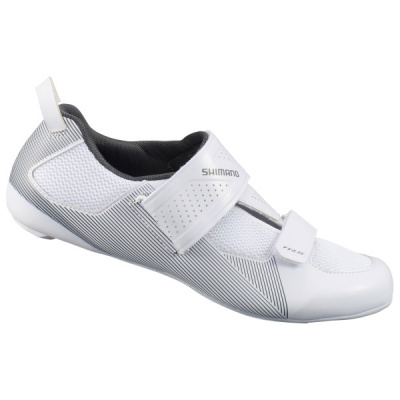
Prices and availability can change quickly. Delivery charges are not always included in listed prices.
Final price, stock status and delivery terms are set by retailer. We may receive a commission on purchases made.
Sole Technology and Power Transfer
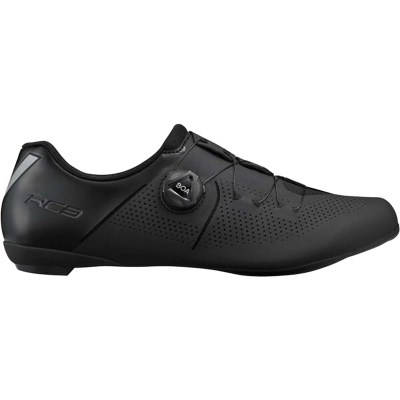
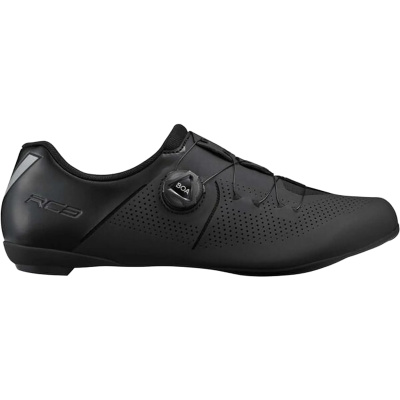
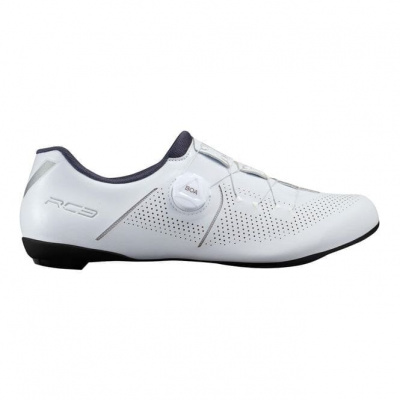
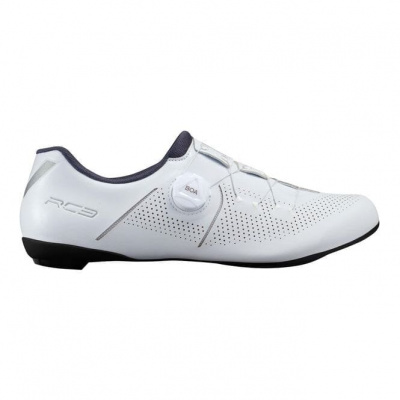
The stiffness index is Shimano's way of cutting through the noise. Rather than vague claims about carbon construction, they put a number on it - 6 at the entry end, 12 at the top. At index 6 and 8 (the RC3 and RC5), you get a carbon-reinforced nylon sole: stiffer than a standard plastic base, forgiving enough for longer sportive efforts where foot fatigue becomes a real issue by hour four. Step up to the RC7 and RC9 S-Phyre and you're into hollow carbon outsoles - a construction that sheds weight and opens up ventilation channels simultaneously, so your feet aren't cooking on a warm day in the Cotswolds.
Dynalast is worth understanding properly. It's not just a name on a spec sheet. The optimised toe-spring section means the shoe's geometry mirrors how your foot naturally moves through the pedal stroke. The result is reduced muscular braking - the small but cumulative energy loss that occurs when your calf and hamstring work against an awkward sole angle. On a two-hour ride you might not notice. Over a five-hour sportive, the difference in leg freshness is measurable. It's one of the reasons Shimano Shimano carbon road cycling shoes at the RC7 level and above have a genuine performance case, not just a price-point one.
All Shimano road shoes use a standard 3-bolt cleat pattern, compatible with Shimano SPD-SL cleats as well as Look Keo and Time Xpro systems. Worth knowing before you buy if you're switching from a different system.
The RC Range - Who Each Shoe Is Actually For
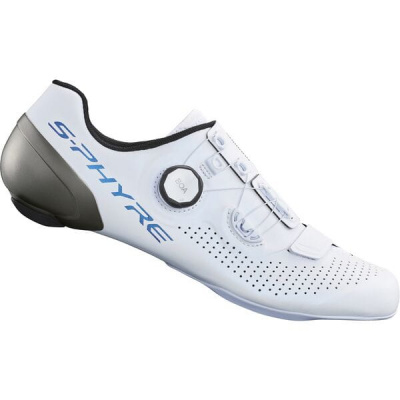
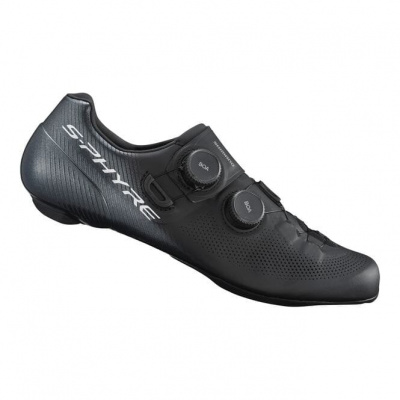
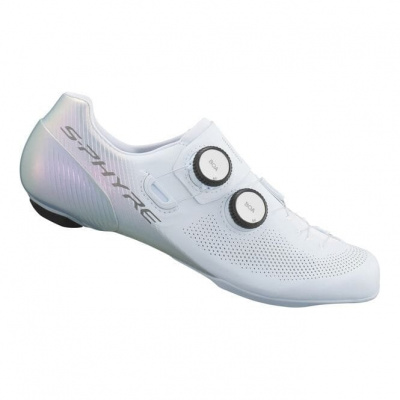
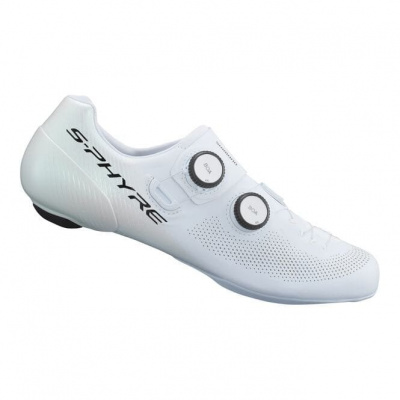
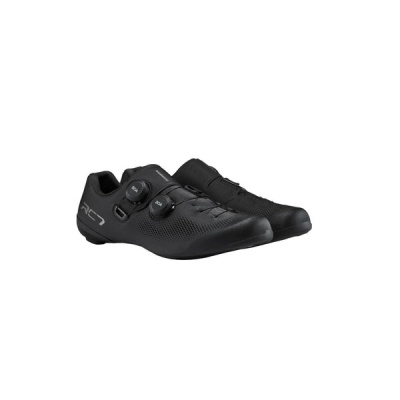
The RC9 S-Phyre is Shimano's benchmark road shoe. Stiffness index 12, hollow carbon sole, dual BOA Li2 dials for independent instep and forefoot adjustment, and the Surround Wrapping Upper - a seamless one-piece construction that wraps the foot like a second skin rather than a stitched assembly of panels. It's a shoe built for racing and sustained high-output efforts. If you're chasing marginal gains at a club TT or targeting a gran fondo PB, this is the shoe the data supports.
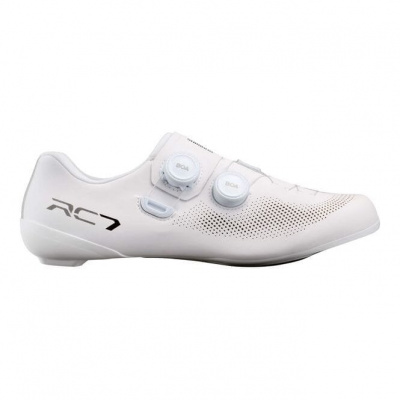
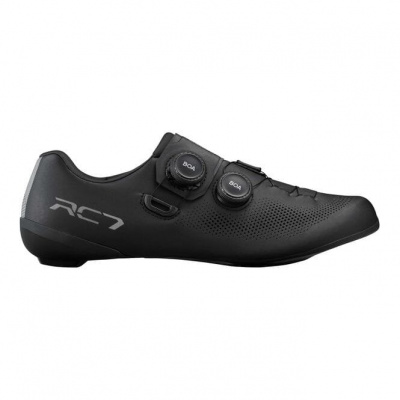
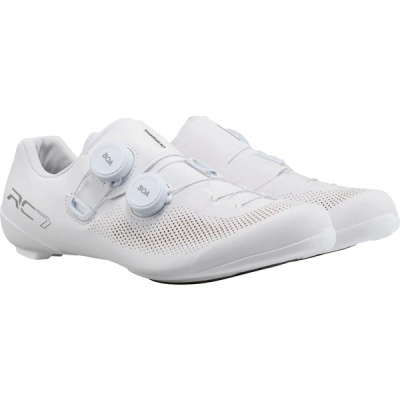
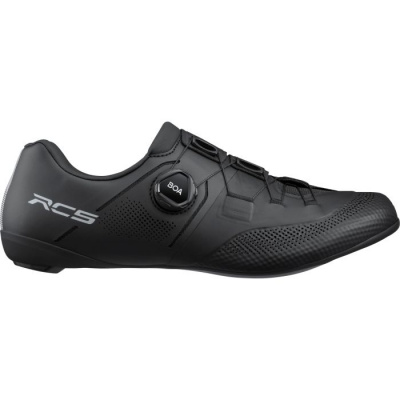
The RC7 is where most competitive club riders land, and with good reason. Stiffness index 10, full carbon sole, dual BOA dials - it delivers the performance fundamentals at a more accessible price. The Shimano RC7 vs RC5 comparison comes down to this: the RC7's carbon sole and twin-dial system give you more precise on-the-fly adjustment and a stiffer platform for harder efforts, while the RC5 trades some of that rigidity and closure precision for a more comfortable ride character and a lighter hit on the wallet. Neither is a compromise in its own context.
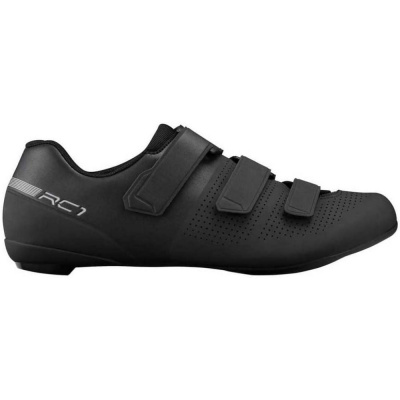
The RC5 and RC3 serve riders doing longer, lower-intensity miles - sportives, touring, weekend club runs - where comfort over distance matters as much as peak stiffness. The RC3's carbon-reinforced nylon sole at index 6 is genuinely comfortable for five-plus hours in the saddle. Both models are available in Shimano's Wide fit, which is worth considering if a standard racing last has ever left your toes numb on longer efforts.
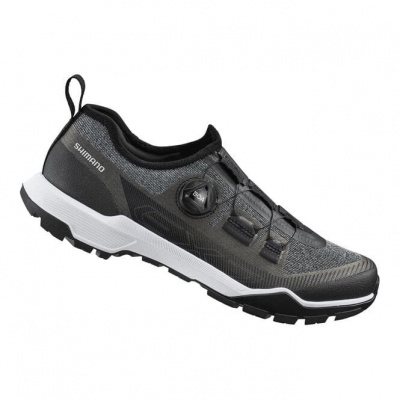
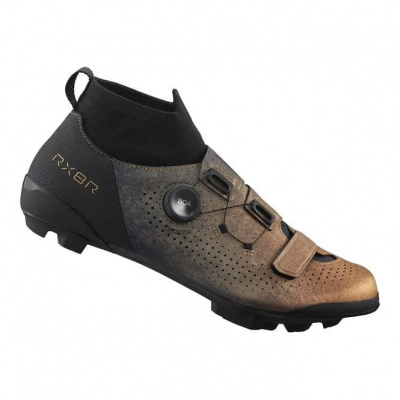
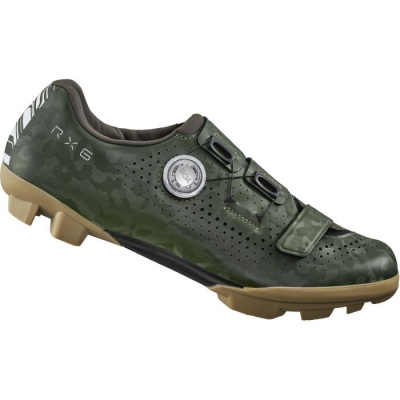
One note: this page covers road shoes only. If you're after shoes for gravel or trail riding, Shimano's off-road range is a different conversation - head to our MTB and Gravel Shoes section for those options. And if you're sorting cleat hardware to go with a new pair, our Shimano Cleats page covers the full SPD-SL range. If you're deciding between Shimano and other road footwear specialists, Fizik road shoes and Sidi road shoes are worth a look for comparison - both offer distinct fit philosophies that suit different foot shapes.
Fit, Fastening and Riding in the UK
The Surround Wrapping Upper on the higher-end models is noticeably different to a standard stitched upper when you pull it on. There are no pressure points from seams, and the fit has a locked-in quality that doesn't loosen mid-ride. Lower down the range, synthetic leather panels do a solid job - and they're practical in a way that genuine leather isn't. After a gritty winter ride through wet Kent lanes, a quick wipe-down is all they need. No conditioning, no fuss.
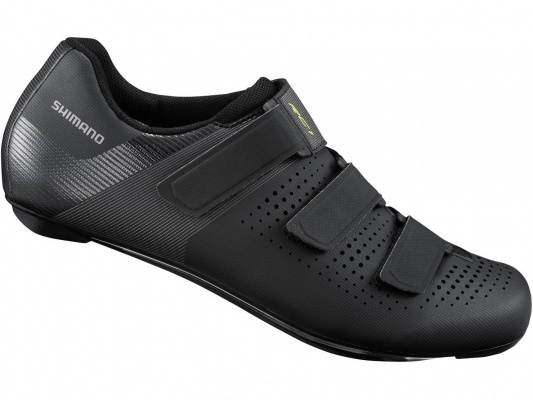
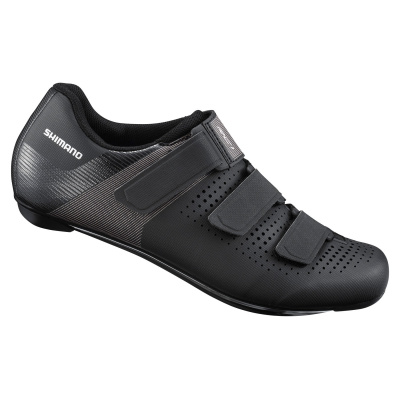
BOA Li2 and L6 dials give you micro-tension adjustment on the fly - a half-turn of the dial while rolling is enough to account for foot swell on a long climb. The L6 dial, used on the RC7 and above, offers a wider adjustment range and a more positive click feel. Entry-level models use a single dial or velcro strap combination, which works well enough but doesn't match the precision of a twin-dial setup if you're the sort of rider who likes to fine-tune mid-ride.
The ventilation built into the hollow carbon soles breathes well on summer days, but it's worth pairing with a decent set of Shimano overshoes once the temperature drops or the roads turn wet - the low-profile design integrates cleanly with most overshoe cuts. Pair that with Shimano cycling socks and you've got a system that works across seasons rather than just the sunny months. If you're comparing against other road shoe options at a similar price point, Specialized road shoes offer a different last shape that suits some riders better - worth trying both if you can.
Wide fit versions across the range aren't just a cosmetic tweak. The last is genuinely broader through the forefoot, which makes a real difference if you've ever finished a ride with the outside of your foot aching from a shoe that was too narrow. Sizing up doesn't solve that problem - it just creates heel slip. The Wide version is the right fix.
Shimano Road Shoes FAQs
Do Shimano road shoes run small?
Shimano road shoes generally come up true to size, but the toe box is cut for a snug, race-oriented fit. If you've got broader feet, go for the dedicated Wide version rather than sizing up - a longer shoe won't fix a narrow last, and you'll end up with heel slip instead of solving the width issue.
What is the difference between Shimano RC5 and RC7?
The RC7 runs a full hollow carbon sole at stiffness index 10 and uses dual BOA dials for independent adjustment at the instep and forefoot. The RC5 steps down to a carbon-reinforced nylon sole at index 8 with a single BOA dial - slightly more forgiving for longer rides and easier on the budget, but less precise under hard efforts.
What cleats do Shimano road shoes use?
Shimano road shoes use a standard 3-bolt cleat pattern, compatible with Shimano SPD-SL, Look Keo, and Time Xpro cleats. They won't accept 2-bolt SPD mountain bike cleats without an adapter. If you're switching cleat systems, check our Shimano Cleats page for compatible hardware.