
Scott Road Shoes
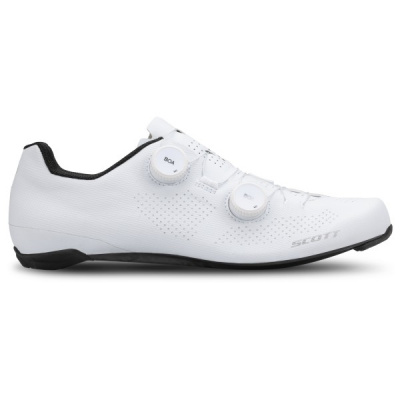
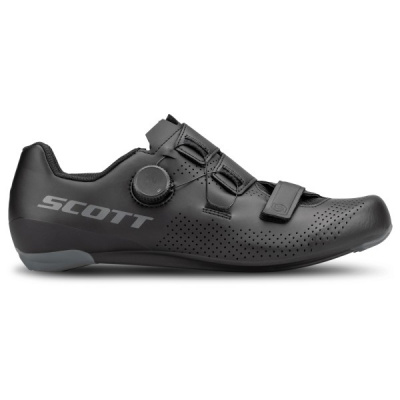
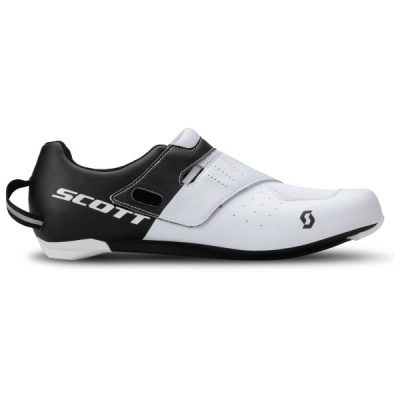
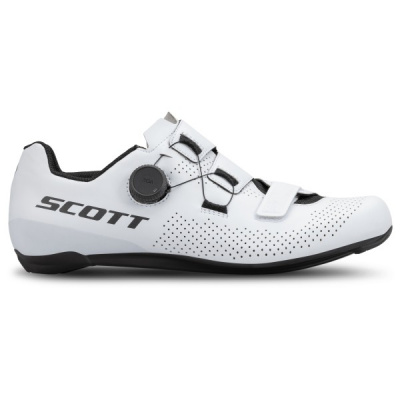
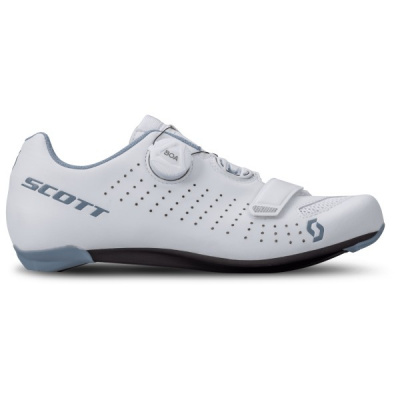
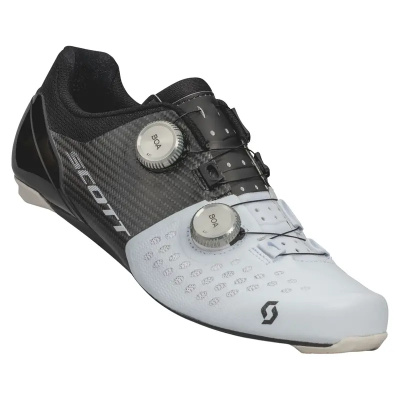
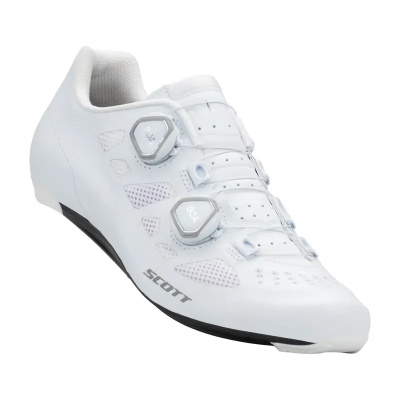
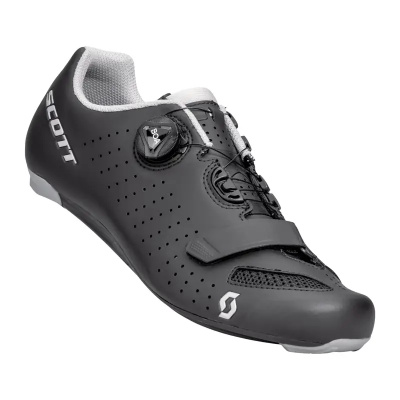
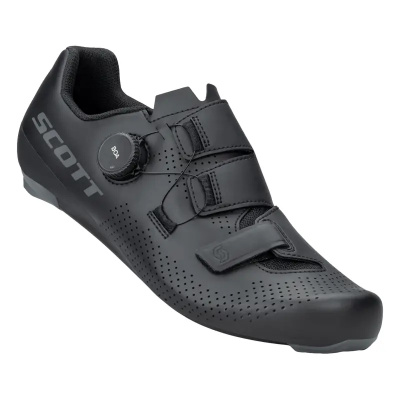
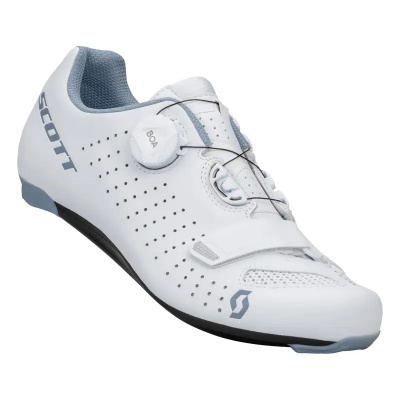
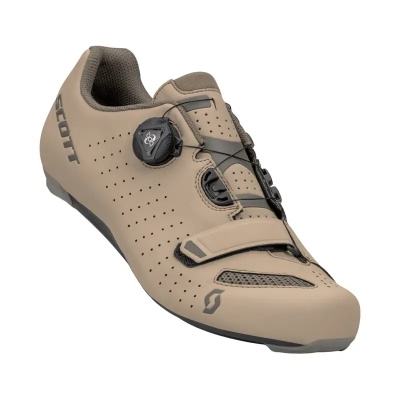
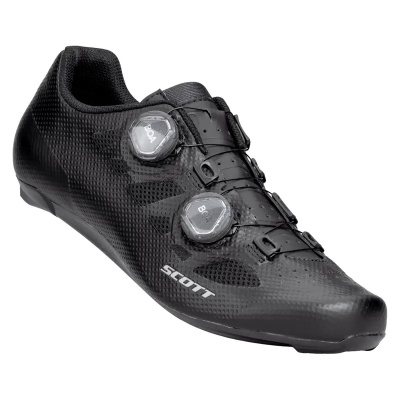
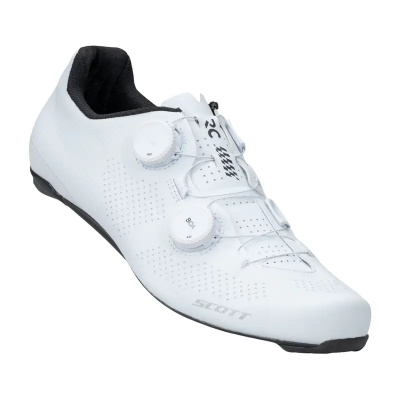
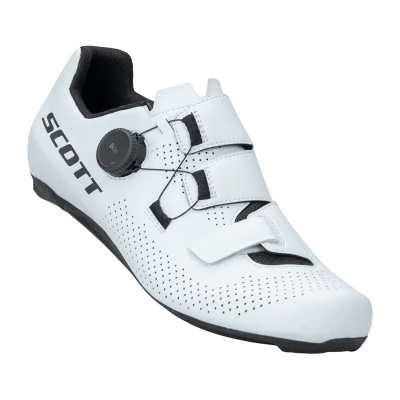
Scott road shoes sit at the sharp end of road footwear - a range that runs from featherweight race weapons to all-day endurance companions, all built around the same core idea: get every watt to the pedal. The lineup uses HMX carbon outsoles, micro-adjustable BOA Fit System dials, and the brand's own ErgoLogic insole to dial in fit with a precision that most shoes at this price point simply don't offer. Whether you're chasing a club-run KOM or grinding out a sportive in the Cotswolds, there's a Scott model built around your riding style. The RC series targets riders who want a stiffness index of 10 and zero flex under load - serious race shoes that don't mess about. The Comp and Active lines bring that same fit philosophy with a little more give underfoot, which your feet will appreciate on a four-hour ride. All models are 3-bolt cleat compatible, and the wrap fit construction means the upper moulds close to your foot rather than leaving dead space. Quick-drying microfiber upper materials also mean an unexpected shower on the A-roads won't leave you squelching for the rest of the ride. Scott road cycling shoes are a considered choice - here's how to pick the right pair.
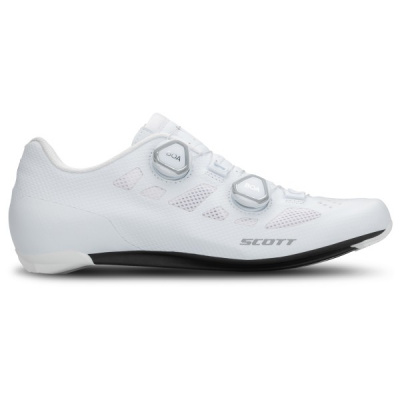
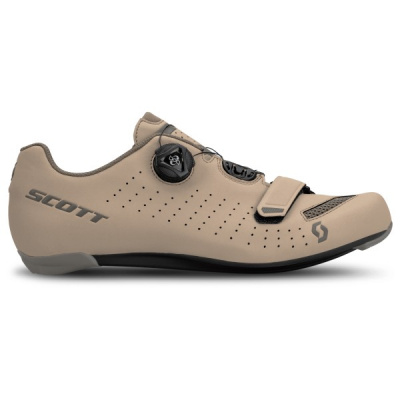
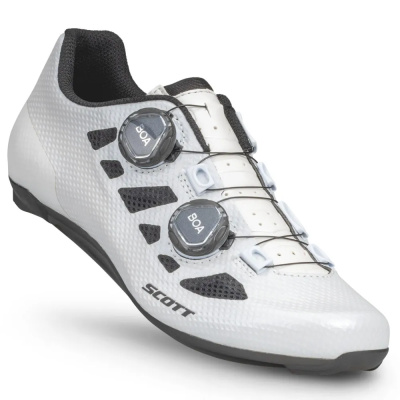
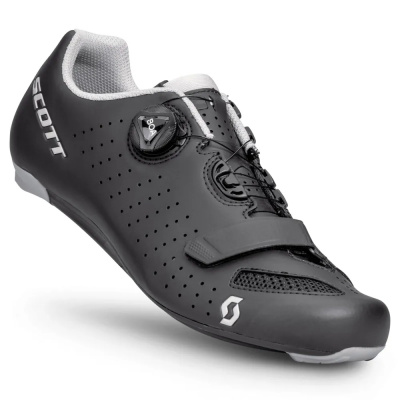
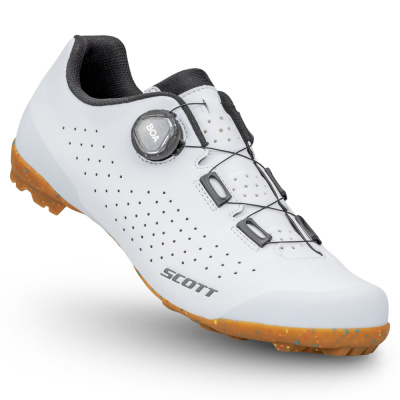
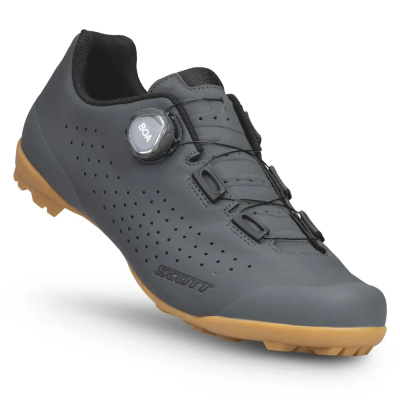
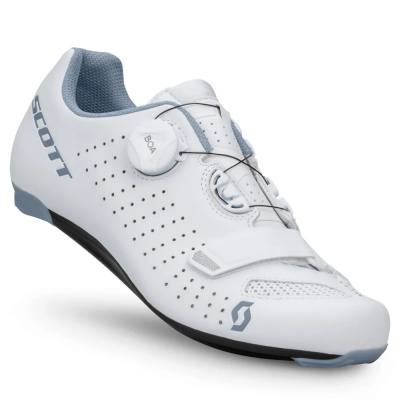
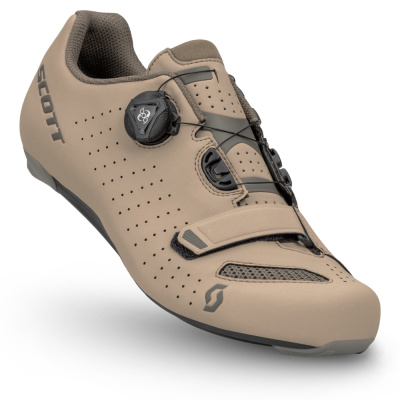
Prices and availability can change quickly. Delivery charges are not always included in listed prices.
Final price, stock status and delivery terms are set by retailer. We may receive a commission on purchases made.
Carbon Soles, Carbitex Uppers, and What They Actually Do
The outsole is where Scott separates the models most clearly. HMX carbon - the stiffer, higher-modulus variant - tops out at a stiffness index of 10, meaning there's effectively no flex between your foot and the pedal axle. Every micro-surge out of a roundabout or dig up a sharp pitch transfers cleanly. The HMF carbon outsole steps down slightly in stiffness (index around 8), which suits riders who want strong power transfer without the unforgiving ride feel that full-race carbon can produce over longer miles. Think of the difference as similar to comparing a race tyre at 110psi versus a long-ride setup at 90psi - both work well, just for different purposes.
At the top of the range, Scott uses a Carbitex carbon fibre upper - a flexible carbon material that wraps the foot without stretching. Zero stretch means your heel doesn't lift and your forefoot doesn't splay under load. The Wrap Fit technology builds on this by shaping the upper to follow the natural contour of your foot rather than relying purely on lace tension or strap pressure to take up slack. The result is a fit that feels locked in without being constrictive - useful when your feet swell slightly on warm days or long efforts. The microfiber uppers used across the range dry quickly after a soaking, which matters more in the UK than it might elsewhere. A summer ride in the Chilterns can turn damp without much warning, and a shoe that sheds moisture rather than holding it is simply more comfortable to finish the ride in.
Ventilation channels are cut into the outsole and upper on performance models, moving air through the shoe on climbs without creating the kind of open structure that lets cold air flood in on fast descents. It's a sensible balance for a country where July can still feel like April by the top of a hill.
The RC and Comp Lines: Choosing Your Scott
Scott's road shoe range is essentially a ladder of stiffness and weight, with the RC (Racing Concept) models at the top and the Active line at the entry point. The RC shoes are built for riders who prioritise performance above all else - low weight, maximum stiffness index, and a snug last that assumes you're wearing thin race socks. They suit criterium riders, road racers, and anyone whose priority is not losing a single watt. If you're comparing this end of the market, Specialized road shoes and Shimano road shoes offer comparable stiffness at this level, though Scott's Wrap Fit gives the RC a noticeably different feel around the midfoot.
The Comp models use HMF carbon outsoles and a slightly more forgiving upper volume - better suited to endurance riding, sportives, and riders whose feet don't conform neatly to a race last. The Active line brings a nylon-reinforced sole (stiffness index around 6) and more relaxed fit geometry, which makes sense for riders building miles or spending time in the saddle rather than chasing pace.
The ErgoLogic insole system runs across the range and is worth understanding before you buy. It comes with interchangeable arch and metatarsal support pads attached by Velcro beneath the footbed. Swapping these out lets you adjust the amount of arch support and the pressure distribution across your forefoot - particularly useful if you've ever experienced numbness or hot spots on longer rides. It's a customisation step that most riders skip, then immediately wish they hadn't once they try it. The BOA Li2 and IP1 Fit Systems on upper-range models offer genuine micro-adjustability mid-ride - one click at a time, without stopping. Fizik road shoes use a similar dial approach, though BOA's IP1 ratchet mechanism feels particularly positive under gloved fingers on a cold morning.
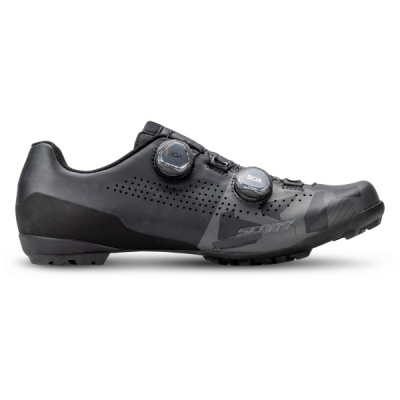
If your riding takes you off tarmac - mixed gravel loops, bridleways, or trail days - Scott's road shoes aren't the right tool. For those rides, it's worth browsing the dedicated MTB and gravel shoe options separately, where sole grip and walkability become part of the equation.
Fitting Scott Shoes Into UK Winter Riding
One practical advantage of Scott's road shoe design is how cleanly the upper profiles work with overshoes. The low-profile BOA Fit System dials sit close to the upper rather than protruding, which means neoprene or Lycra overshoes pull on without snagging or distorting the fit. That's not a given across all road shoe brands - some dial positions make overshoe fitting genuinely awkward in the cold with numb fingers. Scott's also worth pairing with a thermal base layer on those days when the temperature drops fast after dark.
Looking after the shoes properly extends their life considerably. Wipe microfiber uppers down with a damp cloth after muddy or gritty rides - road spray carries fine particles that work into the upper stitching over time. Keep BOA dials clear of grit by giving them a quick brush out; a blocked dial mechanism is usually just debris rather than a mechanical failure, and BOA does replace dials free of charge if they do fail. Dry the shoes naturally at room temperature. Placing carbon-soled shoes directly on a radiator or near a heat source can soften the adhesive that bonds the outsole layers - it's the kind of thing that won't show immediately but will matter later in the shoe's life. Stuff them loosely with newspaper to hold shape while drying and you're sorted.
For winter riding where the mercury drops properly, the slim upper profile of Scott's road shoes makes them one of the easier options to layer up. If you need dedicated cold-weather protection beyond overshoes, it's worth looking at the full range of cycling overshoes available on Bikesy to find what works with your specific model.
Scott Road Shoes FAQs
Are Scott road shoes true to size?
Generally, yes - Scott road shoes run true to size. The Wrap Fit construction is snug by design, so if you have wider feet or plan to wear thicker socks through autumn and winter, go half a size up. If you're between sizes, the BOA system gives enough micro-adjustment to fine-tune the fit once the shoe is on.
What is the stiffness index on Scott cycling shoes?
Scott's stiffness index runs from 6 to 10. A 6 uses a nylon or fibreglass sole - comfortable for long days and casual riding. A 10 means full HMX carbon with zero measurable flex, which is what elite racers and hard club riders want. Most endurance riders land happiest around 8, where the HMF carbon sole gives strong power transfer without punishing your feet over four hours.
How do I adjust the ErgoLogic insole in Scott shoes?
The ErgoLogic insole has interchangeable arch and metatarsal support pads held in place by Velcro. Peel them back, swap to a higher or lower profile pad depending on your arch height, and press them back down. It takes about two minutes and makes a real difference if you suffer from forefoot numbness or arch fatigue on longer rides.