
Unknown Road Tyres
[Brand] road bike tyres cover the full spread - from razor-thin race rubber that'll have you chasing Strava segments on dry summer tarmac to heavily reinforced tubeless-ready casings built to handle the broken glass and wet flint that litter UK roads through winter. Tyre choice is probably the most cost-effective performance change you can make to any road bike, and getting it right matters more here than in most countries, given what British roads throw at you.
The range splits broadly into two camps. At one end you've got high-TPI, low-rolling-resistance race tyres - featherlight, supple, fast. At the other, endurance and all-season options with thicker rubber, edge-to-edge puncture protection belts, and tubeless-ready bead profiles that work with modern hookless rims. Both have their place; it depends entirely on how and where you ride.
Whether you're on smooth sportive roads, grinding out winter miles on chip-seal country lanes, or commuting through city grime, there's a compound and casing width here to match your rims, your frame clearance, and your riding style. Browse the grid below and use the guide underneath to work out exactly which tyre is right for you.
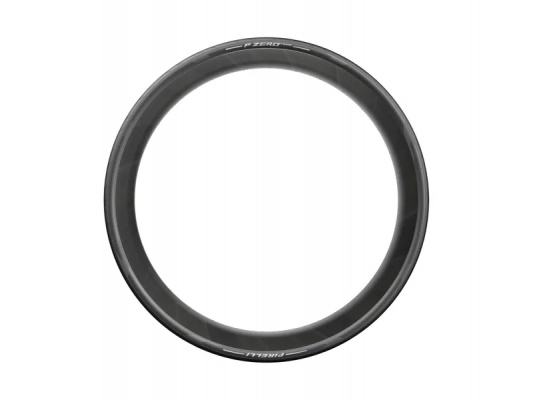
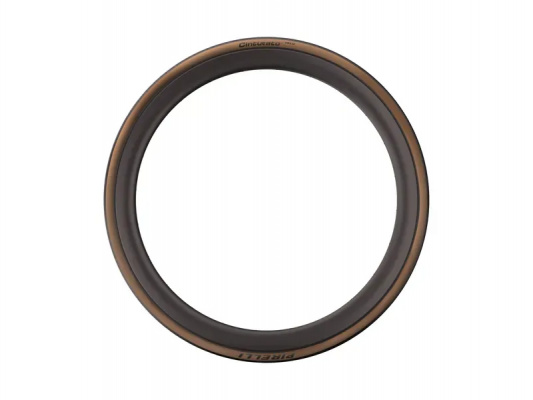
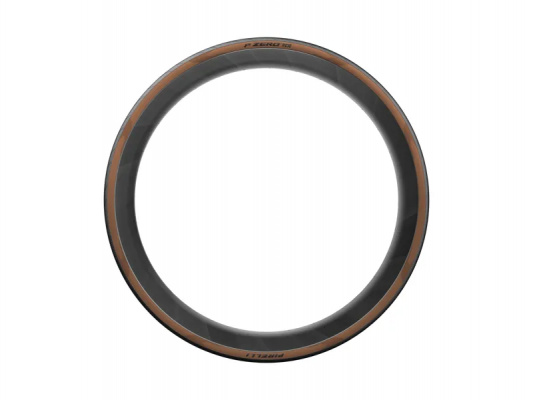
Prices and availability can change quickly. Delivery charges are not always included in listed prices.
Final price, stock status and delivery terms are set by retailer. We may receive a commission on purchases made.
Clincher, Tubeless Ready, and Hookless: Getting Fitment Right
Before anything else, know what your rims actually accept. Standard clincher tyres use a wire or aramid bead that hooks over the rim's inner edge - these work on the vast majority of road wheels and are the default for most riders. Tubeless Ready (TLR) tyres use a tighter, more precisely engineered bead profile that creates an airtight seal against a compatible rim wall. You cannot safely run a TLR tyre on a standard non-tubeless rim; the bead won't seat properly under road pressures, and the consequences of a blowout at 40 mph are not worth the experiment.
Hookless rims add another layer to this. Many carbon wheelsets now use hookless rim beds - straighter inner walls with no hooked edge - which rely entirely on ETRTO-compliant TLR tyres to stay seated. The critical number here is pressure: hookless rims are generally rated to a maximum of 72.5 psi (5 bar). Running higher pressures risks catastrophic bead failure. Check your rim manufacturer's spec sheet and match it against the tyre's stated hookless rim compatibility before you fit anything. Not all TLR tyres are approved for hookless, so read the sidewall markings carefully.
Width clearance matters too. A lot of older frames and rim brake calipers will accept 25c comfortably but start to bind at 28c or 32c. Measure the gap between your tyre and fork crown or chainstay bridge before you order - you want at least 4 - 5mm of clearance on each side for mud and flex. Going from 25c to 28c on a compatible frame is genuinely worth it; the wider air volume smooths out rough tarmac and lets you run lower pressures for better wet grip without sacrificing speed. If you're comparing options across brands, Continental road tyres and Pirelli road tyres both publish detailed hookless compatibility lists that are useful reference points when cross-checking standards.
Race Tyres vs. Endurance Tyres: Picking Your Level
The [Brand] road bike tyres range is tiered, and the differences between levels are real - not marketing gloss. At the top end, race-spec tyres use a high TPI (threads per inch) casing, typically 120 TPI or above. More threads per inch means a more supple casing that deforms and recovers over road imperfections rather than deflecting them into your hands. The result is lower rolling resistance and a faster, more connected feel underfoot. The trade-off is thin rubber, minimal tread depth, and puncture protection that prioritises weight savings over armour.
These are great tyres - on the right roads, in the right conditions. Surrey Hills on a dry August morning? Yes. Scottish chip-seal in November? They'll be shredded inside a month.
Endurance and training tyres in the range flip those priorities. Lower TPI casings are more robust and hold their shape better under repeated impacts. The rubber compound is thicker and typically uses a multi-compound silica rubber construction - harder, longer-wearing rubber in the centre tread for mileage, softer silica-rich compound at the shoulders for cornering grip on greasy tarmac. Running underneath all of that sits a Vectran or Kevlar breaker belt - a sub-tread woven layer that resists flint, glass, and thorns punching through into the tube or sealant. It adds a few grams but saves you a lot of roadside standing around in the rain.
If you're doing a mix of training and occasional racing, a mid-range endurance tyre is the sensible daily choice, with a dedicated race tyre kept for events. That's what most experienced club riders do. For a different angle on tyre hierarchy, it's worth browsing how Vittoria road tyres and Michelin road tyres structure their own lineups - the category logic is similar across premium brands and helps you calibrate expectations.
One more thing on 700c road cycling tyres: all the tyres in this range use the standard 700c (622mm BSD) bead seat diameter, so if your bike takes 700c wheels you're compatible across the board. Width is the variable - and for most UK riding, 28c hits the best balance of speed, comfort, and puncture resistance.
Keeping Tyres Alive on UK Roads
British roads are genuinely hard on rubber. Flint fragments, hawthorn thorns washed off verges, broken glass at junctions - all of it sits in standing water where you can't see it until it's too late. Lightweight race-spec tyres with thin casings don't stand much of a chance through a full UK winter. Switching to a reinforced tubeless-ready option with a puncture protection belt for the colder months isn't just sensible, it's the difference between finishing your rides and fixing punctures in the dark.
A few habits extend tyre life significantly. After wet rides - especially on roads you don't know - run your gloved fingers lightly around the tread and pick out any embedded glass or grit before it works its way deeper. It takes thirty seconds and saves you a puncture on the next ride. If you're running tubeless with sealant, check the sealant level every six to eight weeks; it dries out, and a dry tubeless tyre offers none of the self-sealing benefit you're paying for. A fresh bottle of sealant costs very little. Pair that with quality spare parts kept in your saddle bag - a couple of CO2 canisters or a mini pump, tyre levers, and a spare tube as a backup - and you're covered for most roadside situations.
Pressure management matters more on wet roads than most riders realise. Running 10 - 15 psi lower than your summer setting increases the tyre's contact patch and lets the silica compound do its job properly on greasy tarmac. It feels counterintuitive if you've always chased the maximum pressure printed on the sidewall, but the grip difference on a wet roundabout is noticeable. Don't go below the tyre's minimum rated pressure - you risk pinch flats and casing damage - but there's usually useful headroom between minimum and maximum to play with.
Finally, watch your tread wear indicators (TWI). Most mid-range and endurance road tyres have small moulded dimples in the centre tread. When those disappear, the tyre is past its safe working life - the casing is exposed, puncture resistance drops sharply, and the rubber compound has hardened beyond its optimum grip range. Replace them. A worn-out tyre on a fast descent is not the place to find out how much grip you've lost. For a broader look at how other brands handle winter-specific compounds, Goodyear road tyres offer some useful seasonal comparisons. And if you're heading into colder months, having the right jacket sorted alongside fresh rubber means you're actually ready to ride, not just thinking about it.
Unknown Road Tyres FAQs
What is the best tyre width for a road bike?
For most modern road bikes, 28mm is the practical choice. It offers genuinely lower rolling resistance than older 23mm or 25mm standards - wider air volume conforms to road imperfections rather than deflecting them - and on rough UK tarmac the comfort gain is real. Check your frame clearance and rim brake caliper gap before swapping; not every older bike has the room.
Can I use tubeless road tyres on standard rims?
No. Tubeless Ready tyres need a tubeless-compatible or UST rim to seat correctly and hold an airtight seal. Fitting a TLR tyre onto a standard clincher rim at road pressures risks the bead pulling off the wall - at speed, that's dangerous. If your rims aren't TLR-ready, run a quality clincher with a tube instead.
How often should I replace my road bike tyres?
Most road tyres are good for roughly 2,000 to 4,000 miles depending on compound hardness, rider weight, and road surface. The practical check: when the moulded Tread Wear Indicator dimples in the centre tread vanish, the tyre needs replacing. Also replace immediately if you're getting frequent punctures or spot cuts deep enough to expose the casing threads.