
Universal Colours Base Layers
Universal Colours base layers sit at the foundation of a well-built cycling kit - and that's precisely where they earn their keep. Before you reach for a jersey or a jacket, what's next to your skin determines whether you finish a ride feeling good or arrive back at the car cold, damp, and wondering where it went wrong.
Universal Colours approaches base layers with the same considered, sustainability-minded design that runs through the rest of their range. That means recycled polyester mesh structures for summer riding, and merino blends that handle the grimmer months - both built to a next-to-skin fit that actually does the job. In summer, the goal is simple: pull sweat away from your skin fast enough that evaporation keeps your core temperature in check. In winter, it flips - trap just enough warmth against your body without cooking you on the climbs.
UK riding makes both demands in quick succession. A March day in the Peak District can start at two degrees and feel almost balmy by the top of a long drag. Getting your base layer right means you're managing that swing rather than suffering it. That's the case Universal Colours makes - and on the evidence of the range, it's a strong one.
Prices and availability can change quickly. Delivery charges are not always included in listed prices.
Final price, stock status and delivery terms are set by retailer. We may receive a commission on purchases made.
Fabric Tech and Weather Performance: Mesh vs. Merino
The Universal Colours range splits broadly into two material philosophies, and understanding which one you need comes down to one honest question: what's the weather doing, and how hard are you working?
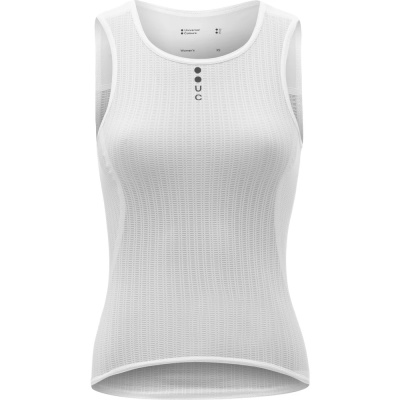
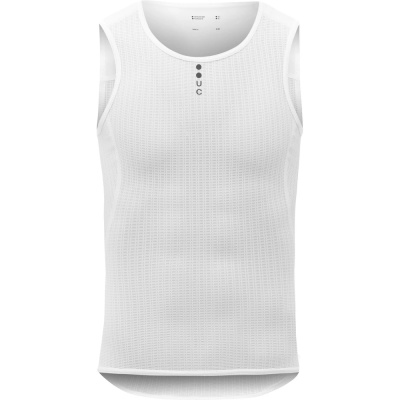
For summer and high-intensity riding, their lightweight mesh base layers use recycled polyester and elastane blends built around an open-mesh structure. The science here is capillary action - the fabric pulls moisture away from your skin and spreads it across a larger surface area on the outer face, where your jersey picks it up and evaporation does the rest. It's a two-stage process, and it only works if each layer is doing its bit. The mesh construction keeps air moving freely against your skin, so even when you're grinding up a long climb with your heart rate buried, you're not swimming in your own sweat by the top. That matters particularly on UK summer rides where humidity is high even when it's not raining - descending into a valley on the South Downs soaking wet is a fast track to getting properly cold.
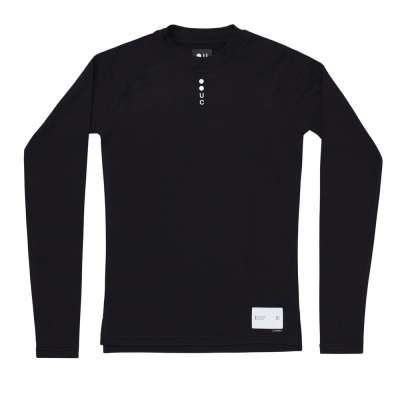
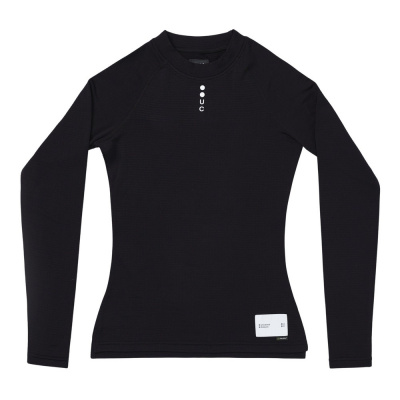
The winter side of the range leans on merino wool blends, and merino earns its reputation here. The natural crimp of the wool fibre traps small pockets of dead air close to your body, which is what gives it its insulating quality. Unlike a purely synthetic fill, though, merino is highly breathable - it keeps moving with your effort level rather than trapping heat when you don't want it. It also handles odour well by nature, which matters if you're layering up for back-to-back commutes or multi-day touring in Scotland. The blend with synthetic fibres adds durability and stretch, addressing the one genuine weakness of pure merino, which is that it can pill and wear thin with heavy use.
For those in-between weeks - late September, early April - a mid-weight option sits between the two. Not full merino insulation, not pure mesh ventilation. Think of it as your default option when the forecast is hedging its bets.
Fit, Range Hierarchy, and Sleeve Choices
Fit is non-negotiable with base layers. If it's bagging away from your skin, it's not wicking - it's just an extra layer of damp fabric. The seamless tubular construction Universal Colours uses across the range removes the panel seams that cause pressure points and bunching under a bib short's waistband or a jersey's cuffs. That's the kind of detail that matters on a four-hour ride far more than it does hanging on a hanger.
The sleeve length hierarchy is pretty straightforward. A sleeveless base layer is the right call from late spring through summer - it keeps your core dry and your jersey sitting cleanly without adding warmth you don't want. Short sleeves extend usability into the shoulder seasons, adding just enough coverage to take the edge off a cool morning without overheating once you're moving. Long sleeves are the winter option, designed to work under a thermal jersey or a softshell, keeping your arms and core in the same thermal zone.
The Universal Colours cycling base layer range is cut close but not compressively. There's a meaningful difference: you want contact with the skin, not a tourniquet. Riders who wear a medium jersey will typically find a medium base layer sits correctly - if you're between sizes, go down rather than up. A slightly firmer fit is infinitely preferable to one that gathers at the waist. If you're weighing up alternatives, MAAP base layers and Pas Normal Studios base layers occupy similar quality territory and are worth comparing for fit preference and price point.
Layering for UK Riding and Keeping Your Kit in Good Shape
A base layer only works as well as the system it's part of. In summer, pair a lightweight mesh base with a well-ventilated Universal Colours jersey - the mesh passes moisture outward, the jersey disperses it. That combination handles a hard sportive in July far better than either garment alone. In winter, a merino long-sleeve base under a Universal Colours jacket gives you a genuinely effective thermal system: the base manages sweat, the jacket manages wind and rain, and you stay in a reasonable core temperature window without overheating on the climbs.
On the subject of summer vs winter cycling base layers - don't wait until it's genuinely cold before switching to merino. A long-sleeve merino base layer on a 10-degree autumn morning in Wales will be working for you within five minutes of riding. A mesh base in the same conditions just moves cold air across your chest.
Care is worth getting right, especially with merino. Wash merino wool cycling base layers on a cool gentle cycle - 30 degrees is the standard guidance. Use a mild, non-biological detergent and skip the fabric softener entirely. Softener coats the fibres with a residue that clogs the moisture-wicking properties, so you end up with a base layer that insulates but doesn't breathe. That defeats the point. Air dry rather than tumble dry; heat degrades the elastane in the blend and shortens the garment's life considerably. Synthetic mesh base layers are more forgiving, but the same no-softener rule applies - capillary action depends on the surface tension of the fibre, and softener works against it.
If you're building a complete cold-weather setup, Universal Colours bib tights pair logically with the long-sleeve base layer - the same material sensibility runs through the range. Brands like Rapha and Castelli offer strong base layer options for comparison, particularly if you're deciding between a merino-heavy approach and a more technical synthetic construction.
Universal Colours Base Layers FAQs
Should a cycling base layer be tight or loose?
Tight. A base layer needs direct contact with your skin to wick sweat effectively - if it's sitting away from your body, all it's doing is trapping moisture rather than moving it. Go close-fitting, but look for seamless construction to avoid pressure points on longer rides.
Do I need a base layer for summer cycling?
Yes, and a lightweight mesh base layer is one of the most useful bits of kit in your summer wardrobe. It pulls sweat off your skin and passes it to your jersey, speeding up evaporation and keeping your core temperature stable. Without one, damp fabric sits against your skin on descents and chills you fast.
How do you wash merino wool cycling base layers?
Use a cool gentle cycle at 30°C with a mild, non-biological detergent. Never use fabric softener - it coats the wool fibres and kills the moisture-wicking and breathable properties that make merino worth having. Air dry rather than tumble dry to protect the elastane in the blend.