
Truflo Track Pumps
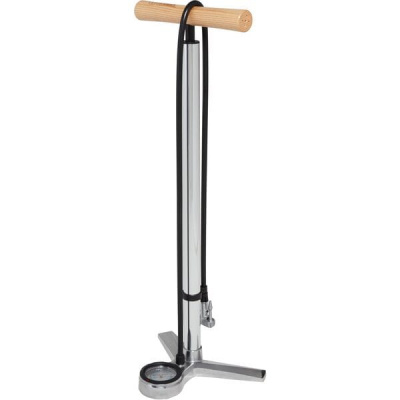
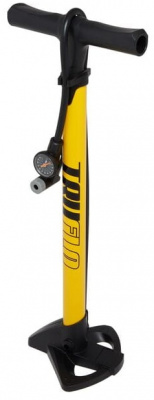
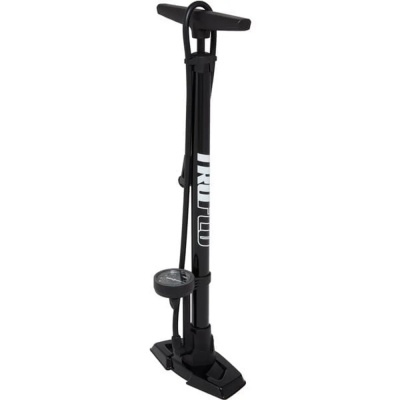
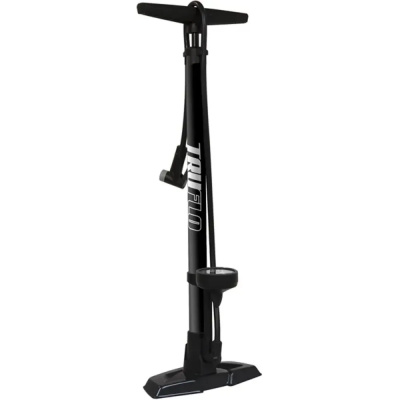
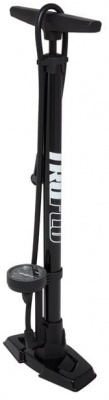
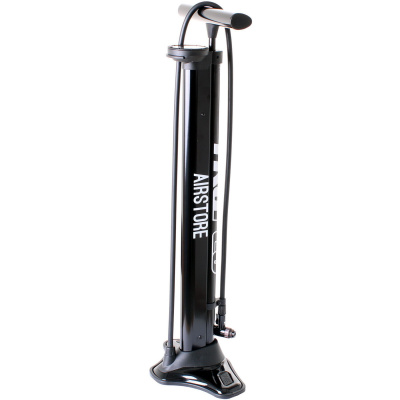
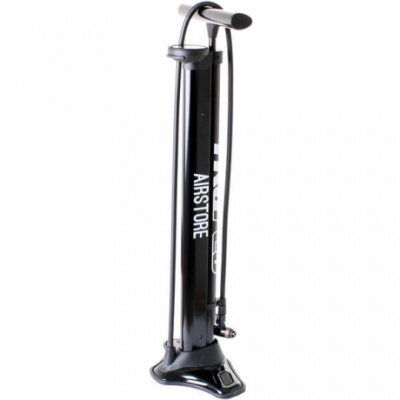
Truflo track pumps are the kind of workshop staple you stop noticing until someone else's pump lets them down - and then you're glad you chose wisely. Built around steel or CNC machined aluminium barrels, these floor pumps are engineered for daily punishment, whether you're topping up a commuter before a wet Tuesday or wrestling stubborn MTB tyres onto tubeless rims on a Sunday morning.
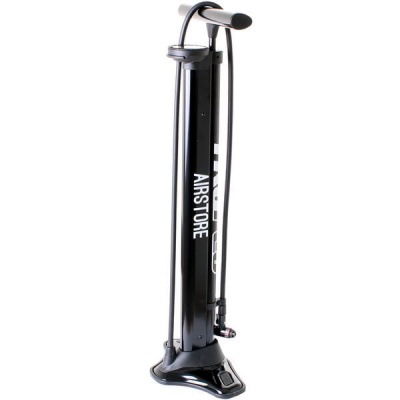
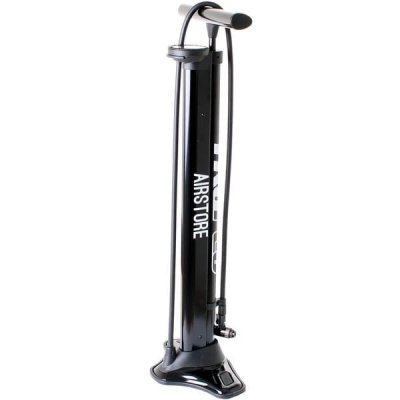
The headline feature across the range is Truflo's auto-select valve head, which grips both Presta and Schrader valves without you having to dig out the internals and flip a rubber grommet. Lock it on, pump, done. For road bikes running high pressures - some models push to 160 PSI - you get a large, legible pressure gauge mounted at the top where you can actually read it mid-stroke. For mountain bikers and gravel riders running tubeless, select models add a high-volume blast chamber that delivers the sudden air surge needed to seat a bead cleanly. Mechanic-grade performance, accessible price points, and a range broad enough to cover everything from a skinny 23c to a chunky 2.4-inch trail tyre.
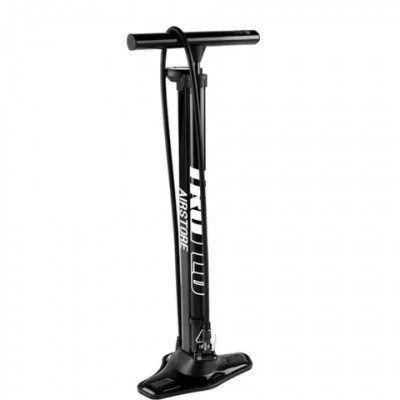
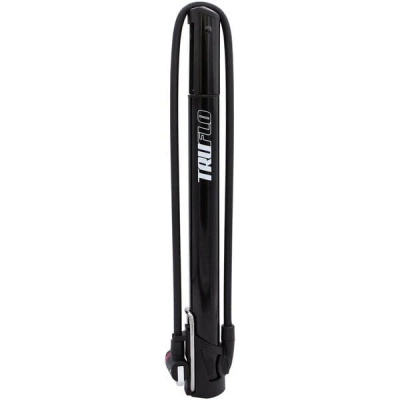
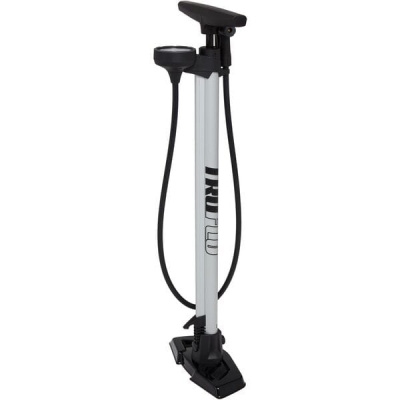
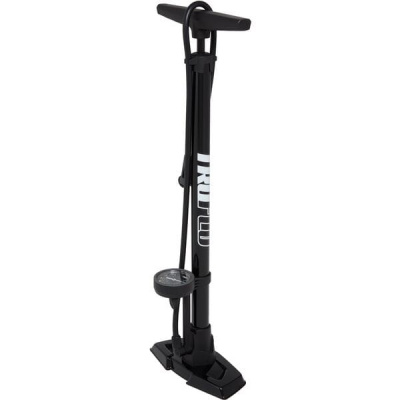
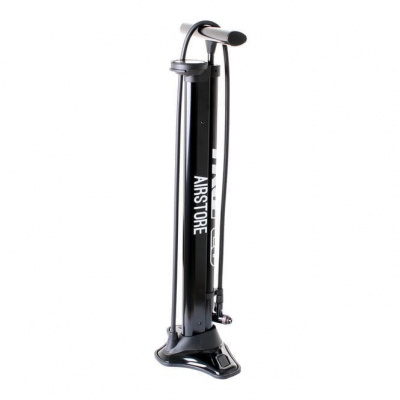
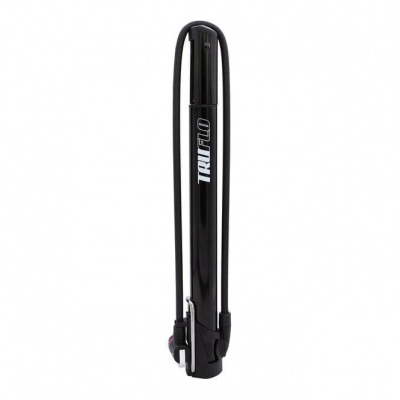
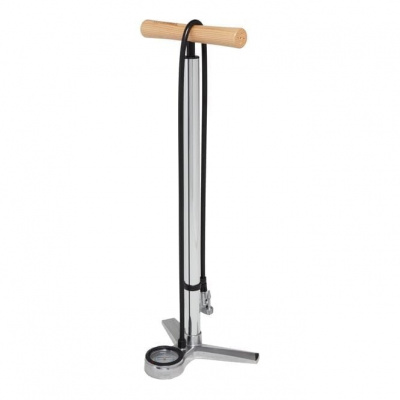
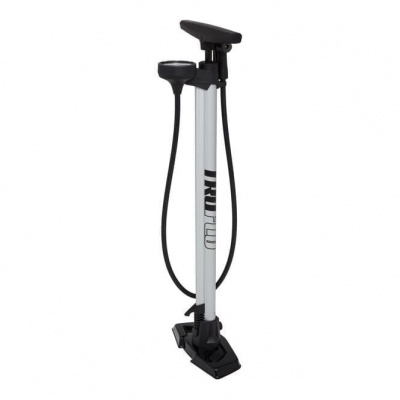
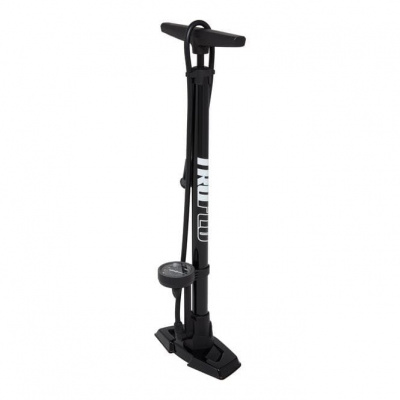
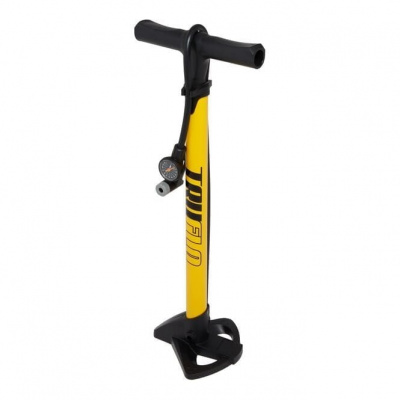
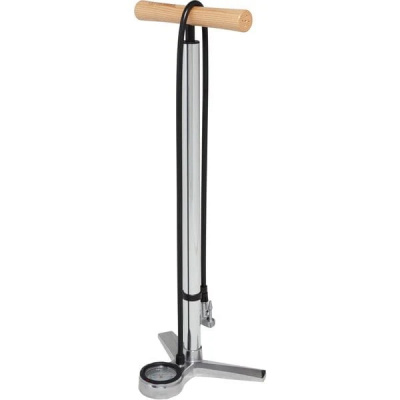
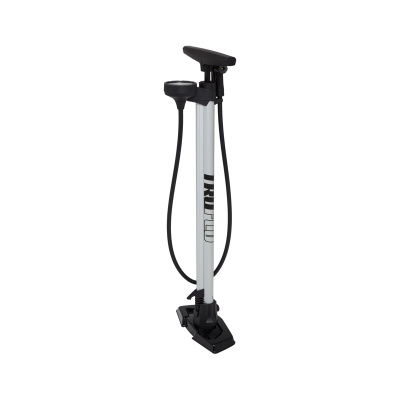
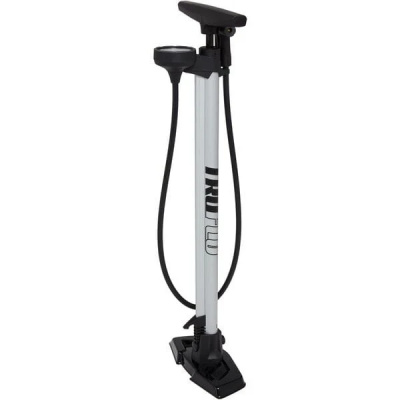
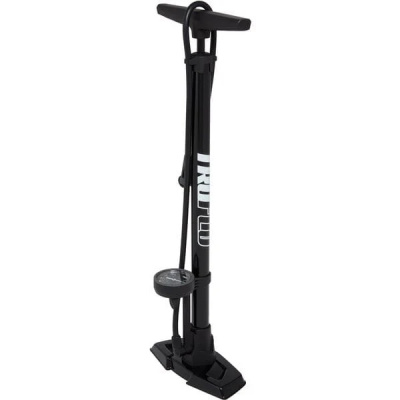
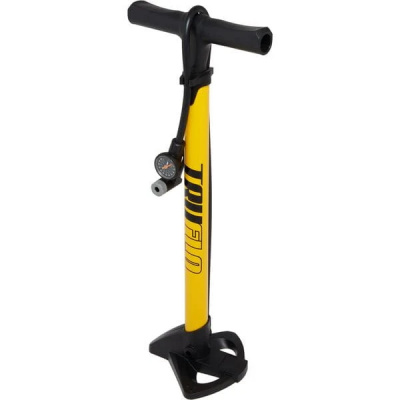
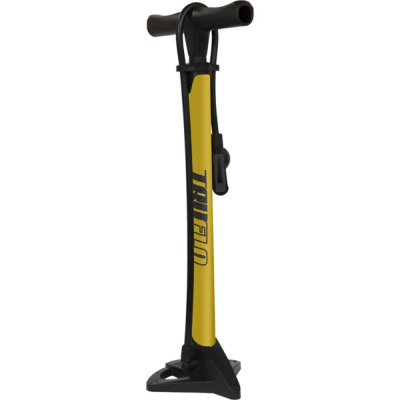
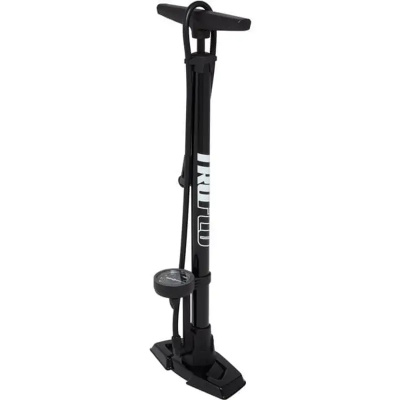
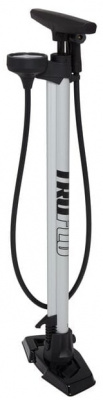
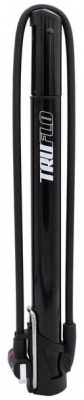
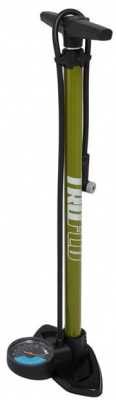
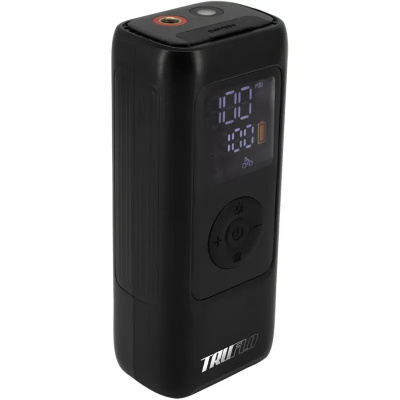
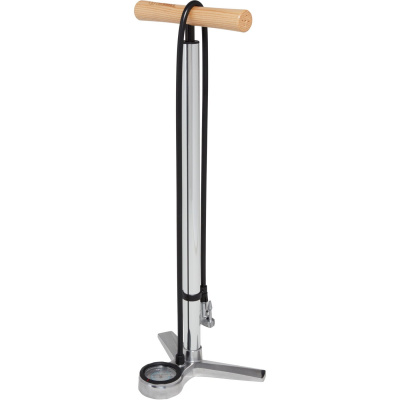
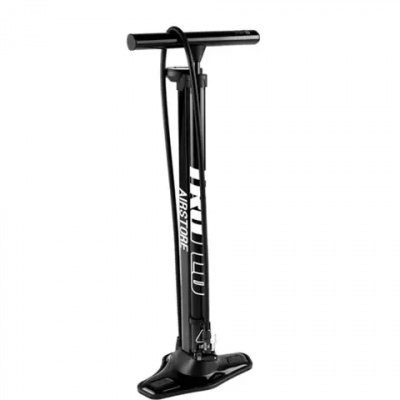
Prices and availability can change quickly. Delivery charges are not always included in listed prices.
Final price, stock status and delivery terms are set by retailer. We may receive a commission on purchases made.
Valve Heads, Pressure Ranges, and Getting the Right Fit for Your Tyres
The auto-select valve head is worth understanding properly, because it's one of those features that sounds like marketing until you've fumbled with a traditional reversible head at 7am with cold fingers. Older-style pump heads require you to pull out an internal rubber grommet, flip it, and reassemble to switch between Presta and Schrader. Truflo's auto-select design reads the valve geometry on contact and seals accordingly - no dismantling, no lost parts down the workshop drain. Push it on, flip the locking lever, and the O-ring seal does the rest.
Beyond the head, the most important choice in the Truflo range is pressure range versus volume. High-pressure (HP) models are built for road and gravel bikes running narrow tyres at 80 - 120 PSI - some stretch to 160 PSI for track or older-format road setups. High-volume (HV) pumps trade peak pressure for a bigger bore, moving more air per stroke at lower pressures, which is exactly what you need for 27.5 or 29-inch mountain bike tyres. Running tubeless on your trail bike means you want volume, not just pressure - a slow trickle of air won't pop a bead, but a sharp burst will.
The top-mounted oversized gauge is a practical detail that compounds over time. Gauges buried near the base of the pump are awkward to read when you're crouched over the bike. Truflo positions theirs at eye level, marked in both PSI and Bar, which matters when you're dialling in tubeless pressures precisely - say, dropping from 26 PSI to 22 PSI for wet Lakeland roots versus dry hardpack. The micro-adjust bleed valve on premium models lets you release tiny increments of pressure rather than dumping air and re-pumping. A small thing, genuinely useful.
Breaking Down the Truflo Range: Which Pump for Which Job
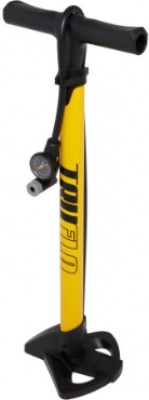
Truflo's track pump lineup spans a clear hierarchy. Entry-level composite and steel-barrel models cover the basics well - reliable seals, accurate enough gauges, and a price point that makes sense for a pump that lives in the garage and gets used twice a week. These are solid choices for riders who run clincher tyres on road or hybrid bikes and don't need tubeless-specific features. If you're comparing at this level, SKS track pumps occupy similar ground and are worth a look alongside.
Step up to the CNC machined aluminium barrel models and the build quality becomes tangible - stiffer, more precise, with better gauge accuracy over time. These are the pumps that sit in proper home workshops and cope with being used daily across multiple bikes. If you're running a road bike alongside a mountain bike and want one pump that handles both confidently, this is the tier to focus on.
The tubeless-specific models are a different proposition. The high volume tubeless blast chamber works by allowing you to pressurise a reservoir inside the pump body, then release the stored air in one fast dump rather than trying to pump fast enough to seat the bead manually. It works. On a tight rim-and-tyre combination that's beaten a standard pump, a blast-chamber model is the difference between a fifteen-minute job and a forty-minute one involving soapy water, swearing, and eventually a compressor. If your riding involves regular tyre swaps - seasonal changes, enduro race prep, experimenting with different compounds - it's the version to consider. Rivals like Topeak track pumps and Lezyne track pumps offer comparable tubeless-assist designs, so it's worth comparing models directly at this level.
One practical note: track pumps are strictly a home or workshop tool. When you're out on the trail and drop a tyre, you need something else entirely. Truflo's range extends to Truflo mini pumps for on-ride inflation, Truflo shock pumps for suspension setup, and Truflo CO2 inflators and canisters when you need speed over a roadside puncture.
Keeping It Airtight: Maintenance in a UK Climate
A track pump is low-maintenance by design, but the UK's riding conditions create specific stress points worth knowing about. Winter mud and grit are the main enemies. If you're rolling in from a Peak District bridleway or a Welsh trail centre with a caked bike and reaching straight for the pump, grit gets dragged into the valve head. Once it works past the O-ring seal, you get air leaks at the valve connection - the pump feels like it's working but pressure isn't building at the tyre.
The fix is simple but needs doing. Wipe the valve stem clean before attaching the pump head. Periodically pull the pump head apart and inspect the O-ring for wear, cracking, or embedded grit. Replacement seals are available through Truflo pump accessories and cost almost nothing - far less than a new pump head. While you're at it, a light application of silicone grease to the main plunger shaft every few months keeps the pump action smooth and extends the life of the internal seals. Don't use petroleum-based lubricants; they degrade rubber fast.
Cold hands are a real factor in British winter workshops. Truflo's ergonomic handle design on mid-range and premium models gives you enough grip to pump efficiently without your hands sliding or cramping. It's a detail that feels unnecessary in August and essential in January. If you're frequently adjusting tyre pressures between rides - which any rider on mixed UK surfaces should be doing - the combination of a legible top-mounted gauge and a micro-adjust bleed valve means you can dial in 0.5 Bar changes accurately rather than guessing.
For high-pressure road models, the recommended service interval for the plunger seal is roughly every 12 - 18 months under regular use. High-volume models used for tubeless seating - where the blast chamber cycles repeatedly - may need seal attention a little sooner, especially if the pump is stored in a cold, damp garage rather than indoors. If the pump action starts to feel spongy or you notice pressure loss at the gauge mid-pump, the plunger O-ring is the first thing to check before assuming the pump is beyond use. Most Truflo pumps are fully serviceable at home with basic tools. That longevity is part of why they hold up well against premium alternatives like Silca track pumps, which are excellent but priced at a significant premium for similar core function.
Truflo Track Pumps FAQs
How do you use a Truflo track pump on a Presta valve?
First, unscrew the Presta valve's brass locknut to open it. Push the pump head firmly down onto the valve stem and lift the locking lever to secure it. Truflo's auto-select heads grip the narrower Presta diameter automatically - no need to swap or flip any internal parts. Pump to your target pressure, then press the lever back down before pulling the head off cleanly.
Are Truflo track pumps good for seating tubeless tyres?
The standard high-volume models can seat many tubeless setups, particularly on wider rims with a decent bead lock. For tighter tyre-and-rim combinations, Truflo's tubeless-specific pumps with an integrated blast chamber are significantly more effective - the stored-air burst delivers the sudden volume needed to pop the bead in one shot rather than trying to outpace air loss by pumping fast.
Why is my track pump leaking air at the valve?
Nine times out of ten, it's a worn or grit-contaminated O-ring inside the pump head. The seal loses its ability to grip the valve stem airtight, so pressure bleeds back out as you pump. Pull the head apart, inspect the rubber O-ring, and replace it using a Truflo pump accessory kit. It's a straightforward fix that restores full performance without replacing the whole pump.