
Truflo Mini Pumps
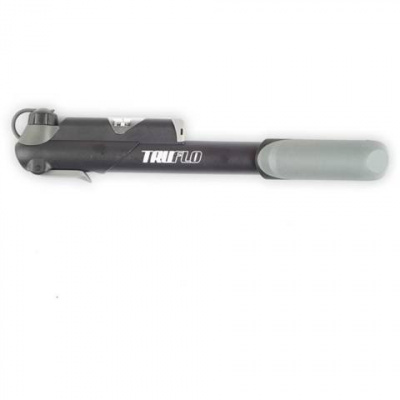
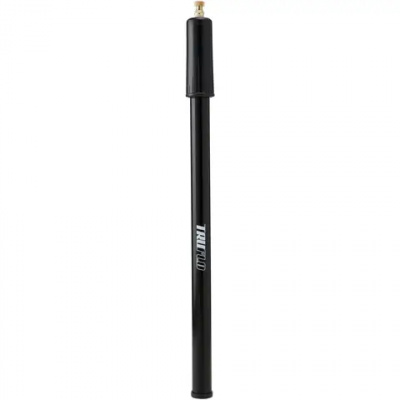
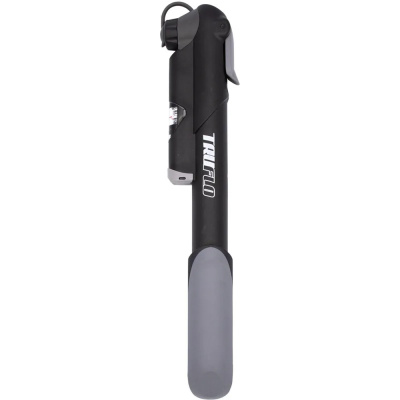
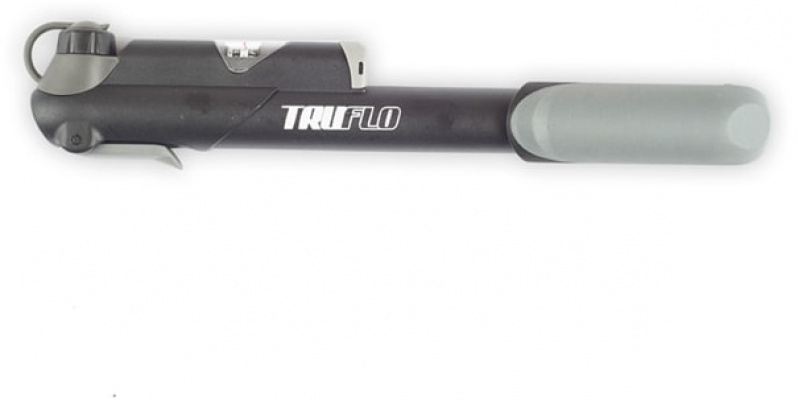
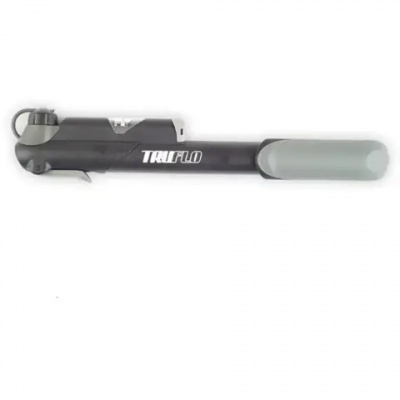
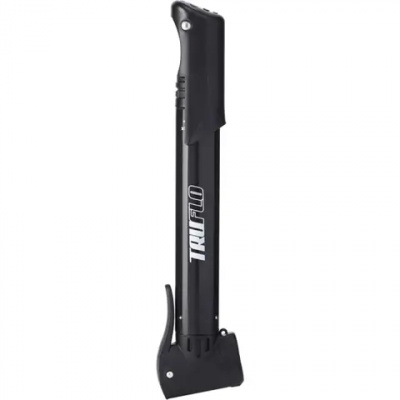
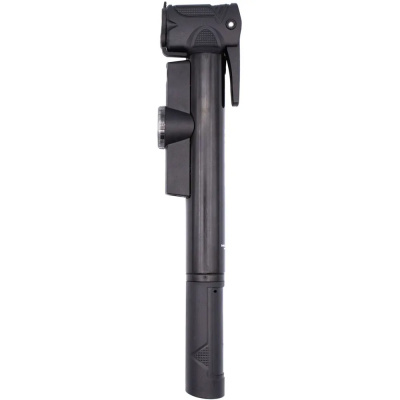
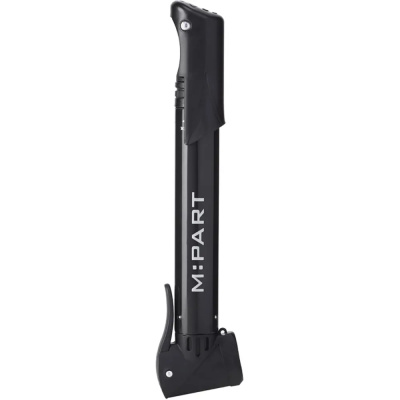
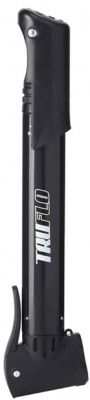
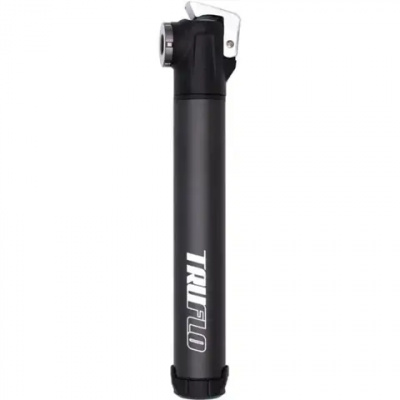
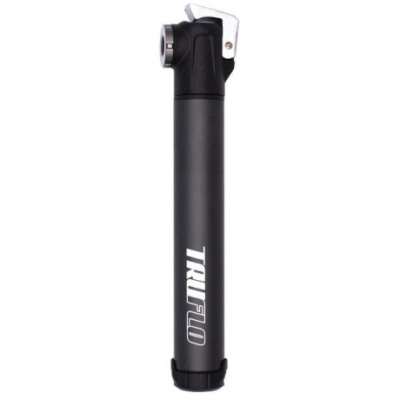
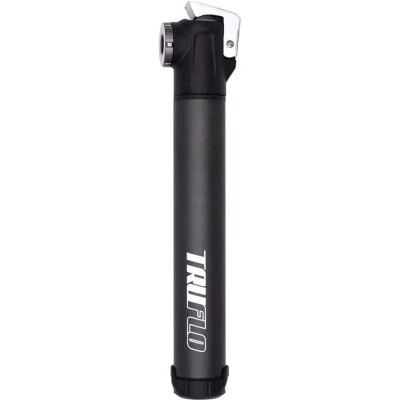
Truflo mini pumps are the kind of kit you only truly appreciate when you're three miles from the nearest village on a soggy B-road with a flat tyre. These are compact, CNC machined aluminium pumps built to handle the grit and road salt that destroys cheaper alternatives - and in the UK, that matters more than most manufacturers admit.
The range splits neatly between High Pressure (HP) models for road cyclists who need to hit 90 PSI or above, and High Volume (HV) options for mountain bikers and gravel riders who need a bigger slug of air per stroke to get a wide tyre back to rideable pressure fast. Both types use reversible smart heads that swap between Presta and Schrader valves without losing any bits in the mud. A secure mounting bracket keeps the pump on the frame and off the floor of your kit bag.
Cheap mini pumps fail at the worst moments - seized heads, cracked barrels, O-rings that gave up somewhere around October. Truflo's alloy construction holds up through British winters in a way that budget steel internals simply don't. If you want reliable emergency inflation that fits in a jersey pocket or clips to a downtube, this is a sensible place to start looking.
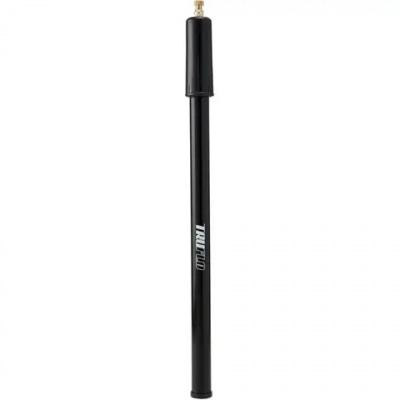
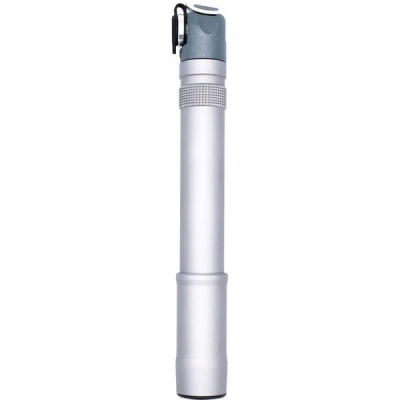
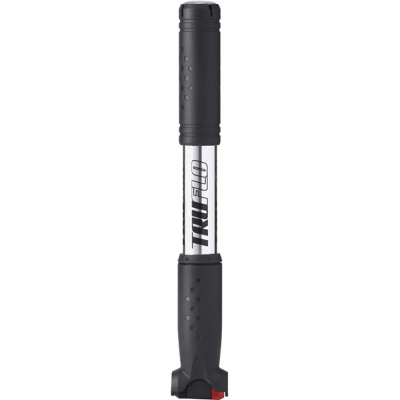
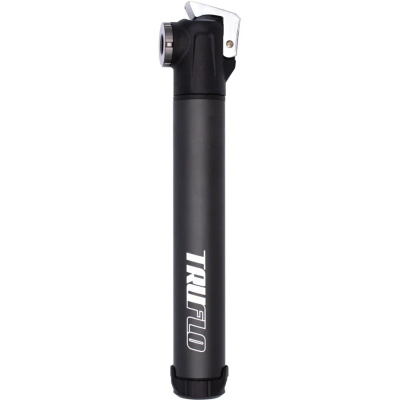
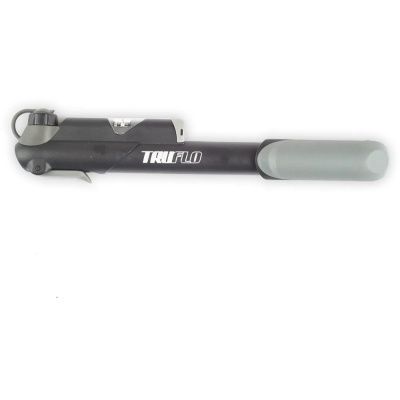
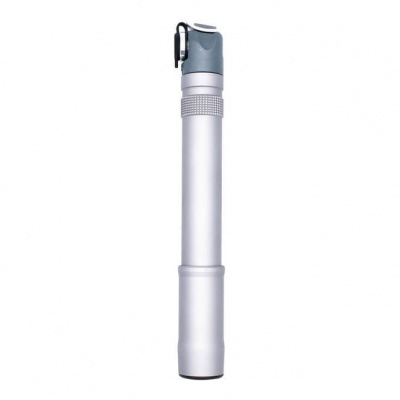
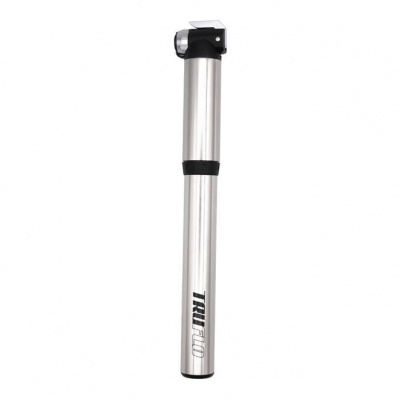
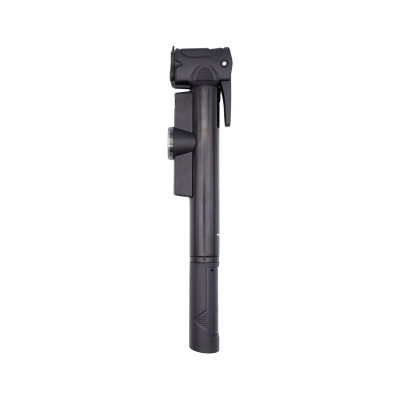
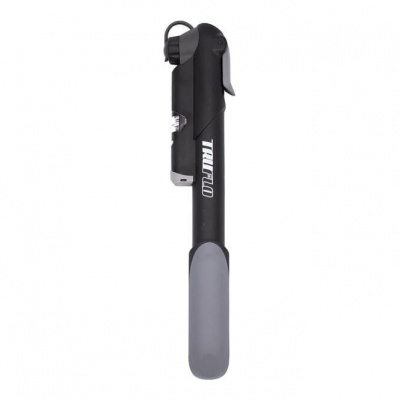
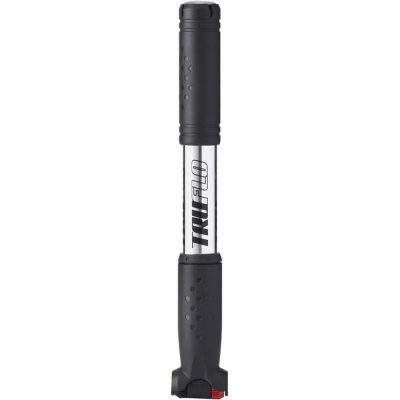
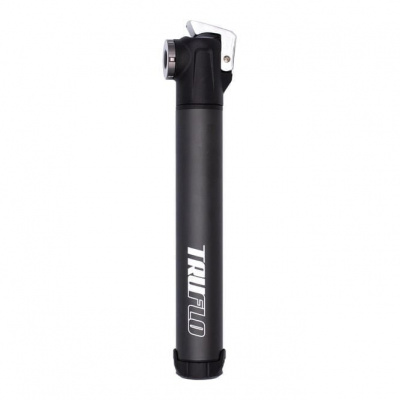
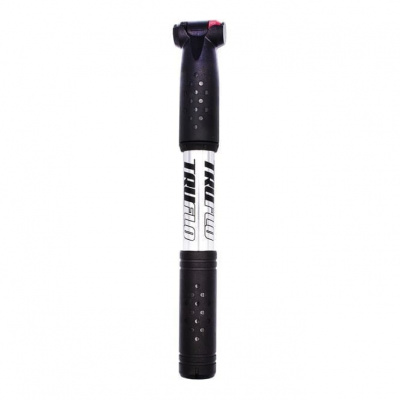
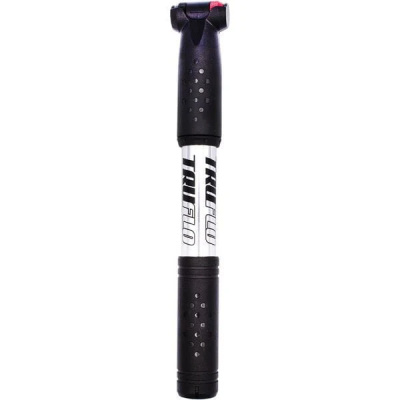
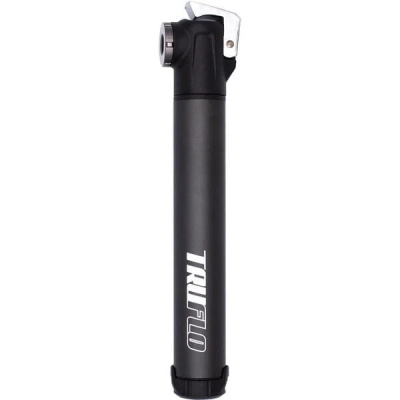
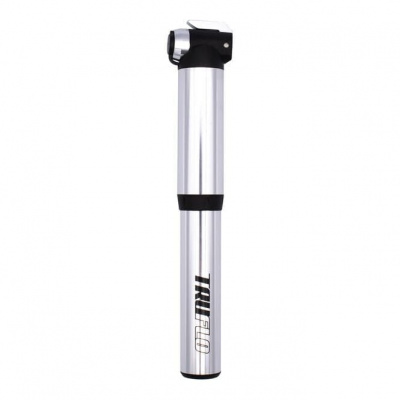
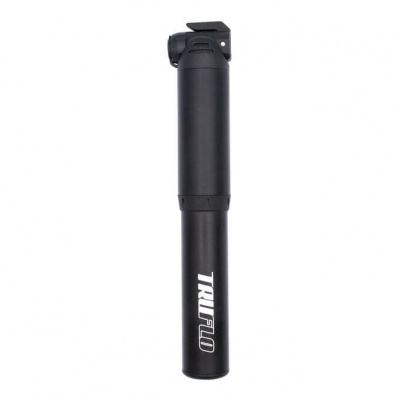
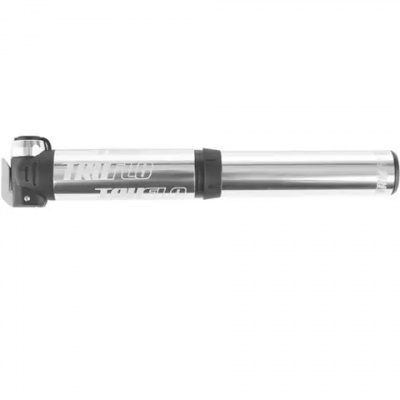
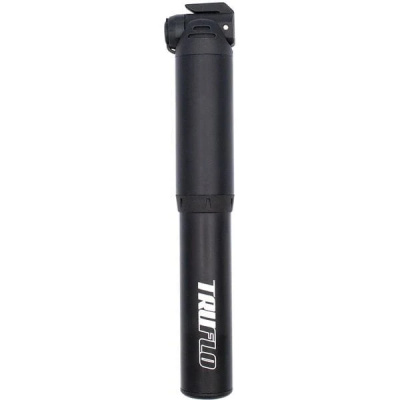
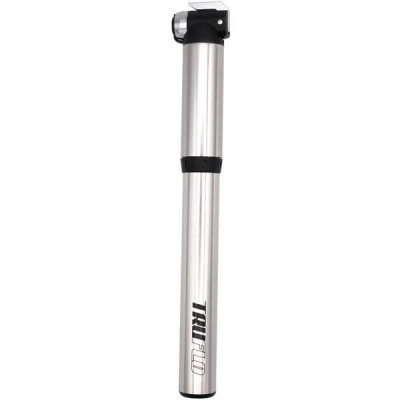
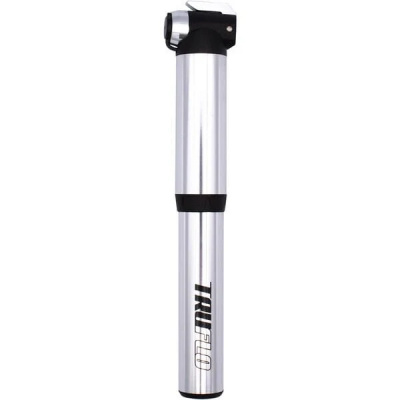
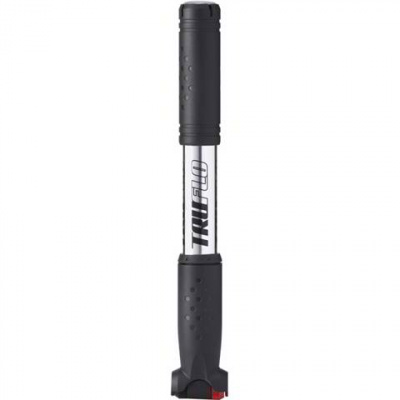
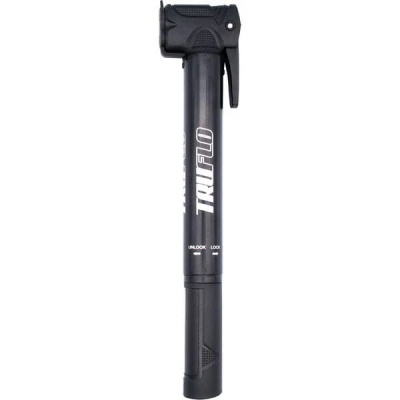
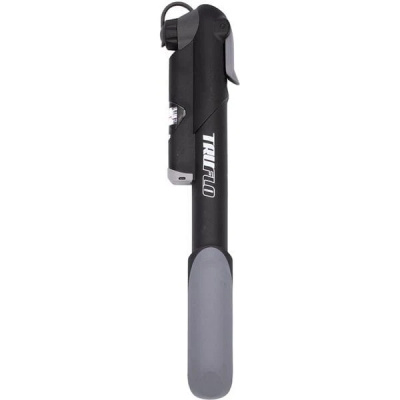
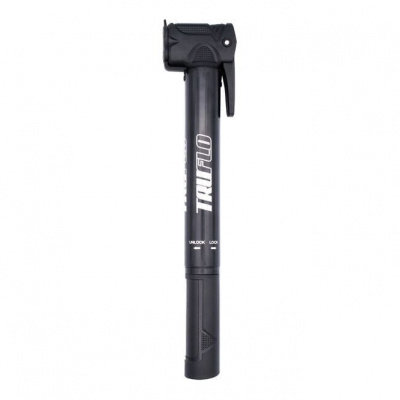
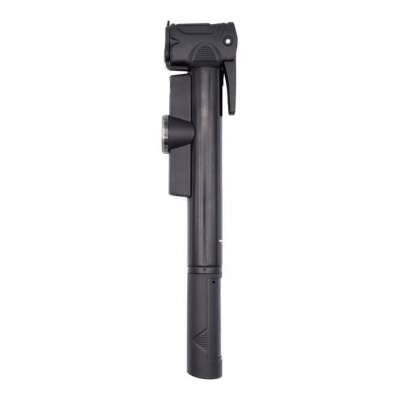
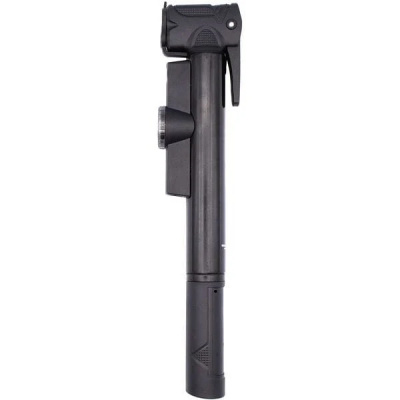

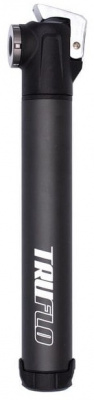

Prices and availability can change quickly. Delivery charges are not always included in listed prices.
Final price, stock status and delivery terms are set by retailer. We may receive a commission on purchases made.
HP vs HV: Picking the Right Pump for Your Tyres
The difference between a High Pressure and High Volume pump isn't just marketing - it changes how hard you have to work and whether you'll actually get your tyre usable again. HP pumps have a narrow barrel. That smaller cross-section means each stroke builds pressure more efficiently, which is why they're the right call for road bikes where you're targeting 90 PSI or beyond. Try to hit that figure with a wide-barrel pump and your arms will give out first.
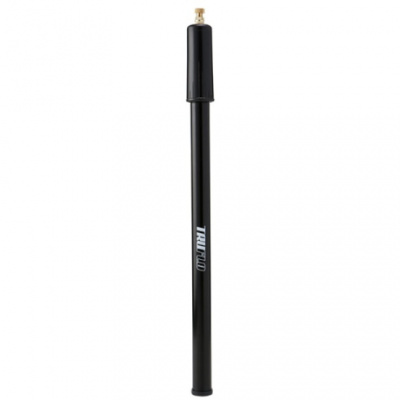
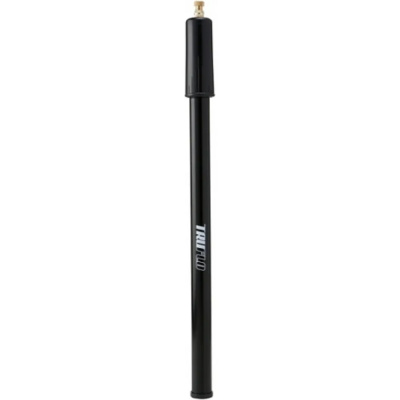
HV pumps work the opposite way. A wider telescopic barrel pushes a larger volume of air per stroke, which suits the lower pressures of MTB and gravel tyres - you're aiming for 25 - 35 PSI across a 2.4-inch tyre, and you want to get there in a reasonable number of strokes rather than standing at the side of a trail pumping like you're inflating a bouncy castle. The telescopic barrel design keeps the pump compact in your pack while still delivering that extra air volume when extended. Practical, not glamorous.
On valve compatibility, Truflo's reversible head handles both Presta valve and Schrader valve setups without carrying adaptors. Before you attach any push-on pump head, check your Presta valve core is finger-tight. A loose core will unscrew itself as you pull the pump off, and you'll lose more air than you put in. It's a thirty-second check that saves a lot of frustration.
Choosing the Right Model From the Truflo Range
Truflo's mini pump lineup covers a wider spread than it might first appear. At one end you've got slim, ultra-compact pocket pumps - minimal barrel diameter, light enough that you forget they're in your jersey. These are road-focused emergency tools. They'll get a 25c tyre to a pressure you can ride home on, and they weigh next to nothing. Not the choice for tubeless gravel tyres, but exactly right for the roadie who wants something unobtrusive clipped to a bottle cage bolt.
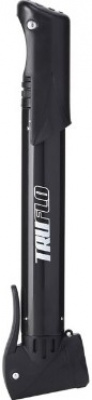
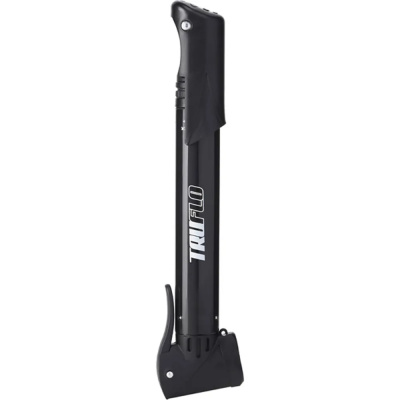
Step up and you get telescopic models with a flexible hose connection. The hose changes the experience significantly - instead of the pump head sitting directly on the valve and torquing against it with every stroke, the hose absorbs that movement. On a tubeless setup or any bike where the valve sits at an awkward angle, this matters. It's also kinder to standard inner tube valves on bumpy ground. If you're running a hardtail in the Peaks or a gravel bike across loose Northumberland gravel tracks, the hose model is worth the marginal extra bulk.
One thing to be clear about: mini pumps are emergency inflation tools, not workshop replacements. If you're setting up a tubeless tyre at home, checking suspension sag, or pre-riding prep, you need different kit. For suspension setup, Truflo shock pumps give you the precision and gauge accuracy that a mini pump can't. For rapid race-day inflation or event support, Truflo CO2 inflators and canisters are faster than any hand pump. And for home workshop use where volume and pressure gauge accuracy count, Truflo track pumps are the right tool. The mini pump sits in a specific niche - on-trail, in-pocket, emergency use - and it does that job well.
If you're comparing across brands, Lezyne mini pumps offer a similar CNC alloy build with a more premium finish and higher max PSI figures on some HP models, though at a higher price point. Topeak mini pumps and SKS mini pumps are also worth comparing if you want a broader look at what's available - each has its own take on head design and barrel volume. Truflo sits in a competitive mid-range position: genuinely durable construction without the premium price tag.
Keeping Your Pump Working Through a British Winter
A mini pump lives a hard life. It sits on a frame or rattles around a bag through rain, mud, road salt, and the kind of damp that gets into everything between October and April. Cheap steel internals corrode, levers seize, and O-rings harden. Truflo's CNC machined alloy construction resists that - the barrel doesn't pit and the internals stay smooth in a way that pressed steel simply doesn't manage after a winter's riding.
Still, even good pumps need a bit of attention. Every few months, wipe the main shaft down with a clean rag to clear any accumulated grit - that grit acts like sandpaper on the internal O-ring and kills the smooth stroke. A tiny drop of silicone lubricant on that O-ring keeps the pump feeling tight and responsive rather than scratchy. Don't use WD-40 or oil-based products; they'll degrade the rubber.
The pump head deserves attention too. Most Truflo pumps include a rubber dust cap over the head. Use it. Winter road spray carries fine grit particles that work their way into the locking lever mechanism and, eventually, seize it at exactly the wrong moment. Two seconds replacing the cap after every use is the difference between a pump that works first time and one that doesn't work at all. With numb hands on a cold morning, a seized head isn't just annoying - it's a long walk.
If your pump head is already stiff, a drop of silicone spray into the lever pivot and a few cycles of the mechanism will usually free it before it becomes a problem. Keep it on your pre-ride checklist alongside tyre pressure and brake feel - it takes seconds and saves grief.
Truflo Mini Pumps FAQs
How do you use a Truflo mini pump on a Presta valve?
Unscrew the pump head cap and remove the internal rubber grommet and plastic insert. Flip both pieces to the narrower Presta setting, reassemble the cap, then push the head firmly down onto the valve. Most Truflo models use a reversible smart head - the swap takes about thirty seconds once you've done it once.
What is the difference between high volume and high pressure mini pumps?
High Pressure pumps have a narrow barrel that makes it physically manageable to reach 90 PSI or above - essential for road tyres. High Volume pumps have a wider barrel that shifts more air per stroke at lower effort, which suits MTB and gravel tyres running at 25 - 35 PSI. Using the wrong type for your bike makes the job significantly harder than it needs to be.
How do I stop my mini pump from snapping the valve core?
Brace your thumb against the tyre or rim behind the pump head while you stroke - this isolates the valve from the sideways load of each pump movement. Better still, choose a Truflo model with a flexible hose, which decouples the pump body from the valve entirely and removes the stress at source.