
Trek MTB & Gravel Shoes
Trek MTB and gravel shoes are built for riders who want every watt going into the pedals and enough grip underfoot to handle whatever the trail throws at them. Whether that's a slick chalk descent in the South Downs, a hike-a-bike slog through Peak District peat, or a long gravel day that blurs the line between road and rough stuff, Trek's shoe range has a model that fits the job.
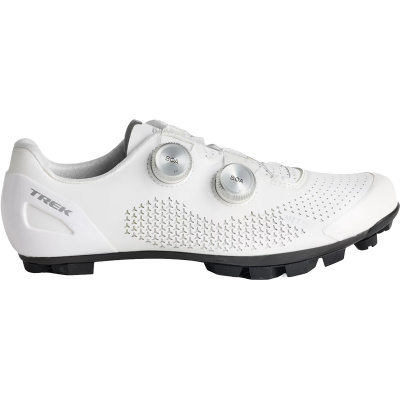
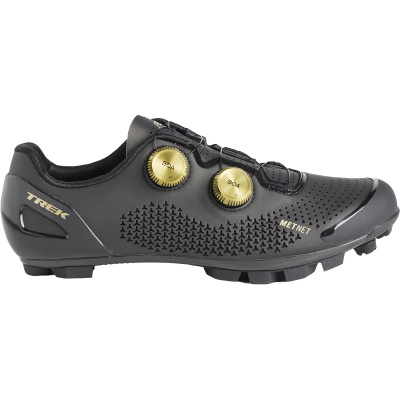
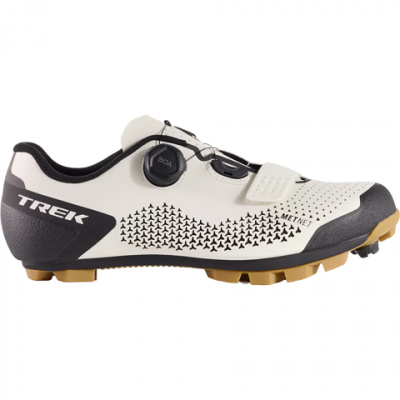
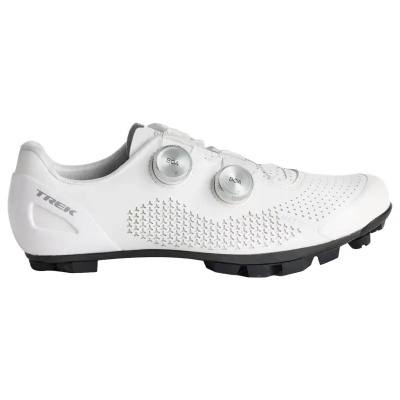
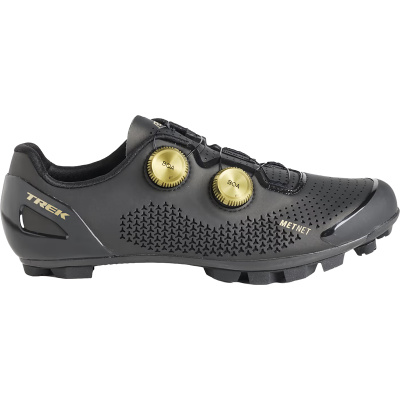
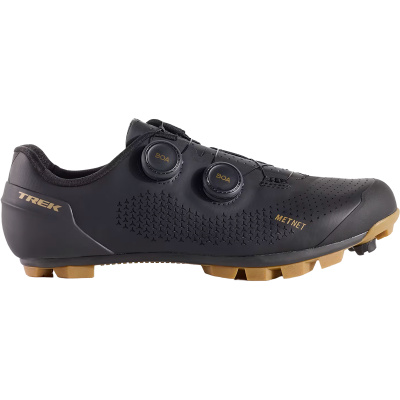
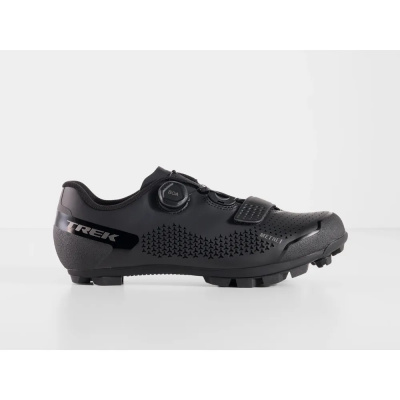
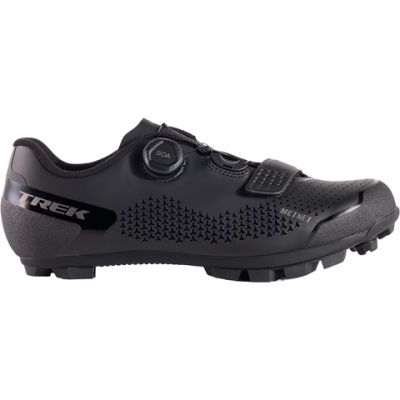
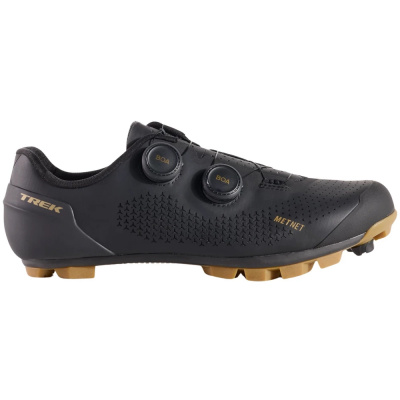
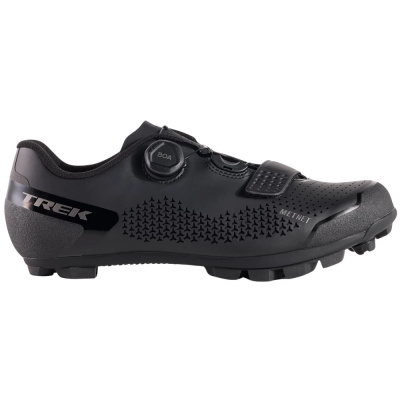
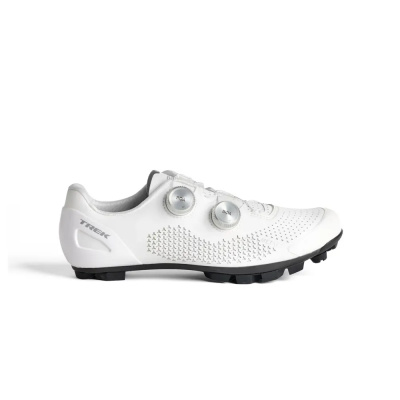
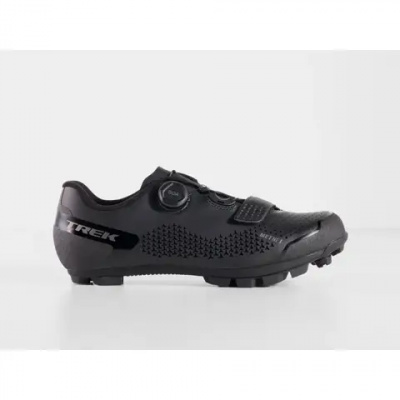
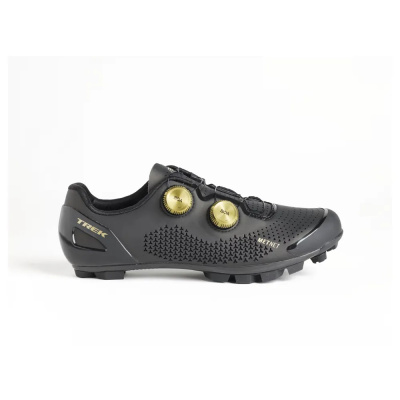
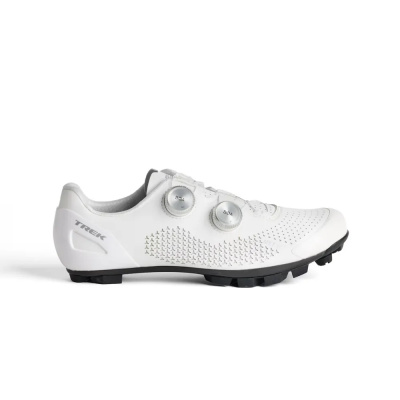
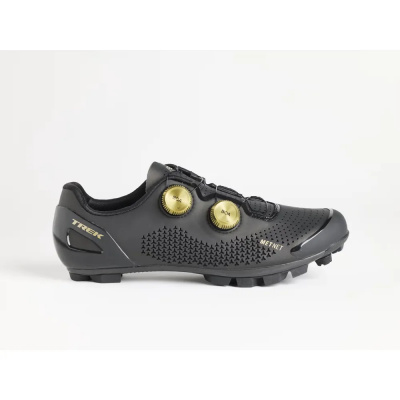
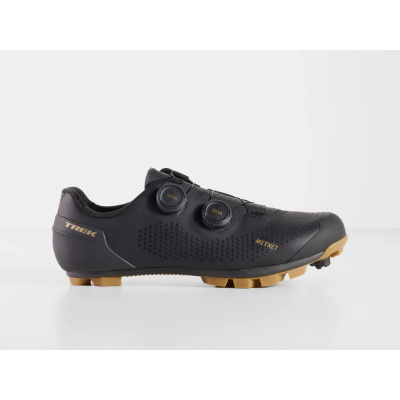
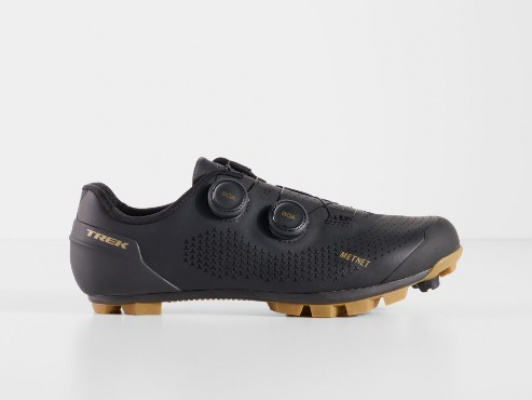
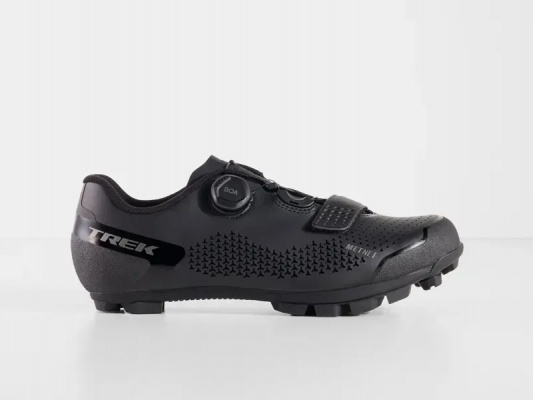
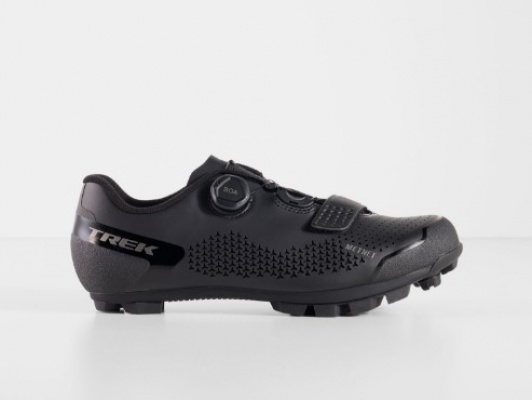
The lineup spans SPD-compatible clipless shoes and flat pedal options, covering cross-country racing, trail riding, and multi-day gravel bikepacking. Across the range you'll find BOA Fit System dials for precise, on-the-fly adjustments - no more stopping to fiddle with buckles mid-climb. OCLV carbon soles feature on the higher-end models, delivering a direct, efficient power transfer that XC and gravel racers will feel immediately. GnarGuard protection coats the uppers to resist rock strikes, bramble scratches, and the general battering that British trails dish out. Tachyon rubber outsoles provide the kind of traction you need when you're unclipping and picking your way over wet roots or greasy slate. These aren't just stiff platforms - they're shoes designed to work off the bike as well as on it.
Prices and availability can change quickly. Delivery charges are not always included in listed prices.
Final price, stock status and delivery terms are set by retailer. We may receive a commission on purchases made.
What Makes Trek Shoes Tick in Wet, Muddy Conditions
British trails eat shoes alive. The combination of abrasive grit, thick clay mud, and relentless moisture is brutal on footwear, so the materials Trek uses here genuinely matter. The Tachyon rubber outsole compound is the headline act for off-bike traction - it's tacky enough to find purchase on wet chalk and slick root networks where a harder compound would have you sliding around like a newborn deer. That makes a real difference on Scottish singletrack or any Welsh trail centre where the hike-a-bike sections are genuinely committing.
Above the sole, GnarGuard outer coating does the unglamorous work. It's an abrasion-resistant treatment on the synthetic upper that shrugs off the kind of repeated contact with rocks, pedal platforms, and undergrowth that would scuff cheaper shoes into a sorry state within a season. The synthetic leather upper construction also handles frequent hose-downs without warping or delaminating - useful when you're cleaning mud out after every wet ride.
On the sole stiffness question, Trek draws a clear line between disciplines. OCLV carbon plates on the XC and gravel race models give you a stiffness index that translates pedalling input directly into forward motion - there's virtually no energy lost to flex. Nylon composite soles on the trail and enduro models sacrifice a fraction of that efficiency for compliance, which pays dividends when you're walking technical sections or spending hours in the saddle on rough ground. It's a genuine trade-off: carbon for speed, nylon for versatility.
Getting the Fit Right Across the Trek Range
Trek's inForm last system is the framework behind the fit, and it comes in three distinct shapes. The inForm Pro last is a narrow, performance-oriented fit - close-fitting across the midfoot and toe box, designed to minimise dead space and keep things locked in during hard efforts. If you've worn racing road shoes and found that feel familiar, this is the MTB equivalent. The inForm Race last steps back slightly, offering a roomier fit that still feels precise on the pedals but works for riders with a wider forefoot or those who want a bit more comfort over longer distances.
For flat pedal riding and more relaxed trail use, the inForm Performance last is noticeably more accommodating - broader toe box, softer internal construction, and the kind of fit that's comfortable walking around in as well as riding. It suits downhill days, bike park laps, or any session where you're not chasing maximum efficiency.
The BOA L6 and Li2 dials handle closure across the range. The Li2 dial in particular allows micro-adjustments in both directions, so you can dial in fit precisely mid-ride without stopping. Worth noting: if your dials ever get damaged or you want to swap out your footbed for something more supportive, head over to our dedicated Trek gravel bikes page for build pairing ideas, and check our Shoe Spares and Footbeds & Insoles pages to customise the fit or sort replacements without buying new shoes.
On sizing: Trek MTB and gravel shoes generally run true to size, but if you're planning to wear thick neoprene or waterproof socks through winter - and in the UK, you probably should - consider going half a size up to keep comfortable toe room. It's the kind of thing that seems minor until you're two hours into a frozen ride with your feet cramping.
Wondering whether Trek clipless MTB shoes cross over to gravel riding? They do, cleanly. The 2-bolt SPD compatible cleat mount and walkable tread on the clipless models make them a natural fit for gravel riding and bikepacking, where you're often getting on and off the bike repeatedly. Compare that approach to something like Giro MTB & Gravel Shoes or Fizik MTB & Gravel Shoes, which offer similar crossover capability - Trek's advantage tends to sit in the breadth of fit options and the durability of the upper construction.
Flat versus clipless is the other key decision. Trek's flat pedal shoes use a sticky rubber compound across the outsole to grip the pins of a flat pedal platform - more contact surface, more control, and no commitment required. They're the natural choice for downhill, enduro, or riders who prefer to keep a foot free. Clipless shoes physically attach your foot via the cleat, which tightens the power transfer loop considerably and suits XC, gravel, and trail riding where efficiency matters. Neither is universally better; it depends on how you ride. Bontrager MTB & Gravel Shoes offer a comparable range of both styles if you want to compare the field before deciding.
Keeping Trek Shoes Road-Ready Through a UK Winter
Synthetic uppers and BOA dials are durable, but they do need a bit of attention if you're riding through November to February in Britain. Pairing Trek MTB shoes with neoprene overshoes or waterproof socks extends warmth and keeps the upper from soaking through on genuinely wet days - the shoes aren't waterproof by default, so that layering matters. Check out Trek MTB tyres or Trek gravel and cyclocross tyres while you're thinking about wet-weather setup - grip at the contact patch and grip underfoot work as a system.
After a muddy ride, clear mud from the BOA dial housing before it dries. Packed-in grit is the main cause of dial failure - a soft brush and a splash of water while the mud is still wet sorts it in seconds. Do the same around your SPD cleat recesses; compacted mud in the cleat channel makes engagement sloppy and can cause unintentional release at the worst moment.
One firm rule: never dry synthetic leather cycling shoes on a radiator or near a direct heat source. It dries them too fast, cracks the upper, and can distort the sole bonding. Stuff them with newspaper to draw moisture out and leave them somewhere with airflow. It takes longer, but your shoes will last considerably more seasons for it.
Trek MTB & Gravel Shoes FAQs
Are Trek MTB shoes true to size?
Generally, yes - Trek mountain bike and gravel shoes fit true to size. That said, if you're planning to layer up with thick waterproof or neoprene socks for winter riding, it's worth going half a size up to keep your toes comfortable. Worth checking individual model fit notes too, as the inForm Pro last runs notably snug.
Can you use Trek mountain bike shoes for gravel riding?
Absolutely. Trek's clipless MTB shoes use a 2-bolt SPD cleat system and feature walkable tread with recessed cleat mounts, which makes them genuinely practical for gravel riding and bikepacking. You get efficient pedalling when you're rolling and decent grip underfoot when you're not - a proper crossover option.
What is the difference between Trek flat and clipless MTB shoes?
Flat pedal shoes have a broad, sticky rubber outsole that grips the pins of a flat pedal - no cleat, no commitment, easy to put a foot down. Clipless shoes have a recessed 2-bolt mount for an SPD cleat, physically locking your foot to the pedal for better power transfer. Flat suits downhill and casual trail riding; clipless suits XC, trail, and gravel efficiency.