
The Fire Xc Offers Supreme Tra MTB Tyres
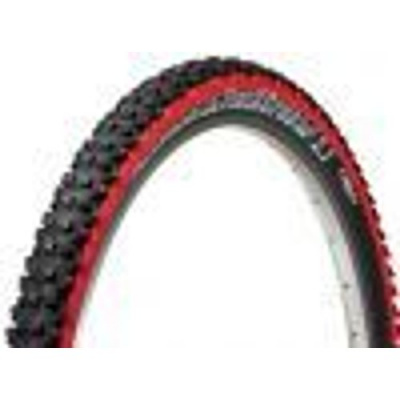
Panaracer MTB tyres have been gripping trails long before most of us had heard of singletrack, and the range still holds up against anything the modern market throws at it. The Fire XC Pro is the one that built the reputation - a cross-country tyre with a multi-step knob design that bites into wet loam and loose grit with equal conviction. It set a benchmark that Panaracer has spent years building around, not resting on.
Today the range spans wire bead tube-type classics right through to folding bead TLC (Tubeless Compatible) models, covering 26-inch legacy builds, 27.5-inch trail rigs, and modern 29ers. Proprietary ZSG (Zero Slip Grip) natural compound runs through the performance end of the lineup, offering the kind of wet-condition adhesion that UK trails demand - think chalk downs after rain, or the clay-heavy bridleways you find across the Midlands and the South Downs in November. ASB (Anti-Slip Base) protection at the bead adds a practical layer of pinch-flat resistance for riders who push pressures low on technical descents. Whether you're hunting a reliable wire bead to keep a retro hardtail rolling or a tubeless-ready folder for a race-day weight saving, Panaracer has a tyre worth comparing.
Prices and availability can change quickly. Delivery charges are not always included in listed prices.
Final price, stock status and delivery terms are set by retailer. We may receive a commission on purchases made.
Fitting Panaracer Tyres: Sizes, Beads, and Rim Compatibility
Panaracer MTB tyres cover the full spread of wheel standards, and that's genuinely useful. Legacy 26-inch support is stronger here than with most brands - the Fire XC Pro in particular remains available in 26-inch, which makes Panaracer a go-to for anyone keeping an older hardtail alive rather than retiring it. Modern 27.5-inch and 29-inch options are equally well stocked across the range.
The bead type matters more than riders sometimes give it credit for. Wire bead models are tube-type only - heavier, less supple, but robust and affordable. Folding bead TLC versions are tubeless compatible and noticeably lighter; the casing folds into a fraction of the space and tends to conform more readily to rim edges during mounting. If you're running a 2.1-inch Fire XC Pro, pair it with a rim in the 19 - 25mm internal width range. Go narrower than that and the tyre profile becomes too tall and rounded, which makes the contact patch unpredictable under hard cornering loads. Too wide a rim and you lose the intended tread spread. Get that pairing right and the tyre rolls and corners as Panaracer designed it to.
It's worth noting that TLC compatibility means the casing is designed to hold sealant and seat tubeless - but you'll still need quality rim tape and valves. Don't skip the tape prep, even on hookless rims that seat easily; a clean, well-taped bed stops weeping at the bead and saves a sealant-covered Sunday morning.
Fire XC Pro vs. the Wider Range: Picking the Right Tread
The Fire XC Pro remains the most recognisable Panaracer cross-country tyre, and for good reason. Its multi-step knob layout - tall outer knobs for cornering, lower-profile centre row for rolling speed - gives a consistent grip transition as you lean in. It's well suited to mixed XC conditions: hardpack with loose over the top, damp woodland singletrack, gravel-strewn climbs. Retro build or modern race hardtail, it works.
Move toward more aggressive riding and the Romero takes over. Widely spaced, chunky blocks with pronounced siping clear mud effectively, making it the more sensible choice for deep winter UK conditions - the sort of clay-heavy going you hit on Surrey bridleways or Cannock Chase after a wet fortnight. If you're running Maxxis MTB tyres front-rear and want a cost-effective replacement that doesn't compromise mud clearance, the Romero is worth a direct comparison.
For loamy, soft trail surfaces - think post-rain forest descents in the Forest of Dean - the Aliso's open tread and softer compound gives more purchase in conditions where a faster-rolling XC tread starts to feel sketchy. It won't last as long on abrasive hardpack, but that's a straightforward trade-off: grip in the wet versus longevity on dry grit. Riders who switch tyres seasonally will get the most from it.
Upgrading from wire bead to a TLC folding version within the same tread pattern brings three practical gains: lower weight, reduced rolling resistance through a more supple casing, and the option to run lower pressures tubeless without pinch flat risk. That last point is the one that changes how a tyre feels day-to-day. Lower pressure means more casing compliance, which translates to better traction over roots and rocks without the squirm of an under-inflated tube setup. If you're comparing options, WTB MTB tyres and Continental MTB tyres offer broadly similar tubeless-ready tiers - worth a look if you want to benchmark casing feel across brands before committing.
UK Durability: ZSG Compound, ASB Protection, and Tubeless Setup
The ZSG (Zero Slip Grip) natural compound is Panaracer's answer to wet, abrasive UK conditions. Natural rubber compounds tend to stay pliable at low temperatures better than purely synthetic alternatives, which means grip doesn't drop off a cliff on cold October mornings the way harder compounds can. On wet chalk in the North Downs or slick slate in North Wales, that low-temperature flexibility is exactly what you want from the contact patch.
ZSG also holds up reasonably well against abrasive surfaces. Sharp Peak District grit will wear any rubber eventually, but the compound's density means it resists the micro-tearing that softer race compounds suffer on flint-strewn hardpack. It's a sensible balance for riders who aren't swapping tyres every few weeks.
ASB (Anti-Slip Base) is a rubber chafer layer integrated at the bead. Its job is twofold: it stops the tyre rotating on the rim under hard braking or low-pressure cornering loads, and it significantly reduces pinch flat vulnerability. On rocky descents in the Peak District or the Brecon Beacons where riders drop pressure for grip and confidence, that bead protection is doing real work. It's the sort of feature you don't notice until the moment it saves a puncture mid-descent.
For tubeless setup with TLC-cased Panaracer tyres, latex-based sealants work well - they distribute quickly and seal small cuts fast. Avoid fibre-heavy sealants in colder conditions, as they can clump and block valve cores. A standard 30 - 50ml fill per tyre is sufficient for most trail riding; go toward the higher end if you're running the tyre in particularly thorny conditions. Check bead seating carefully before you inflate: the TLC casing seats cleanly on a well-taped rim, but any gap in the tape and you'll be chasing a weeping sidewall. If you're looking for compatible tubeless accessories alongside your tyres, Vittoria MTB tyres and Michelin MTB tyres are worth comparing for sealant compatibility benchmarks across TLC-equivalent casings.
For the full Panaracer MTB tyre range including current stock and pricing, browse the listings below.
The Fire Xc Offers Supreme Tra MTB Tyres FAQs
Are Panaracer Fire XC Pro tyres tubeless ready?
Standard wire bead Fire XC Pro tyres are designed for inner tube use only. Panaracer does produce folding bead versions with TLC (Tubeless Compatible) casing, and those can be set up tubeless with appropriate rim tape, valves, and sealant. Check the product listing carefully - wire bead and TLC models look similar but are not interchangeable for tubeless use.
What is the best Panaracer tyre for UK winter mud?
The Panaracer Romero is the stronger choice for deep UK winter mud. Its widely spaced, aggressive knobs shed clay and wet loam effectively where a tighter XC tread would clog and lose grip. The Fire XC Pro's multi-step knob design handles mixed wet and loose conditions well, but in proper mid-winter mud the Romero's self-clearing tread is the more capable option.
What does ASB mean on Panaracer mountain bike tyres?
ASB stands for Anti-Slip Base. It's a reinforced rubber strip built into the tyre bead that stops the tyre rotating or slipping on the rim when you're running low pressures. It also reduces pinch flat risk on rocky ground. Useful on technical descents where dropping tyre pressure improves grip but traditionally increases the chance of bead movement or a pinch.