
Vittoria MTB Tyres
Vittoria MTB tyres have carved out a serious reputation on UK trails by doing something most tyre brands still struggle with: delivering genuine grip, durability, and low rolling resistance in the same rubber. The secret is Graphene 2.0, a nano-material woven directly into the compound that stiffens the knobs under load yet stays pliable when you need traction on wet roots or off-camber chalk. It's not marketing fluff - the difference is measurable and, more importantly, feelable.
Vittoria's range runs from featherlight XC racers to properly burly enduro options, all built around their 4C compound technology, which layers four distinct rubber formulations across the tread for cornering confidence and braking traction that work together rather than against each other. Casings split between TLR (tubeless ready, race-weight) and TNT (reinforced sidewalls for sharper, rougher ground), so there's a sensible answer for the Peak District's flint fields and the muddy flow trails of a Welsh trail centre alike.
Whether you're pinning XC laps, threading singletrack at a trail centre, or pointing something slack and long downhill, the Vittoria line-up has a tread pattern built for the job. Here's how to pick the right one.
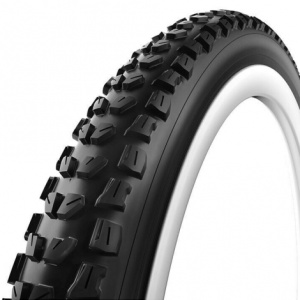
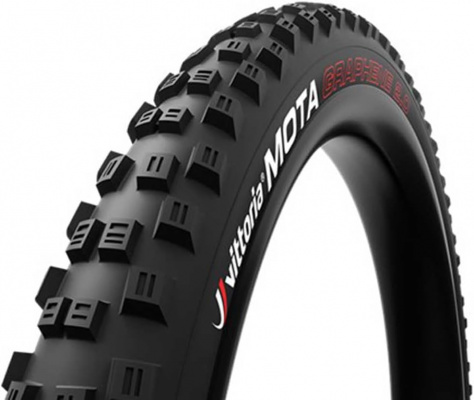
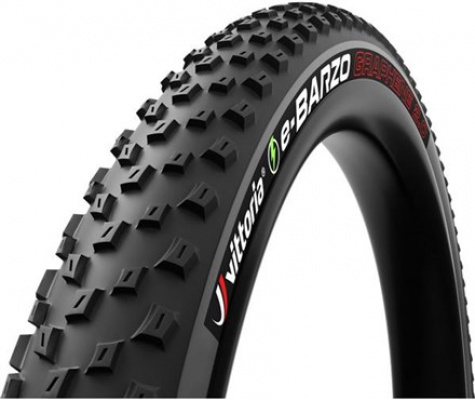
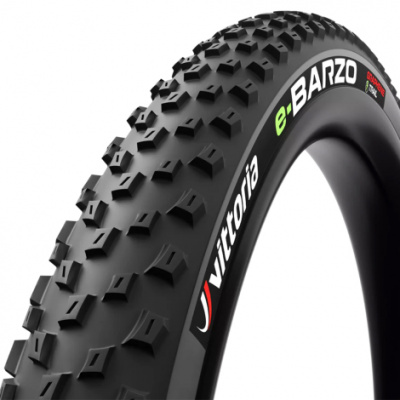
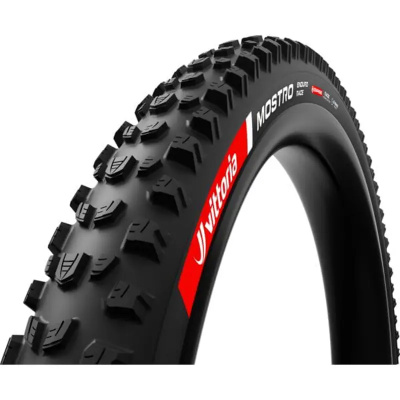
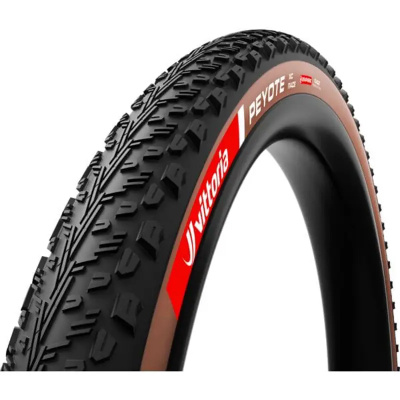
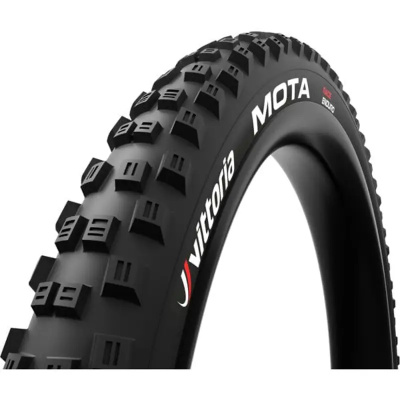
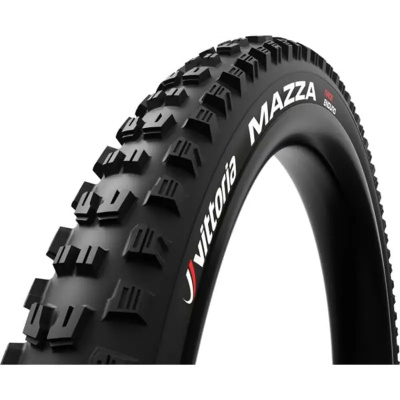
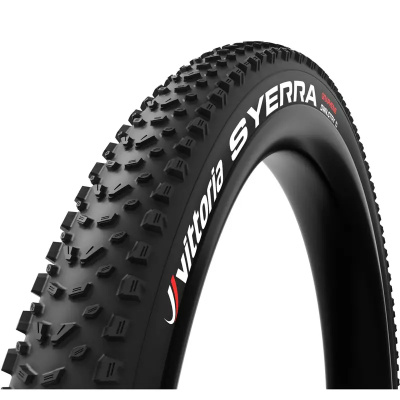
Prices and availability can change quickly. Delivery charges are not always included in listed prices.
Final price, stock status and delivery terms are set by retailer. We may receive a commission on purchases made.
Nailing Your Tubeless Setup: Rim Widths, Casings, and Compatibility
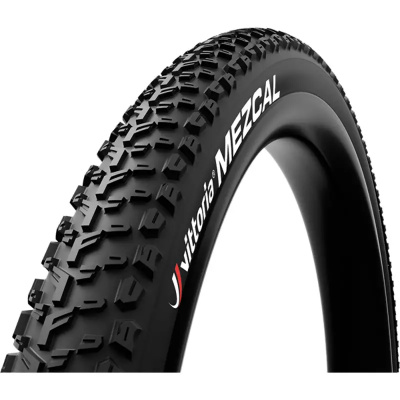
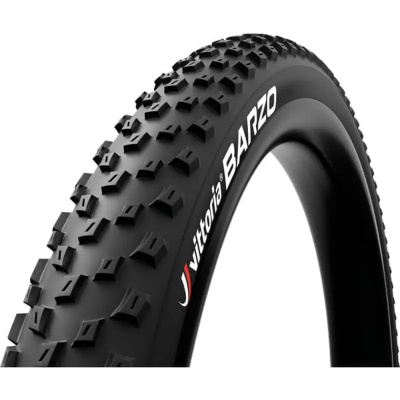
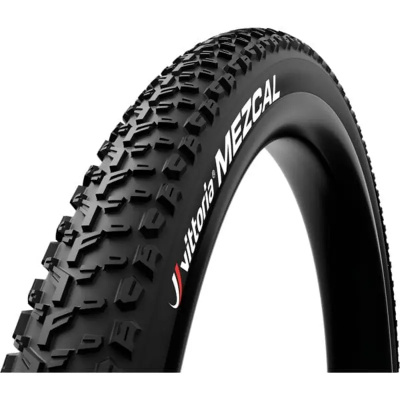
Getting Vittoria MTB tyres seated and sealed properly starts with rim width. For trail and enduro models - the Agarro, Mazza, Martello, Mota - you want an internal rim width of 25 - 30mm. That range lets the tread splay correctly and stops the sidewalls folding under hard cornering loads. XC models like the Barzo and Mezcal work best on 23 - 28mm internal widths, where the narrower profile keeps rolling resistance honest on faster, flatter ground.
On casings: TLR is Vittoria's standard tubeless-ready construction - lighter, more supple, ideal when you're watching every gram for an XC race or a fast day out. TNT (Tube/No-Tube) adds a reinforced sidewall layer. It's a touch heavier, but if you ride anywhere with sharp slate or flint - think the Brecon Beacons or the gritstone edges of the Peak District - TNT is the casing you want. Sidewall slashes are ride-enders; the TNT's extra reinforcement makes them far less likely.
Both casings run tubeless out of the box, but you'll need to do the job properly. Pair your tyres with Vittoria tubeless valves, add Vittoria sealant, and if you're on a particularly aggressive trail bike or a heavier rider, Vittoria tubeless inserts take the pinch-flat risk off the table entirely. Keep Vittoria inner tubes in your pack as a trail-side emergency option - tubeless setups are reliable, but a dramatic impact can still defeat them.
XC, Trail, and Enduro: Finding Your Tread Pattern
Vittoria's range is tidier than it first looks once you organise it by discipline. Start at the fast end.
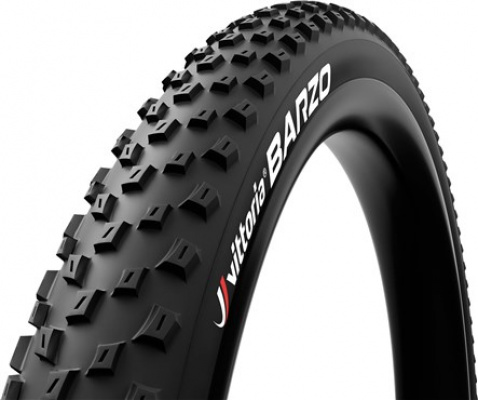
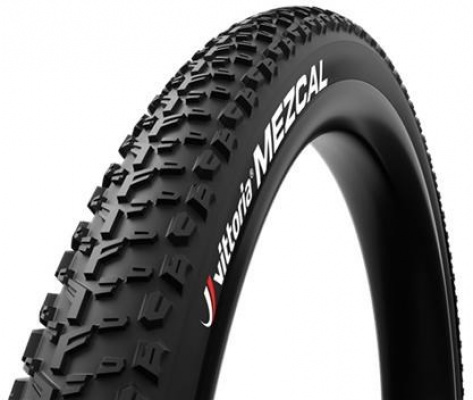
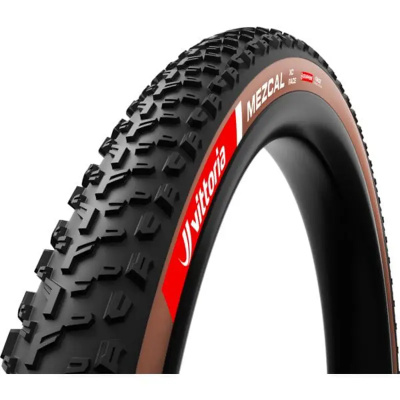
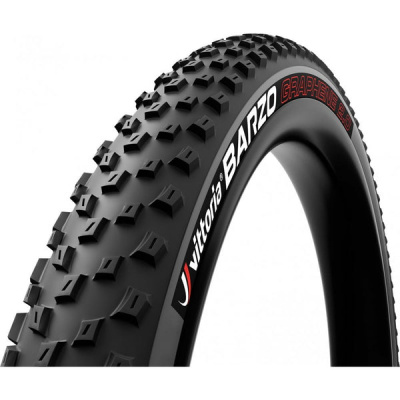
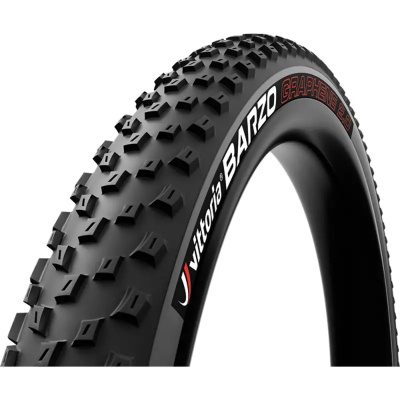
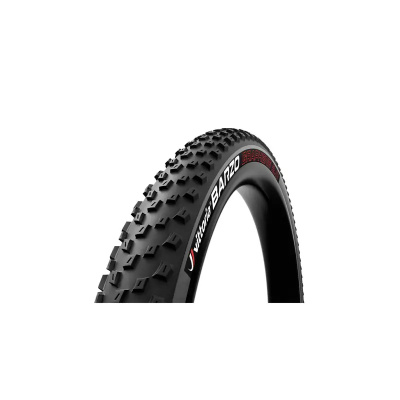
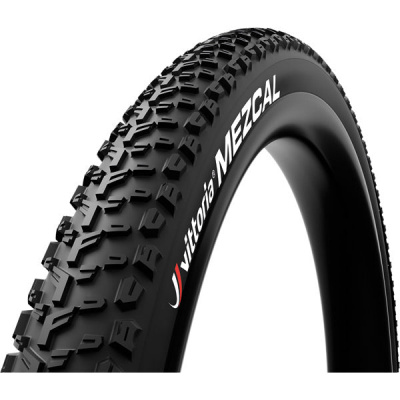
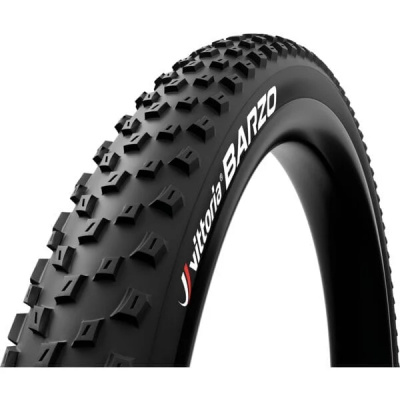
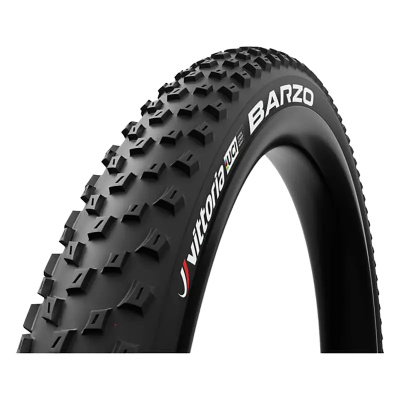
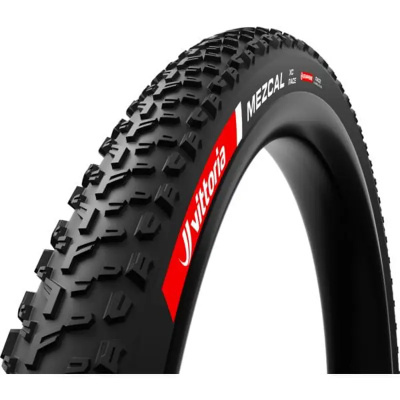
XC and downcountry riders typically run a Barzo up front and a Mezcal at the rear. The Mezcal is one of the faster-rolling mountain bike tyres you'll find - the centre tread is firm, closely spaced, and efficient on hardpack and dry loam. The 4C Graphene 2.0 compound means the side knobs stay softer than the centre, so you get cornering purchase without dragging extra rubber on the straights. The Barzo picks up where the Mezcal leaves off in the braking and steering department, with a slightly more open tread for front-end confidence. It's a pairing that makes sense for Vittoria XC race tyres and works well for the Barzo Mezcal combination on cross-country events or fast trail days.
Trail is where the Agarro lives. It's the tyre you'd reach for if you ride a UK trail centre regularly - Glentress, Cannock Chase, Afan - and want one tyre that handles both the flat-out bermed sections and the rooty, damp climbs. The tread isn't as aggressive as the enduro options, so it rolls with less effort, but the 4C side knobs give you predictable lean-angle grip when the trail gets slippery.
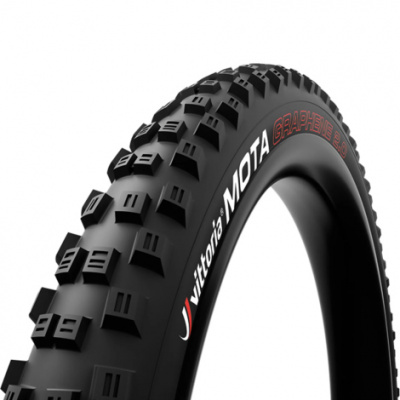
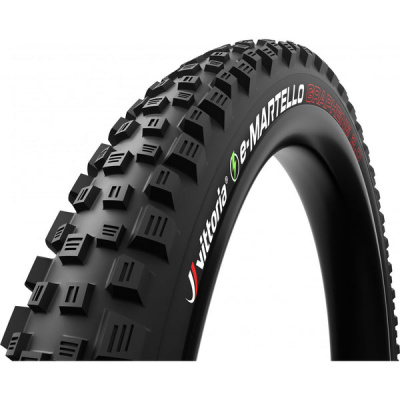
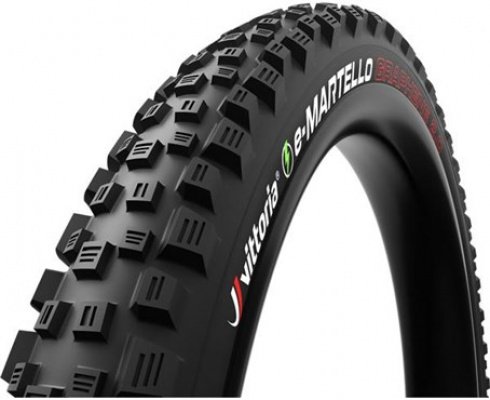
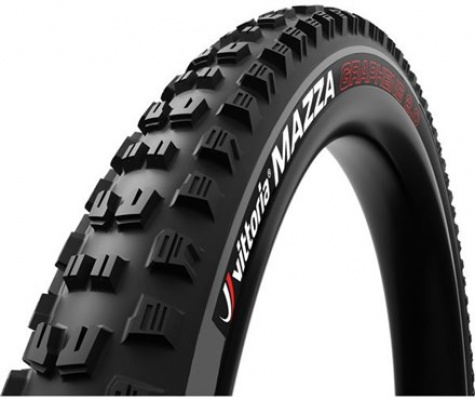
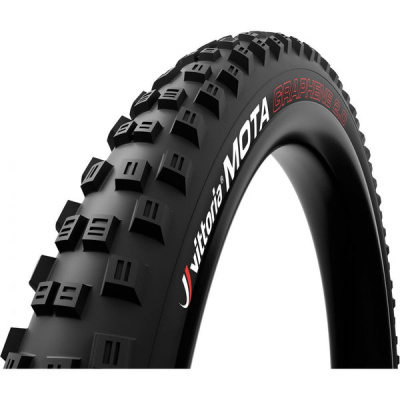
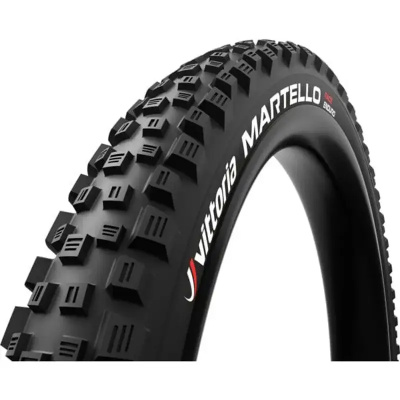
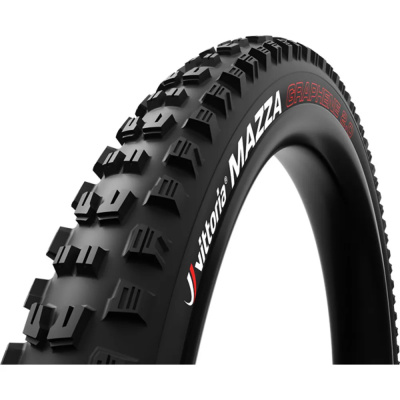
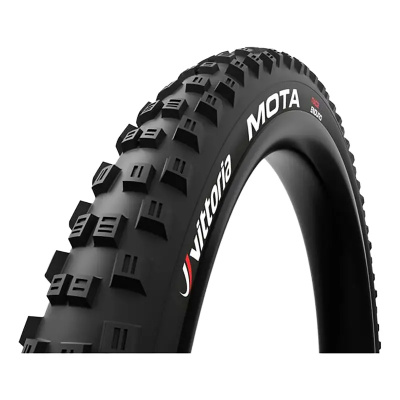
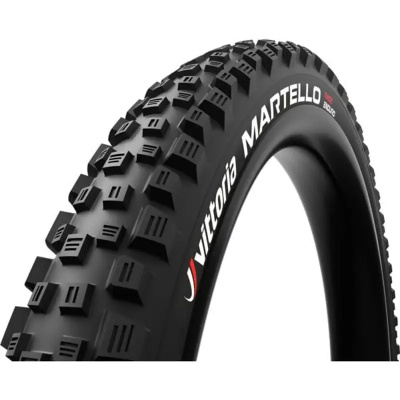
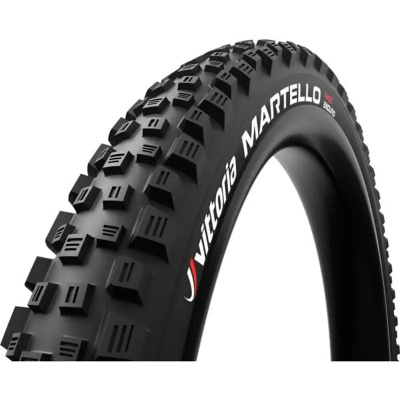
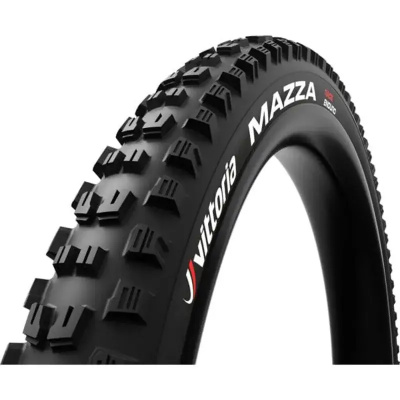
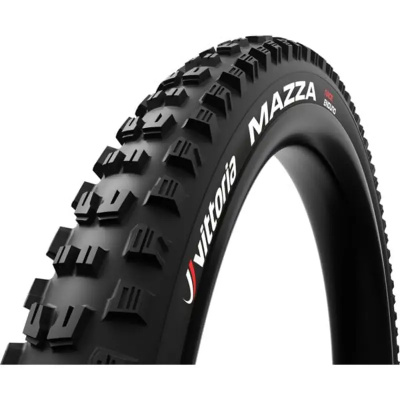
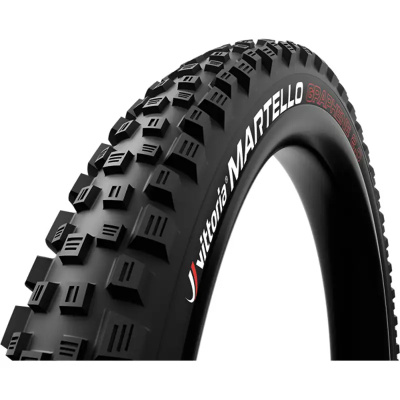
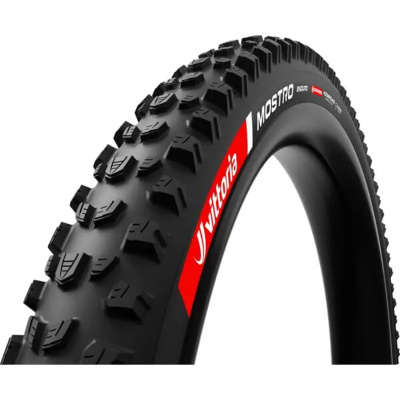
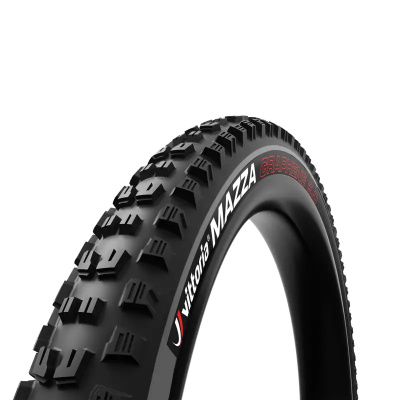
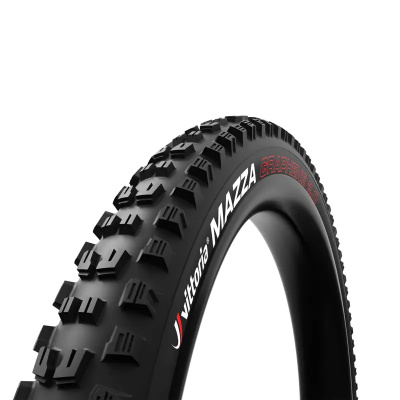
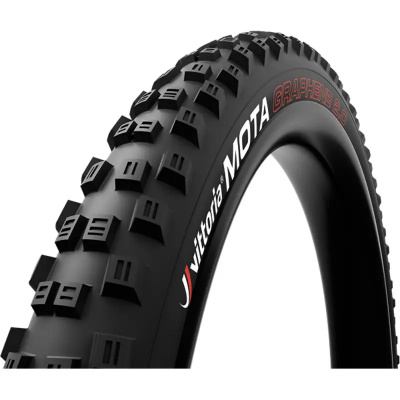
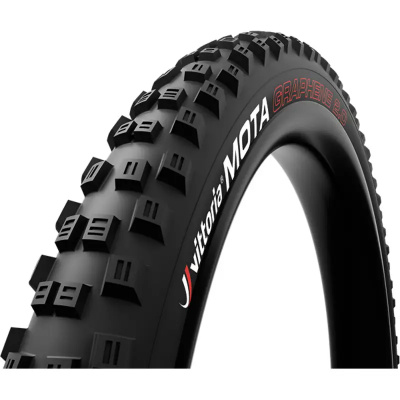
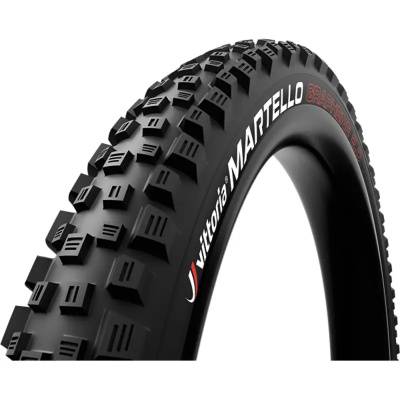
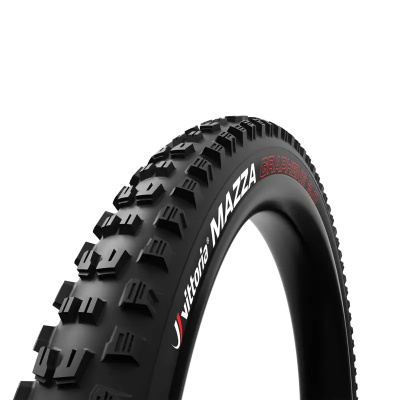
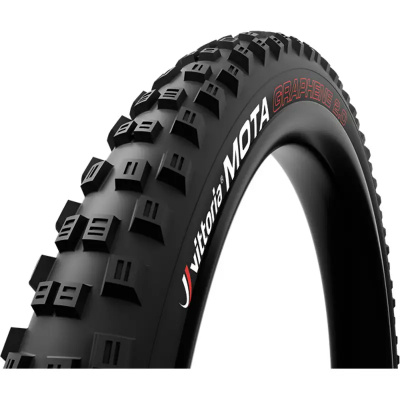
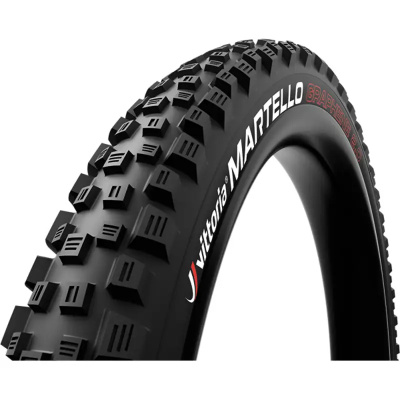
Enduro and gravity splits three ways. The Mazza is your general-purpose aggressive tyre - wide-spaced knobs, confident braking traction, and enough side-knob volume to hold an edge on loose-over-hard. The 4C compound runs softer here than on the Mezcal, prioritising grip over pure speed. The Martello steps in when conditions firm up and get rocky - it's more of a hardpack-and-chunk specialist, with tighter tread spacing and firmer overall feel. Then there's the Mota: when winter slop is genuinely deep and soft, the Mota's spike-style lugs dig in and clear mud fast rather than packing up into a useless disc of clay. It's not subtle, but neither is a South Wales December.
If you're weighing Vittoria against the broader market, Maxxis MTB tyres and Continental MTB tyres are the most direct comparisons - both offer similarly tiered compound systems, though Vittoria's Graphene 2.0 integration gives it a distinct character in wet-grip scenarios. Michelin MTB tyres are worth a look if you prioritise sidewall durability above all else, but Vittoria's TNT casing competes squarely in that space.
Keeping Vittoria Tyres Alive Through a UK Winter
UK trails don't do seasons neatly. You can get chalk dust in June and ankle-deep slop in September. Running Vittoria tyres well means understanding a few things that make a real difference over a season.
Pressure is your first dial to turn. Dropping 2 - 3 PSI below your summer baseline on wet, rooty ground lets the Graphene 2.0 compound conform to the surface rather than skimming across it. The tyre deforms slightly around each root and rock, which is exactly where the 4C compound earns its keep - the softer side knobs load up and grip rather than deflect. Don't go so low that you're risking burping the bead on hard impacts, but don't be afraid to experiment downward.
Sealant dries out faster than most riders expect, particularly through temperature swings. Top up your tubeless sealant every three to five months - more frequently if you're riding hard through autumn and winter. Shake the wheel before a ride; if you hear sloshing, you're fine. No sound at all means it's time to crack the bead and refresh. It takes ten minutes and saves you a puncture that'd take longer to fix in the rain.
The TNT casing is the right call for anywhere with sharp flint or slate - the North Downs, the Peak District's gritstone sections, or anywhere in Wales with exposed rock faces near the trail edge. Standard TLR casings handle most conditions well, but one bad slice from a flint edge can open up a sidewall beyond what sealant can handle. The extra few grams of TNT reinforcement are worth it if that's your regular riding ground.
Check your 4C side knobs for wear periodically. Because the side compound is deliberately softer than the centre, it wears faster - which is the trade-off for the grip advantage. When the side knobs start rounding off noticeably, cornering confidence drops before the centre tread looks remotely tired. That's your signal to replace, not the centre tread condition.
Vittoria MTB Tyres FAQs
Are Vittoria MTB tyres tubeless ready?
Yes. The vast majority of current Vittoria mountain bike tyres are designed to run tubeless. Check the sidewall for either a TLR or TNT marking - both are tubeless-compatible, with TNT adding a reinforced sidewall layer on top of the standard tubeless construction.
What is the difference between Vittoria TNT and TLR casings?
TLR is the lighter, race-oriented tubeless casing - supple and fast, best suited to XC or smooth trail riding where you're not regularly brushing sharp rock edges. TNT adds a robust extra sidewall layer, making it heavier but far more resistant to cuts from flint, slate, or jagged rock. If you ride in Wales or the Peak District regularly, TNT is the practical choice.
Which Vittoria tyre is best for mud and wet conditions?
The Mota is Vittoria's dedicated mud tyre - widely spaced, spike-style lugs that clear debris quickly rather than packing up. For mixed conditions with wet roots and loose loam rather than outright mud, the Mazza is a better daily option: aggressive enough to grip, versatile enough not to punish you on drier patches.