
System Ex Pedals
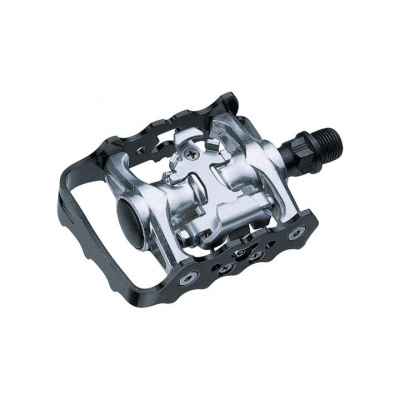
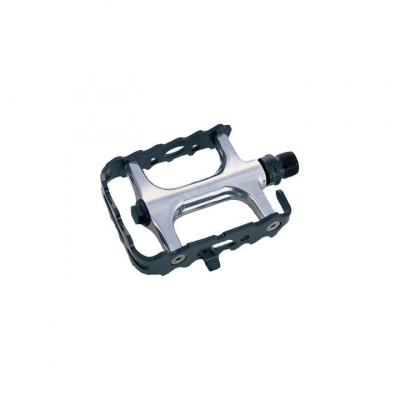
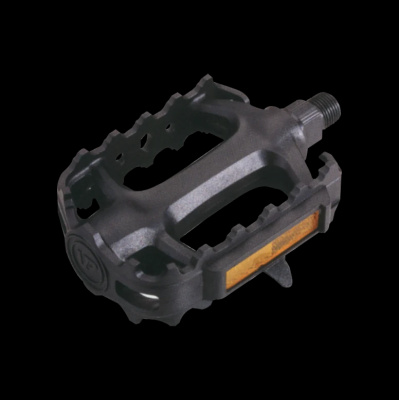
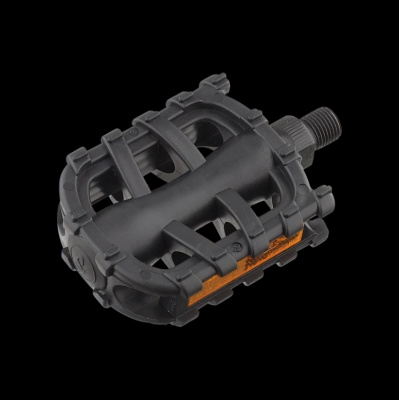
System Ex pedals are one of those quiet workhorses of the UK cycling scene - no fuss, no fragile internals, just solid alloy construction that gets on with the job. Whether you're threading through morning traffic on a fixie, building up a retro tourer, or simply replacing worn-out platforms on a hybrid, there's a model in the range that fits the brief without demanding a second mortgage.
The bodies are CNC machined from aluminium, which keeps weight reasonable while giving you the kind of structural rigidity that cheap stamped-steel pedals simply can't match. Underneath, Chromoly steel axles resist the bending forces that crop up under hard sprinting or just years of daily use. And critically for UK riding, the sealed cartridge bearing systems mean road salt and winter grit aren't quietly destroying your pedals from the inside every November. That matters more than most riders realise until they're standing over a seized spindle in a January car park.
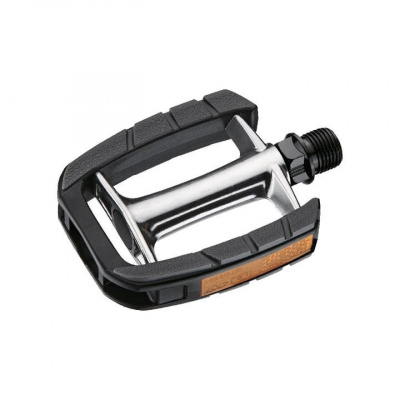
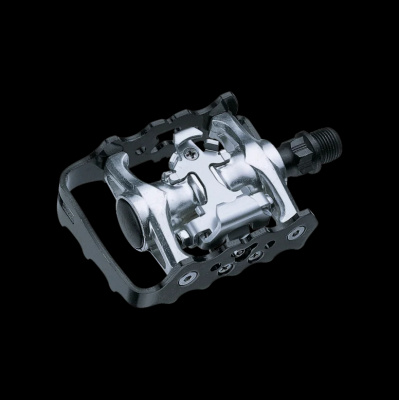
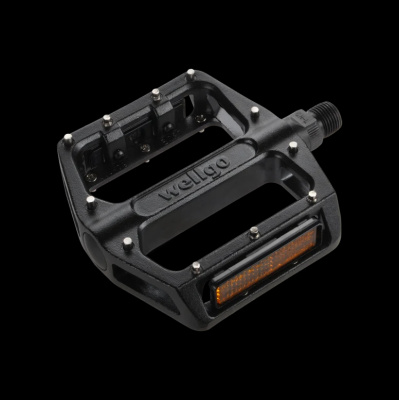
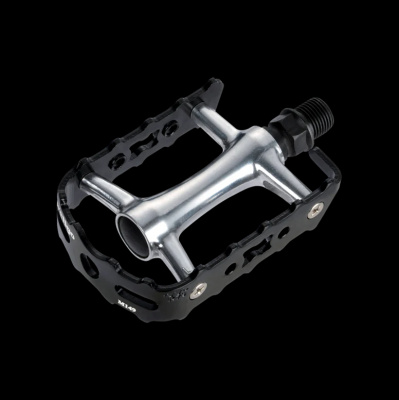
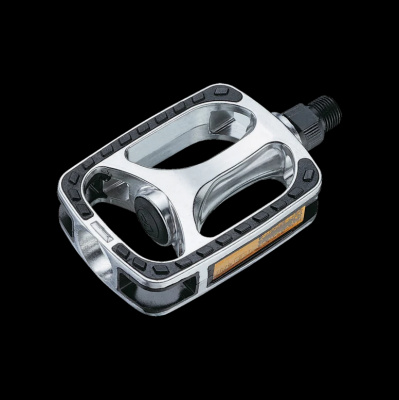
Track riders get a narrower profile designed around cornering clearance and toe-clip use. Commuters and casual riders get wider platforms with grip pins that actually hold your foot when the tarmac is wet. Both lines cover the standard 9/16" thread, so fitment on modern cranks is straightforward. Honest, dependable, keenly priced - System Ex pedals do what they say.
Prices and availability can change quickly. Delivery charges are not always included in listed prices.
Final price, stock status and delivery terms are set by retailer. We may receive a commission on purchases made.
Thread Standards and What Fits What
Nearly every System Ex pedal uses the industry-standard 9/16" thread, which is compatible with virtually all modern road, mountain, hybrid, and fixie cranksets. If your bike was bought in the last fifteen years and isn't an entry-level BMX with a one-piece crank, you're almost certainly in the 9/16" camp. The only exception worth knowing about is older or budget BMX one-piece cranks, which use a narrower 1/2" thread - and no, the two aren't interchangeable, so check before you buy.
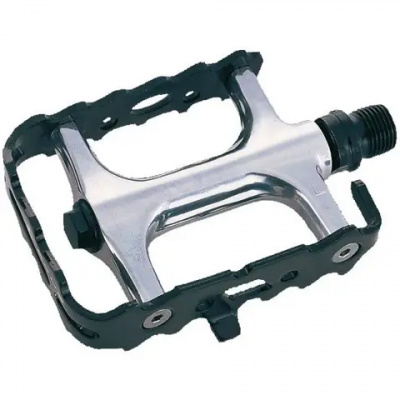
For track and fixie builds, several System Ex models are toe clip compatible, with pre-drilled cage plates that accept traditional toe clip hardware and leather or nylon straps. It's worth checking the specific model's cage geometry, because some wider platform versions are set up purely for flat use and don't carry the clip mounting holes. If you're building a proper track bike or a stripped-back city fixie and want that classic double-strap security, look at the dedicated track-oriented models in the range rather than assuming every System Ex pedal takes clips. When in doubt, the product listing will tell you - and if you're also sorting the drivetrain, the System Ex chainring range is worth a look at the same time.
Flat Pedals vs Track Pedals: Picking Your Model
System Ex splits its pedal range into two fairly distinct camps, and choosing the wrong one for your riding style is the kind of mistake that only costs you once.
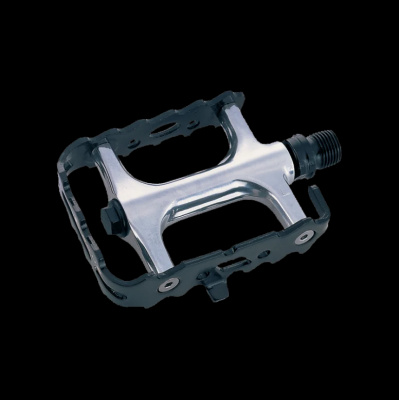
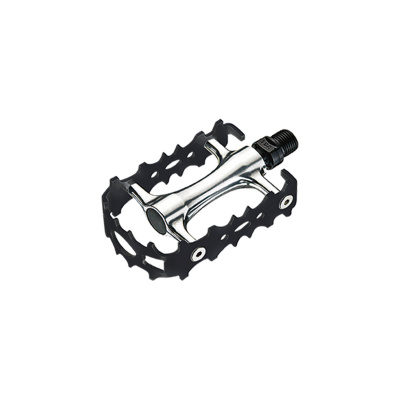
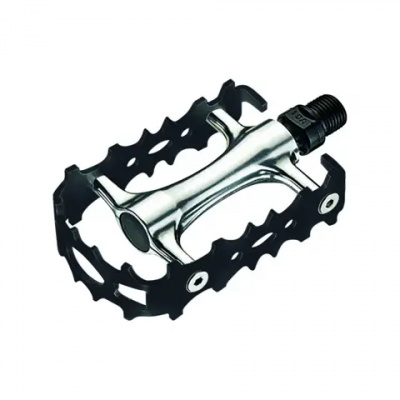
The track pedals run a narrower platform profile. That's deliberate - less pedal hanging below the crank means more cornering clearance on banked tracks or tight urban corners, and the cage shape is optimised for a shoe sitting central and locked in via toe clips and straps. These aren't the right choice if you're riding in ordinary trainers and just want something grippy to stand on.
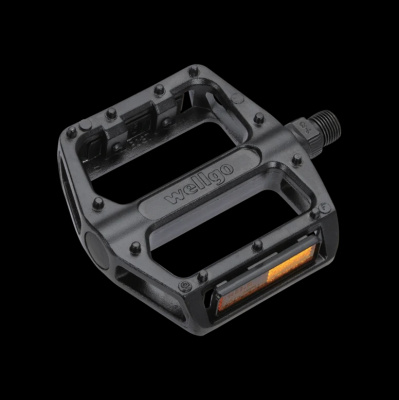
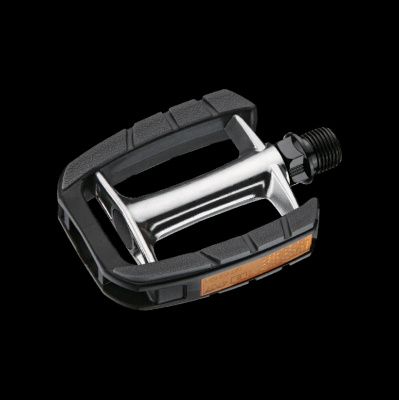
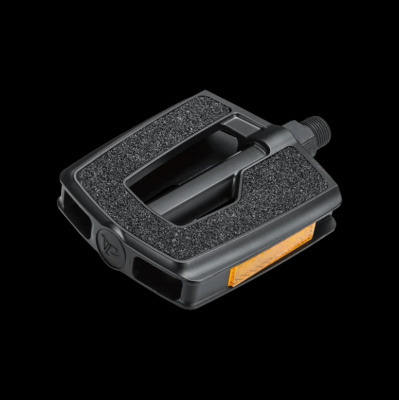
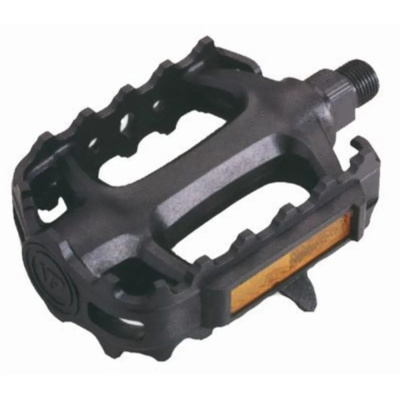
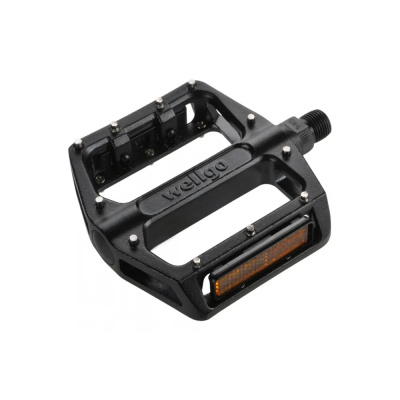
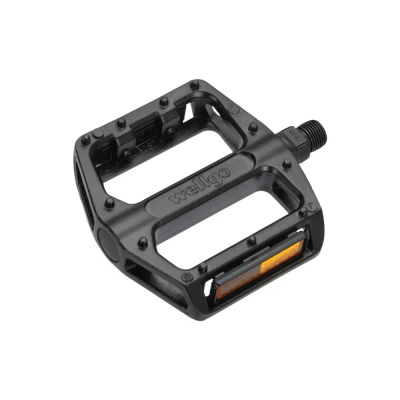
The flat and commuter pedals go the other direction: wider platform, more surface area underfoot, and grip pins threaded into the body to bite into the sole of whatever you're wearing. On a wet Wednesday commute into Leeds or a damp Saturday ride along the canal towpath, that pin grip is genuinely the difference between confident pedalling and your foot sliding off mid-stroke. The pins aren't aggressive enough to snag clipless shoe soles uncomfortably, but they're substantial enough to matter in normal footwear.
Both types benefit from the same core construction - CNC alloy body and Chromoly axle - so you're not compromising on durability whichever route you take. If you're weighing up alternatives, DMR pedals occupy a similar value-focused space for flat pedal riders, while MKS pedals are worth a look if you're leaning toward the track or touring side of things. For something a touch more budget-minded, M:Part pedals cover basic platform duties if the System Ex range is temporarily out of stock in your size.
The step up to sealed cartridge bearing models over loose-ball alternatives is worth paying for if you're riding year-round. Loose-ball pedals need periodic re-greasing and adjustment; sealed cartridge units just spin until they don't, and when they stop, you replace the cartridge rather than strip down the whole axle assembly on a workbench.
Keeping Them Running Through a UK Winter
UK winters are hard on pedal bearings. Road salt, standing water, and the kind of persistent damp that soaks into every unsealed component - it all adds up. The sealed cartridge bearing design in System Ex's better models is the main line of defence here, keeping contamination away from the bearing races where loose-ball designs would be quietly packing in by February.
Installation is where a lot of riders unknowingly cause their own problems. Always apply anti-seize compound or waterproof grease to the 9/16" spindle threads before threading them into the crank arm. Alloy cranks and steel axles are a classic combination for galvanic corrosion, and if you skip this step, you may find the pedals have bonded themselves to the crank by spring. A few seconds with a grease brush saves a lot of grief with a pedal spanner six months later.
One thing that catches people out: the left pedal is reverse-threaded. It tightens anti-clockwise. This isn't a System Ex quirk - it's a universal pedal standard designed to stop the left pedal unscrewing itself under pedalling forces - but it's easy to forget and easy to strip a thread if you force it the wrong way. Mark the axle with an L before you put them in the parts tray if you're swapping pedals around regularly.
For ongoing maintenance, wipe the platform and spindle area down after winter rides. If you feel lateral play developing in the axle over time, that's the cartridge bearings wearing. On most System Ex models the dust cap pulls off and the axle nut is accessible, so cartridge replacement is a manageable home workshop job rather than a reason to bin the whole pedal. If you're also due a saddle height refresh, the System Ex seatpost range is worth checking while you're at it. And if you want to see how System Ex sits against rivals at the same price tier, Gusset pedals are a useful comparison point for pin-platform models.
System Ex Pedals FAQs
What thread size are System Ex pedals?
The vast majority of System Ex pedals use the standard 9/16" thread, which fits modern road, mountain, hybrid, and fixie cranks. The only exception is older one-piece BMX cranks, which need 1/2" threads. Check your crank spec if you're unsure - the two sizes aren't interchangeable.
Can I fit toe clips to System Ex flat pedals?
Several System Ex track and commuter models have pre-drilled cage plates designed to accept standard toe clips and straps. Not every flat pedal in the range supports this, though - check the specific model's cage design before buying. The dedicated track-oriented models are the safest bet if toe clips are essential to your build.
How do I maintain the bearings on System Ex pedals?
Sealed cartridge bearing models need very little day-to-day attention - wipe away surface grit and check periodically for axle play. If you feel roughness or lateral movement developing, remove the dust cap and axle nut to access the cartridge. On most models the cartridge can be pressed out and replaced without specialist tools.