
Sweet Aero TT Helmets
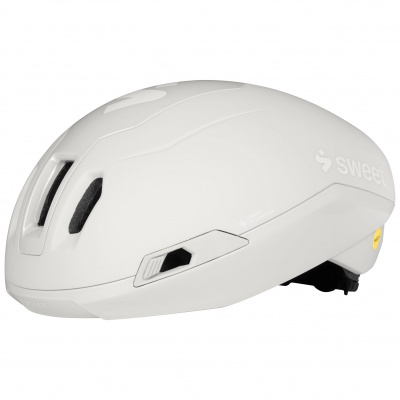
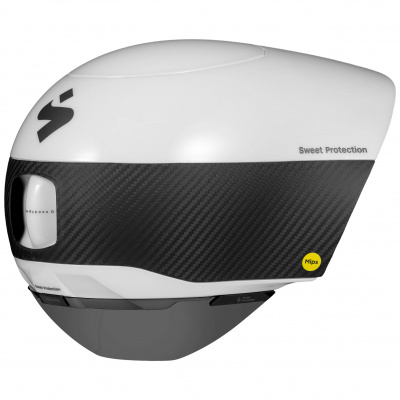
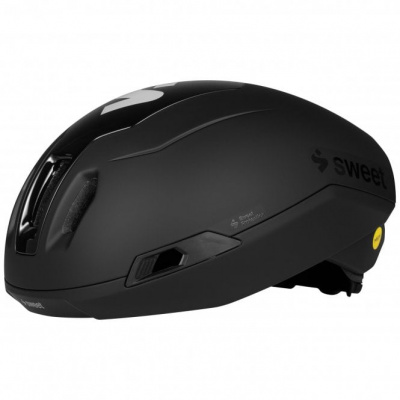
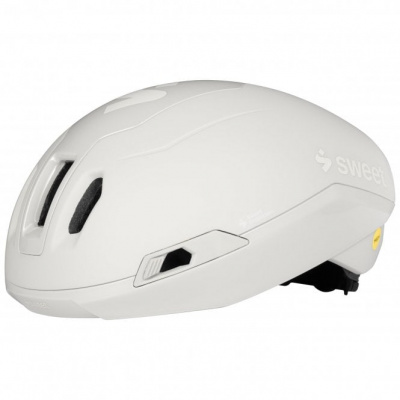
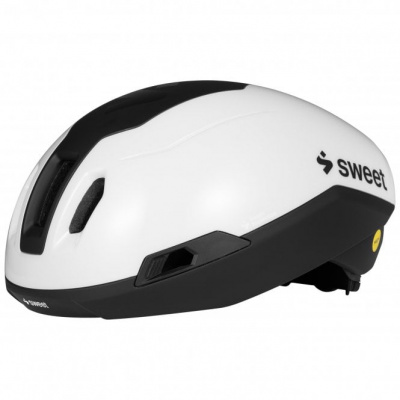
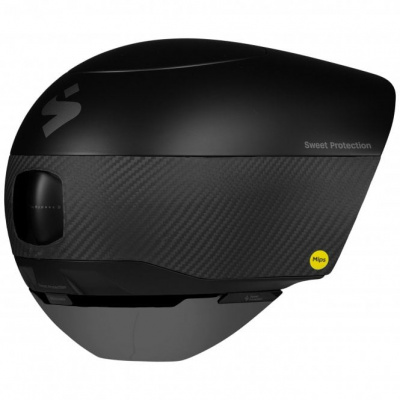
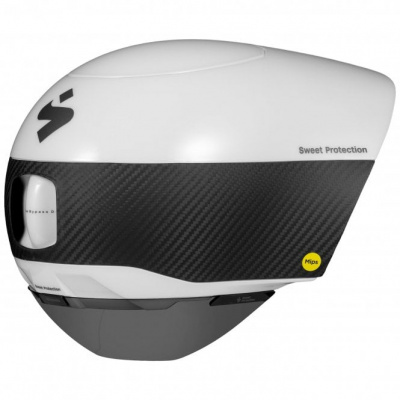
Sweet Aero TT Helmets are built around one idea: get you from start to finish line faster, without cutting corners on what keeps you safe. These are wind-tunnel tested lids engineered to reduce your drag coefficient in the aero tuck - the kind of marginal gain that adds up fast over a 10- or 25-mile course. The Kamm tail design at the trailing edge manages airflow cleanly off the back of the shell, which matters more than you'd think when you're riding exposed dual carriageways with a crosswind trying to pull your front wheel around. Sweet Protection pairs that aerodynamic shell with MIPS - Multi-directional Impact Protection System - so you're not trading safety for speed. The polycarbonate shell with EPS liner keeps the weight honest while the internal ventilation channels move enough air to stop your concentration unravelling when the effort bites. Magnetic visors give you optical clarity from the gun, with anti-fog properties that are genuinely useful on damp, humid early morning starts - the kind of grey Tuesday in April that makes up most of the UK TT season. If you're targeting a club event or a full-distance triathlon, Sweet's range is worth a close look.
Prices and availability can change quickly. Delivery charges are not always included in listed prices.
Final price, stock status and delivery terms are set by retailer. We may receive a commission on purchases made.
Aero Tech and Crosswind Performance
The shell shape on Sweet Protection's TT helmets does real aerodynamic work. Wind tunnel testing informs the profile at every angle, not just the optimistic straight-ahead position, because real riding - especially on UK dual carriageway TT courses - involves yaw. Crosswind stability comes from how the shell manages airflow around its sides, and the Kamm tail design at the trailing edge allows the air to separate cleanly rather than creating turbulent drag behind your head. That's the difference between a helmet that works at 25 mph into a headwind and one that starts to feel like a sail the moment the road turns.
The integrated magnetic visor system is one of the more practical pieces of engineering on these helmets. It snaps into place with a positive click, sits flush with the shell to preserve the aero profile, and comes off quickly enough during triathlon transitions that you won't be fumbling with it on the run to your bike rack. The optical clarity is strong, and the anti-fog coating handles the damp, muggy conditions that come with early morning British summer starts far better than an uncoated lens will. Keep the visor clean with a soft damp cloth - avoid anything abrasive or alcohol-based, which will strip the coating and leave you with a lens that mists at the worst moment. Sweet sunglasses pair naturally with the system on open-visor days when conditions allow.
Internal ventilation channels run through the EPS liner to move air across your scalp during hard efforts. They're not as generous as a road helmet's open vents - that's the trade-off you accept for drag reduction - but they're enough to prevent the kind of heat build-up that degrades performance on a muggy August evening TT. Sweet's approach balances the aero profile against cooling more honestly than some rivals, and it's a trade-off worth understanding before you buy.
Fit, Sizing, and What Makes a TT Helmet Different
An aero TT helmet fits differently to your everyday road lid, and getting that fit right is where the aerodynamic gains are either confirmed or thrown away. The helmet needs to sit low on the forehead - lower than you might instinctively place it - to minimise your frontal area. If it rides high, the tail won't align with your spine in the aero tuck, and you'll be pushing a blunt shape through the air rather than a clean one. Sweet's retention dial system lets you micro-adjust the fit until the helmet is secure without pressure points. It should feel snug but not tight, with no rocking when you shake your head.
The tail alignment question is the most common thing riders get wrong. In your aero tuck - elbows on the pads, back flat - the trailing edge of the helmet should sit flush against the back of your neck and upper back, forming a continuous line from helmet to jersey. If your head position in the tuck is more upright than that, the tail will stick out and create drag rather than reduce it. It's worth checking this on a turbo or with a training partner before race day, not for the first time at the start line. The fit system helps, but body position does the heavy lifting here.
Sweet's TT and triathlon range covers different head shapes and race disciplines, so check the sizing guide carefully - aero helmets are less forgiving of a slightly-off size than a vented road helmet with adjustable padding. If you need something for everyday riding, sportives, or gravel days rather than racing, the broader Sweet helmets range covers those use cases properly and is worth browsing separately. This page is strictly for the TT and triathlon end of the spectrum.
Compared to what Giro's aero TT helmets offer at a similar level, Sweet Protection tends to prioritise the safety certification side - MIPS inclusion is consistent across the range rather than reserved for top-tier models. Kask's TT offerings lean into Italian fit profiles that suit narrower heads, while POC's aero helmets favour a rounder shell shape and a more forensic approach to impact management. Sweet sits comfortably in that company.
Race Setup, Transitions, and Keeping the Kit in Good Shape
Integrating the helmet into a race setup is straightforward once you've done a dry run. In transition, the helmet tail is the part most likely to take a knock - it's the most structurally exposed section of the shell, and a crack there isn't always visible to the naked eye. Pack it in a helmet bag or wrap the tail in a soft layer inside your transition bag rather than letting other kit pile on top of it. A damaged aero tail won't just hurt your drag numbers; if the EPS liner is compromised, the helmet's protection is reduced.
Visor care is simple but specific. Rinse with clean water after muddy or spray-heavy rides. Use a microfibre cloth for smears - never a dry tissue, which scratches polycarbonate faster than you'd expect. The magnetic attachment means the visor is easy to remove for cleaning and drying separately, which is the right habit to build. Store it face-down on a soft surface or back in its sleeve. An anti-fog coating that's been scratched is worse than no coating at all, because it scatters light at the edges while fogging in the middle.
For a full race kit that hangs together aerodynamically, think about how the helmet works with your eyewear on open-visor days. The flush fit of Sweet's magnetic visor means there's no gap for air to catch, but if you swap to separate glasses, make sure the frame sits inside the helmet's lower edge rather than bridging it. Small details, but they're the ones that matter when you're deep in the red on the back half of a 25.
Sweet Aero TT Helmets FAQs
How should a Sweet aero TT helmet fit?
It should sit snug and low on your forehead, with no rocking or pressure points. The retention dial lets you fine-tune the hold. Critically, the tail of the helmet needs to sit flush against your back when you're in your aero tuck - that's the position that makes the aerodynamics work as intended.
Are aero helmets worth it for time trials?
For most riders, yes - an aero helmet is one of the most cost-effective speed gains you can make. Research consistently shows savings of 30 to 60 seconds over a 25-mile TT compared to a standard vented road helmet. The faster you ride, the more drag reduction matters, but the benefit is real even at club-level pace.
Do Sweet aero helmets come with a visor?
Most Sweet Protection TT helmets include an integrated magnetic visor as standard. It snaps on and off cleanly, maintains a seamless aero profile when fitted, and is quick enough to remove during triathlon transitions. Check the individual model listing to confirm visor inclusion, as spec can vary across the range.