
POC Aero TT Helmets
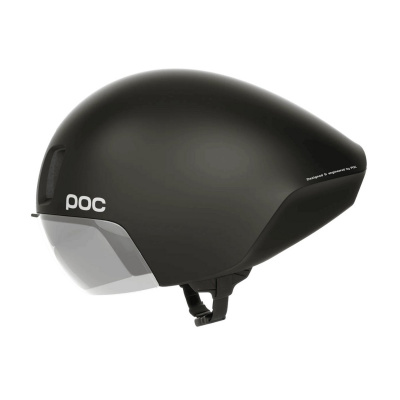
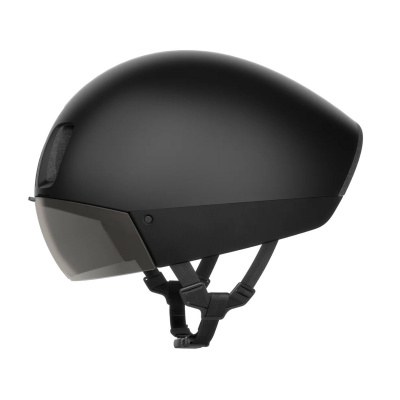
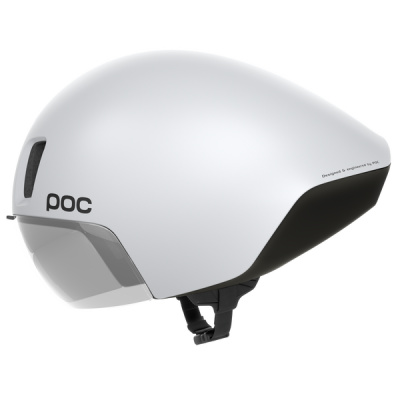
POC Aero TT Helmets are built around one principle: get you to the finish line faster without compromising your safety. Every shape in the range has been developed through extensive CFD testing and wind tunnel validation, reducing aerodynamic drag where it matters most - at the trailing edge, where turbulence costs you watts. These aren't road helmets with delusions of grandeur; they're purpose-engineered for riders who take the clock seriously.
Whether you're pinned in a rigid position on a 10-mile district course or pacing yourself through an Ironman, POC has a model tuned to your effort. The magnetic Zeiss visors sit flush with the shell to keep airflow clean and your vision sharp, even when humidity is doing its worst at a 7 a.m. start. EPS liners are shaped to protect without adding unnecessary bulk, so you're not carrying dead weight through every pedal stroke.
If you're weighing up a POC time trial helmet against alternatives from Kask, Giro, or MET, this guide breaks down the range so you can match the right lid to your position, discipline, and race-day conditions.
Prices and availability can change quickly. Delivery charges are not always included in listed prices.
Final price, stock status and delivery terms are set by retailer. We may receive a commission on purchases made.
The Science Behind the Shapes
POC's aero development isn't just wind tunnel theatre. CFD testing drives the fundamental geometry of every helmet in the range, mapping airflow across the shell surface to identify where drag accumulates and cutting it back at the source. The focus lands heavily on the trailing edge - that rearward section of the helmet where separated airflow creates a turbulent wake. Tighten that edge, and you reduce the pressure differential pulling you back. It's the same logic applied to aero bars and skinsuits, just applied to what's sitting on top of your shoulders.
The magnetic Zeiss visors are worth understanding properly, because they're not just a convenience feature. They lock flush to the helmet shell, eliminating the gap that conventional clip-in visors create. That gap is a turbulence source. The Zeiss optics give you genuine optical clarity rather than the slight distortion you get from budget polycarbonate lenses - relevant when you're tracking a wheel or reading a gradient mid-effort. Anti-fog coating matters too: anyone who's started a damp October morning TT knows how quickly a visor can cloud over inside the first kilometre. The snap-off magnetic mechanism also means a quick swap between tinted and clear lenses on race morning, no tools, no fuss.
Beneath the shell, targeted EPS liners provide impact protection without the padding bulk that traps heat or shifts the helmet's centre of mass. Venturi-effect ventilation channels - where internal geometry accelerates airflow through the helmet - help manage heat on longer efforts, which is more relevant than many riders expect even in a UK September.
Choosing Between the Tempor, Cerebel and Procen
The POC range splits along rider position, and getting that match right is what separates a fast helmet from a fast-feeling one that's actually costing you time.
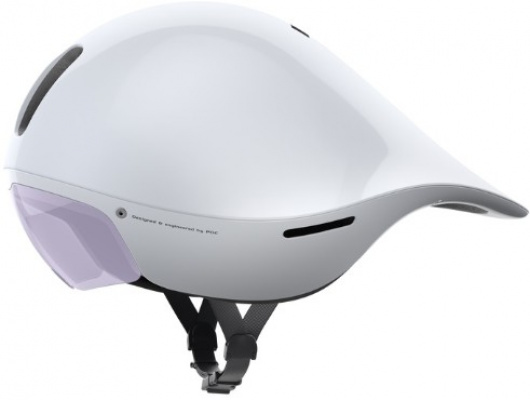
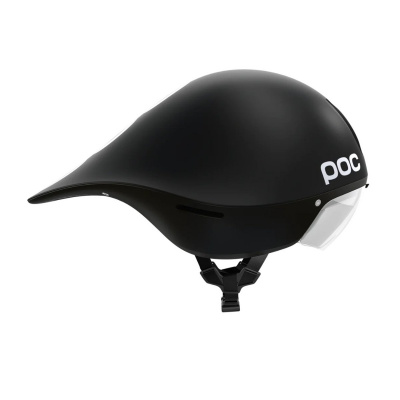
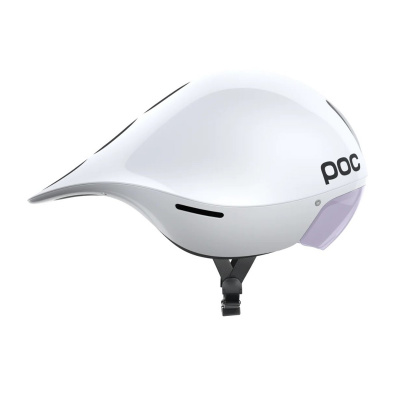
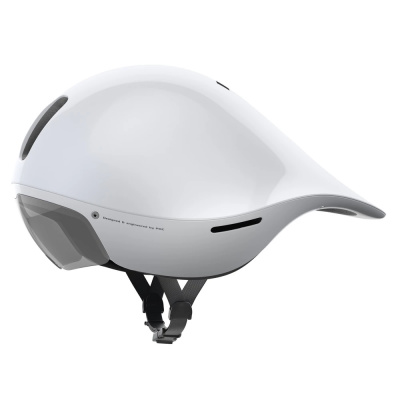
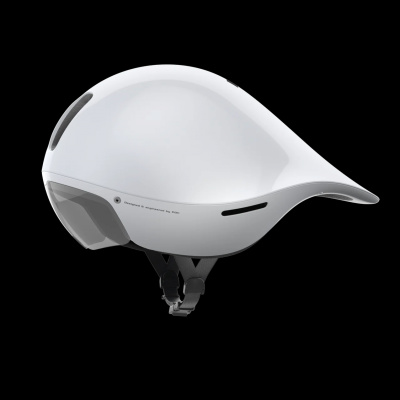
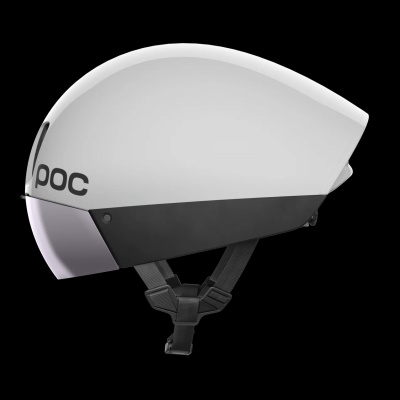
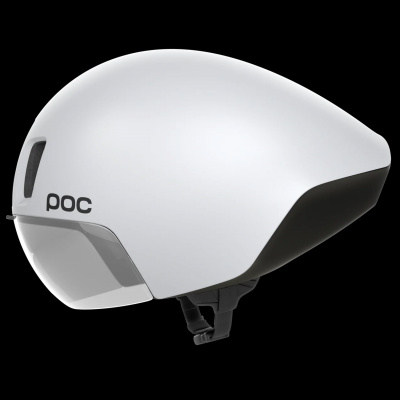
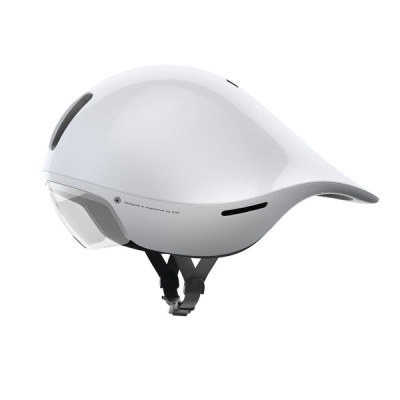
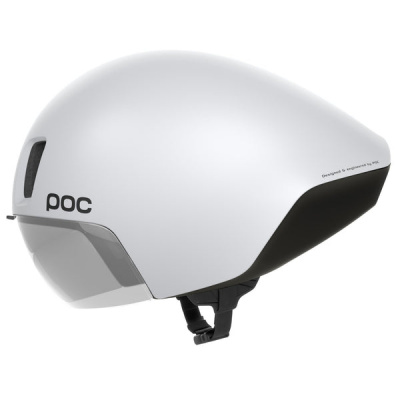
The POC Tempor is the most aggressive option. Its wide, sculpted trailing edge is designed to direct air smoothly over your shoulders when you're locked into a strict, low-head TT position. Hold that position and the aerodynamics work exactly as intended. Drop your gaze or raise your head and the drag penalty climbs - which is why this helmet suits riders who've put the hours in on the turbo and can genuinely hold their position through a 25-mile effort without drifting. It's a specialist tool, not an everyday lid.
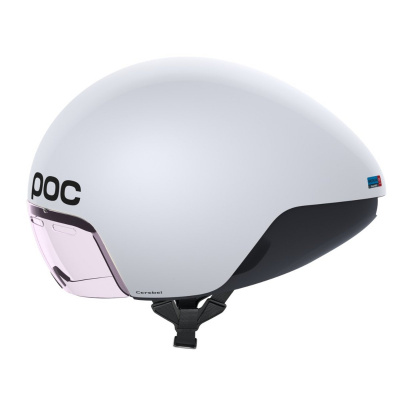
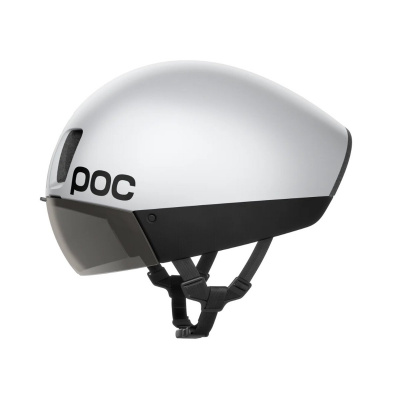
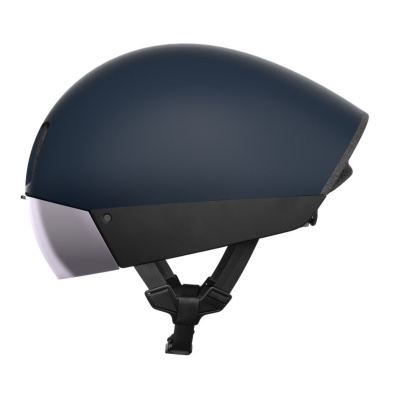
The POC Cerebel takes a different approach. It's compact - closer to an aero road helmet than a traditional long-tail TT design - and its shape is tolerant of head movement. If you glance down to check your power numbers or shift slightly in the saddle, the Cerebel doesn't punish you with a sudden drag spike. For riders who move dynamically or are still developing their position, it's the more practical choice, and it works well for criteriums and circuit racing where you're constantly adjusting.
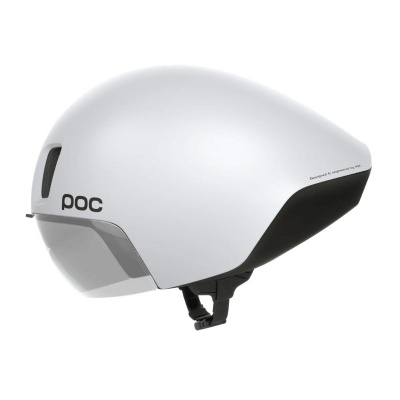
The POC Procen sits between the two in terms of use-case, with additional ventilation channels that make it viable for triathlon run legs and prolonged efforts in warmer conditions. Triathletes specifically benefit from its balance of aero performance and thermal management - you're wearing this for hours, not minutes.
Looking for off-road or standard road protection? Head over to our POC Full Face Helmets collection or browse the broader Kask aero range if you want to compare across brands before deciding.
Pair any of these helmets with a fitted POC base layer or POC jersey and you're removing the next aerodynamic weak point - fabric flutter around the torso - which is where many riders leave more watts than they realise.
How These Helmets Perform on UK Courses
UK time trial courses are rarely forgiving. Exposed dual carriageways across the East Midlands, the South Downs, the Yorkshire Wolds - they put crosswind stability to the test in a way that a sheltered velodrome never does. A helmet with a deep, rigid trailing edge can act like a sail in a 20mph crosswind, requiring constant micro-corrections that drain energy and focus. The Cerebel's compact profile handles these conditions more confidently than the Tempor, which is worth factoring in if your local course is open and exposed rather than tree-lined and sheltered.
Visor fogging is a genuine concern on early morning UK start lines, particularly in spring and autumn when the air is cold and your core temperature climbs fast once you push off. The Venturi-effect ventilation channels in the Procen and Cerebel help equalise pressure inside the helmet, reducing the temperature differential that causes fogging. Combined with the anti-fog Zeiss visor coating, it's a meaningful advantage over helmets relying on basic venting.
Head position variability across rolling courses - think the lumpy 10-mile circuits common in the North West or the Welsh Marches - also favours the Cerebel and Procen over the Tempor. Cresting a rise naturally lifts your head slightly; the Tempor's aero profile is less forgiving of that than its siblings. If your home course has any genuine climbing in it, factor that into your choice.
For riders comparing POC against the broader market, Specialized's aero TT range is a comparable reference point worth checking, and POC's aero socks are a low-cost marginal gain worth stacking alongside whichever lid you choose.
POC Aero TT Helmets FAQs
Are POC aero helmets good for triathlons?
Yes, particularly the POC Procen and POC Cerebel. Both accommodate the head movement and positional shifts that come with triathlon pacing, and neither punishes you aerodynamically when fatigue sets in on the bike leg. The Procen's ventilation also makes it more comfortable through longer efforts than a rigid long-tail TT design.
What is the difference between the POC Tempor and Cerebel?
The POC Tempor uses a wide, sculpted trailing edge that channels air over your shoulders - but only works as intended when you're holding a strict, static TT position. The POC Cerebel is a compact aero helmet that maintains low drag even with head movement, making it the more versatile choice for riders who aren't locked in or who race on varied courses.
Do POC TT helmets come with a visor?
Most POC Aero TT helmets include a magnetic Zeiss visor as standard. The magnetic fitting sits flush with the shell to avoid turbulence, and the snap-off design lets you switch between tinted and clear lenses quickly on race morning depending on conditions.