
Sweet Helmets
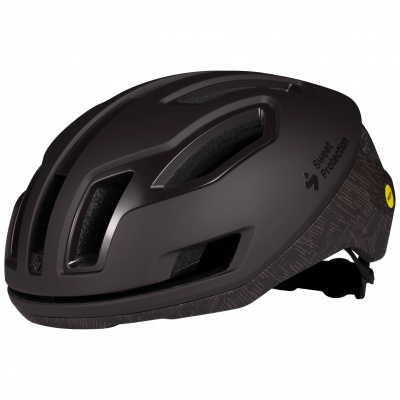
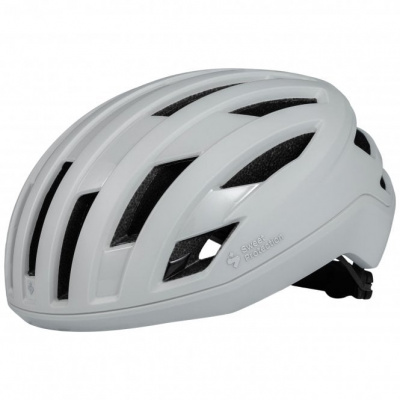
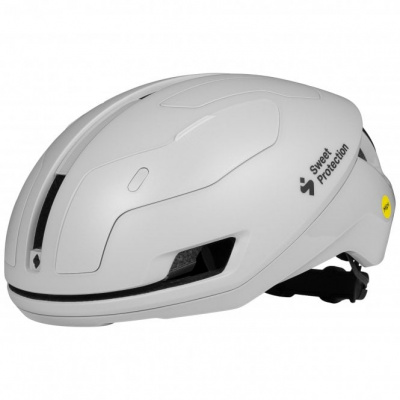
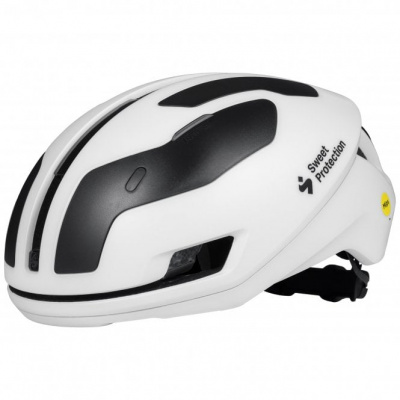
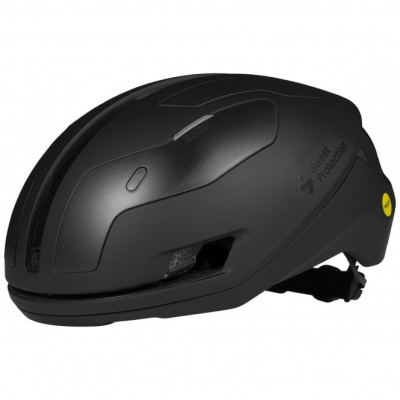
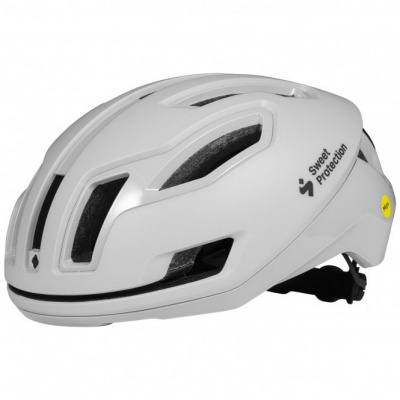
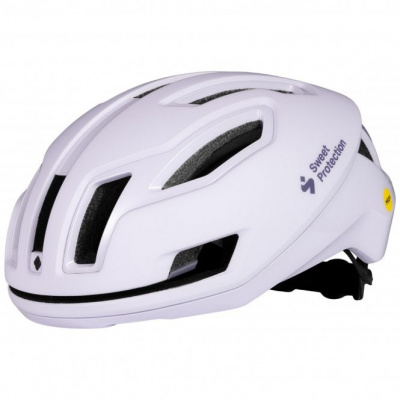
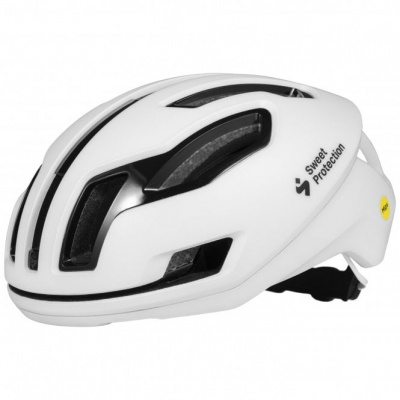
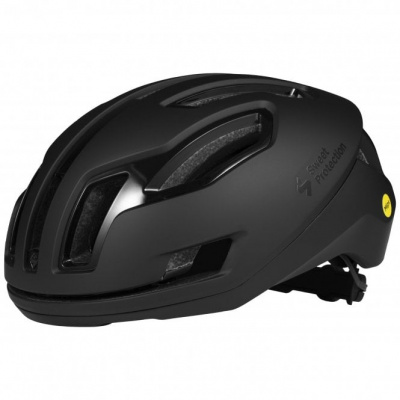
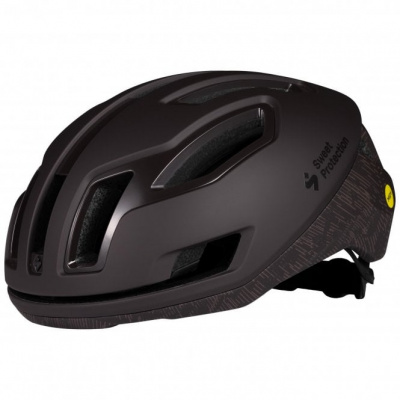
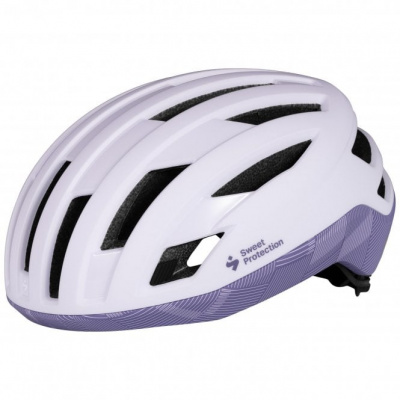
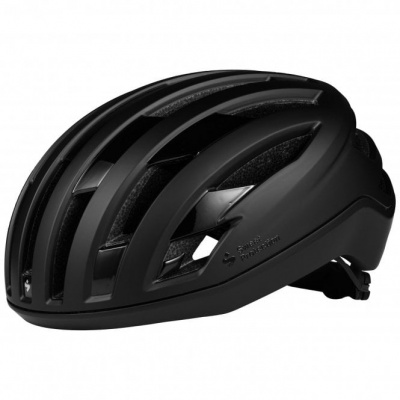
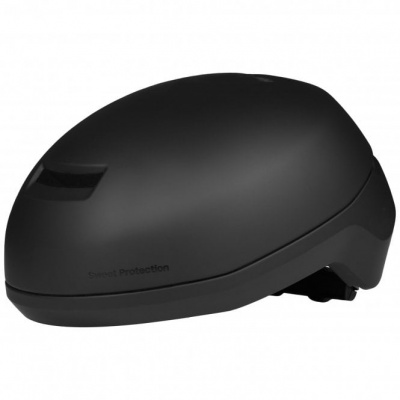
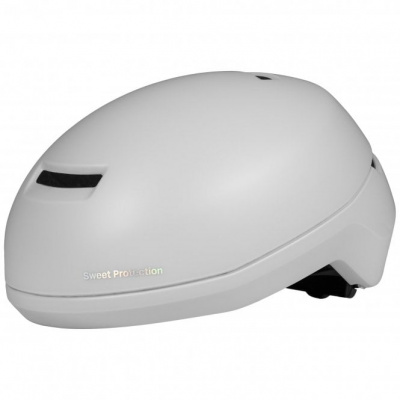
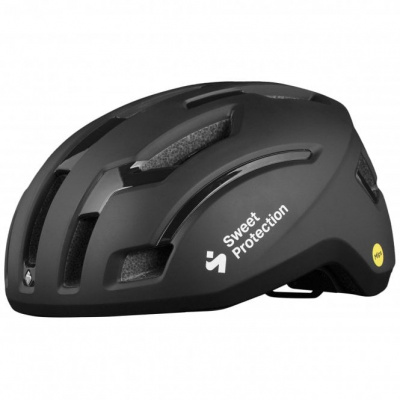
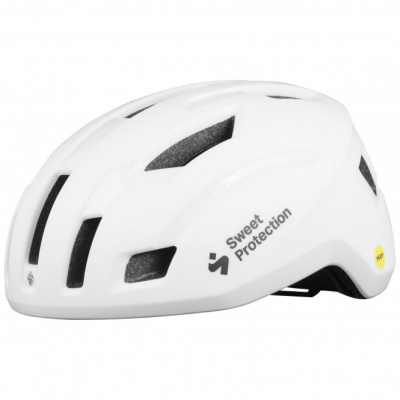
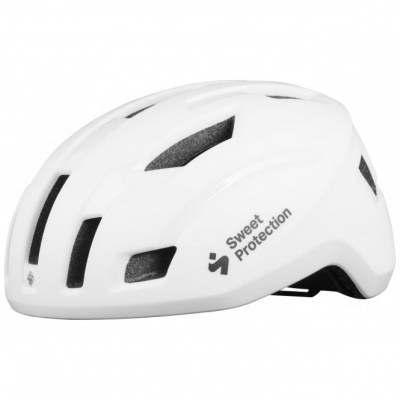
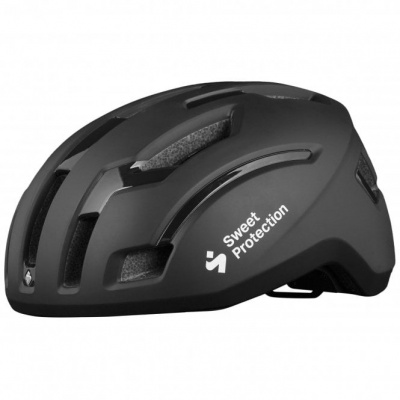
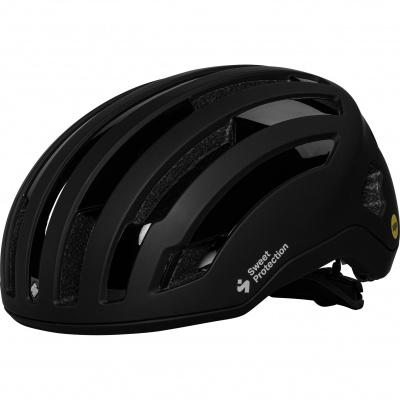
Sweet Protection Helmets come from a Norwegian brand with a straightforward obsession: build the most protective lid possible without making you feel like you're wearing a crash barrier on your head. That philosophy shows up in every detail, from the 4-piece variable elasticity polycarbonate shell that flexes and disperses impact forces rather than simply cracking, to the Mips liner that manages rotational energy in an oblique hit - the kind that happens most often in real crashes, not lab drop-tests.
These are helmets for riders who've thought about what a bad day on the bike actually looks like. Dedicated road cyclists, gravel riders picking through loose limestone on the South Downs, and mountain bikers who know full well that a trail can turn technical faster than the weather. Sweet's range covers all three disciplines properly, with models built around the specific demands of each.
The STACC ventilation system and Occigrip dial fit put Sweet apart from the crowd on comfort and cooling, not just protection ratings. You get a helmet that works hard on a steep, sweaty climb and doesn't punish you on the descent. That balance is harder to achieve than the spec sheets suggest - Sweet have managed it.
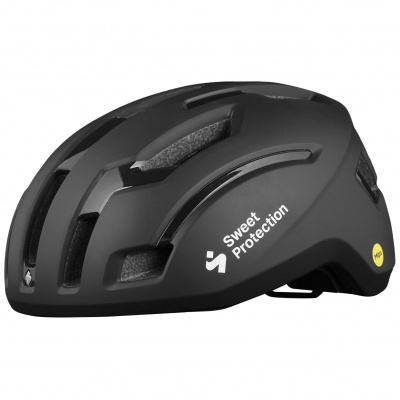
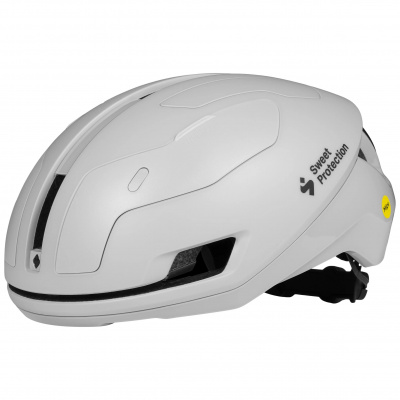
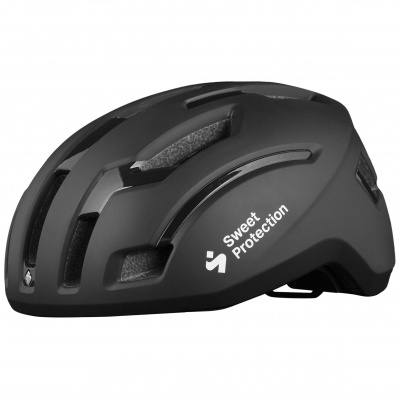
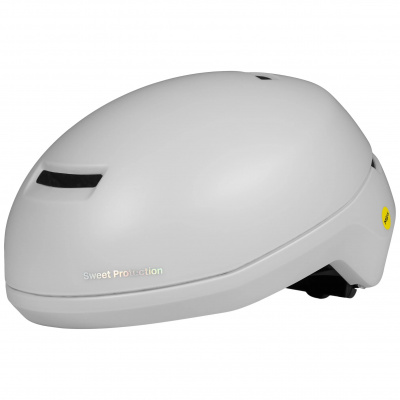
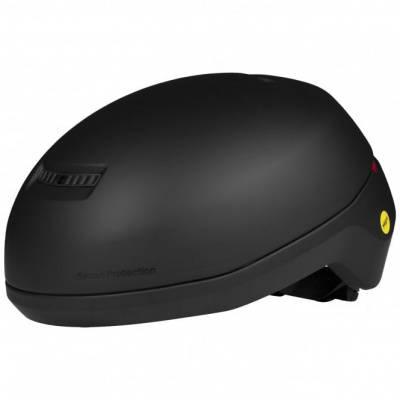
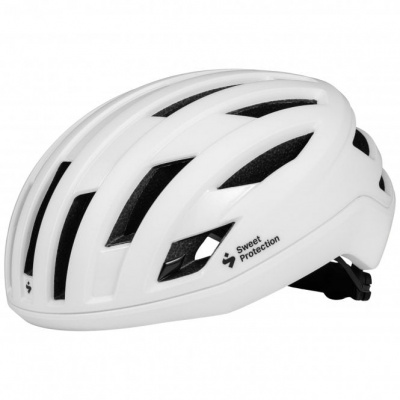
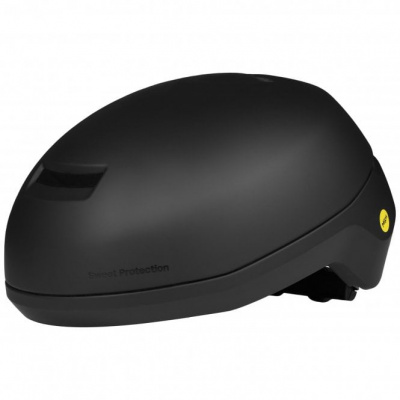
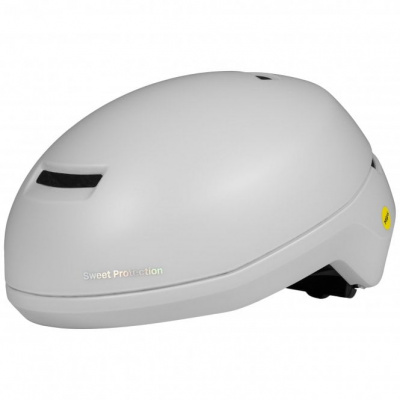
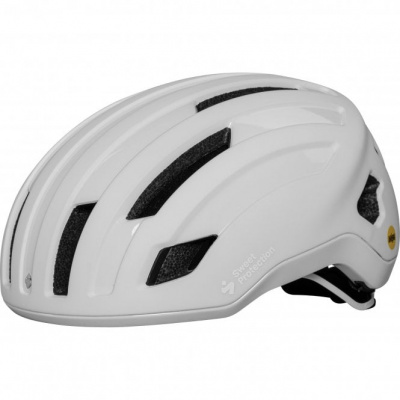
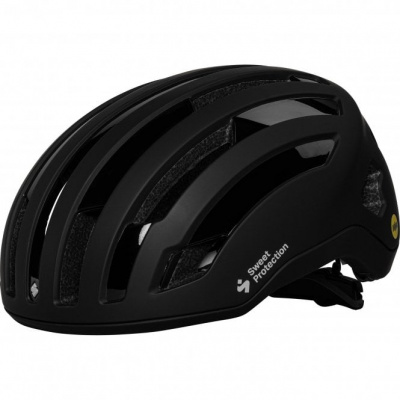
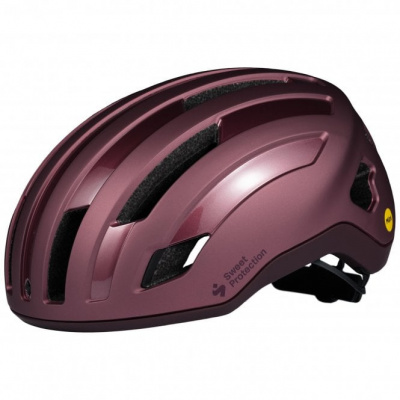
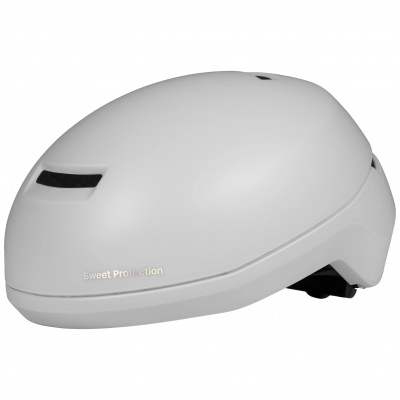
Prices and availability can change quickly. Delivery charges are not always included in listed prices.
Final price, stock status and delivery terms are set by retailer. We may receive a commission on purchases made.
How the Shell, Mips, and STACC System Actually Work
The 4-piece variable elasticity shell is the foundation. Rather than a single rigid polycarbonate shell that transmits force in one direction, Sweet's construction uses four interlocking sections that can move independently under load. Combined with a dense EPS liner beneath, this gives the helmet a layered response to impact - absorbing and redirecting energy across a wider area. It's a meaningful engineering difference, not a marketing one.
Mips - the Multi-directional Impact Protection System - sits between the EPS liner and your head as a low-friction layer. In an angled impact, your skull can shift a few millimetres independently of the helmet shell. That matters because rotational force is what causes the most serious brain injuries; a direct hit is relatively rare. Nearly every Sweet cycling helmet in the current range includes Mips as standard, which tells you how seriously they take the science.
Then there's STACC. It stands for Superficial Temporal Artery Cooling Channel, and it does exactly what the name suggests: channels airflow directly over the temporal artery - the blood vessel running along the side of your head just in front of your ear. Cool that, and you cool your core temperature more effectively than simply blasting air over the top of your head. Crucially, the channel is designed so your temples remain shielded from impacts. You're not trading crash protection for ventilation. On a long, humid climb in the Wye Valley in August, that distinction matters a great deal. If you're comparing Sweet against other well-ventilated options, Giro helmets and Endura helmets are worth a look for benchmarking airflow, but neither uses the same temporal-artery targeting approach.
The Range, the Fit Profile, and Which Model Suits You
Sweet Protection helmet sizing runs true to their charts for most riders, but there's a nuance worth knowing. The internal shape is slightly oval - well-matched to most European head profiles - and the Occigrip dial gives you micro-adjustment in both circumference and vertical height. That combination means you can dial out pressure points precisely, rather than just tightening a standard retention ring and hoping for the best. Between sizes? Size up. It leaves enough room for a thermal skull cap in winter without creating a sloppy fit on bare-headed summer rides.
The Occigrip system also copes well with a lightweight waterproof cycling cap underneath - something that matters from October through to March across most of the UK. There's no uncomfortable ridge or dial-meets-cap conflict that forces you to choose between warmth and a secure fit. It just works.
For road and gravel, the Falconer is the headline model. Light, well-ventilated via STACC, and aerodynamically considered without going full aero-shell. It suits riders covering varied distance - sportives, gravel events, regular club rides - where you want protection and comfort across three or more hours rather than outright speed. Fox helmets cover a lot of the same MTB ground at a similar level, if you want to compare construction approaches side by side.
On the trail side, the Bushwhacker is Sweet's trail and enduro-oriented lid: deeper coverage at the rear, a visor, and a shell built for the kind of repeated low-speed contact that rocky singletrack produces. Worth noting that Sweet also pair well with their own Sweet sunglasses for a matched fit around the face - lens geometry and frame profile are designed to work together.
Riders looking for maximum aerodynamic gains for time trials should head to the Sweet aero TT helmets page, where the closed-shell, teardrop-profile options live. Parents fitting out younger riders will find the appropriate options on the Sweet kids helmets page - different fit geometry and construction priorities apply there.
Riding UK Conditions and Looking After Your Lid
British riding means preparing for everything, sometimes on the same ride. The STACC system handles the humidity of a Welsh climb in June, but it's not a drafty open-channel design that leaves you frozen on a January descent in the Peaks. That balance - cooling when you're working hard, not punishing you when you stop - is one of the more practical reasons Sweet's ventilation design stands out in a UK context.
Fit system compatibility with winter kit is worth planning for. With the Occigrip dial adjusted to its larger end, a mid-weight skull cap sits cleanly underneath without bunching. A full winter skull cap will work too, though at that point you're using the dial near its limit - factor that in when sizing. If you find yourself regularly riding in cold, wet conditions with heavy headwear underneath, that's another reason to size up if you're on the borderline.
Helmet care is straightforward but worth doing properly. Remove the internal pads regularly and wash them by hand with mild soap and cool water - they trap sweat and bacteria, and letting that build up degrades both the foam and the antibacterial treatments. Never use solvent-based cleaners or aerosol sprays on the polycarbonate shell; they cause micro-fractures that aren't visible but compromise structural integrity. Store the helmet away from direct sunlight when it's not in use. UV exposure breaks down EPS foam over time, reducing its ability to absorb impact energy even if the shell looks fine.
Replace the helmet after any significant impact - even one where the helmet looks undamaged. The EPS liner is a single-use material; it crushes to absorb energy and doesn't recover. A helmet that's taken a hard hit is not protecting you properly on the next one. Most manufacturers recommend replacement every three to five years regardless, accounting for UV and general wear degradation.
Sweet Helmets FAQs
How do Sweet Protection helmets fit?
Sweet helmets have a slightly oval internal shape that suits most European head profiles well. The Occigrip dial lets you fine-tune both circumference and vertical height independently, so you can remove pressure points rather than just cinch the helmet tighter. Most riders find a secure, comfortable fit without much fuss.
Are Sweet Protection helmets true to size?
Yes, they track standard sizing charts closely. If you're sitting on the border between two sizes, go up - the larger size gives you room to layer a thermal skull cap underneath in colder months without the fit becoming sloppy. The Occigrip system handles the difference easily.
What is STACC ventilation on Sweet Protection helmets?
STACC stands for Superficial Temporal Artery Cooling Channel. It directs airflow over the temporal artery on the side of your head, which cools your blood and helps regulate body temperature during hard efforts. The key point is that your temples stay protected throughout - you're not sacrificing impact coverage to get the cooling benefit.