
Sweet Protection Kids Helmets
Sweet Protection kids helmets apply the same Norwegian-engineered safety standards found in the brand's adult range to youth sizing - no corners cut, no tech stripped out. Whether your child is lapping the local pump track, rolling along a family trail centre, or knocking out the school run, these helmets are built around lightweight in-mold construction paired with MIPS rotational impact protection. That combination keeps the lid light enough that young riders forget they're wearing it, while genuinely reducing the rotational forces that reach the brain during the awkward, off-axis falls kids specialise in.
Fit is where many kids' helmets let parents down, but Sweet Protection's Occigrip turn-dial system sorts that quickly. A few clicks and the retention cradle tightens around the back of the head - no tools, no faff, and it can be loosened just as fast to fit over a winter beanie on cold morning rides. As heads grow (and they do, fast), a quick adjustment keeps the helmet snug rather than sending you back to the shop. Pair that with passive ventilation channels that keep things comfortable on summer climbs without turning the lid into a wind tunnel in autumn drizzle, and you've got a helmet that earns its place on the peg all year round.
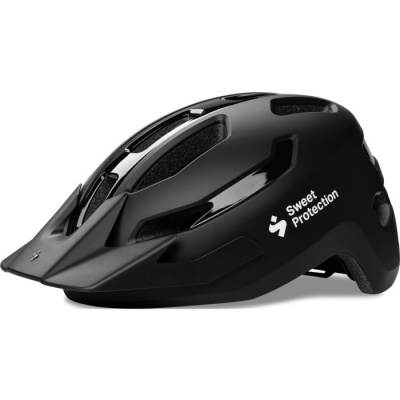
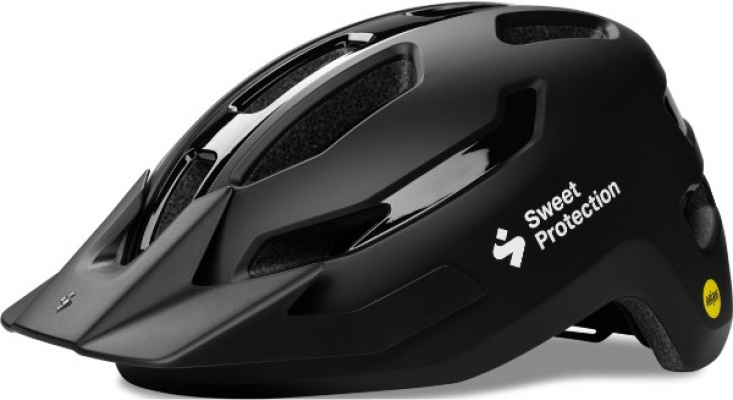
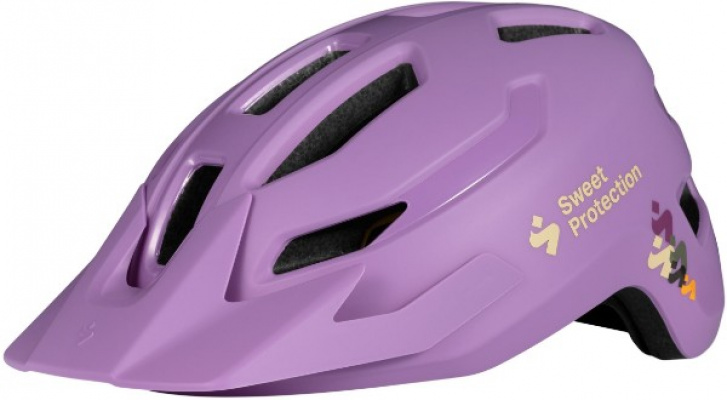
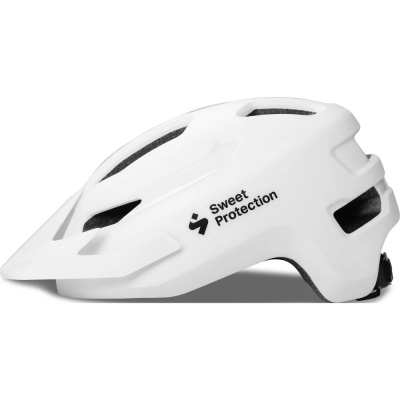
Prices and availability can change quickly. Delivery charges are not always included in listed prices.
Final price, stock status and delivery terms are set by retailer. We may receive a commission on purchases made.
Safety Tech and Shell Construction
Sweet Protection doesn't produce a diluted version of their protection for younger riders. The in-mold EPS liner construction - where the outer polycarbonate shell is fused directly to the expanded polystyrene foam during manufacture - means the helmet is noticeably lighter than cheaper designs that simply glue a shell over a separate foam core. That matters for kids specifically: a heavy helmet shifts a child's centre of gravity and causes neck fatigue on longer rides, which is the last thing you want when they're trying to concentrate on the trail ahead.
MIPS technology is integrated across the majority of Sweet Protection's youth range. The system works via a low-friction slip layer sitting between the EPS liner and the rider's head, allowing the helmet to rotate slightly on impact rather than transmitting rotational forces directly to the brain. Standard helmets are tested for linear impacts - straight-on hits - but real-world falls, especially from bikes, tend to be oblique. A glancing blow to the side of the head, which is exactly what happens when a child goes over the bars sideways, generates rotational forces that MIPS is specifically designed to mitigate. It's the same technology you'll find in helmets from Giro's kids range and Fox's youth lids, and it's genuinely worth prioritising when choosing a helmet for a developing rider.
The outer shell is straightforward to wipe down after muddy sessions - a damp cloth handles most of the mess. For stubborn trail grime, mild soapy water works well. Avoid anything solvent-based, as harsh chemicals degrade the EPS foam over time, reducing its ability to absorb an impact when it counts. Keep the helmet away from radiators and car dashboards too; sustained heat does the same damage slowly that a crash does suddenly.
Understanding the Sweet Protection Youth Fit
Getting the fit right is arguably more important than any other feature. A helmet that sits too high exposes the forehead; one that's too loose rocks on impact and compromises the MIPS liner's effectiveness. The Occigrip dial system on Sweet Protection youth helmets gives you precise control over the retention cradle at the back of the head. You turn the dial to tighten or loosen - simple enough that older kids can adjust it themselves on the fly, and quick enough that parents aren't wrestling with it in a car park while everyone else is already rolling.
To find the right size before you buy, measure your child's head circumference using a soft tape measure, positioned roughly a centimetre above the eyebrows and running around the widest part of the skull above the ears. Get the measurement in centimetres, then cross-reference it against the Sweet Protection youth sizing chart. Most kids' helmets in this range cover a fairly wide circumference span thanks to the Occigrip adjustment, but it's still worth checking - a helmet at the very top of its adjustment range won't fit as securely as one sitting mid-range.
One thing parents appreciate: the system also accommodates a thin cycling cap or beanie underneath for cold-weather rides without needing to buy a new size. A quick half-turn of the dial and there's room. As your child grows through the year, you're adjusting rather than replacing - which makes a well-specified helmet a reasonable investment over a couple of seasons. If you're shopping for older teens or adults, browse the full Sweet Protection helmets collection, or for more aggressive riding, the Sweet Protection full face helmets range is worth a look.
UK Riding Conditions and Helmet Care
British riding weather is, to put it plainly, inconsistent. A July morning in the Peaks can start sunny and turn into a proper soak before you're back at the car. The passive ventilation channels in Sweet Protection youth helmets are designed to move air over the scalp efficiently on warm days - preventing the kind of overheating that turns a two-hour trail ride into a miserable trudge - without creating the chill that comes with over-engineered ventilation on cooler, damper days. They're not as aggressively vented as a summer road helmet, and that's intentional. For most UK trail and park riding, it's a sensible middle ground.
On the subject of muddy conditions: if your child has been through a Welsh trail centre in October, the helmet is going to need attention. Strip the pads out (most Sweet Protection youth lids have removable, washable liners) and rinse them separately in lukewarm water. Clean the outer shell with mild soap and a soft cloth. Never use a pressure washer - the force can drive water into the EPS and compromise the foam's structure. Once clean, store the helmet somewhere cool and dry, not wedged under a pile of kit in a hot garage or on a radiator shelf.
Pairing the helmet with appropriate protection makes sense for trail riding. Sweet Protection knee pads and elbow pads round out the protection setup for kids riding anything technical. If you're comparing options across brands, Bell's kids helmets offer a solid alternative at various price points, though Sweet Protection's fit system and MIPS integration give their range a clear edge for parents who want to prioritise adjustability and rotational protection together.
Sweet Protection Kids Helmets FAQs
How do I measure my child's head for a Sweet Protection helmet?
Wrap a soft tape measure around your child's head roughly a centimetre above the eyebrows, keeping it level all the way around. Note the circumference in centimetres, match it to the Sweet Protection youth sizing chart, and use the Occigrip dial to fine-tune the fit from there.
Do Sweet Protection kids helmets have MIPS?
Yes, the majority of Sweet Protection's youth helmet range includes MIPS technology. The slip layer between the EPS liner and the head allows slight rotational movement on angled impacts, helping reduce the forces transmitted to the brain during the kind of off-axis falls that are most common when kids come off bikes.
How long do kids' bike helmets last before needing replacement?
Replace a kids' helmet every three to five years under normal use, or immediately after any significant crash. The EPS foam compresses to absorb impact energy and won't perform the same way a second time - and gradual degradation from UV and wear means age matters even without a visible incident.