
Sweet Protection Helmets
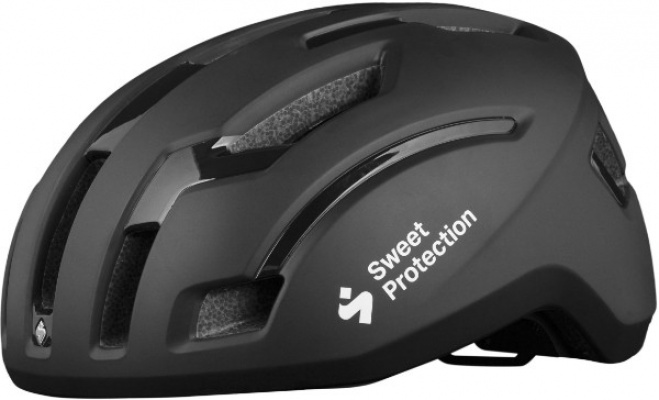
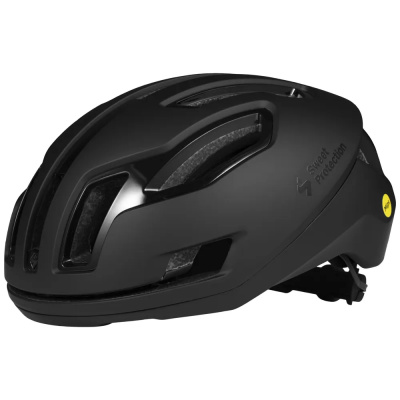
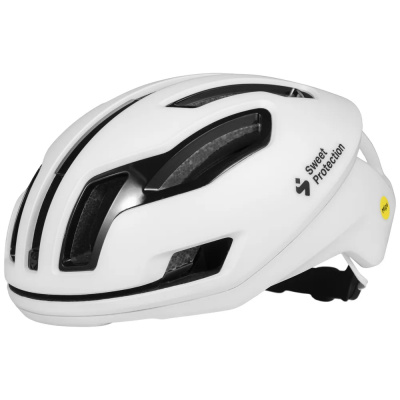
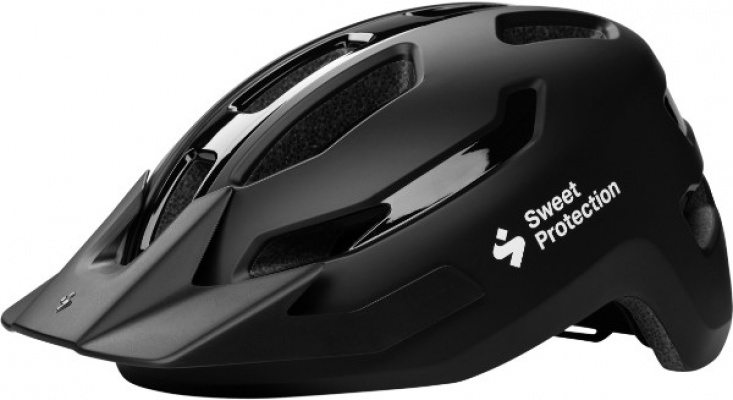
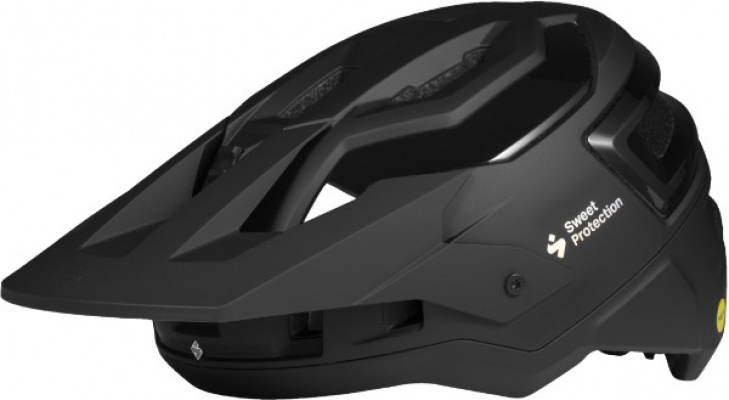
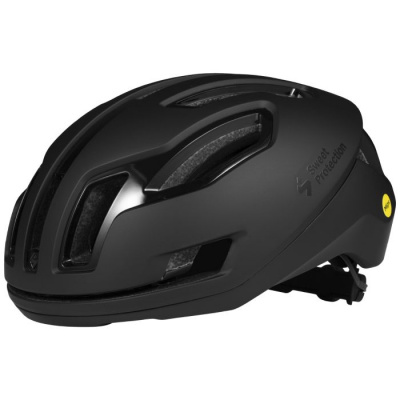
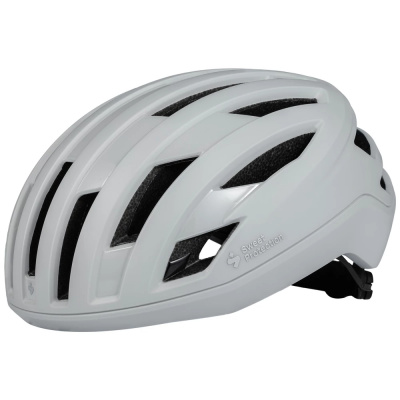
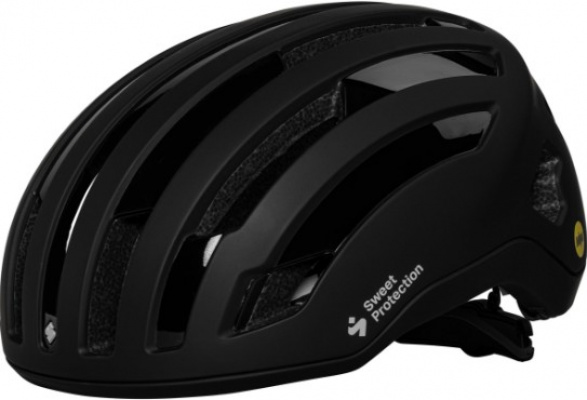
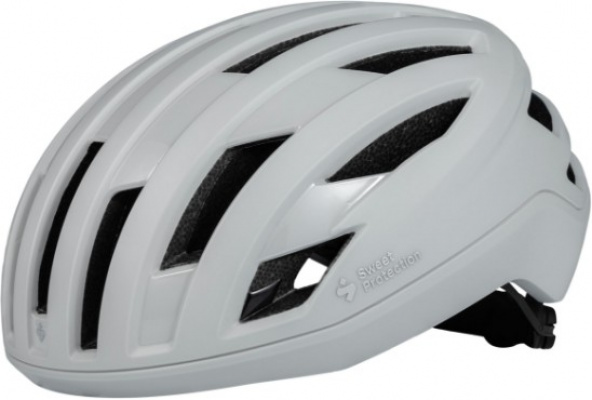
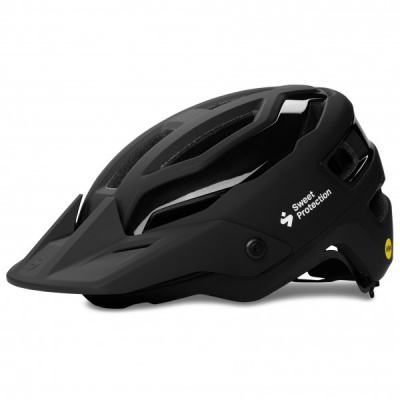
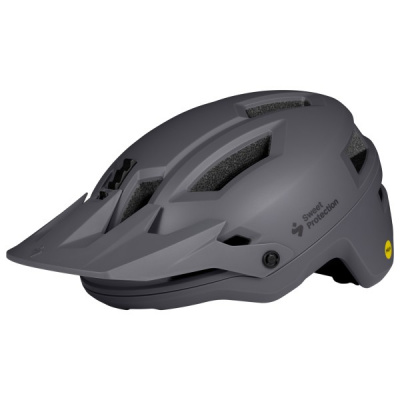
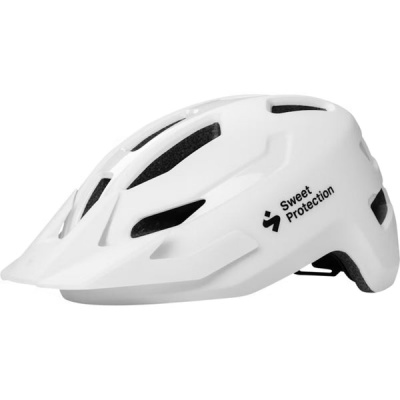
Sweet Protection helmets come out of Norway's mountain sports scene with a clear obsession: make the safest lid possible without loading your head with unnecessary bulk. Whether you're threading singletrack at a Welsh trail centre, grinding gravel across the Peak District, or pushing tempo on a Surrey Hills road loop, this range covers every discipline with the same commitment to impact protection. The flagship 2Vi® technology platform ties together a variable elasticity shell, a multi-density EPS liner, and MIPS brain protection in a single integrated system - not bolted-on afterthoughts, but engineered as one. Premium models carry MIPS as standard, so rotational force management isn't an optional extra. Ventilation is handled by the STACC system, which channels airflow directly over the temporal artery to cool you efficiently without leaving you cold-headed on a damp descent. Fit is dialled via the Occigrip retention dial, giving you precise micro-adjustment at the rear. Across road, gravel, and trail open-face models, Sweet Protection delivers a low-profile, high-performance helmet that takes safety seriously. Browse the range below and find the right lid for how and where you ride.
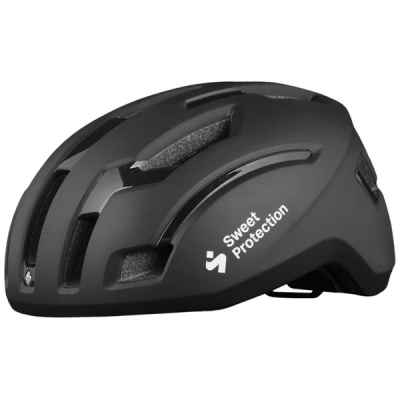
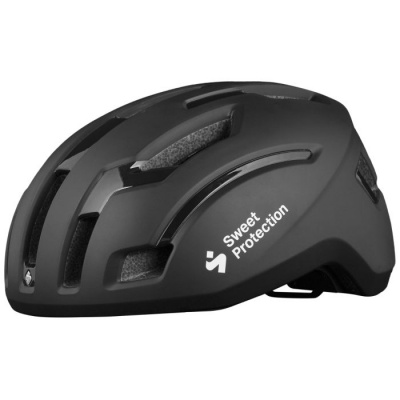
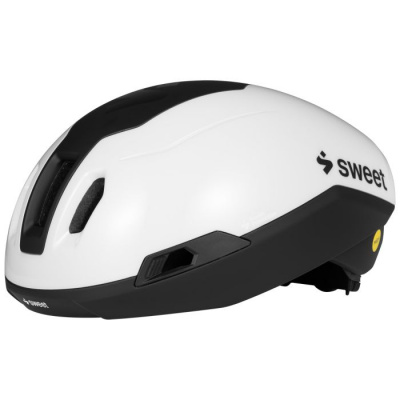
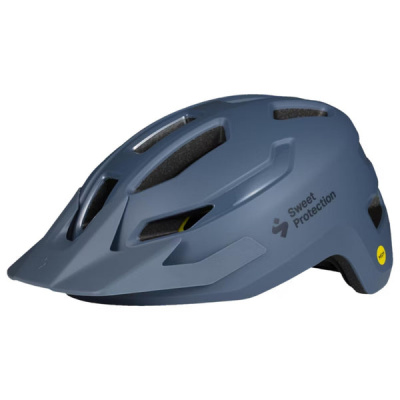
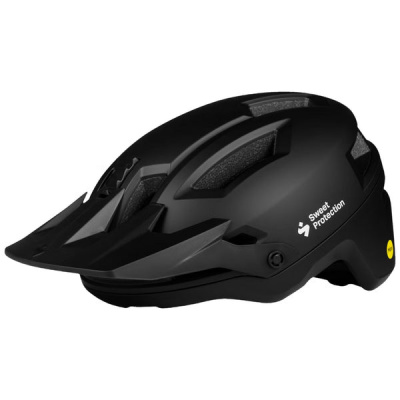
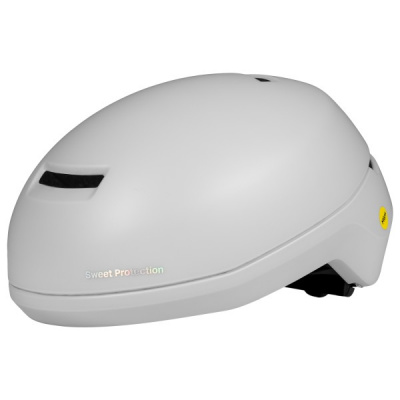
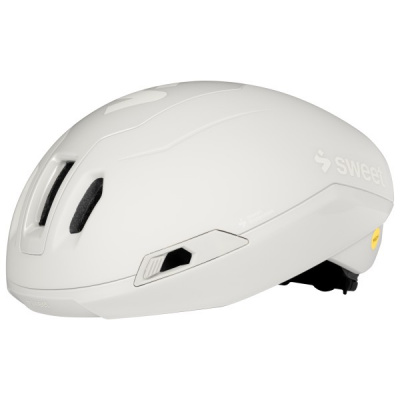
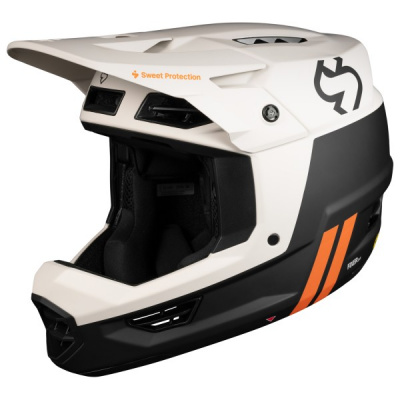
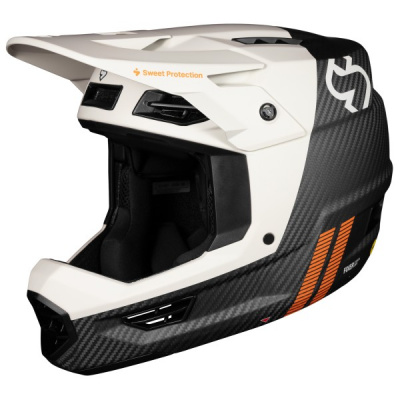
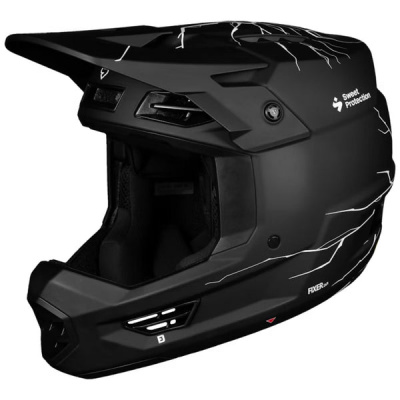
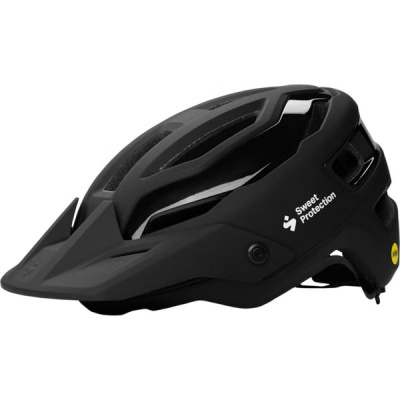
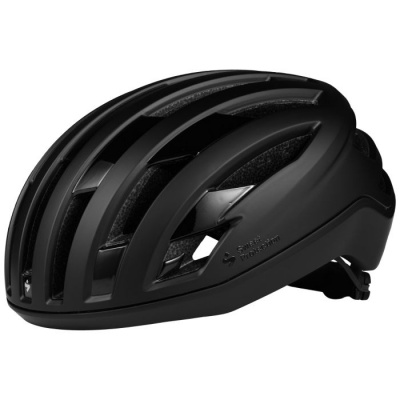
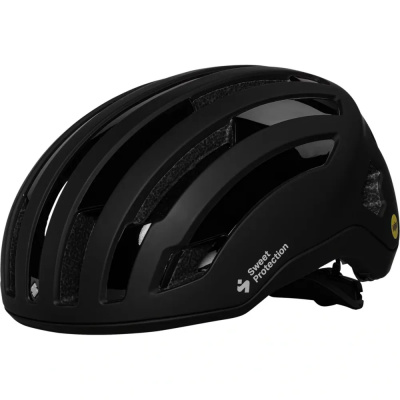
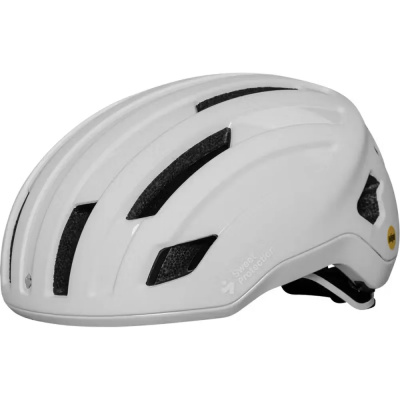
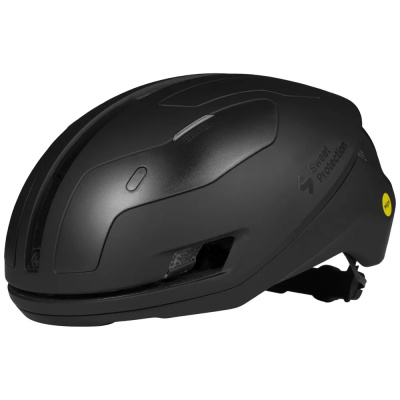
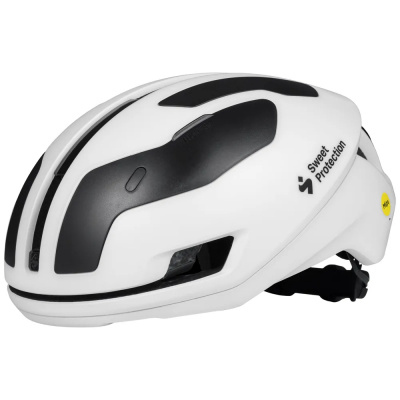
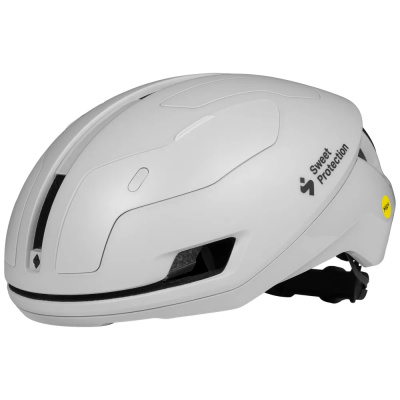
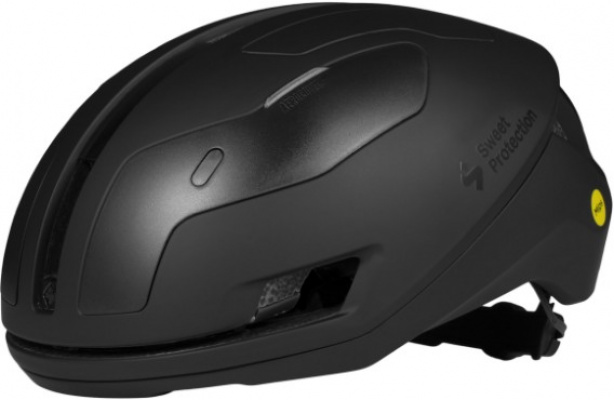
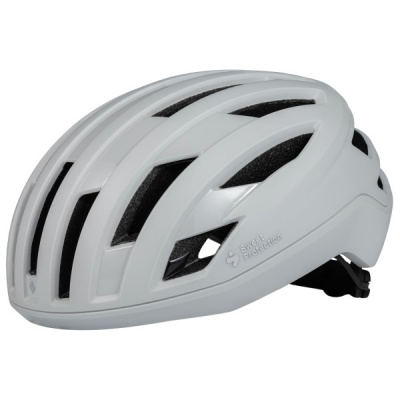
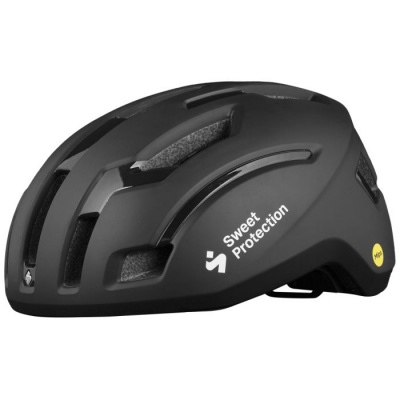
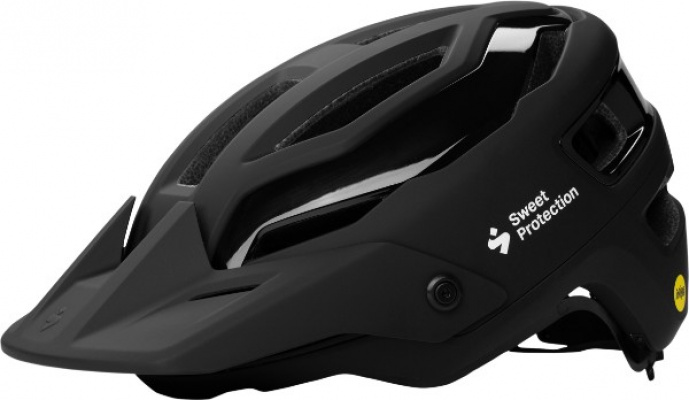
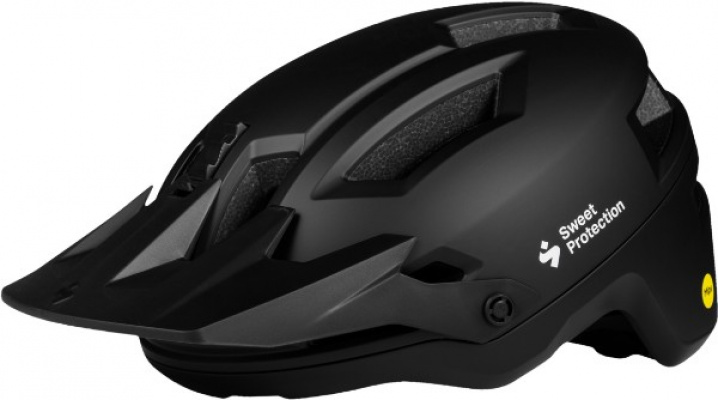
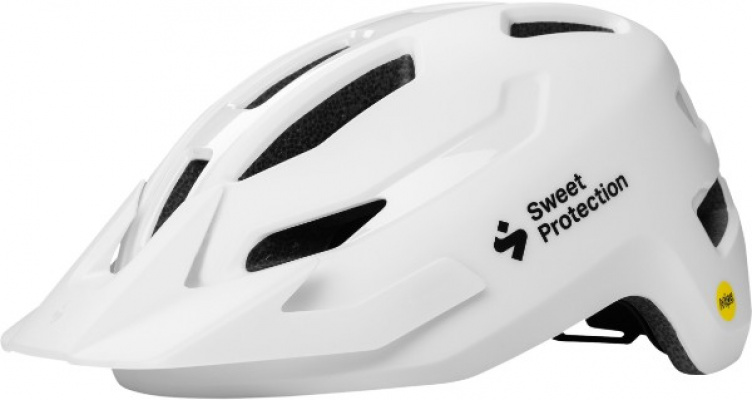
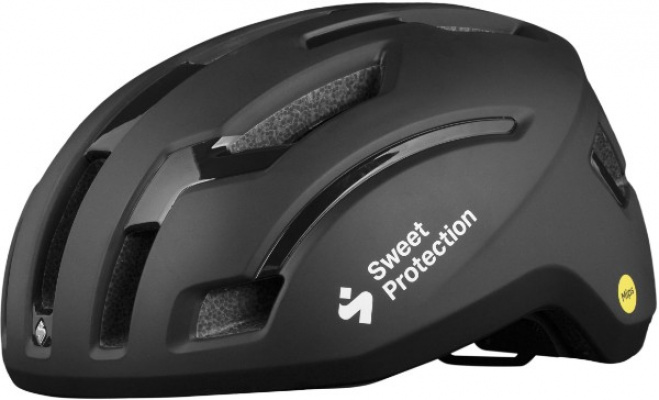
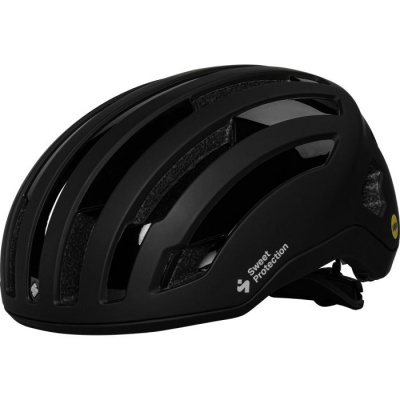
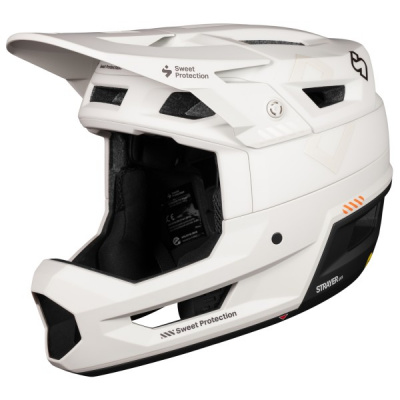
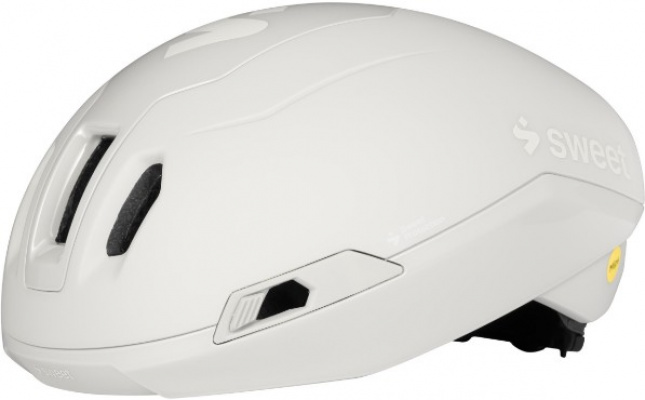
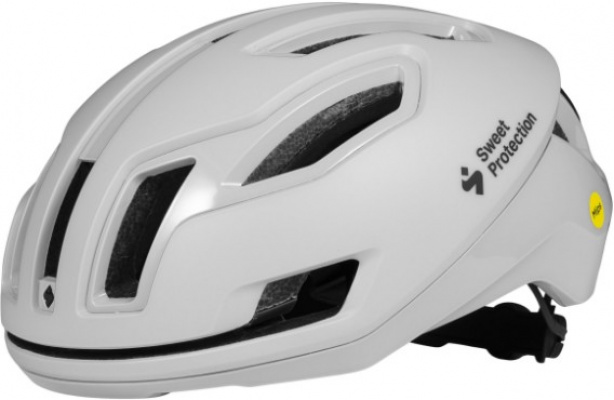
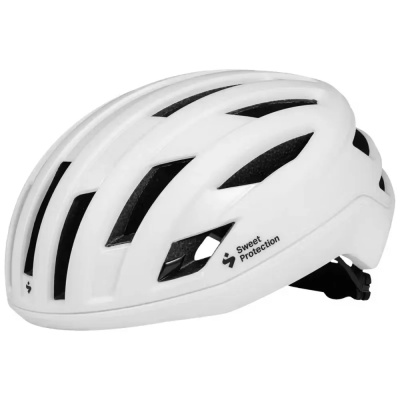
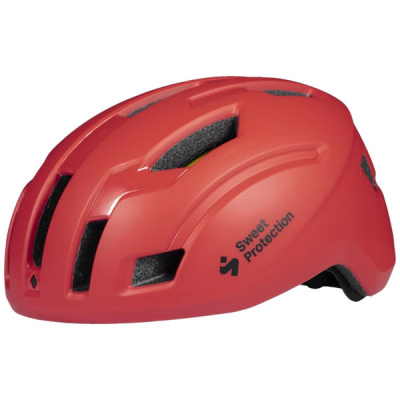
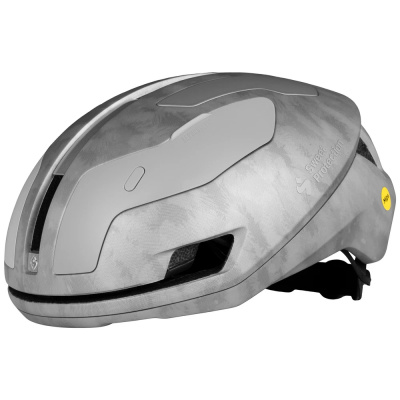
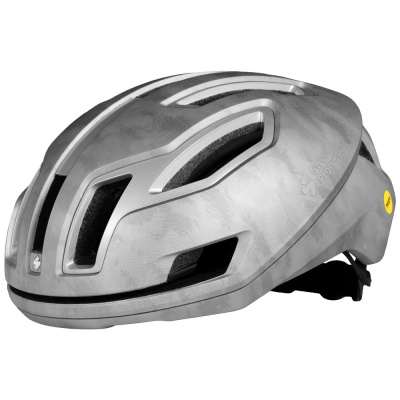
Prices and availability can change quickly. Delivery charges are not always included in listed prices.
Final price, stock status and delivery terms are set by retailer. We may receive a commission on purchases made.
Safety Tech and Ventilation: The 2Vi® Advantage
The 2Vi® technology platform is the core of what makes Sweet Protection helmets worth your attention. Most helmet brands treat the shell, liner, and safety system as separate components that happen to coexist. Sweet Protection engineers them as a single platform. The variable elasticity shell is designed to flex and deform in a controlled way on impact, working in concert with the multi-density EPS liner beneath it. Different zones of the liner compress at different rates, managing energy across a wider range of impact scenarios than a uniform-density foam can manage alone. Sit that on top of an integrated MIPS layer and you've got a system that addresses both direct and rotational impact forces - the kind of oblique hits that real-world crashes tend to produce.
None of that safety engineering matters if the helmet roasts your head on a climb. The STACC ventilation system - Superficial Temporal Artery Cooling Channel, if you want the full name - is specifically positioned to push airflow over the temporal artery on either side of your head. That's a high blood-flow area, so cooling it efficiently drops your core temperature faster than generic port-and-channel ventilation. On a muggy July climb in the Brecon Beacons it makes a genuine difference. On a fast, cold descent in November, the airflow management means you're not getting a wind-chill headache either. That balance matters for UK riding, where conditions shift mid-ride more often than not. The polycarbonate shell that wraps the exterior is light and impact-resistant, and on premium models it integrates cleanly with the liner rather than sitting as a separate skin - which is part of what keeps the overall profile compact.
How does this stack up against the competition? Giro helmets offer strong MIPS integration across their range, and Bell helmets bring their own rotational impact management to the table - both are worth comparing if budget is a key factor. But Sweet Protection's fully integrated 2Vi® approach, rather than MIPS as an add-in layer, gives it a structural coherence that shows in the fit and finish.
Understanding the Sweet Protection Helmet Range and Fit
Sweet Protection helmets run with a slightly oval fit profile. If your head is on the rounder side, you may find them a touch snug front-to-back initially - though the Occigrip dial retention system at the rear does a lot of work here. It's a turn-dial mechanism that lets you cinch or release the cradle in small increments, so you can dial out pressure points without hunting for a different size. It's the kind of fit system that rewards taking a minute in the car park before you clip in, rather than just yanking the straps and hoping for the best.
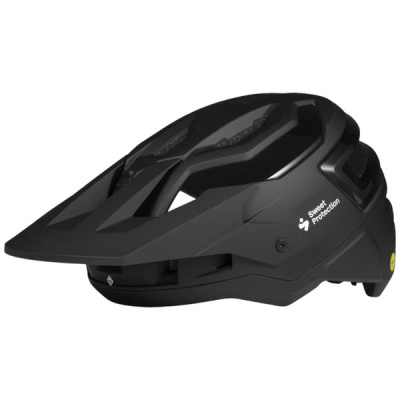
The trail and open-face MTB models sit lower at the rear than many road-focused lids, offering more occipital coverage for technical riding without adding meaningful weight. Road and gravel models prioritise ventilation and a cleaner aero profile while keeping the same 2Vi® protection underneath. If you're unsure which direction to go, think about your most common ride type - the trail models carry more coverage, the road and gravel options run lighter and more open.
For Sweet Protection bike helmet sizing, the brand's charts are reliable and run true. Measure your head circumference just above the ears with a soft tape and match it against the size band - don't guess. If you land right on a boundary, sizing up and using the Occigrip to firm up the fit tends to work better than forcing a smaller shell onto a wider head. A well-adjusted helmet using the Sweet Protection helmet fit guide will sit level, two fingers above your eyebrows, with the straps forming a V just below each ear. That's the same for every lid, but it's worth checking before you roll out.
The core range covers most riders well, but some disciplines need dedicated solutions. Looking for specialised protection? Check out our dedicated ranges for Aero TT Helmets, gravity-focused Full Face Helmets, or our protective Kids Helmets. If you're comparing Sweet Protection MTB helmet vs road options, the full-face range is worth a look for enduro and DH riders who need chin-bar coverage - it's a different category to the open-face trail lids entirely. Fox helmets are a strong comparison point in the gravity and trail space if you're weighing up open-face options across brands.
Eyewear Integration and Keeping Your Lid in Good Shape
Sweet Protection helmets are designed with eyewear docking ports built into the front port structure, so your sunglasses or MTB goggles have somewhere to live when they're off your face. For road and gravel riding, this means your Sweet Protection sunglasses dock securely in the vents rather than dangling off your jersey pocket or rattling around a bag. For trail riding, goggle integration is a more serious consideration - the helmet geometry on MTB models accommodates goggle straps cleanly at the rear, and the strap gap is wide enough to avoid the pressure-band headache you get with poorly matched combos. When you're riding in typical UK winter conditions - think Cannock Chase on a wet Sunday - having your goggles seated properly against the helmet is the difference between seeing where you're going and not.
Care is straightforward but worth doing properly. The internal pads are removable and machine washable on most models - pull them out after muddy or sweaty rides and give them a cycle on a gentle, cold wash. Pad hygiene matters more than most riders admit, and it extends the usable life of the liner foam too. For the shell itself, wipe down the polycarbonate shell with a damp cloth and check for any white stress marks or micro-cracks, particularly after any impact or transit knocks. A dented EPS liner or cracked shell means the helmet needs replacing - no question. Pair the helmet with a Sweet Protection jacket for matched weather protection if you're building out a kit setup for autumn and winter riding.
On the Sweet Protection MIPS helmets specifically: the MIPS liner is internal and doesn't require any maintenance beyond keeping the pads clean and the shell intact. It's not a serviceable component - it does its job passively and invisibly, which is exactly what you want.
Sweet Protection Helmets FAQs
How do Sweet Protection helmets fit?
Sweet Protection helmets have a slightly oval fit profile, which suits a broad range of head shapes. The Occigrip dial at the rear lets you micro-adjust the retention cradle for a secure, pressure-free hold without switching sizes.
What is Sweet Protection 2Vi technology?
2Vi is Sweet Protection's integrated safety platform that combines a variable elasticity shell, a multi-density EPS liner, and MIPS technology into a single engineered system. It's designed to manage both direct and rotational impact forces while keeping the helmet light and well-ventilated.
Are Sweet Protection helmets true to size?
Yes, they run true to the official size charts. Measure your head circumference just above the ears before buying, and if you're on the boundary between sizes, sizing up and dialling in the Occigrip fit system typically gives the better result.