
Sq Lab Saddles
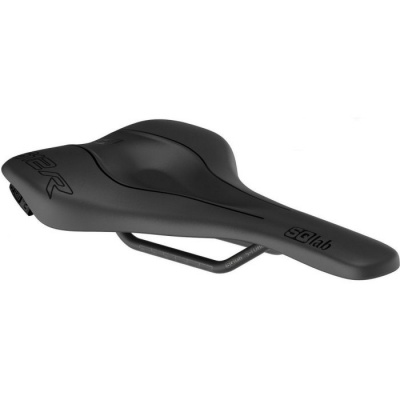
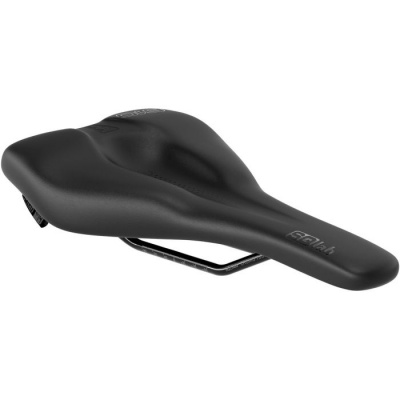
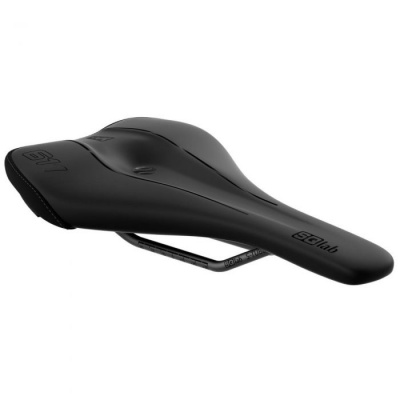
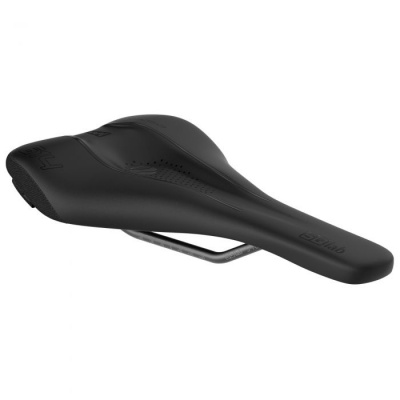
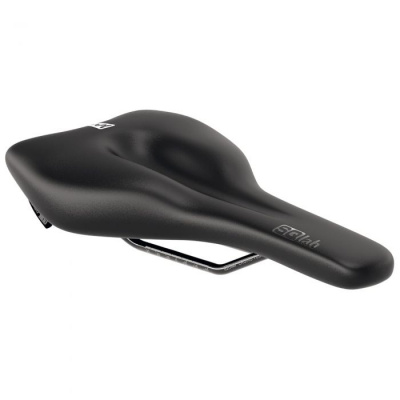
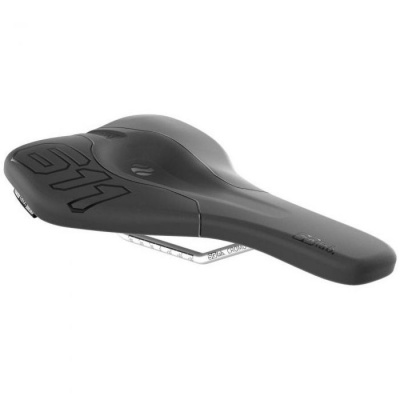
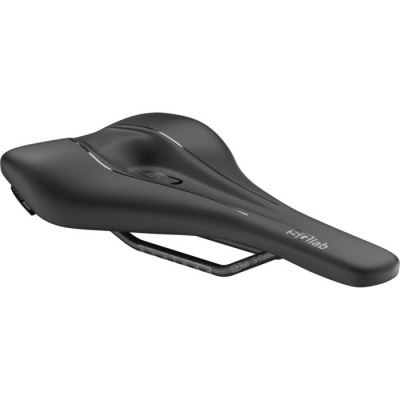
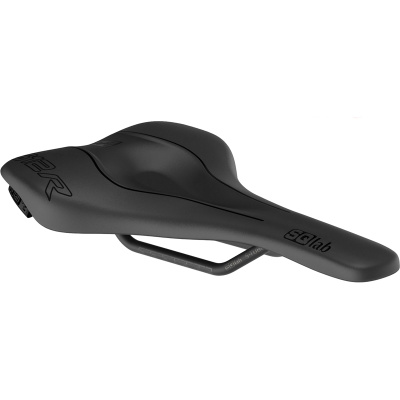
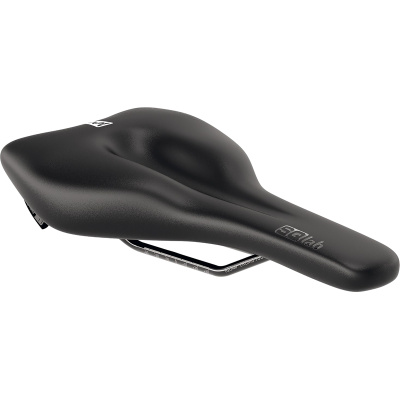
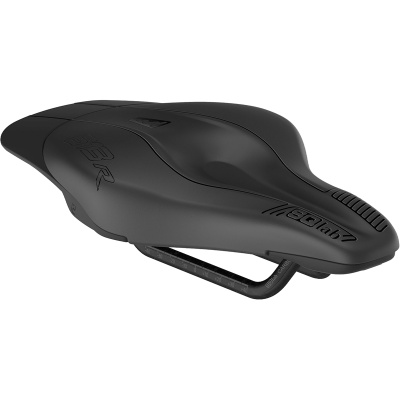
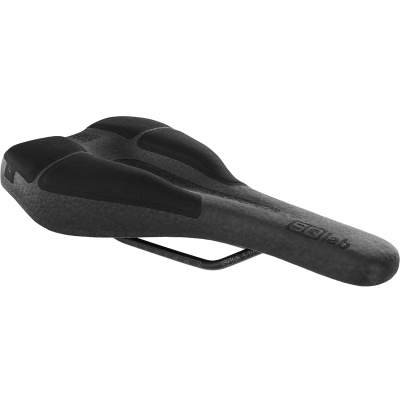
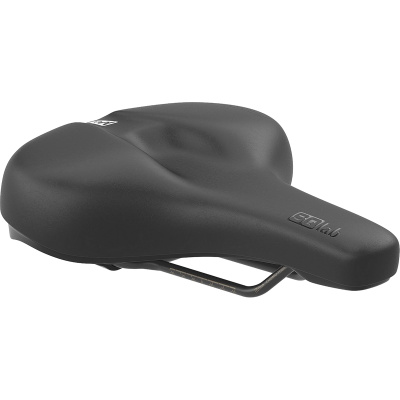
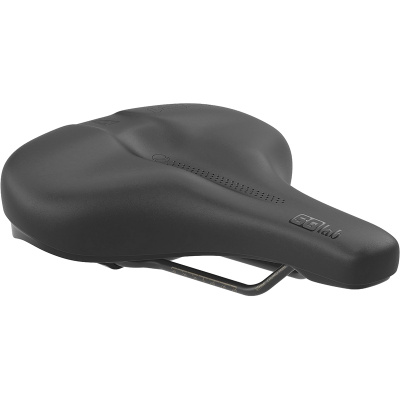
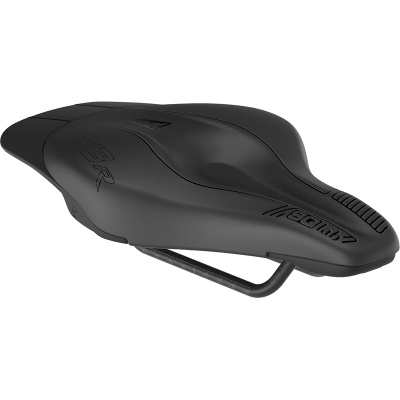
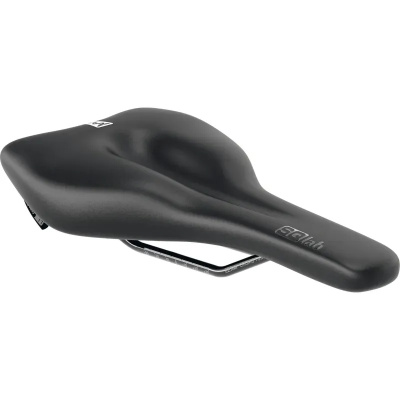
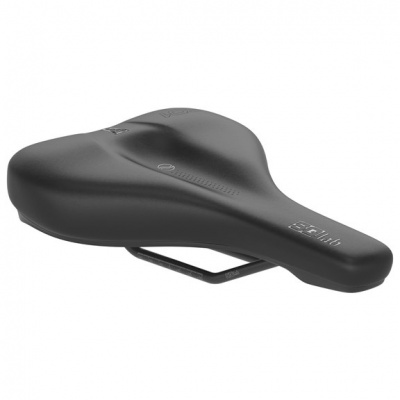
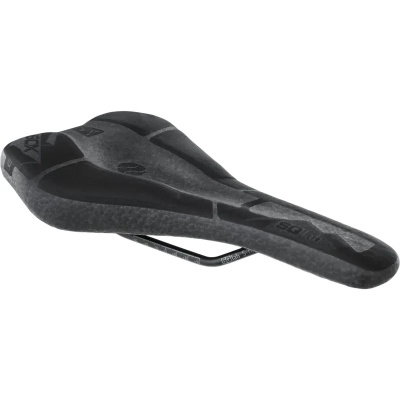
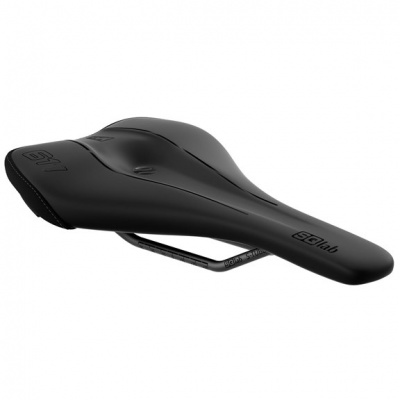
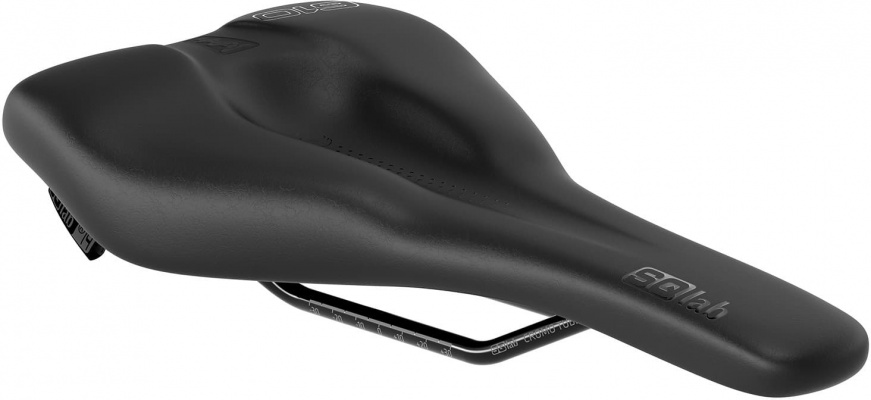
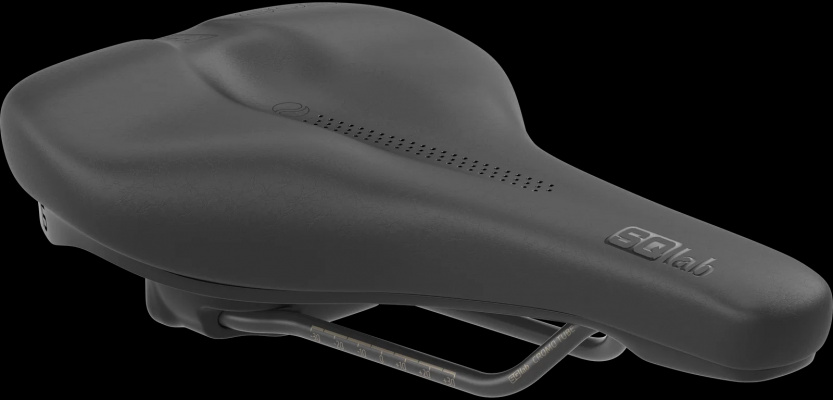
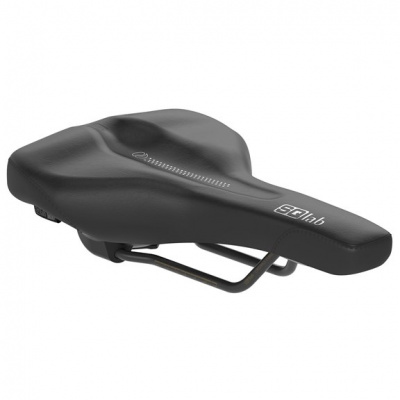
SQlab saddles take a genuinely different approach to cycling comfort - one rooted in medical-grade ergonomics rather than the usual foam-and-cover formula. Where most saddles ask you to adapt to them, SQlab works the other way around. The signature stepped saddle design drops the nose below the rear platform, shifting your weight squarely onto your sit bones and taking pressure off soft tissue where it matters most. That's not marketing copy - it's measurable perineal relief that long-distance riders and commuters notice within the first hour.
The foundation of the whole system is your sit bone width. Get that measurement right and every other decision - width, profile, padding density - follows logically. SQlab then adds a sizing formula based on riding posture, so a road rider and a gravel rider with identical sit bones will likely land on different saddle widths. It's a more considered process than grabbing the narrowest saddle that looks fast.
Across the range you'll find ERGOWAVE® profiling, optional Active Saddle Technology with swappable elastomers, and rail choices spanning CrMo through to full carbon. Whether you're grinding out winter miles on wet tarmac or piecing together a trail bike, there's a model built around your position. Browse the full SQlab range below and use the fit logic to land on the right one.
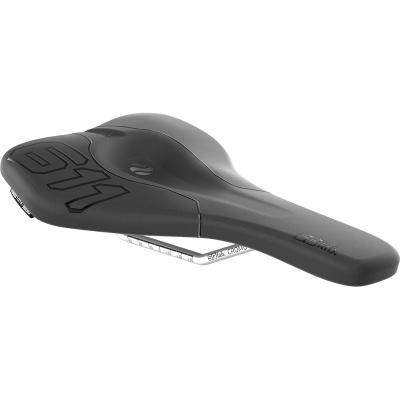
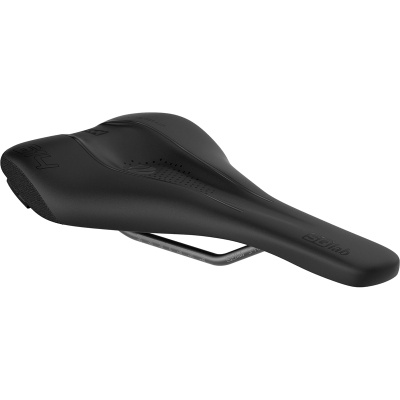
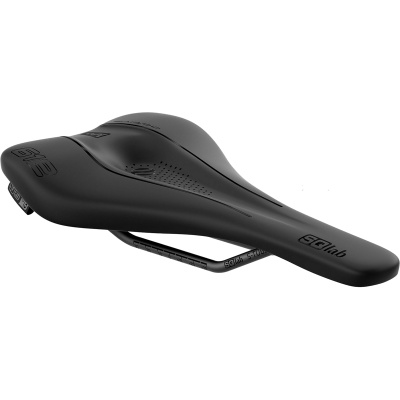
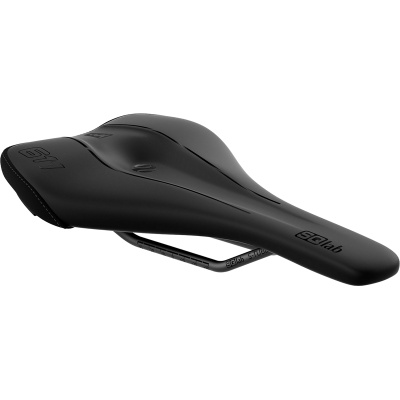
Prices and availability can change quickly. Delivery charges are not always included in listed prices.
Final price, stock status and delivery terms are set by retailer. We may receive a commission on purchases made.
Rail Materials and Seatpost Compatibility
Before you commit to a saddle, check your seatpost clamp - it matters more with SQlab than with most brands. Their S-Tube and CrMo rail models use standard round 7x7mm rails, so any conventional two-bolt clamp will grab them cleanly. Carbon rail versions, however, use 7x9mm oval rails. Side-clamping seatposts in particular can cause problems here: the oval profile needs a clamp ear designed for it, and forcing a round clamp onto an oval rail risks cracking the carbon. Worth confirming before you order, especially if you're running an older post.
Rail material shapes the ride character noticeably. CrMo is the workhorse - resilient, repairable if dinged, and fine for most UK riding. Carbon rails shed weight and damp road buzz more effectively, which you feel on longer tarmac days. Titanium rails sit between the two: lighter than CrMo, less brittle than carbon, and a sensible middle ground if you want durability without the full weight penalty.
On sizing, SQlab uses a straightforward formula. Start with your measured sit bone width, then add a figure based on how upright your riding position is: nothing extra for TT or aggressive road positions, 2cm added for standard road or cross-country MTB, and 3cm for trekking or city riding. The logic is that a more upright pelvis tilts differently on the saddle, loading a slightly wider contact area. Get this wrong and even a well-shaped saddle won't sit right.
Breaking Down the SQlab Model Range
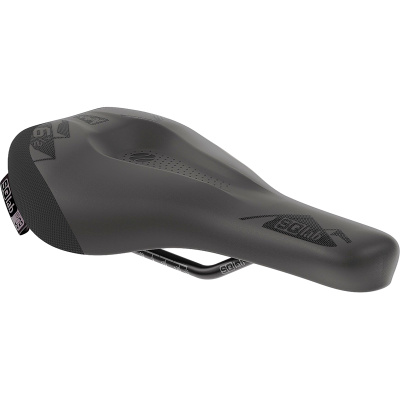
SQlab's numbering system is consistent once you understand it, and it tells you most of what you need to know at a glance. The 612 is the road and XC saddle - firm, relatively narrow-nosed, and built for riders spending long hours in an aggressive forward position. It's the one to consider if you're chasing efficiency on tarmac or fast trail riding where power transfer is the priority. The ERGOWAVE® profile runs through the length of the saddle, creating a subtle wave shape that distributes pressure more evenly than a flat platform can manage.
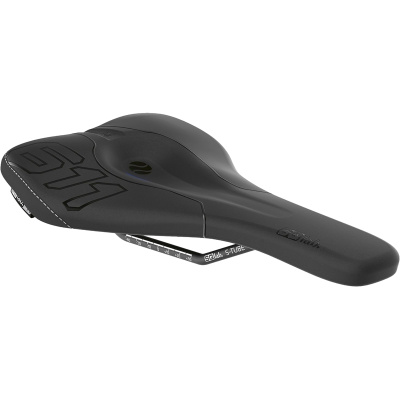
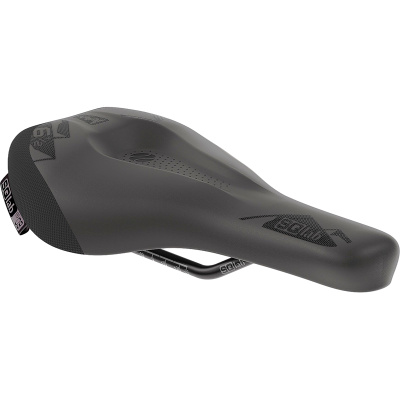
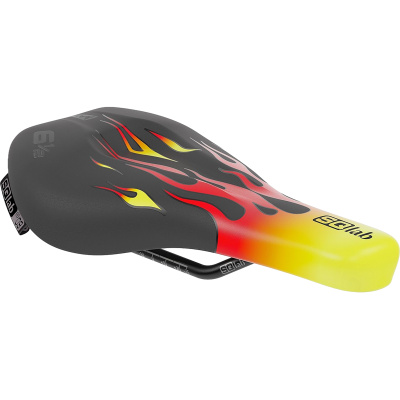
The 611 is aimed at MTB and enduro use. It carries more padding than the 612, and the edges are Kevlar-reinforced to handle the scrapes and catches that come with technical riding - a detail that genuinely extends saddle life if you're regularly pushing through tight gaps or taking the odd tumble. Both the 611 and 612 are available in Active variants, which is where SQlab's most distinctive technology comes in.
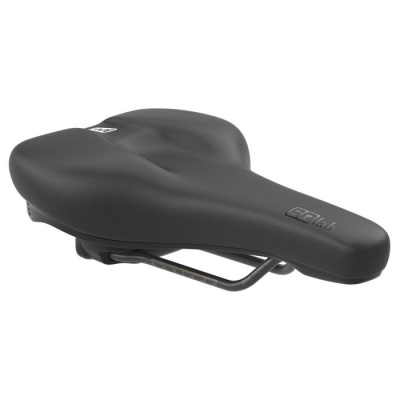
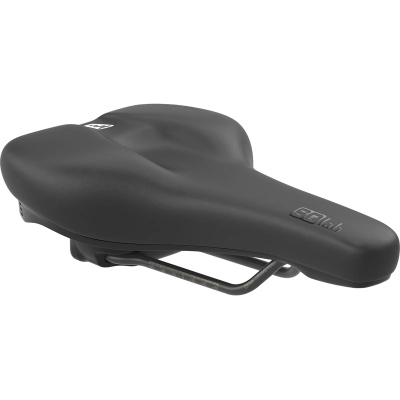
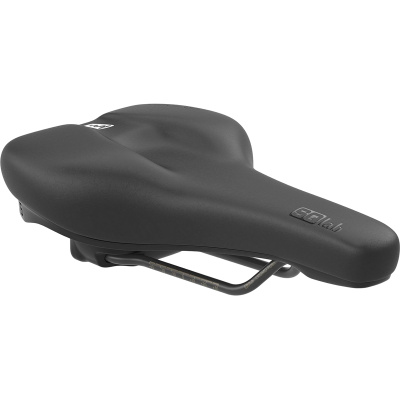
The 60X series covers e-MTB and gravity disciplines, with a broader build to suit the seated climbing position that e-bikes encourage. At the other end of the spectrum, the 602 and 621 use the Ergolux padding system for trekking and city use - more cushioning, wider profiles, and built for riders who want comfort over long, upright commutes rather than performance riding. If you're comparing SQlab against something like Ergon saddles, which take a similarly science-led approach to contact point ergonomics, the key difference is SQlab's Active system - nothing else in this category moves with your pelvis in quite the same way.
The Active Saddle Technology works through interchangeable elastomers fitted at the rear of the saddle shell. Each Active saddle ships with three - soft, medium, and hard - and swapping between them takes minutes. The elastomer allows the rear platform to follow your natural pelvic rotation during the pedal stroke, that micro-movement reducing cumulative load on your spinal discs and sit bones across a long ride. It's a meaningful difference on rides over two hours. Brands like Fizik and Brooks have their own approaches to long-ride comfort - flex zones and leather break-in respectively - but neither replicates the mechanical pelvic movement that SQlab's system provides.
Infinergy® foam, developed by BASF, appears in several models as the padding layer. It's a closed-cell material with better energy return and damping than standard EVA foam, and it holds its shape under sustained load rather than compressing flat over time. On a four-hour audax or a full day in the saddle, that consistency is worth having. Fabric saddles use their own cell foam constructions to similar ends, but Infinergy's credentials as an engineered material give SQlab a clear technical reference point.
UK Conditions and Keeping the Active System Running
British winters are hard on saddles in ways that don't always get discussed. Grit and mud work into cover seams and rail junctions over time, and wet conditions can compromise foam if the cover material isn't properly sealed. The Kevlar-reinforced edges on the 611 and 60X models are genuinely useful here - they resist the tearing that happens when a saddle catches a rock or a gate post, which is a regular occurrence on trail riding from the Peaks to the Galloway Forest.
The Active system needs a little more thought in cold weather. Elastomers firm up in low temperatures - it's a property of the material, not a flaw - and on a January ride in the Brecon Beacons you might find a medium elastomer feels closer to hard. Swapping to the soft insert for the colder months is easy and makes a noticeable difference to how freely the saddle moves. Come spring, swap back. It takes about the same time as checking your tyre pressure.
For cleaning, keep solvents away from the cover material and avoid pressure washing directly at rail junctions on carbon models. A damp cloth and occasional wipe-down of the rails with a light lubricant is enough to keep things moving smoothly. If you're pairing an SQlab saddle with their contact point ecosystem, their SQlab grips and SQlab handlebars follow the same ergonomic sizing logic, so the same sit bone measurement and posture assessment can inform your handlebar width choice too - worth doing if you're building a bike from scratch or overhauling your fit.
Sq Lab Saddles FAQs
How do I measure my sit bones for an SQlab saddle?
The simplest method at home is a sheet of corrugated cardboard on a hard, flat chair. Sit down and pull your knees up to roughly mimic your riding position, then stand and measure the distance between the centres of the two deepest impressions. That measurement is your sit bone width - the starting point for every SQlab saddle choice.
What does the SQlab 'active' system do?
The active system fits interchangeable elastomers at the rear of the saddle shell, letting the platform flex slightly in sync with your natural pelvic movement during the pedal stroke. That small amount of give reduces cumulative pressure on your sit bones and spinal discs - something most riders notice clearly on rides over a couple of hours.
How do I set up and level an SQlab saddle?
Don't place a spirit level across the full saddle length - the stepped design means the nose sits lower by intention, and levelling the whole thing will tip your weight forward. Instead, level just the raised rear section where your sit bones contact the saddle. That's the reference point. The dropped nose then takes care of perineal relief automatically.