
Specialized Suspension Forks
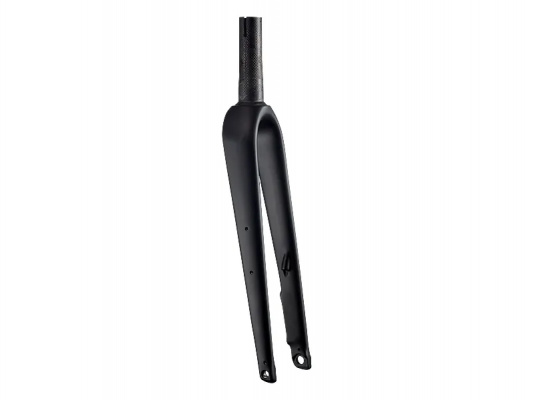
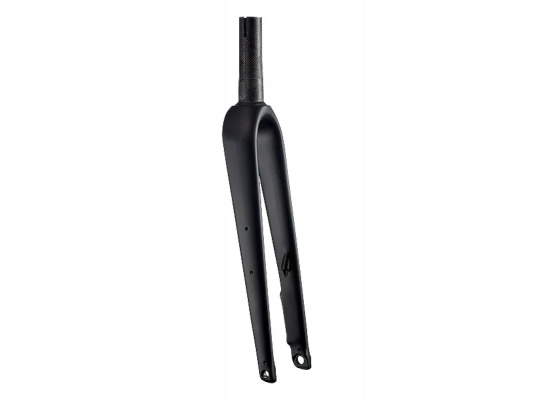
Specialized suspension forks aren't a single product - they're two very different engineering solutions that happen to share a badge. On one side you've got the Future Shock, a micro-suspension cartridge that lives above the headtube on drop-bar and hybrid bikes like the Roubaix, Diverge, and Sirrus. On the other, there's Brain technology: an automated inertia valve damper fitted to RockShox and Fox forks on XC race bikes like the Epic. Both systems are proprietary, both are highly effective, and both require you to buy into Specialized's specific ecosystem when it comes to upgrades or replacements.
If you're shopping here, you're likely after one of two things: a new or upgraded Future Shock cartridge for a drop-bar or gravel bike, or a Brain-equipped fork for an XC mountain bike. What you won't find in this category is generic aftermarket suspension - these components are purpose-built for Specialized frames and geometries. If you're chasing service kits, replacement seals, or rubber boots, those sit in our Fork Spares section rather than here. Get the right part, and either system rewards you with genuinely clever suspension engineering. Get the wrong one, and you've got an expensive paperweight.
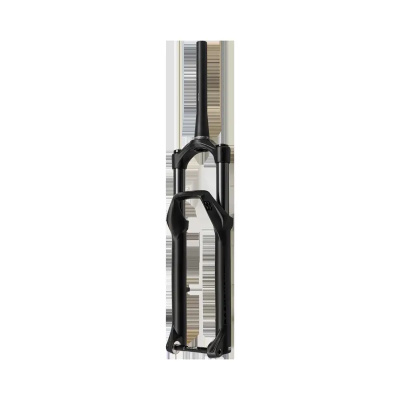
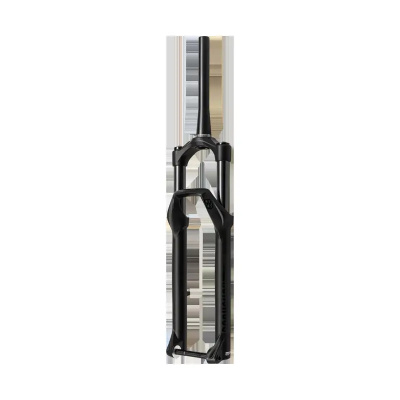
Prices and availability can change quickly. Delivery charges are not always included in listed prices.
Final price, stock status and delivery terms are set by retailer. We may receive a commission on purchases made.
Decoding the Specialized Suspension Lineup
The two families couldn't be more different in where they work and who they're for. Future Shock cartridges target road and gravel riders - anyone on a Roubaix, Diverge, or Sirrus X who wants to take the sting out of rough tarmac or bridleway chatter without touching the bike's handling geometry. Brain-equipped forks are strictly mountain bike territory, designed around XC racing and fast trail riding on the Epic platform.
Within the Future Shock range, generation matters a lot. The 1.5 is a straightforward undamped spring - it soaks up buzz but you can't tune it. The 2.0 brought hydraulic damping into play, with a dial on top that lets you adjust compression feel on the fly. Then came the 3.0 series, which Specialized broke into three sub-variants: the 3.1, 3.2, and 3.3. All three share improved weather sealing and interchangeable springs for personalised spring rates, but the 3.3 sits at the top with full adjustable hydraulic damping. If you're asking about the Future Shock 2.0 vs 3.0 difference in practical terms - it's tunability and durability, particularly in wet conditions. For the Brain side, the fork itself is a RockShox or Fox unit specced to Specialized's requirements, with the Brain damper cartridge doing the clever work inside.
Worth noting: if you're considering a Specialized gravel suspension setup on a Diverge, you're in Future Shock territory, not a traditional telescopic fork. That distinction shapes everything about what you need to search for.
The Specialized Tech Philosophy: Brains and Micro-Suspension
The Future Shock's core idea is straightforward but genuinely useful. By positioning 20mm of axial compliance above the headtube rather than in the fork legs themselves, Specialized keeps the steering geometry and trail figures completely intact. The wheel follows the road exactly as the frame designer intended - the suspension just stops that movement reaching your hands and shoulders. Think of it like decoupling the handlebars from the road without moving where the fork sits. On a long ride over broken Peaks tarmac or a wet gravel track through the Chilterns, that translates to noticeably less arm fatigue without the vague, disconnected feel you sometimes get from full suspension gravel bikes.
The Brain damper works on a completely different principle. Inside the fork sits a brass inertia valve on a spring. During hard pedalling on smooth ground, that mass stays put and keeps the fork locked out - firm, efficient, no energy lost to bob. Hit a root or rock, and the impact force moves the mass instantly, opening the valve and letting the fork work. It's not electronics, it's physics, which is part of why it's so reliable. The slight clunk you might hear as the valve opens is normal - it's the brass mass moving, not something breaking. Riders new to Brain forks sometimes panic at that sound, but it's just the system doing exactly what it's supposed to do.
Compared to manually-operated lockouts from brands like RockShox or Fox, the Brain removes the decision entirely. You never forget to open the fork before a descent because it opens itself. For XC racing in the Scottish Borders or a fast lap at Glentress, that automation is a genuine advantage.
Living with Specialized Suspension in the UK
UK conditions are hard on both systems in different ways, and it's worth knowing what to watch before something goes wrong rather than after.
On the Future Shock, the rubber boot that covers the cartridge is your first line of defence. Grit, road salt, and winter water ingress can work their way through a torn or poorly seated boot and into the cartridge bearings - once that happens, you're looking at a full cartridge replacement rather than a cheap service. Check the boot every few rides through winter, especially after anything muddy or particularly salty. If it's cracking or lifting at the edges, replace it before it opens up properly. Pairing the fork with Specialized gravel tyres that run well-sealed tubeless setups can also reduce the spray that reaches the boot in the first place, and fitting mudguards in winter is straightforward insurance.
For the Brain fork, the enemy is abrasive mud - particularly the thick, gritty stuff you encounter at Welsh trail centres or in the Scottish Borders after rain. That mud accelerates wear on the damper seals and stanchion surfaces far faster than dry XC conditions would. Specialized's official guidance puts lower leg service intervals at every 50 hours, but in genuinely muddy UK riding you should bring that forward. Full Brain damper services are recommended every 200 hours or annually, whichever comes first. Ignore the latter and you'll eventually get inconsistent damping - the inertia valve will start behaving unpredictably rather than opening and closing cleanly. Keeping the stanchions clean after every muddy ride with a damp cloth and light lubricant buys you more time between strip-downs. Fitting appropriate Specialized MTB tyres for the conditions also affects how much debris the fork sees - wider, well-lugged tyres throw less muck upward into the lower legs than a marginal-condition XC tyre spinning fast in deep mud.
If your bike runs an older Brain cartridge and you're seeing more valve noise than usual or inconsistent feel across familiar trails, that's the signal to book a service rather than ride through it. Worn seals let dirt past, and dirt in the damper turns a cheap service into an expensive rebuild. Brands like Öhlins offer their own premium fork options if you ever find yourself looking outside the Specialized ecosystem, though Brain compatibility with non-Epic frames isn't guaranteed.
Specialized Suspension Forks FAQs
Can you upgrade a Specialized Future Shock?
Yes - most bikes fitted with a Future Shock 1.5 or 2.0 can take a 3.0 series cartridge, provided the steerer and crown interface match your frame. The 3.0 range brings better sealing and interchangeable spring rates, with the top 3.3 variant adding fully adjustable hydraulic damping. Check compatibility with Specialized directly before buying, as frame generation can affect which cartridge fits.
How often does Specialized Brain suspension need servicing?
Specialized recommends a lower leg service every 50 riding hours and a full Brain damper rebuild every 200 hours or once a year. If you're riding regularly in gritty UK mud - think Welsh trail centres or the Scottish Borders after rain - push the lower leg service closer to 30 - 40 hours to protect the stanchions and keep the inertia valve working cleanly.
What is the difference between Future Shock 1.5, 2.0, and 3.0?
The 1.5 is an undamped spring cartridge - simple and effective but not adjustable. The 2.0 adds hydraulic damping with a top-cap dial you can adjust without tools mid-ride. The 3.0 series improves on both with better weather sealing and interchangeable springs, split across three variants: the 3.1 (spring only), 3.2 (basic damping), and the fully adjustable 3.3 at the top of the range.