
Specialized Skinsuits
When fractions of a second separate the podium from fourth place, Specialized skinsuits are where the serious work starts. Every suit in the range is shaped by time in Specialized's proprietary Win Tunnel - a full aerodynamic development process that treats fabric selection, panel placement, and surface texture as performance variables, not afterthoughts. The result is a line of speedsuits that genuinely earns its race-day billing.
You'll find options here for time trialists locked onto the aero bars, criterium riders threading through tight corners, and road racers who want every marginal gain on offer. The Body Geometry 3D Contour Chamois is cut specifically for an aggressive, forward-rotated position - so when you're buried in the drops or flat on the extensions, it works with your body rather than against it. VapoRize moisture management yarns pull sweat away fast, which matters on a humid summer crit circuit or a cold, damp early-morning TT when your effort spikes hard into threshold. Seamless welded cuffs keep bunching and pressure points out of the picture. Whether you're after the S-Works flagship or a Pro-tier suit for regular training races, there's a Specialized speedsuit built around how you actually race.
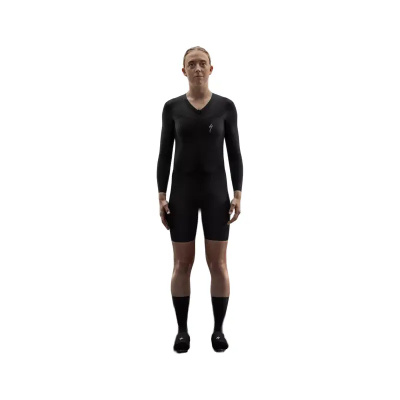
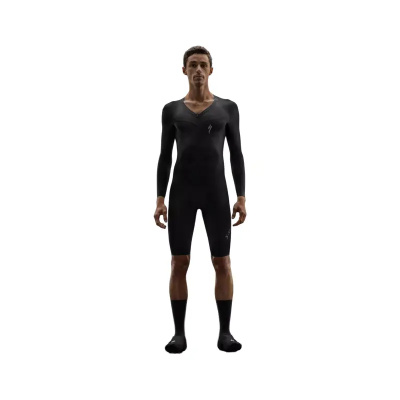
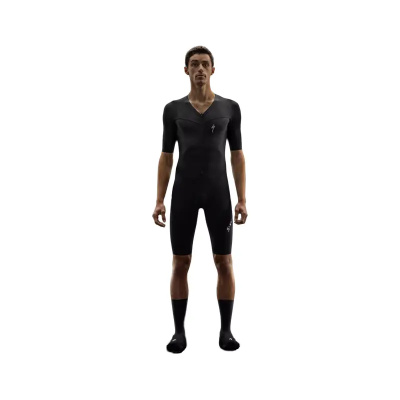
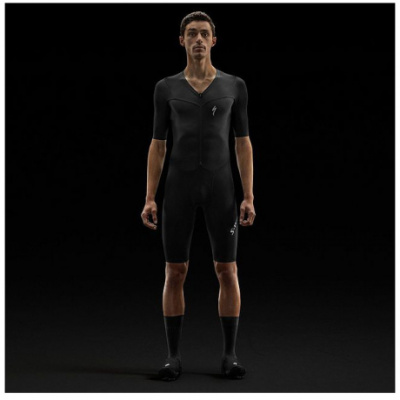
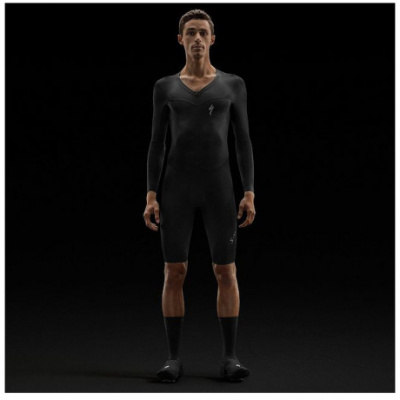
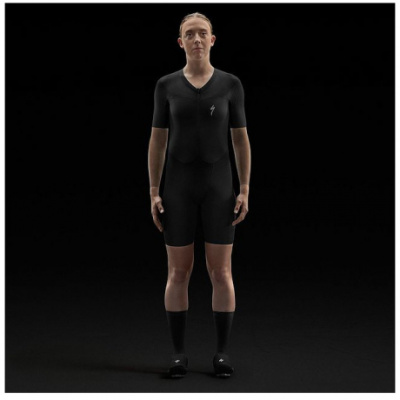
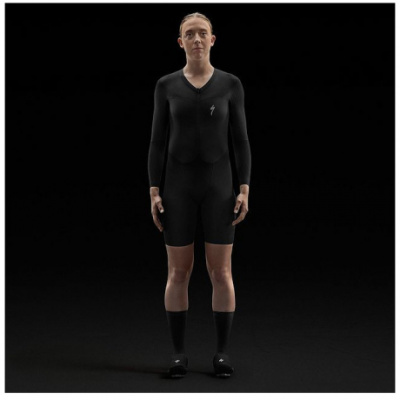
Prices and availability can change quickly. Delivery charges are not always included in listed prices.
Final price, stock status and delivery terms are set by retailer. We may receive a commission on purchases made.
Fabric Tech and Aerodynamic Performance
The foundation of any Specialized aero skinsuit is Win Tunnel engineering - and that phrase means something specific here. Rather than simply testing a finished garment, Specialized uses the tunnel to develop fabrics from the ground up, mapping airflow across the body in a racing position and placing surface textures where they do the most work. Dimpled or roughened panels on the shoulders and trailing edges trip the boundary layer of air, encouraging it to stay attached to the surface for longer. That delays separation and cuts aerodynamic drag in a way that smooth, tight fabric alone can't match. It's the same principle behind a golf ball's dimples, applied precisely where the data says it matters.
VapoRize yarns handle the other side of the performance equation. At race intensity - whether you're pushing through a technical criterium or grinding out a 25-mile TT - sweat management directly affects how the suit performs and how you feel. VapoRize fibres pull moisture away from the skin and disperse it rapidly, keeping the fabric light and the suit's aerodynamic profile intact. There's no point optimising drag if a soaked suit is adding dead weight or pulling the panels out of shape. In the variable conditions of a UK summer morning, where you might start the ride cold and finish it drenched, that balance of breathability and wind resistance genuinely earns its keep.
Seamless welded arm and leg cuffs complete the picture. Traditional stitched seams add bulk and can roll or dig in under compression. Welded cuffs sit flush against the skin, maintain the suit's close contour, and remove a common source of irritation on longer efforts. It's a detail that sounds minor until you're ninety minutes into a road race and a rubbing seam has been working at your forearm the whole time.
Understanding the Specialized Skinsuit Range
Not every Specialized TT suit is the same, and picking the right tier for how you race makes a real difference. At the top sits the S-Works skinsuit - Specialized's uncompromised race-day option, using the most advanced Win Tunnel-developed fabrics, tightest compression, and the most aggressive Body Geometry chamois positioning. It's aimed squarely at riders who want nothing held back. Below that, the Pro and Expert tiers bring the same core technology into suits that are more accessible in price and, in some cases, slightly more forgiving in fit - useful if you're racing regularly but not pinning on a number every weekend.
The more important distinction is between a road speedsuit and a pure TT skinsuit. A Specialized road suit includes flat integrated rear pockets - genuinely useful for stashing a gel or a spare tube during a road race or criterium. The frontal cut also gives a little more room, recognising that road racing involves repeated position changes, out-of-the-saddle efforts, and the kind of variable dynamics you don't get on a time trial course. Compare that to a Specialized TT suit, which strips everything away: no pockets, maximum compression, fabrics chosen specifically for straight-line drag reduction in the aero-bar position. Put a pure TT skinsuit on a criterium rider and they'll find the fit restrictive in the wrong places. Put a road speedsuit on someone doing a flat-out 10-mile TT and they're leaving free speed on the table.
If you race both disciplines, it's worth owning one of each. If budget means picking one, match the suit to your primary event. Crit and road racers should look at Castelli skinsuits or Assos skinsuits as strong alternatives with similarly detailed road-oriented cuts, while Bioracer skinsuits are worth considering if TT-specific development is your priority.
Pairing your suit with the right supporting kit sharpens the whole package. A well-matched Specialized saddle works directly with the Body Geometry chamois geometry, and the right Specialized road tyres ensure you're not sacrificing rolling resistance while you've optimised everything above the contact patch.
Layering and Care for UK Racing
Early-morning UK time trials are their own kind of challenge. A 7 AM start on a late-April morning in the North Yorkshire Dales or along a flat Lincolnshire dual carriageway can mean eight degrees and a biting crosswind at the gun, followed by genuine warmth by the turnaround. A skinsuit alone can leave you cold off the line and compromised before you've hit your pace. The fix is a lightweight, tight-fitting base layer - one that sits completely flush under the suit without creating wrinkles or raised edges. Anything that disrupts the suit's surface will cost you aerodynamically; a thin, compressive mesh layer that adds warmth without bulk is the right call. Check that the base layer's sleeves and neckline don't peek out from the suit's cuffs or collar, where they'd catch air.
For summer criteriums on a warm evening circuit, skip the base layer entirely. The VapoRize fabric is doing its best work directly against the skin, and adding a layer just slows the moisture transfer down. If the venue is exposed and windier than expected, arm warmers pulled low are a more aero-friendly solution than an underlayer. Worth throwing a pair in the back pocket of your road speedsuit just in case.
Washing is where a lot of riders quietly ruin expensive kit. Machine wash cold, always inside out, and use a gentle or sportswear-specific cycle. Avoid fabric conditioner - it coats the VapoRize fibres and progressively kills their wicking performance. Never tumble dry. The heat degrades the elastane compression, flattens the aerodynamic surface textures, and breaks down the Body Geometry chamois padding faster than anything else you can do. Hang the suit to dry away from direct sunlight, which over time bleaches and weakens technical fabrics. Treat it properly and it'll race hard for a long season. A Specialized bar tape refresh and a new computer mount for your TT bars are the kind of finishing touches worth sorting at the same time you're dialling in your suit fit for the season. For those comparing across the market, Endura skinsuits are a solid UK-made option with good cold-weather credentials if you're racing through autumn.
Specialized Skinsuits FAQs
How tight should a Specialized skinsuit fit?
It should fit like a second skin - no bunching, no wrinkles, nothing slack. Standing upright it'll feel restrictive across the chest and shoulders, and that's correct. The cut is tailored to your body in an aggressive riding position, so once you're on the bike and forward on the bars, everything locks into place. If it fits comfortably while you're standing in the car park, it's probably a size too big.
Do you wear a base layer under a skinsuit?
On a warm summer crit, no - the VapoRize fabric wicks best directly against the skin and a base layer just slows that down. For chilly early-morning TTs, a thin, compressive underlayer adds useful warmth without wrecking the aero profile, provided it sits completely flush and doesn't poke out at the cuffs or neckline. Keep it tight, keep it thin.
What is the difference between a Specialized road suit and a TT skinsuit?
A Specialized road speedsuit has flat rear pockets and a slightly more forgiving frontal cut - practical for road races and criteriums where you're moving around on the bike. A pure TT skinsuit has zero pockets, heavier compression, and fabrics chosen specifically for straight-line drag in the aero-bar position. Using them the wrong way round costs you either comfort or speed, depending on which you've picked.