
Castelli Skinsuits
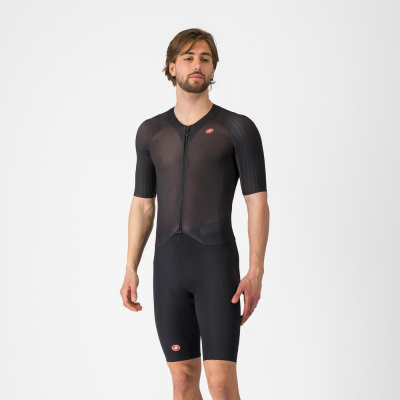
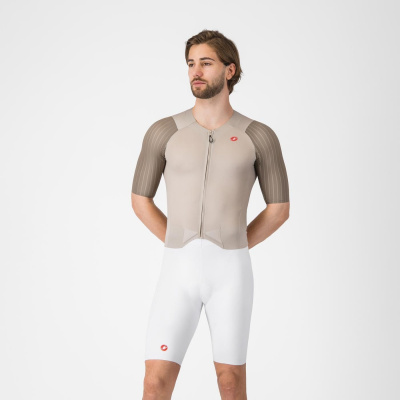
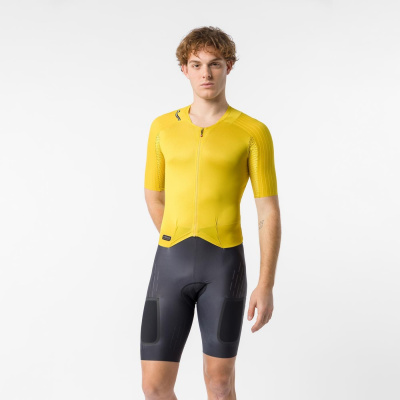
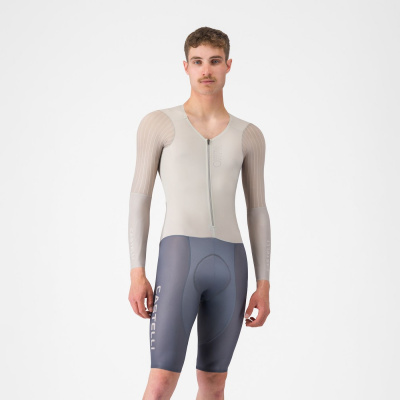
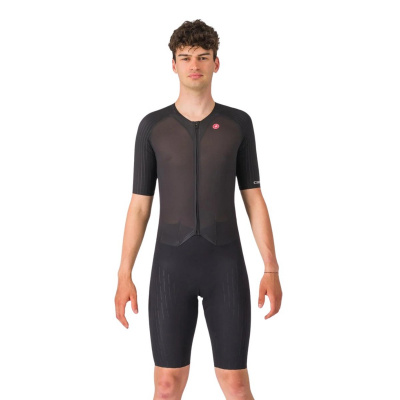
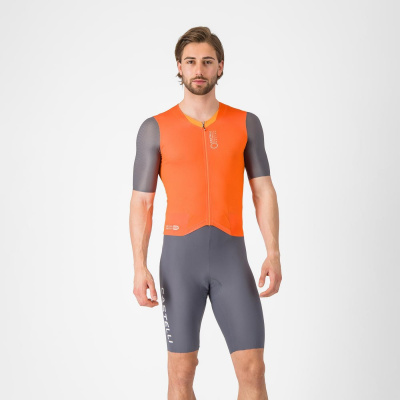
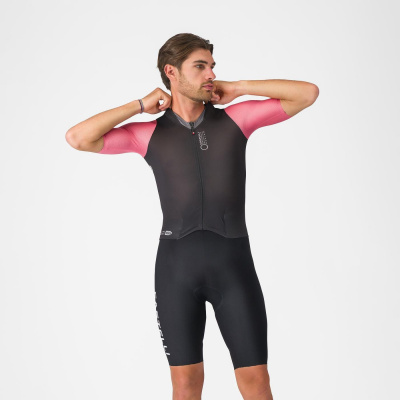
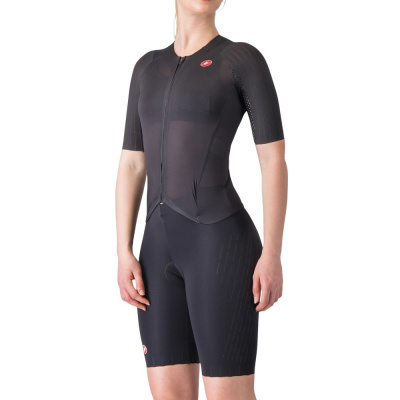
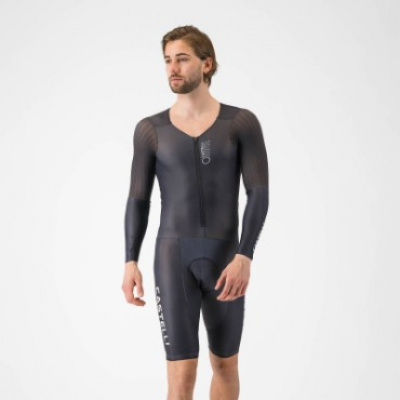
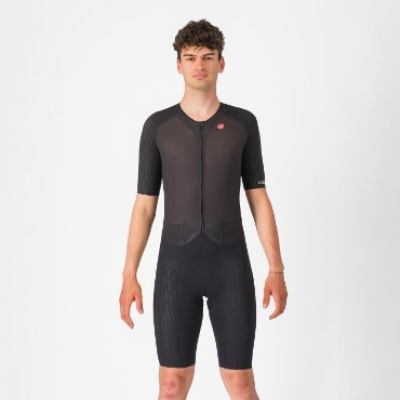
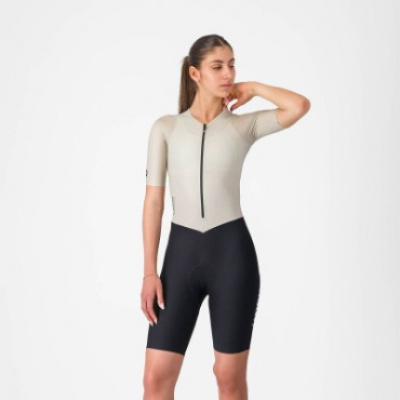
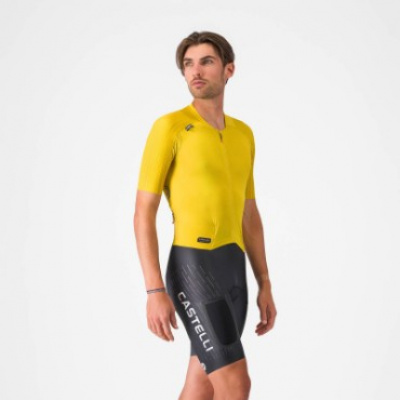
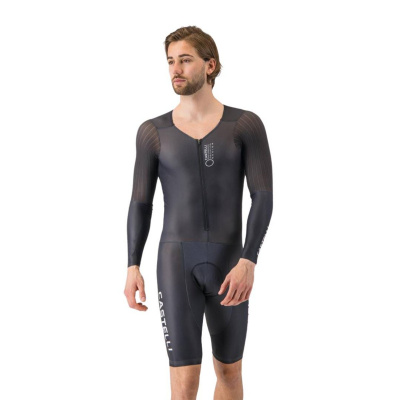
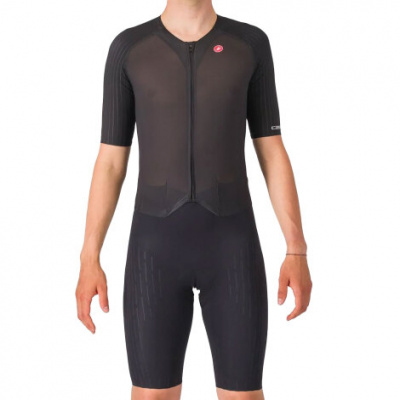
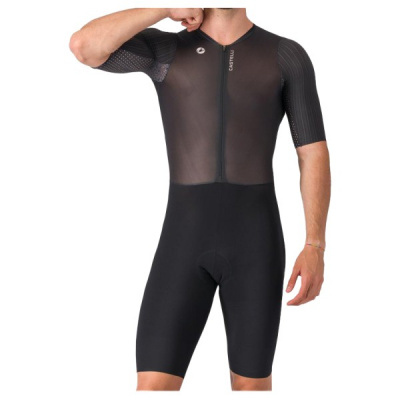
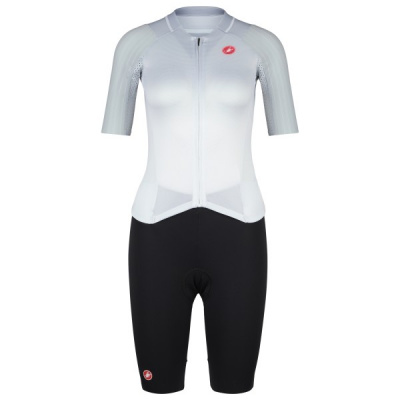
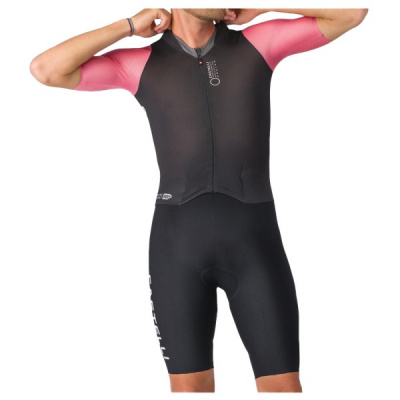
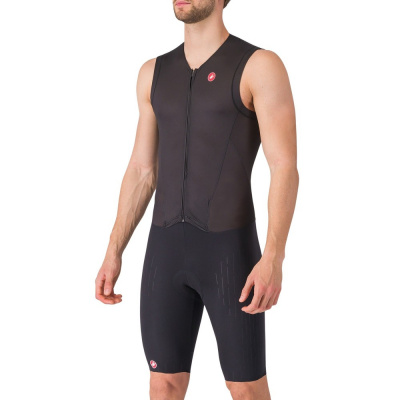
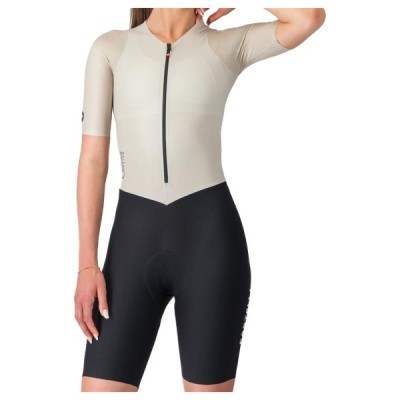
When the clock is your only competitor, Castelli skinsuits are where free speed lives. Engineered through wind tunnel testing and refined by WorldTour feedback, these suits are built to strip watts and seconds off your efforts - whether you're queuing on a cold dual carriageway for a 10-mile TT, grinding through a muddy cyclocross circuit in November, or chasing down a road race breakaway. Castelli have spent years studying how air moves over a body in motion, and the results show up in every seam placement and fabric choice.
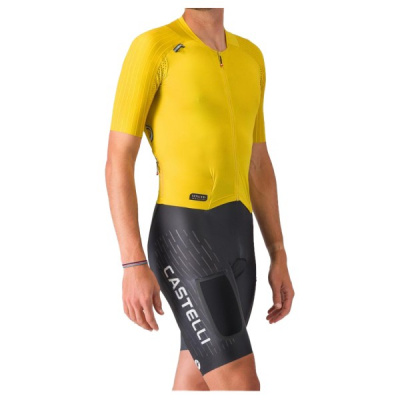
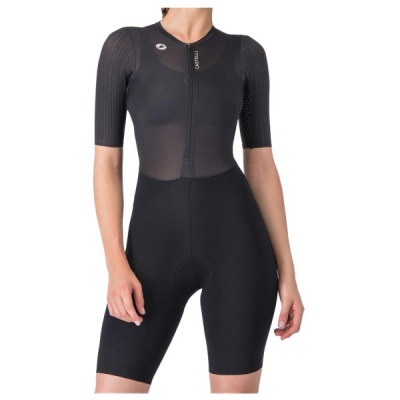
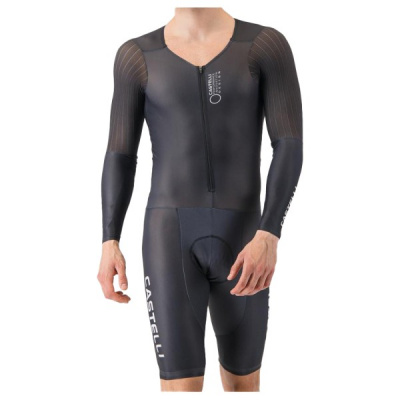
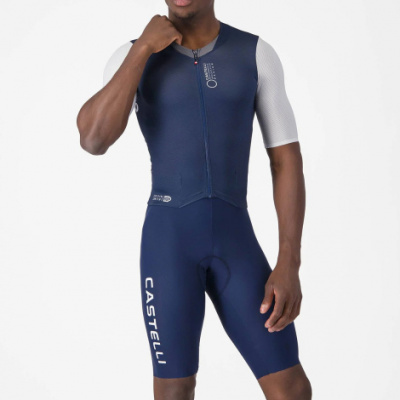
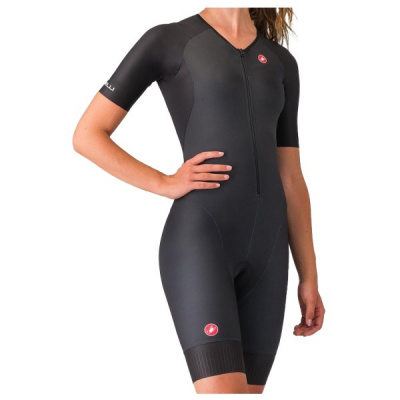
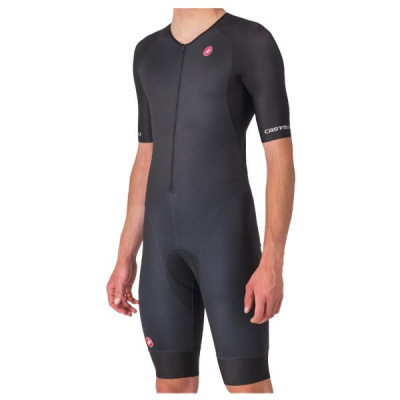
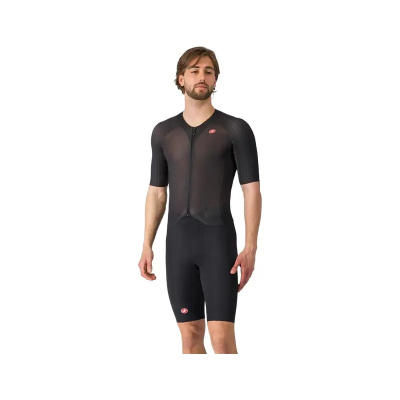
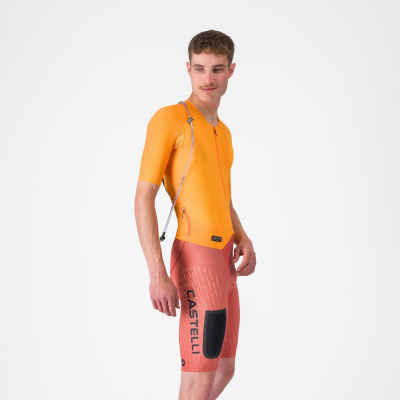
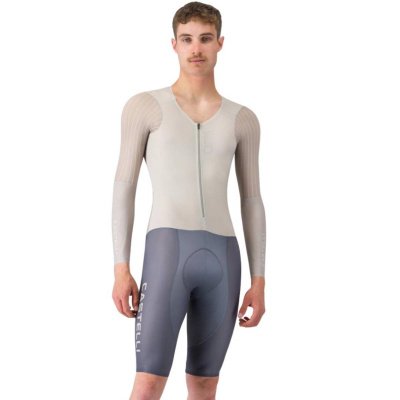
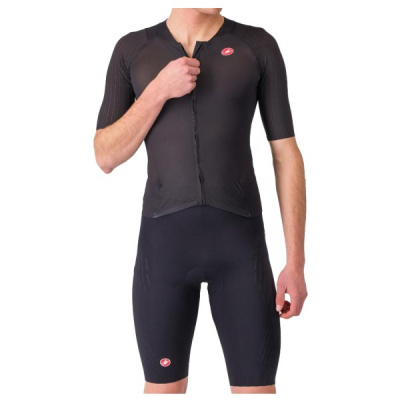
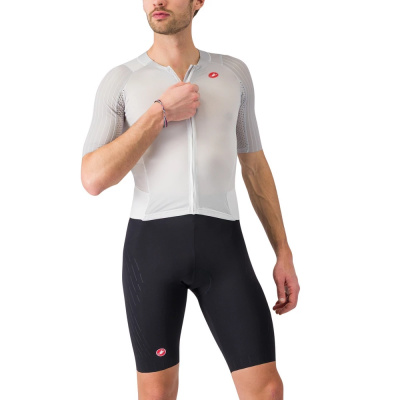
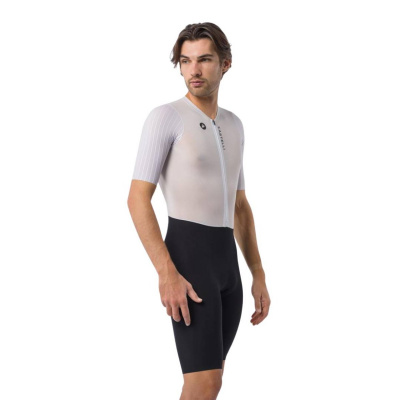
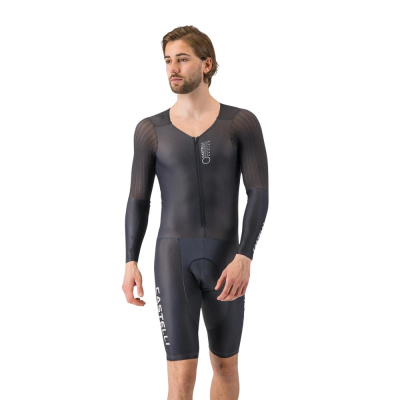
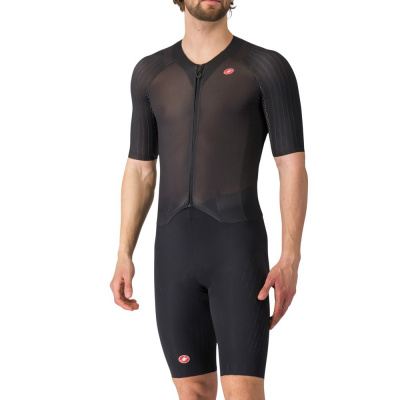
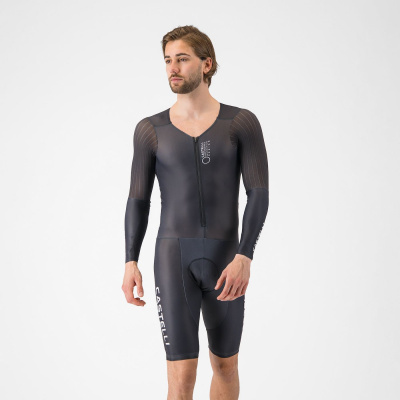
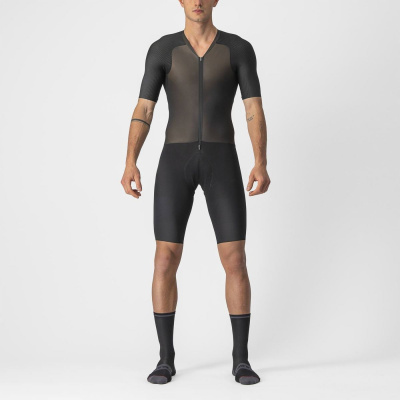
The range spans pure time trial suits - think the Body Paint series, where smooth airflow is the only priority - through to the clever Castelli Sanremo speed suit design, which stitches jersey and shorts together at the back but leaves the front open, giving you skinsuit aerodynamics with the ventilation and practicality of a regular jersey. Padding matters here too. The Progetto X2 Air chamois is shaped specifically for the forward-rotated pelvic angle of aggressive race positions, so comfort doesn't drop off when you're deep in the drops or stretched over a TT cockpit. These suits fit like a second skin - no bunching, no wrinkles, no drag-inducing fabric flutter. That's the point.
Prices and availability can change quickly. Delivery charges are not always included in listed prices.
Final price, stock status and delivery terms are set by retailer. We may receive a commission on purchases made.
The Science Behind the Fabric
Castelli's aerodynamic edge starts with material choices that most riders don't think about until they've lost a few seconds to a flapping kit. The Vortex dimpled fabric - used across several suits in the range - works by tripping the boundary layer of air as it passes over the suit, reducing the size of the turbulent wake behind you. Think of it like the dimples on a golf ball: counterintuitive, but genuinely effective at drag reduction. It's not marketing dressing; it's boundary-layer aerodynamics applied to clothing.
Seam placement is handled through CFD (Computational Fluid Dynamics) analysis, which maps airflow over a rider in position and routes seams away from high-pressure zones. The result is a suit where the construction itself doesn't fight the air. Where some brands position seams for manufacturing convenience, Castelli place them where the wind won't find them.
Padding choices reflect the demands of racing rather than leisure riding. The Progetto X2 Air seamless seat pad is cut for a forward-tilted hip position - the kind you're in when you're actually trying - rather than the upright posture of a sportive rider. The Kiss Air2 seat pad, found in some of the range, uses a similar philosophy: lighter, with targeted foam density that won't compress to nothing over a hard 40-kilometre TT effort. Neither pad is there for a casual spin. They're there because comfort at race pace matters, and an uncomfortable rider is a slower rider.
Sanremo vs. TT Suit: Which One Do You Need?
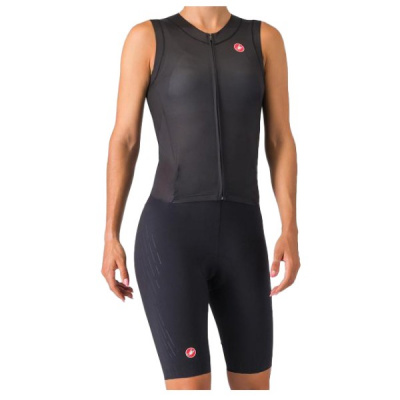
The Sanremo design is one of those ideas that makes you wonder why it took so long. At the back, it's a skinsuit - jersey and shorts bonded together, smooth over the lumbar, no gap for air to catch. At the front, the jersey section is unattached, zipping open like a regular jersey. That means massive ventilation on a steep drag in the Peaks, straightforward nature breaks at a race feed zone, and a suit that goes on and off without the contortions of a traditional one-piece. The Castelli Sanremo speed suit sits in a genuinely useful middle ground between pure aero and everyday race practicality.
Pure TT suits - the Body Paint range being the clearest example - drop all of that in favour of absolute smooth airflow. No front opening, no compromise. If your event is a flat 25 on a quiet A-road and you won't be stopping, the additional aero of a sealed suit is worth having. But for road racing, cyclocross, or anything with variable effort and temperature, the Sanremo format is the more sensible tool.
Fit across both types follows what Castelli call the Rosso Corsa race cut. Standing up in the car park, it will feel tight across the shoulders and restrictive through the hips. That's correct. Once you're on the bike in your actual riding position, the suit pulls taut in the right places and the wrinkles disappear. If it feels comfortable standing upright, it's probably a size too big. A road racing skinsuit that bags behind the knees or bunches at the lower back is generating drag you don't need. Size down if you're between sizes and racing seriously.
The Castelli cyclocross skinsuit options - including the Cross Sanremo - add thermal properties and mud-shedding fabrics suited to the UK's winter CX season. Wet, freezing, and filthy conditions are where those suits earn their keep. The fabrics used are denser, with enough wind resistance to take the edge off a raw January morning without trapping heat when the pace is high.
Layering, Care, and Getting the Most from Your Suit
Early morning UK time trials have their own particular misery - 6am on a dual carriageway in September, fingers numb before you've even clipped in. A lightweight Castelli base layer under your skinsuit handles that without adding meaningful bulk or drag. For cyclocross or winter road races, a thermal base layer is the right call; it keeps core heat in without compromising the suit's compressive fit. The base layer should be form-fitting - anything with excess fabric will bunch under the skinsuit and undo the aerodynamic work the suit is doing.
If you're coming from triathlon or duathlon, the suit principles carry across well. Castelli's tri clothing range shares some of the same pad and fabric technology, so if you're racing across disciplines the brand logic is consistent. The aero cycling skinsuit and tri suit worlds have converged significantly, and Castelli sit comfortably in both.
Cold feet on a TT can break your focus faster than a headwind. Pairing your suit with Castelli overshoes keeps the lower legs in the aerodynamic picture too - exposed ankles and flapping shoe covers are a surprisingly significant drag source. Similarly, Castelli mitts in lighter conditions keep the hands covered without the bulk of full gloves disrupting your bar position.
Washing these suits correctly matters more than most riders realise. Cold wash, inside out, no fabric softener - ever. Fabric softener coats the elastane fibres and kills the compressive stretch that keeps the suit wrinkle-free and aerodynamically effective. A suit washed repeatedly with softener will start to sag and bag within a season. Hang dry only; tumble drying degrades the fabrics faster than anything else. It takes thirty seconds of thought before each wash and it extends the life of a suit that isn't cheap to replace.
Related searches:
Castelli Skinsuits FAQs
How tight should a Castelli skinsuit be?
It should sit against your skin with zero bunching or wrinkles - any excess fabric creates drag. Standing up, the shoulders will feel restrictive and the hips snug. That's by design. Once you're on the bike in your race position, the suit pulls flat and fits correctly. If it feels comfortable upright, size down.
What is the Castelli Sanremo speed suit?
The Sanremo stitches jersey and shorts together at the back for skinsuit aerodynamics, but leaves the front unattached like a full-zip jersey. You get the aero profile of a one-piece suit with the ventilation of a jersey, easier layering, and practical access for nature breaks during road races or longer events.
Do you wear a base layer under a skinsuit?
Yes - a lightweight, form-fitting moisture-wicking base layer works well under a skinsuit for sweat management during hard efforts. For early morning UK time trials or autumn cyclocross races, a thermal base layer adds core warmth without meaningful bulk. Keep it close-fitting; anything that bunches will disrupt the suit's aerodynamic surface.