
Specialized Road Bikes
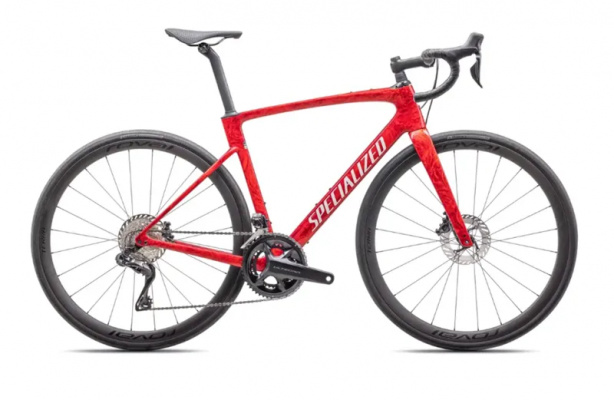
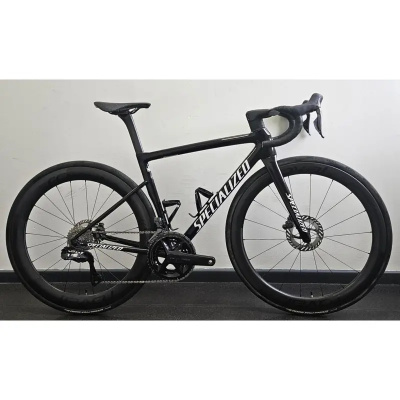
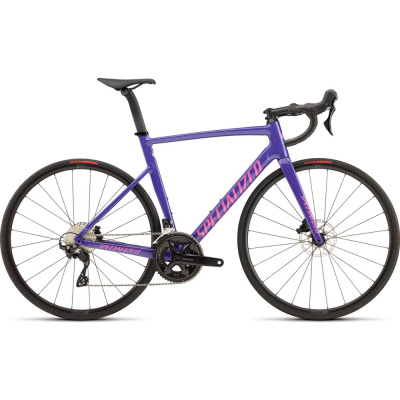
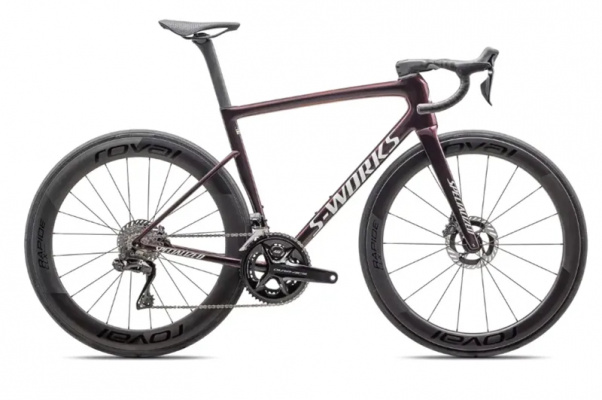
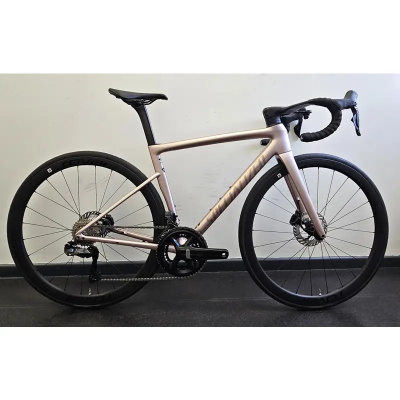
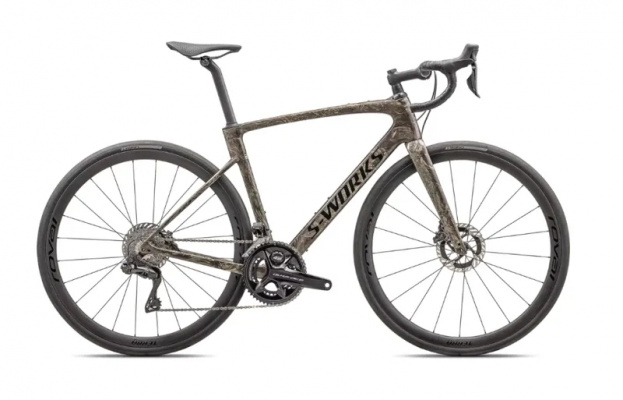
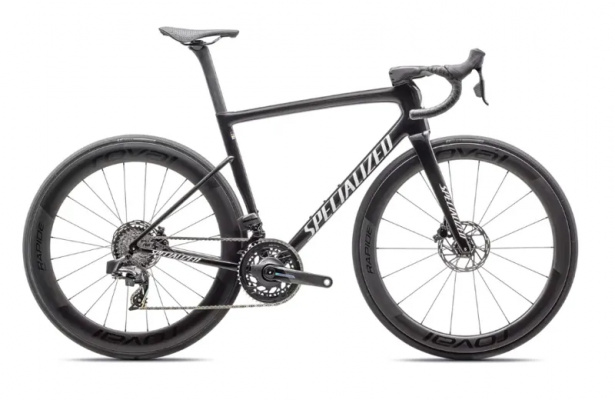
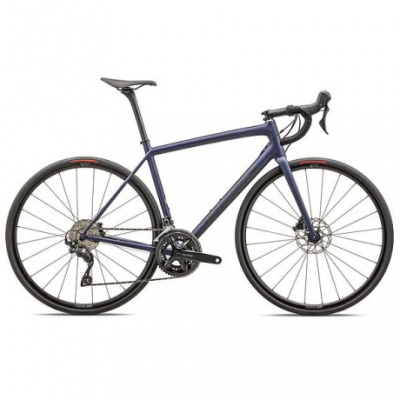
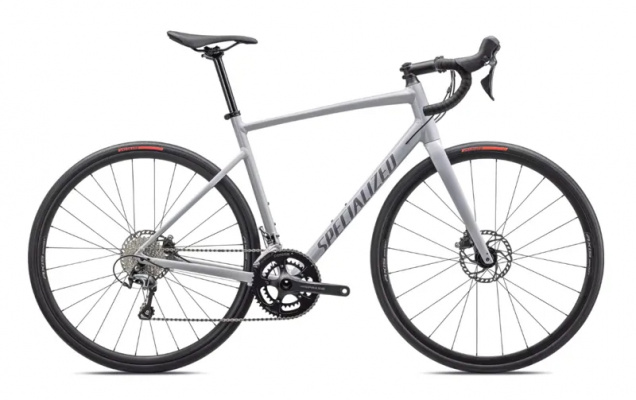
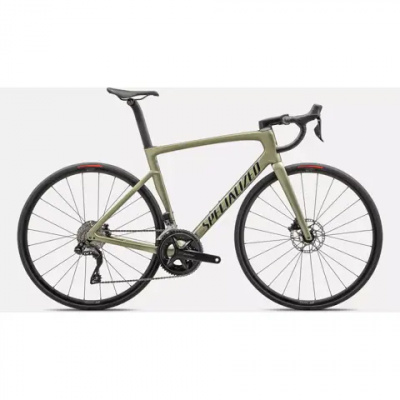
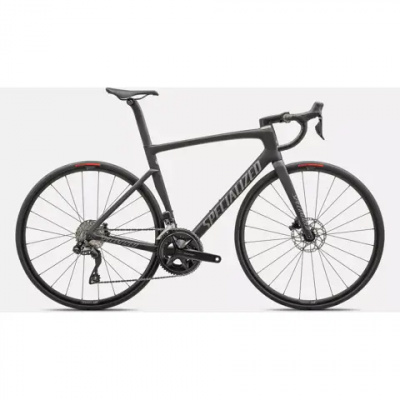
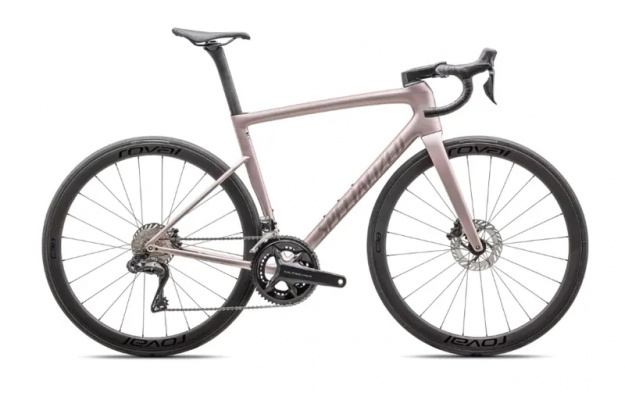
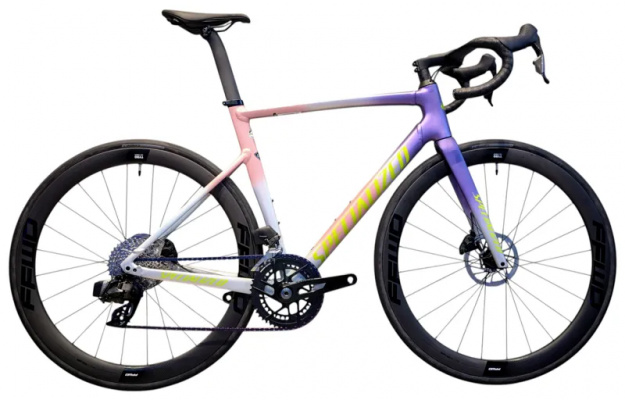
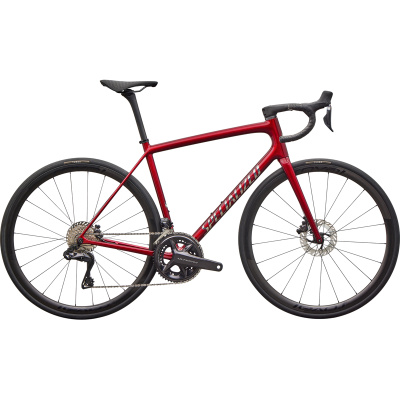
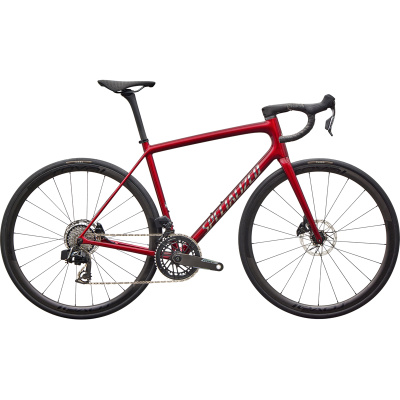
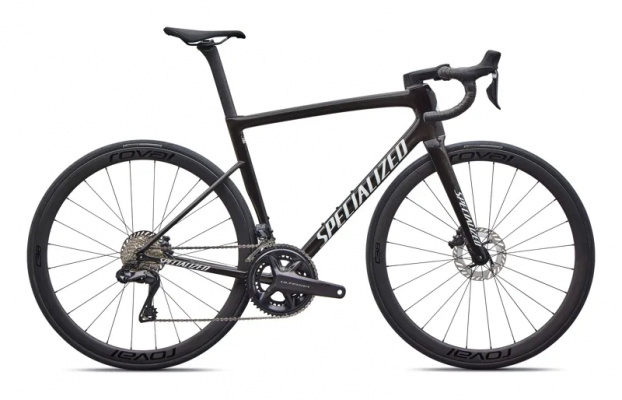
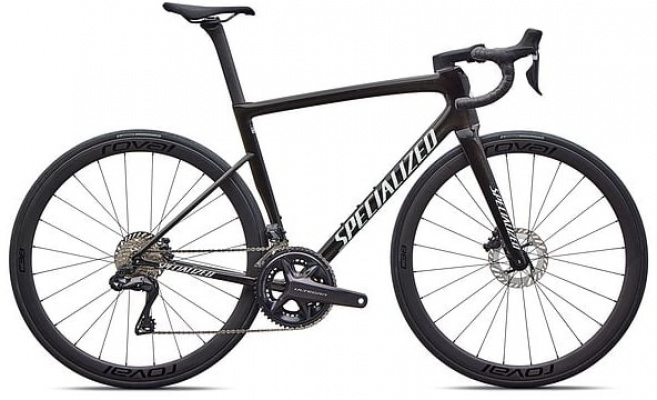
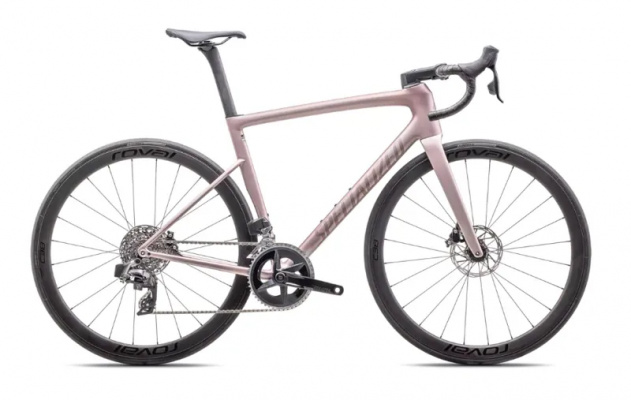
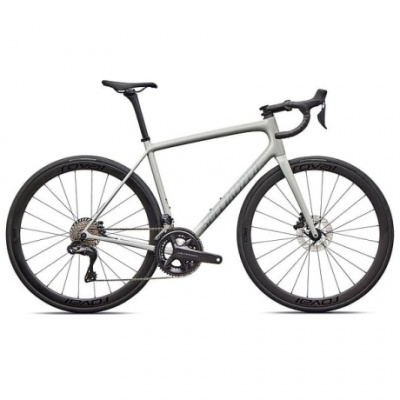
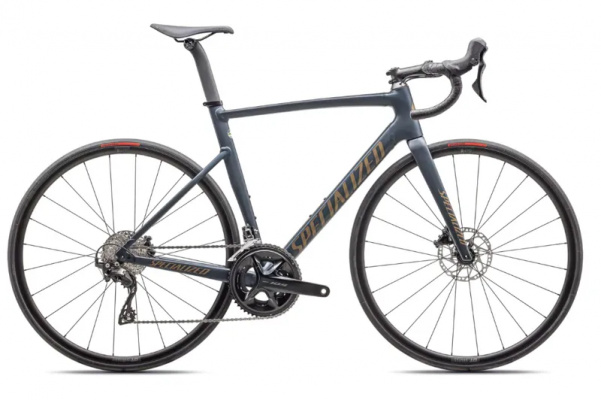
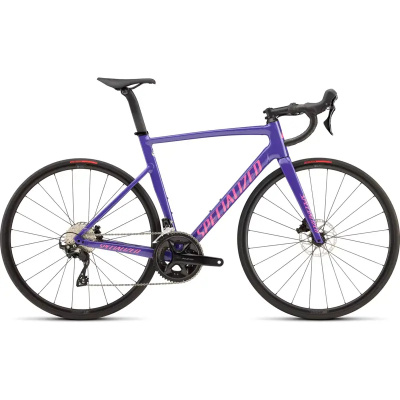
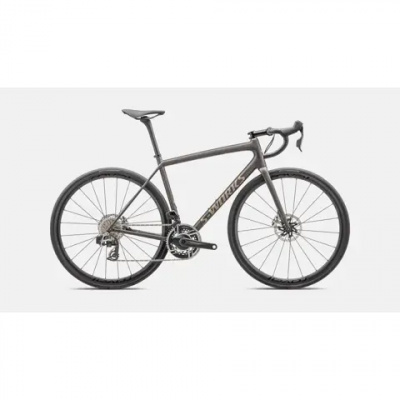
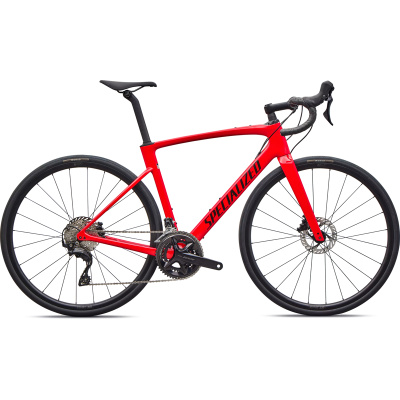
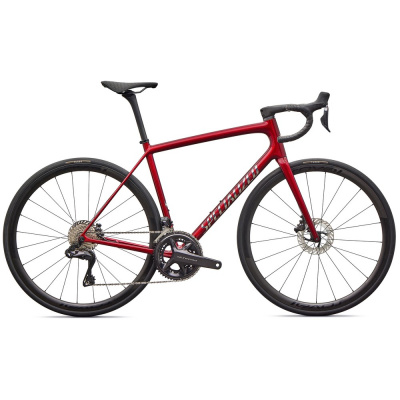
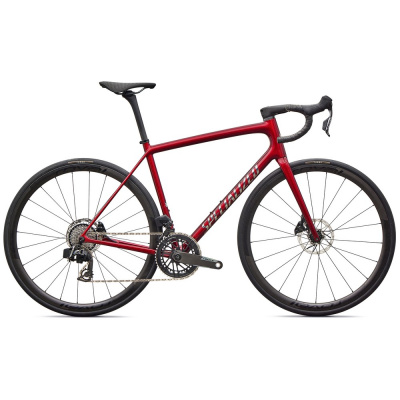
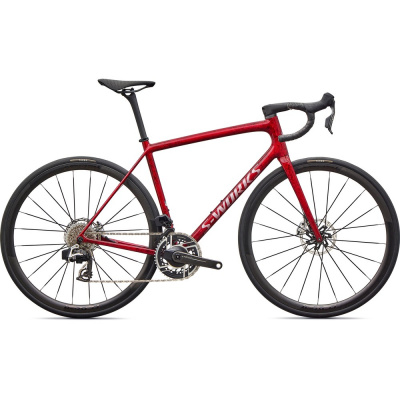
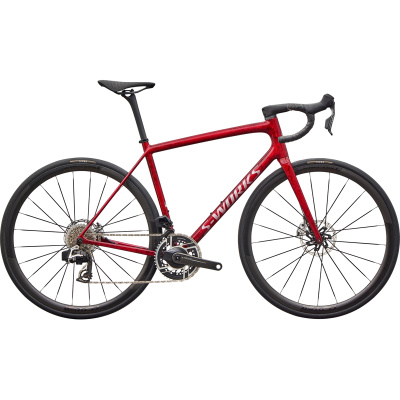
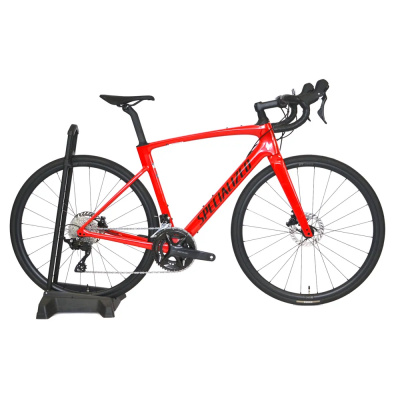
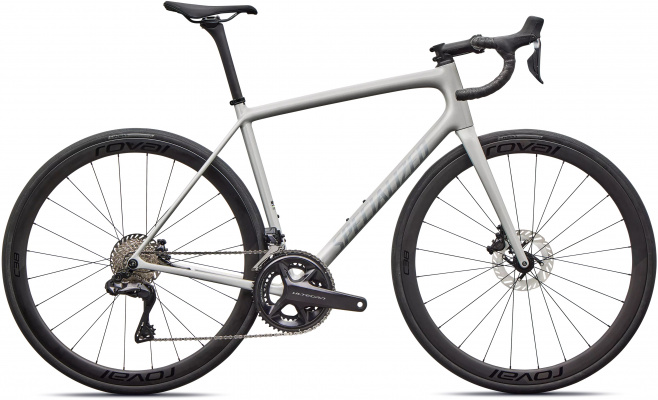
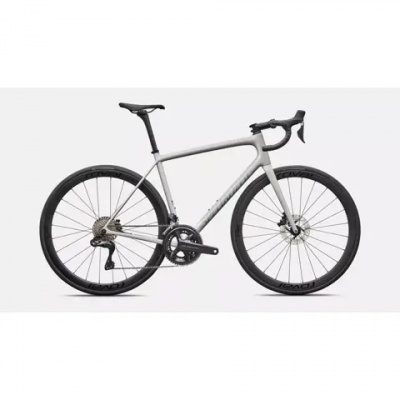
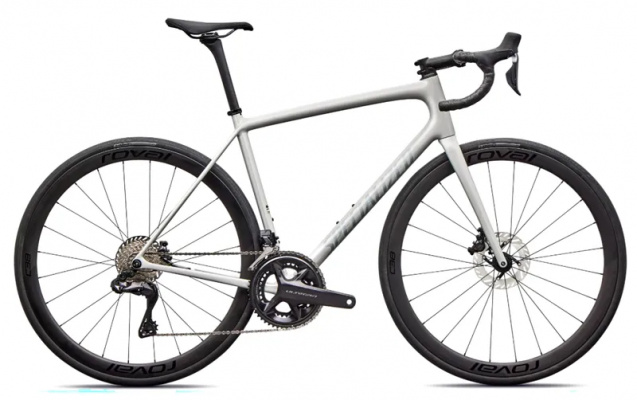
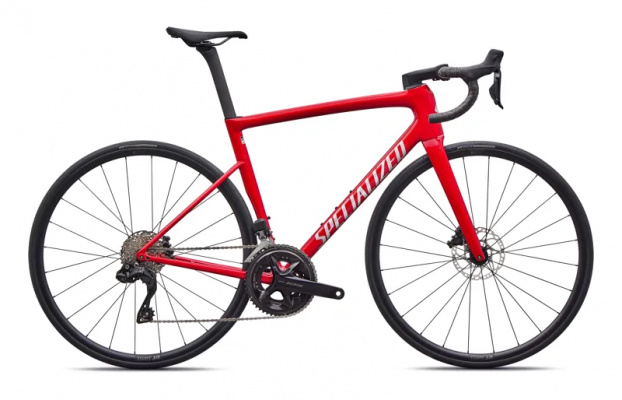
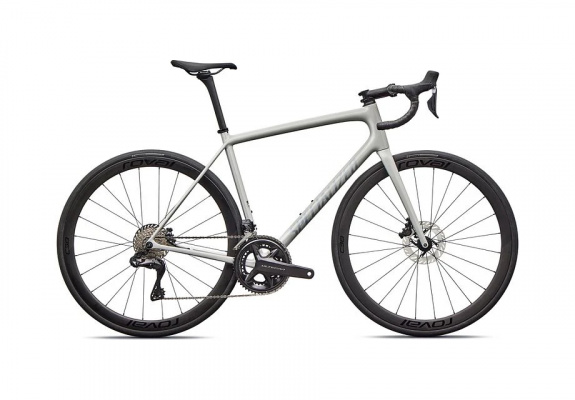
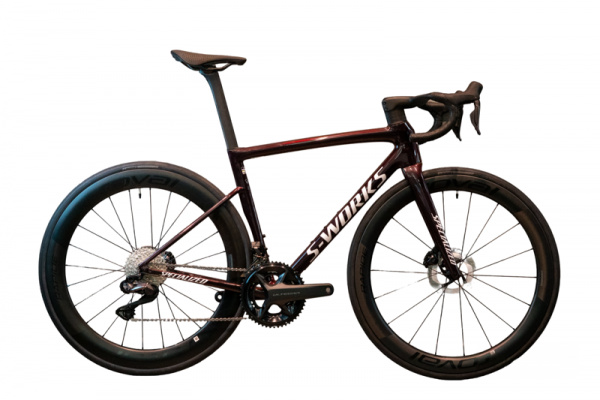
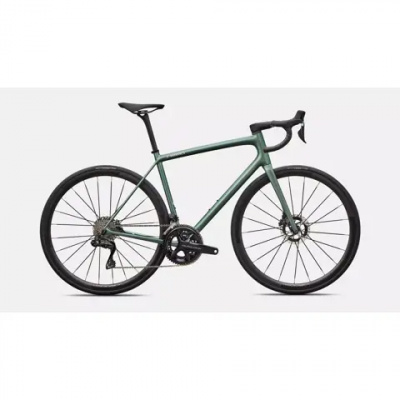
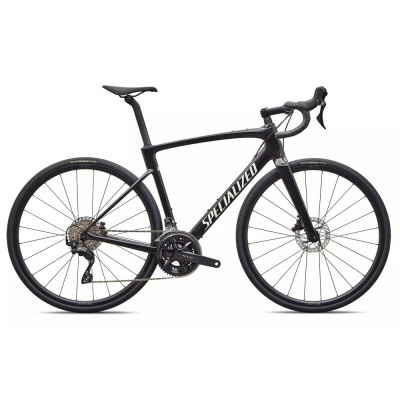
Specialized road bikes span everything from WorldTour race machines to the kind of bike you'd happily throw at a wet Sunday morning in the Peaks - and that breadth is precisely what makes the range worth understanding before you buy. The lineup breaks into four distinct families, each with a clear purpose. The Tarmac is built for speed: aero tube shapes, aggressive geometry, the sort of frame that rewards you when the road tilts upward or the group ride kicks. The Roubaix takes a different view, pairing a more relaxed riding position with the Future Shock steerer-tube suspension system to take the edge off rough roads without sacrificing forward drive. The Aethos sits apart as a lightweight, almost purist machine - minimal fuss, maximum climbing efficiency. Then there's the Allez, Specialized's alloy workhorse: a crit weapon, a winter trainer, a first proper road bike. Across all four families you'll find trim levels from accessible entry builds right up to full S-Works specification. One important note: if you're after a drop-bar bike designed for gravel riding, the Diverge and Crux live on our Specialized Gravel Bikes page. Pedal-assist models like the Turbo Creo are covered in our Specialized E-Bikes section.
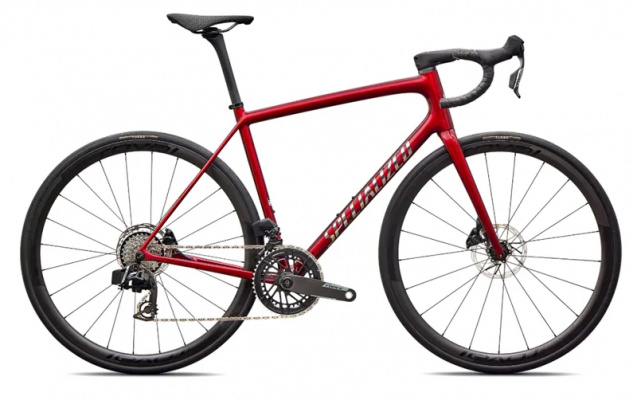
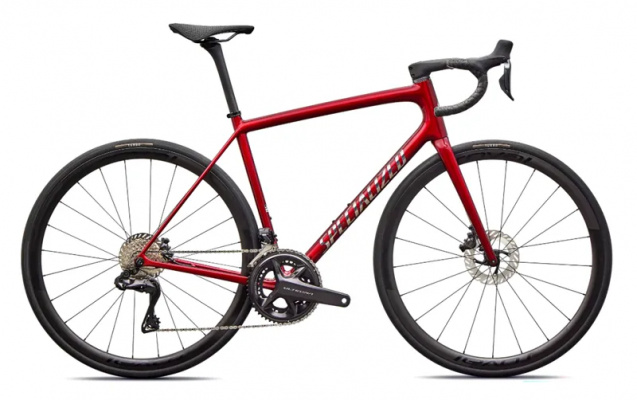
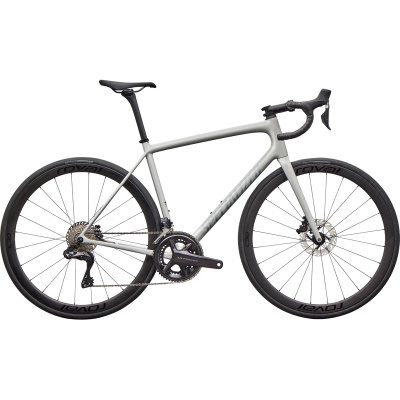
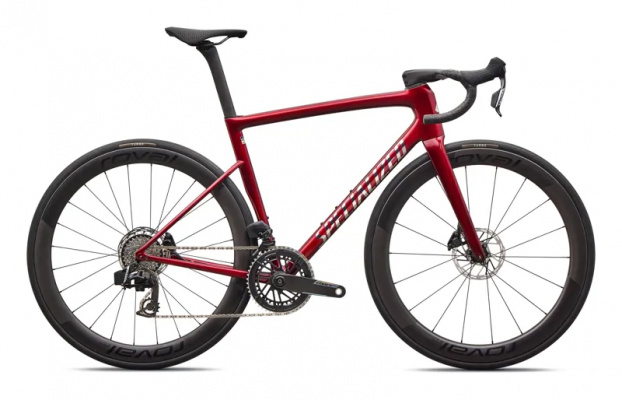
Prices and availability can change quickly. Delivery charges are not always included in listed prices.
Final price, stock status and delivery terms are set by retailer. We may receive a commission on purchases made.
Decoding the Specialized Road Lineup
Getting to grips with Specialized's model structure saves you a lot of scrolling. The four core families are distinct enough that picking the wrong one isn't just a matter of preference - it's the difference between a bike that works with your riding and one that fights it.
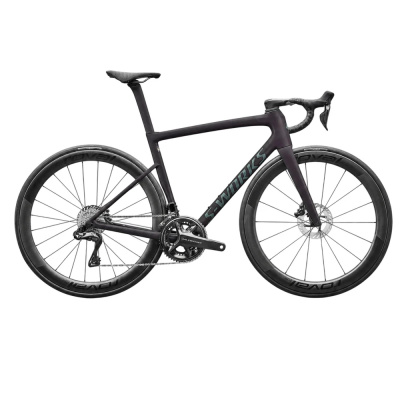
The Tarmac SL8 is the race flagship. Aero tube profiles, a geometry that puts you in a low, powerful position, and a frame designed to do nothing other than go fast. If your rides involve chasing segments, racing crits, or you simply want the most direct relationship between effort and speed, this is your family. The Roubaix covers endurance riding - longer days, rougher roads, riders who want to arrive at the café stop feeling human. The Aethos is the outlier: featherlight, clean-lined, aimed at climbers and anyone who finds the idea of a 6.8kg road bike genuinely exciting. The Allez is aluminium, honest, and rather good - a platform for racers on a budget, winter training, or anyone who doesn't want to wince every time a pothole appears.
Trim levels run a consistent ladder across the range. Base and Sport builds use entry-level groupsets and get you on the right frame without the premium component tax. Comp models - typically specced with Shimano 105 or SRAM Rival - sit where most enthusiast riders land, and rightly so. Expert and Pro builds step up to Ultegra or SRAM Force, often with upgraded carbon wheels that make a tangible difference to how the bike accelerates. At the top, S-Works is Specialized's no-compromise specification: FACT 12r carbon, Dura-Ace or SRAM Red, and the components Specialized's professional race teams actually race on. Worth knowing: the geometry and tube shapes remain consistent within each family across trim levels, so you're buying the same frame philosophy whether you start at Comp or stretch to S-Works.
The Specialized Tech Philosophy
Specialized uses a few proprietary technologies that appear repeatedly across the range, and understanding what they actually do helps you work out which bike earns its price tag for your kind of riding.
FACT carbon - Functional Advanced Composite Technology - is Specialized's in-house carbon fibre system, and the number after it tells you the grade. FACT 9r appears on Comp and some Expert builds: capable, light, noticeably stiffer than aluminium. FACT 10r steps things up on Expert and Pro models, shaving weight and tightening the response underfoot. FACT 12r is reserved for S-Works frames - the layup that goes straight from Specialized's Morgan Hill R&D facility to the pro peloton. The differences are real, not cosmetic, but they're also incremental. A FACT 9r Tarmac is still a proper carbon road bike.
Rider-First Engineered is the detail that often gets overlooked in spec comparisons. Specialized sizes their carbon layups differently for each frame size, rather than scaling one design up and down. A size 49cm Tarmac is engineered to deliver the same stiffness-to-weight ratio and ride character as a 61cm - the carbon fibre placement, tube wall thicknesses, and layup schedules are all adjusted per size. Smaller riders get a frame tuned for their loads and power outputs, not a shrunken version of something built for a 90kg racer.
The Future Shock system, found on the Roubaix, works differently to anything else on the market. Rather than flexing the frame or seatpost, it suspends the headtube upward - there's a cartridge inside the steerer that compresses and rebounds as the road throws input at the front wheel. The rider moves; the bike stays planted. Future Shock 3.0 adds a hydraulic damper for more controlled rebound, and you can adjust the spring weight via a dial on the top cap. On rough British B-roads it's a genuinely different experience - road chatter that would normally rattle your fillings gets absorbed before it reaches your hands. If you pair a Roubaix with Specialized road tyres in a wider width, the cumulative comfort gain is significant.
On the Allez, D'Aluisio Smartweld technology refers to the way Specialized engineer the alloy junctions. Traditional aluminium welding leaves stress concentrations at tube joints; Smartweld uses hydroformed inserts and precision-shaped junction pieces to distribute stress more evenly, resulting in a weld-free appearance at key contact points and a noticeably smoother ride from an alloy frame. It's the reason the Allez doesn't ride like generic aluminium.
Living with a Specialized in the UK
A few practical points that matter more once you're actually living with one of these bikes rather than reading about it.
Tyre clearance has improved across the modern range. The Tarmac SL8 clears 32mm tyres - useful when you want to run something a bit more forgiving on cracked B-roads without sacrificing aero credibility. The Roubaix goes further, clearing up to 38mm or 40mm depending on build, which opens up a genuinely wide range of road-appropriate rubber. Running a 35mm tyre on a Roubaix on broken Lancashire lanes is a very different proposition to the 25mm clinchers that used to be the default.
Specialized's return to threaded BSA bottom brackets across the road range is worth flagging. Press-fit bottom brackets and British winter riding are a miserable combination - grit and moisture work into the interface, creaking follows, and getting them out again tests your patience and your toolset. A threaded shell just threads in, threads out, and stays quiet. For anyone doing their own maintenance through the winter months, it's a genuinely meaningful decision from Specialized's engineers.
If you're running a Roubaix, keep an eye on the Future Shock boot - the rubber seal that keeps grit out of the cartridge mechanism. It's worth checking periodically if you're riding through winter lanes. Replacement boots are available and fitting them is straightforward; ignore the maintenance and the cartridge will eventually feel notchy rather than smooth. A quick check when you're swapping inner tubes before a ride takes seconds.
On the Allez specifically: the alloy frame makes it a sensible choice if theft is a real concern, or if you want a dedicated winter bike that won't lose sleep over road salt and jet washing. Pair it with fresh bar tape in winter and a robust tyre choice, and it earns its keep.
Worth comparing? If you're weighing up the Tarmac against alternatives, Cannondale road bikes and Giant road bikes occupy similar territory at comparable price points. At the more aero-focused end of the market, Cervélo road bikes are worth a look if tunnel-tested aerodynamics is your primary filter. Specialized's edge tends to be the depth of the technology cascade down through trim levels, and how coherent each family feels as a complete design rather than a parts-bin exercise. Don't overlook the Specialized saddle range either - their Body Geometry fit system is designed around the same ergonomic research that underpins the bikes, and it's worth matching the two if you're building a new setup.
Related searches:
Specialized Road Bikes FAQs
Are Specialized road bikes worth the money?
Generally, yes. Specialized invests heavily in R&D, and the technology developed for their S-Works race frames genuinely filters down to mid-range Comp and Expert models. You're not just paying for a badge. They also hold resale value well in the UK market, which matters if you're likely to upgrade in a few years.
What is the difference between Specialized Tarmac and Roubaix?
The Tarmac is a pure race bike: aero tube shapes, aggressive geometry, built to go fast on smooth roads. The Roubaix is an endurance bike with a more relaxed riding position and the Future Shock steerer-tube suspension system, which absorbs road vibration before it reaches your hands. Different tools for different riding.
What does S-Works mean on a Specialized bike?
S-Works is Specialized's top-tier specification - the equipment their professional race teams actually use. S-Works frames use FACT 12r carbon, the highest grade in Specialized's layup system, paired with flagship groupsets like Dura-Ace or SRAM Red. It's the no-compromise build, with pricing to match.