
Giant Road Bikes
Giant Road Bikes occupy a genuinely rare position in the market: the company doesn't just design frames, it manufactures the carbon fibre they're built from. That in-house composite production - running from raw material to finished layup under one roof - gives Giant a level of quality control that most brands simply can't match, and it keeps the price-to-performance ratio sharper than almost anything else you'll find at a UK dealer.
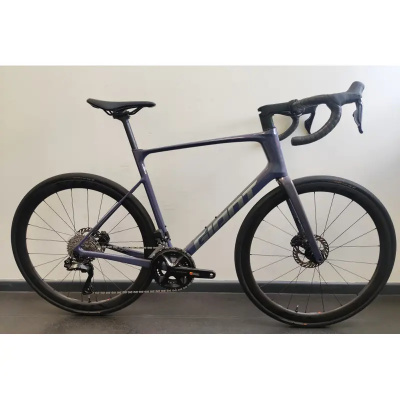
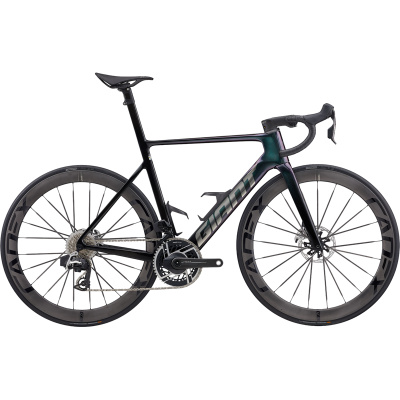
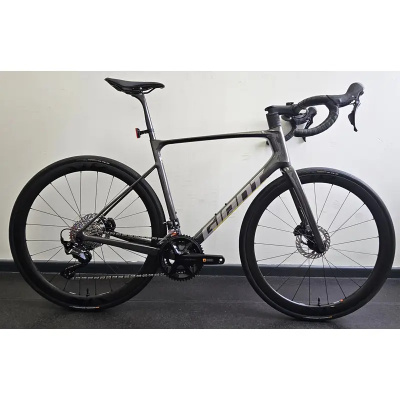
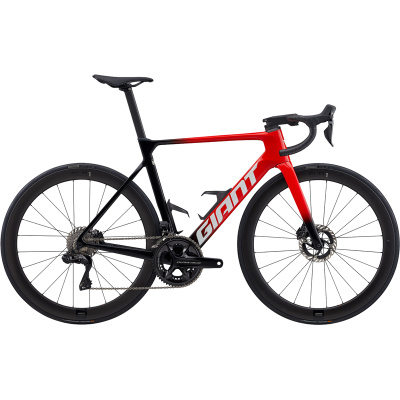
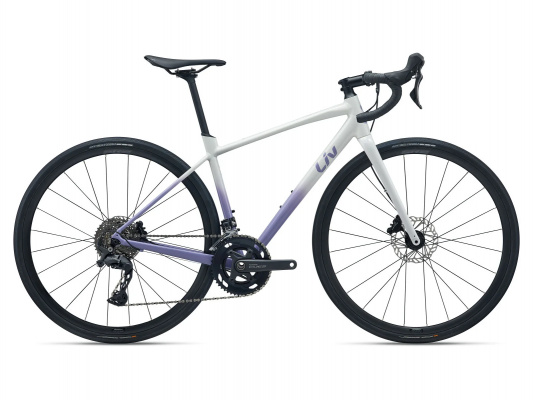
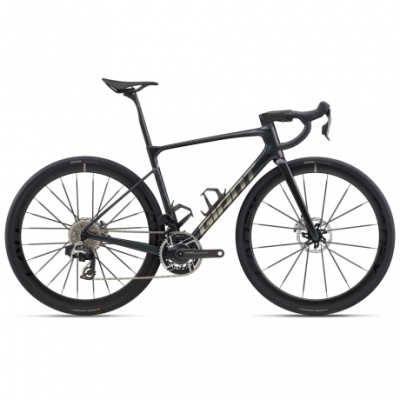
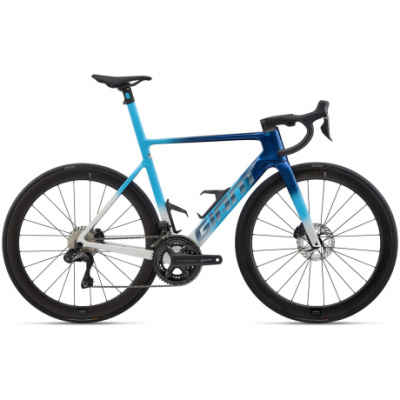
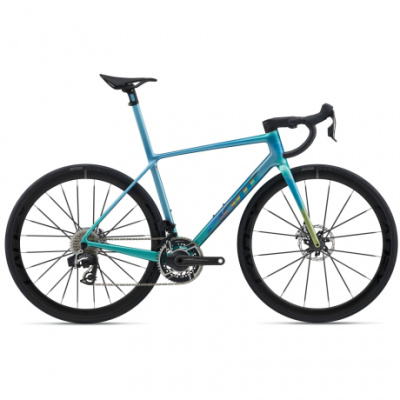
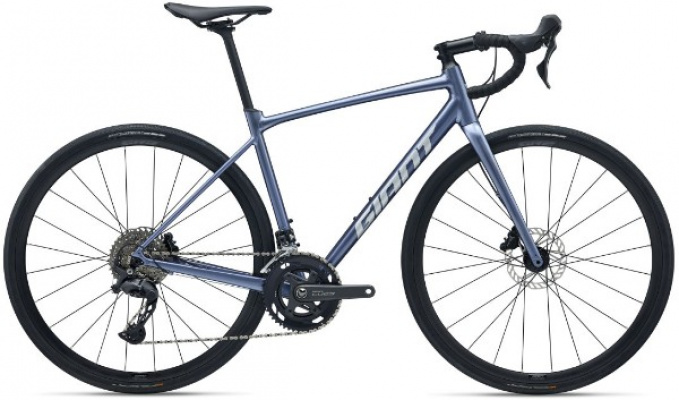
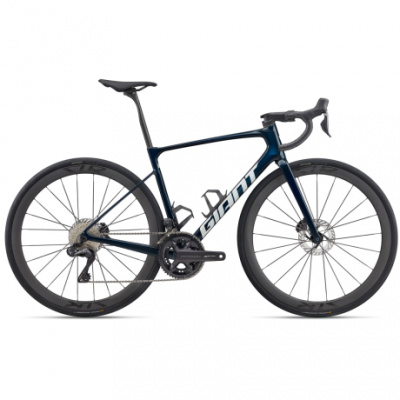
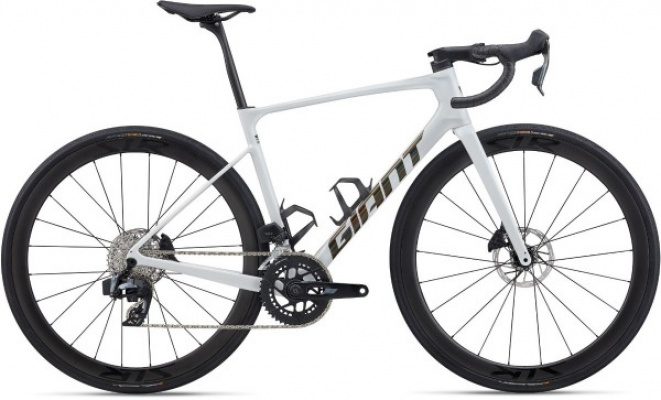
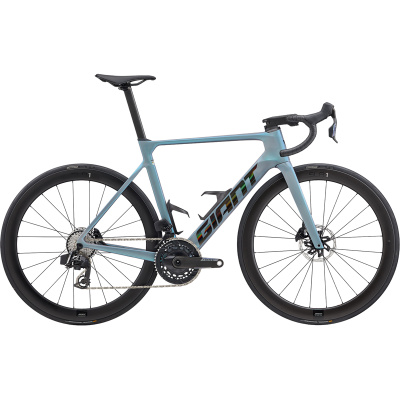
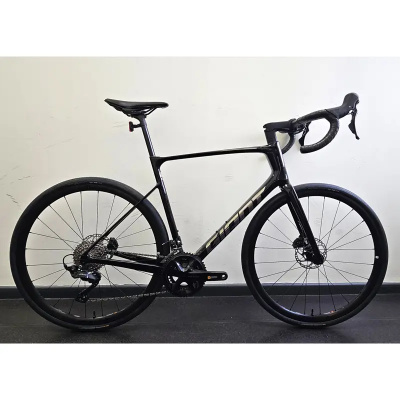
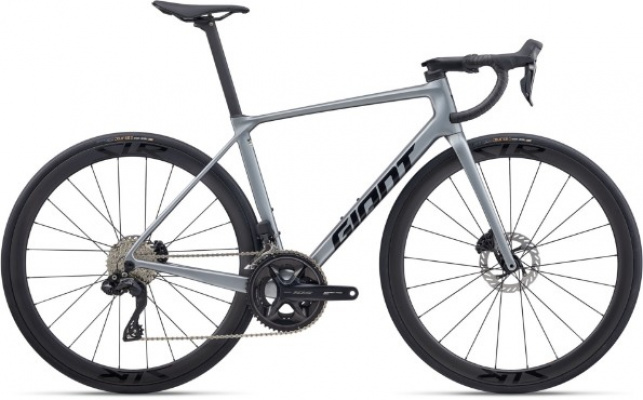
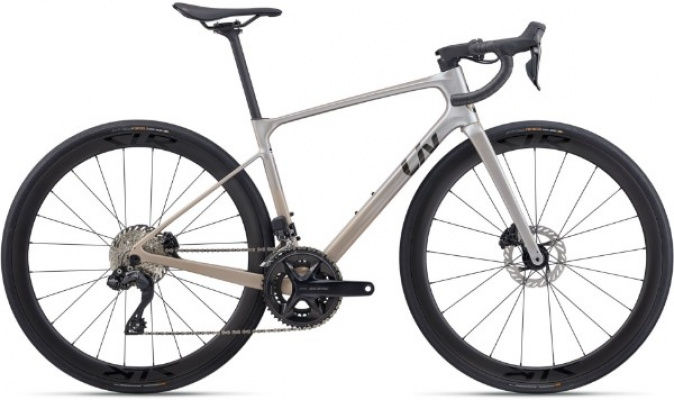
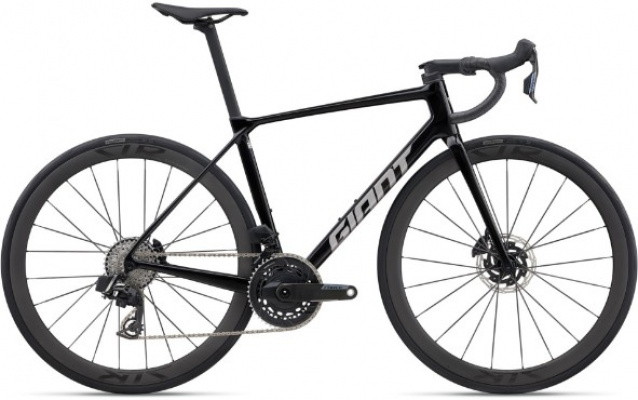
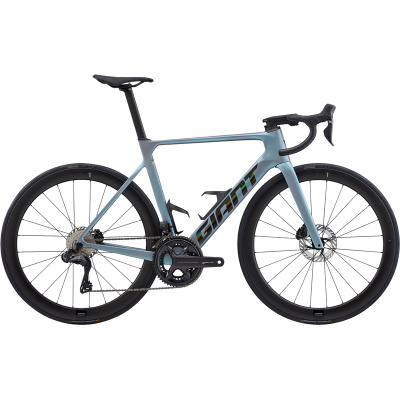
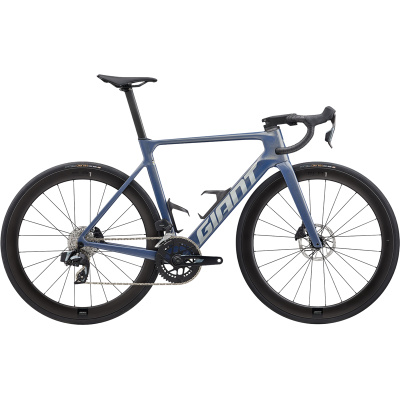
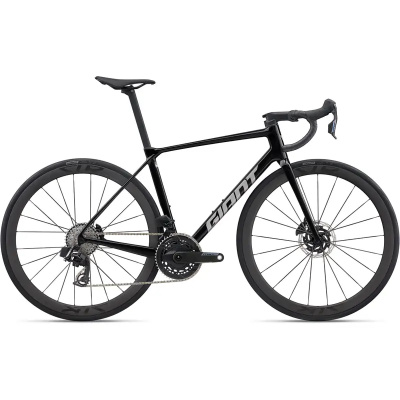
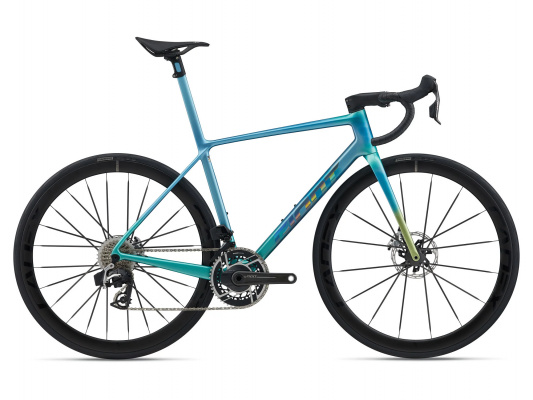
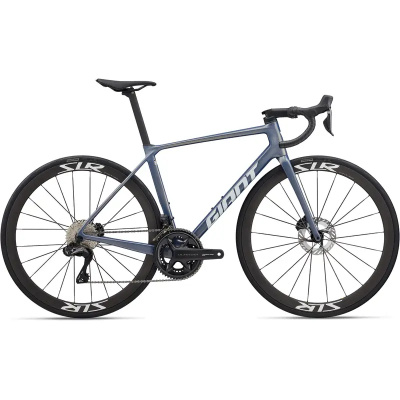
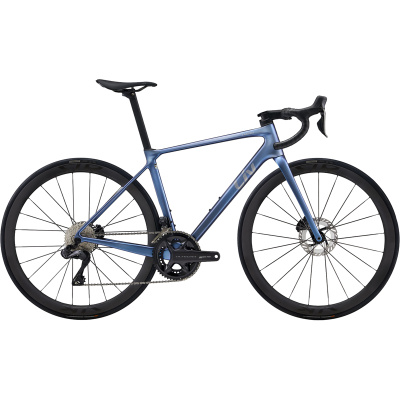
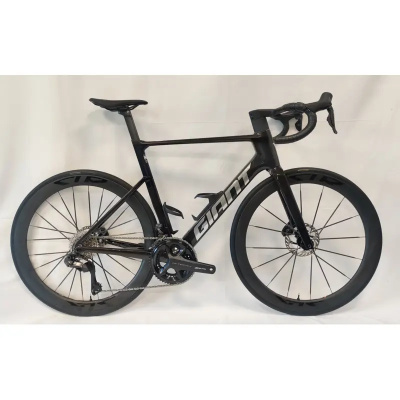
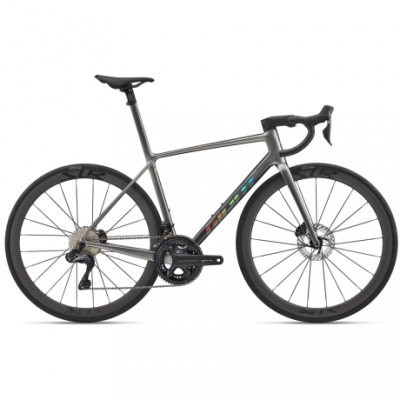
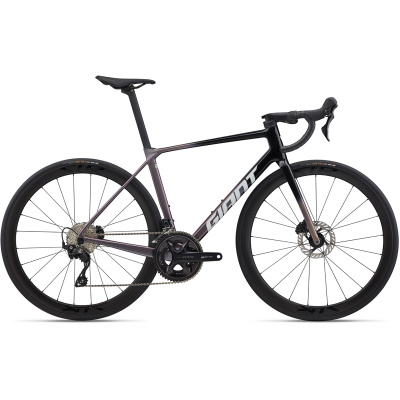
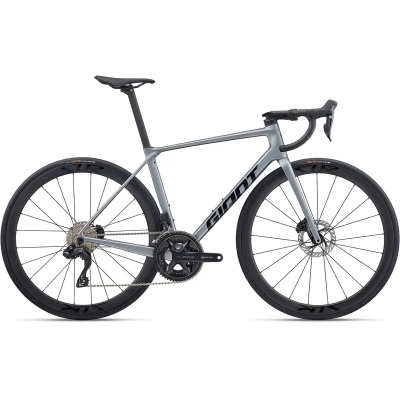
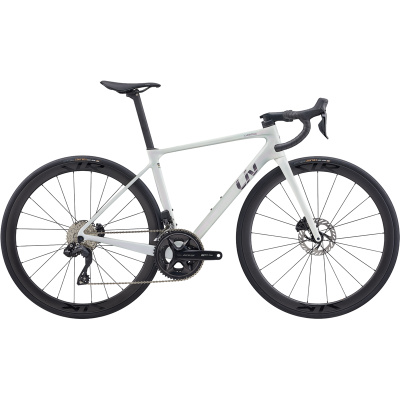
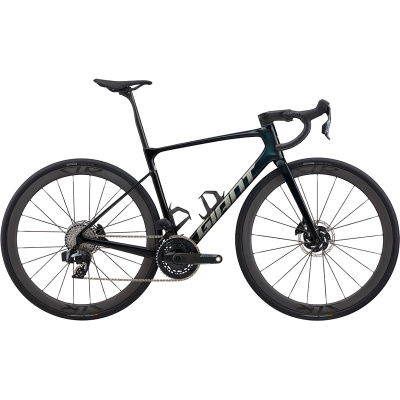
The road lineup breaks into four clear families. The TCR is Giant's lightweight race platform, built around stiffness and climbing efficiency. The Propel is the aero road bike, shaped for flat-out speed on open roads and crits. The Defy takes an endurance approach - longer rides, rougher roads, geometry that doesn't punish you after four hours. Then there's the Contend, an alloy all-rounder that makes a genuinely sensible first road bike without cutting corners on ride quality.
Across those families, Giant layers trim levels from standard alloy builds up through Advanced, Advanced Pro, and Advanced SL carbon grades - each step bringing a stiffer, lighter layup and better componentry. Proprietary tech like Compact Road Geometry and D-Fuse compliance runs through the range, engineered around how real roads actually ride rather than how they look on a spec sheet.
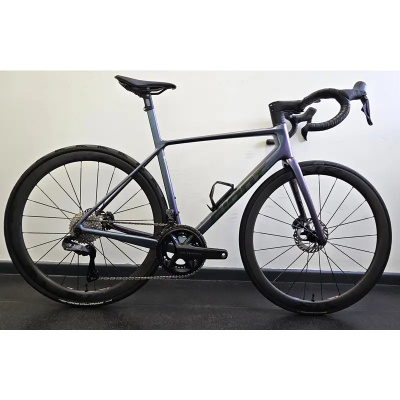
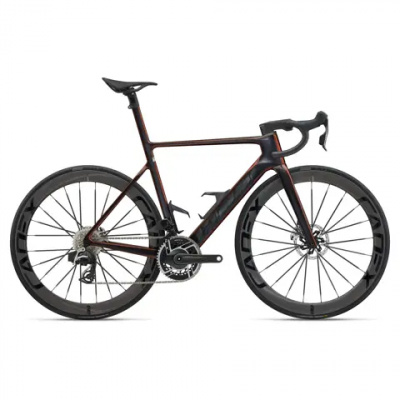

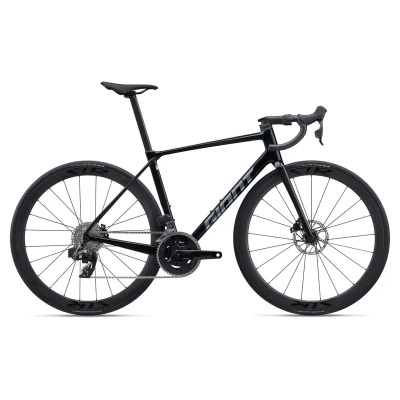
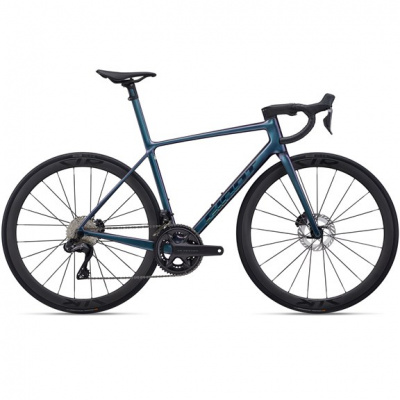
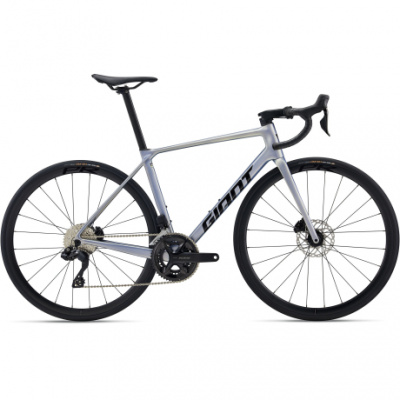
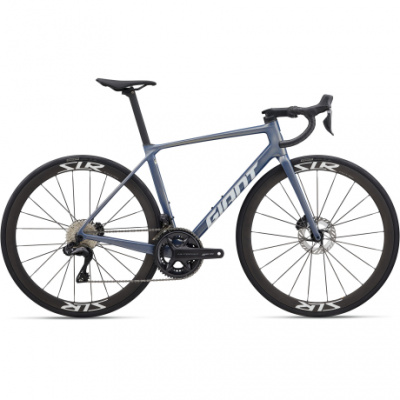
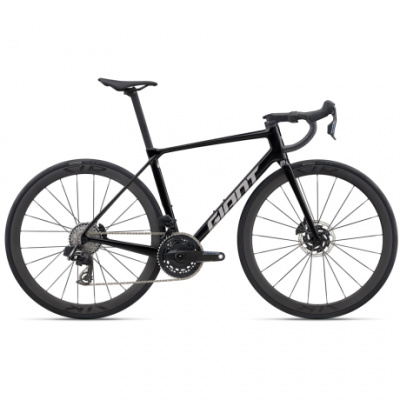
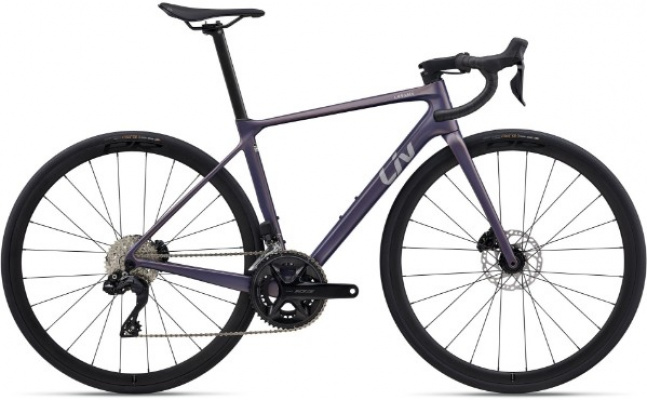
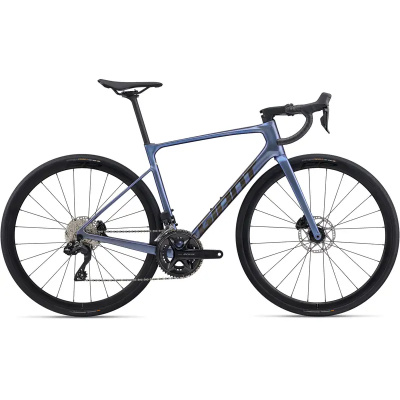
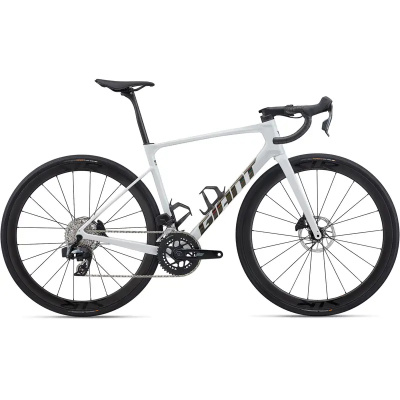
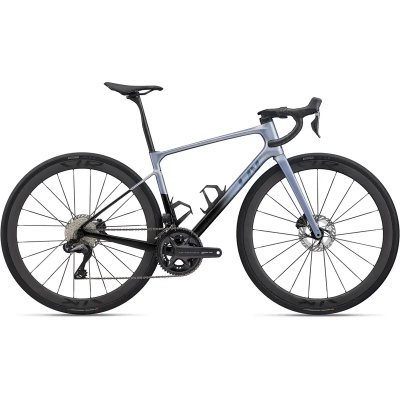
Prices and availability can change quickly. Delivery charges are not always included in listed prices.
Final price, stock status and delivery terms are set by retailer. We may receive a commission on purchases made.
Decoding the Giant Road Bike Lineup
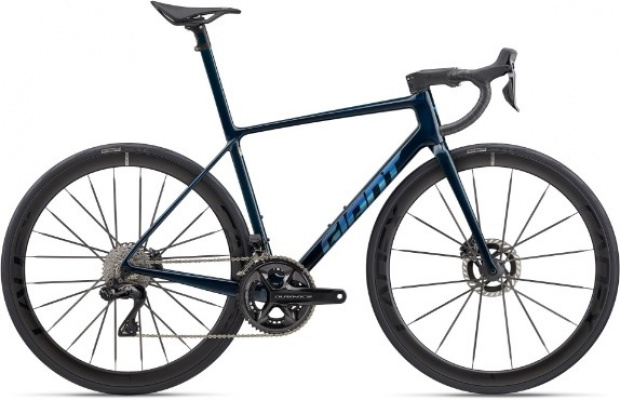
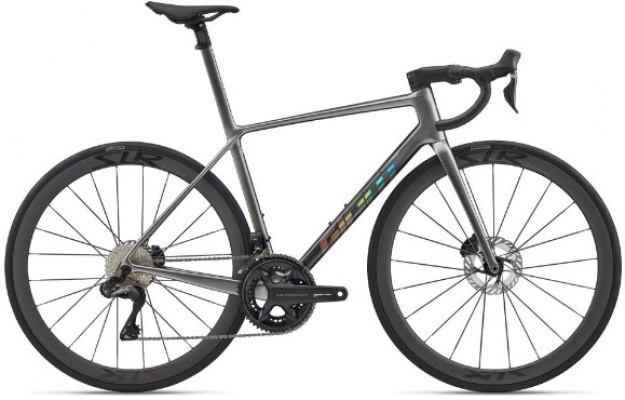
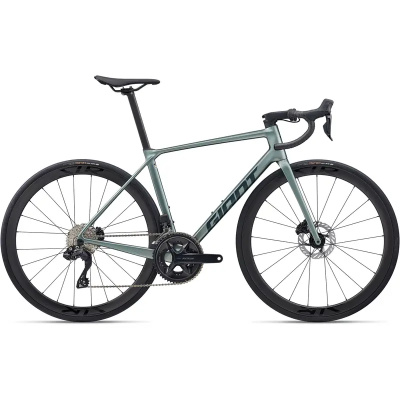
Start with the TCR. It's Giant's pure race platform - an aggressive fit, a short head tube, and a frame that prioritises stiffness for power transfer when you're out of the saddle on a steep climb or sprinting for a sign. The geometry demands something from you, but it gives back in handling precision and efficiency. WorldTour teams have raced it, which tells you where the design intent sits.
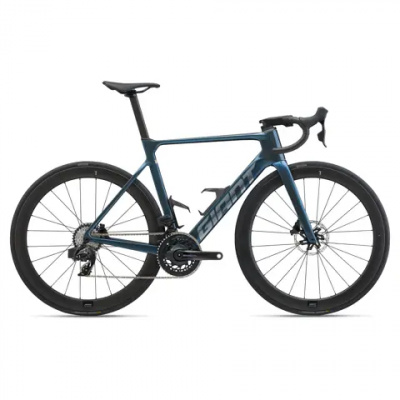
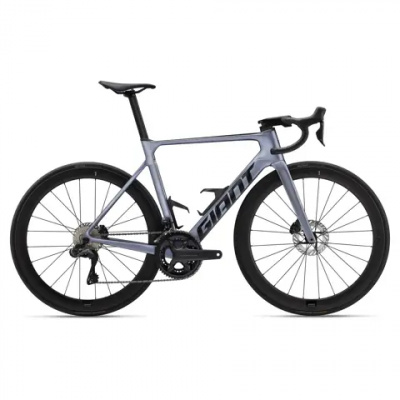
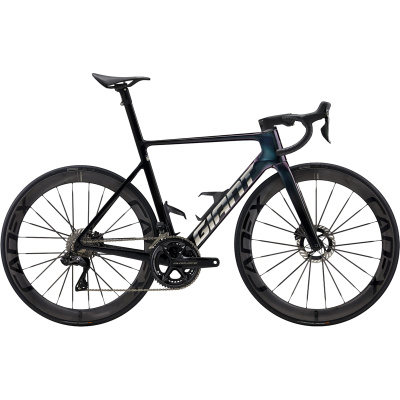
The Giant Propel aero road bike is the speed-first option. AeroSystem Shaping Technology runs through every tube profile - wind-tunnel optimised rather than just visually tapered - so the savings are real, not cosmetic. If your rides involve long flat stretches, fast chaingang loops, or criteriums where position and drag genuinely matter, the Propel is worth serious consideration over something like a Canyon road bike at the same price point.
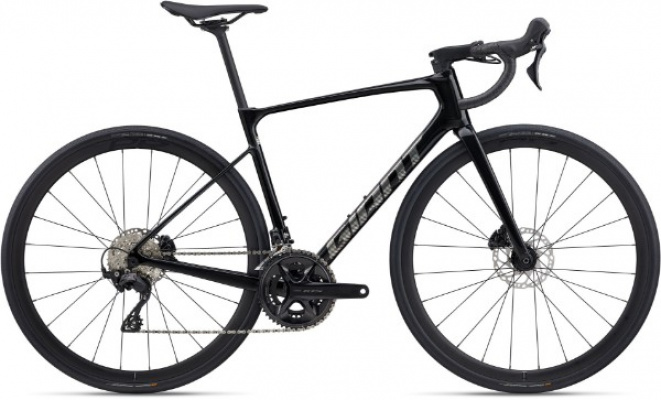
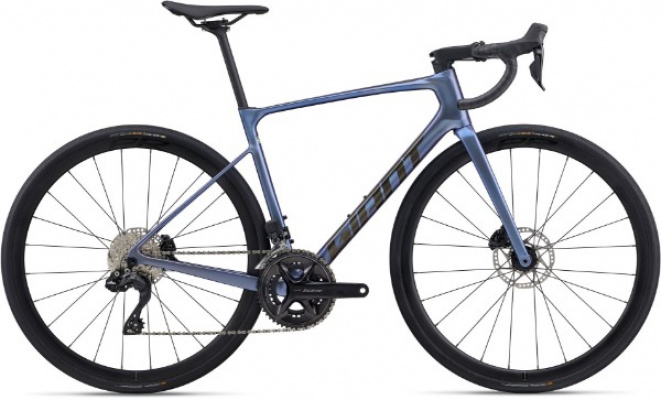
The Defy is built around a different brief entirely. Endurance geometry means a taller front end, a longer wheelbase, and clearance for wider tyres - up to 32c on many builds. It's the one to pick if your local rides involve patchy B-roads, long sportives, or simply hours in the saddle where comfort compounds. The D-Fuse system (more on that below) does real work here.
The Contend sits at the accessible end - alloy frame, reliable groupsets, no carbon tax. It's a solid platform for newer riders or anyone who wants a robust second bike without overthinking it. Don't dismiss it; Giant's alloy work is tidy, and the geometry carries over from the carbon Defy so the fit logic is consistent.
On trim levels: Advanced gets you a full carbon frame with alloy components on the contact points. Advanced Pro steps up the carbon quality and typically brings better wheels - often Cadex options on higher builds. Advanced SL is the top-shelf layup, with an integrated seatpost on some models and the kind of weight figures that make other brands uncomfortable. Each step up genuinely changes the ride character, not just the spec sheet.
Racing against the clock or looking to mix in some gravel? We cover both separately - see our dedicated Giant road bikes comparison pages for gravel and time trial builds where those categories get the detail they deserve.
The Tech That Makes Giant Bikes Feel Different
The Compact Road Geometry story starts in the 1990s when Giant popularised the sloping top tube at a time when most road frames still ran level. A shorter effective seat tube means less material between the bottom bracket shell and the top tube junction - so the frame is lighter and the triangle is stiffer for a given weight. It also drops the standover height, which makes sizing more forgiving. Most brands have adopted some version of this now, but Giant were early enough that it's woven into their entire design language rather than bolted on.
The D-Fuse system is subtler but worth understanding properly. Rather than a round seatpost cross-section, D-Fuse uses a D-shaped profile - flat face forward - which allows the post to flex vertically while resisting twisting loads. Pair that with a D-Fuse handlebar on the Defy and you have engineered compliance at both ends of the contact points. It's not suspension; it's more like building a controlled amount of give into the structure. On a four-hour ride over chip-seal and patched tarmac, that difference is felt in your hands and lower back rather than seen on a data screen. Worth noting: if you're considering Cervelo road bikes or BMC road bikes at comparable prices, neither offers an equivalent integrated compliance system at the same price tier.
The OverDrive and OverDrive 2 steerer systems address front-end stiffness from the other direction. An oversized steerer tube - 1 1/8-inch on OverDrive, 1 1/4-inch on OverDrive 2 - reduces flex between fork and frame at the point where you're putting in cornering input. The result is steering that feels direct and planted rather than vague, particularly noticeable on fast descents or sharp crits corners. There's a practical note here too, which we'll come back to in the next section.
The carbon layup tiers - Advanced, Advanced Pro, Advanced SL - aren't just marketing grades. Each represents a different fibre specification and layup schedule, with Advanced SL using the highest-modulus material and the most labour-intensive construction. Because Giant controls the whole process, those differences are consistent across production batches in a way that's harder to guarantee when you're buying composite from a third-party supplier.
Owning a Giant on British Roads
The Giant TCR vs Defy question comes up constantly, and the honest answer usually comes down to what your roads are actually like. If you're riding the Surrey Hills or North Yorkshire Moors on decent tarmac and you care about lap times, the TCR. If your regular loop involves cracked B-roads, farm tracks between junctions, and the kind of surface that makes your fillings rattle, the Defy's 32c clearance and D-Fuse compliance earn their keep.
The factory tubeless ready setup on most mid-to-high-end Giants is a bigger deal in the UK than it might sound. Hedge-clippings, flint, and winter grit make punctures a statistical certainty on standard clinchers. Running tubeless - with sealant already in the tyre - means the majority of those small cuts seal themselves before you've even noticed a pressure drop. Fitting Giant road tyres designed for their own rim profiles keeps the tubeless bead seating reliable and the system consistent.
One thing that catches people out: the OverDrive 2 steerer uses a 1 1/4-inch diameter, not the 1 1/8-inch that's standard across almost every other road bike. That means standard aftermarket stems won't fit. You'll need to source OverDrive 2-compatible stems - Giant's own options are the straightforward route, and they're well made, but it does limit your upgrade options if you're planning to swap cockpit parts later. Check this before buying a replacement stem off the shelf. While you're sorting the cockpit, Giant bar tape is worth a look - it's designed to work with D-Fuse bars specifically.
Disc brakes are standard across the modern range, which matters on wet Welsh climbs or mist-soaked Peaks descents where rim braking becomes unreliable. Rotor sizes vary by model but most come with 160mm front and rear as standard - enough for the vast majority of road use. If you're adding a Giant power meter for training, the crank-based options integrate cleanly with the existing drivetrain specs across the TCR and Defy ranges. Saddle choice matters too on longer rides - the stock saddles are decent, but Giant saddles across their Contact range offer width options worth checking against your sit-bone measurement before you ride 100 miles on whatever came in the box.
For context against the wider market: Cube road bikes offer strong value at the alloy and entry-carbon level, but Giant's in-house carbon production gives them a measurable edge in stiffness and weight at the mid-range price points where most UK buyers shop.
Giant Road Bikes FAQs
Is Giant a good brand for road bikes?
Giant is the world's largest bicycle manufacturer and one of very few brands that weaves its own carbon fibre in-house. That gives them tighter quality control than most, and it translates into frames that deliver genuine performance at each price point rather than just competitive specs on paper. The range covers everything from alloy beginners' bikes to WorldTour-level carbon, so there's a sensible option at most budgets.
What is the difference between Giant TCR and Defy?
The TCR is a race bike: short head tube, aggressive fit, stiff frame tuned for climbing and sprinting efficiency. The Defy is built for longer, rougher rides - endurance geometry puts you in a more upright position, the frame clears tyres up to 32c, and the D-Fuse seatpost and handlebar flex vertically to take the edge off road chatter. Pick the TCR if pace is the priority; pick the Defy if comfort over distance matters more.
Are Giant road bikes tubeless ready?
Most mid-to-high-end Giant road bikes leave the factory tubeless ready, with compatible rims and tyres designed to work together. For UK riding - flint, winter hedge-clippings, patchy tarmac - that's a practical advantage. Running sealant means small punctures typically seal before you stop, and you can run slightly lower pressures for better grip and comfort without the pinch-flat risk.