
Specialized Hybrid Bikes
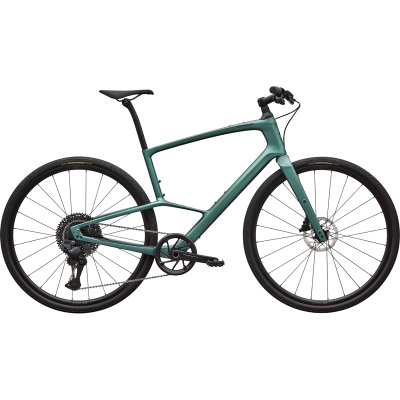
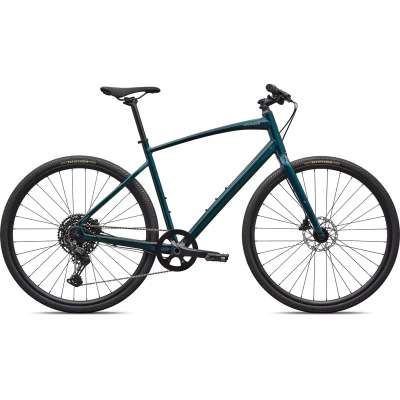
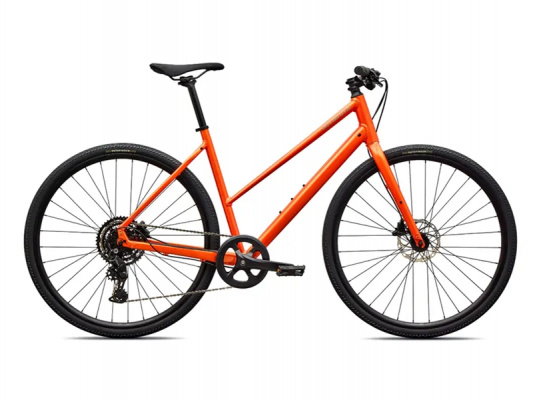
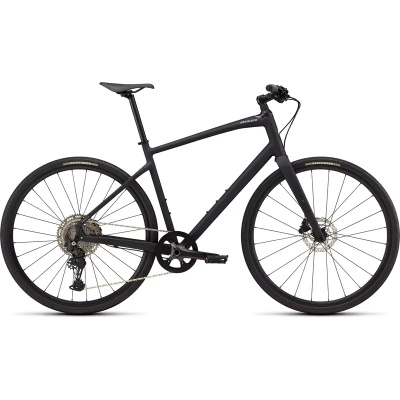
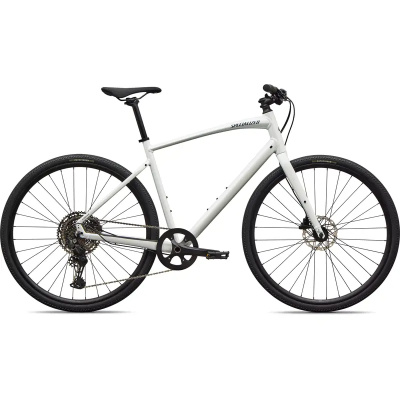
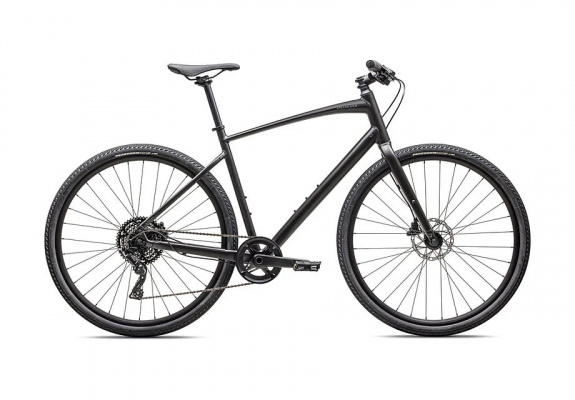
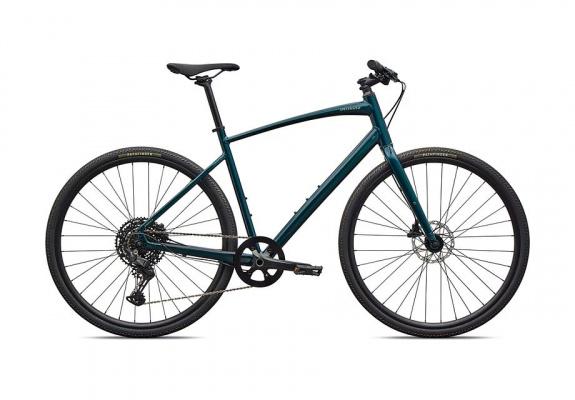
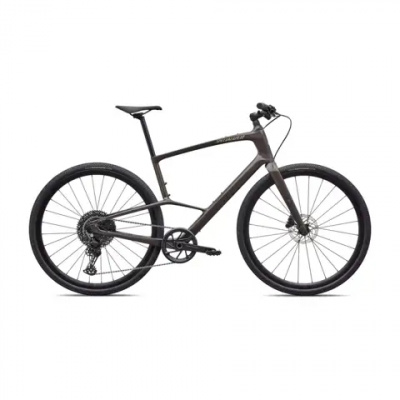
Specialized hybrid bikes sit in a genuinely useful spot: fast enough to make a road cyclist glance twice, robust enough to shrug off the kind of potholes that would rattle the fillings out of a dedicated road bike. The range draws on the same frame engineering and contact-point science that Specialized pour into their race bikes, then packages it in flat-bar geometry that keeps you upright, visible, and in control through morning traffic or a Saturday towpath blast.
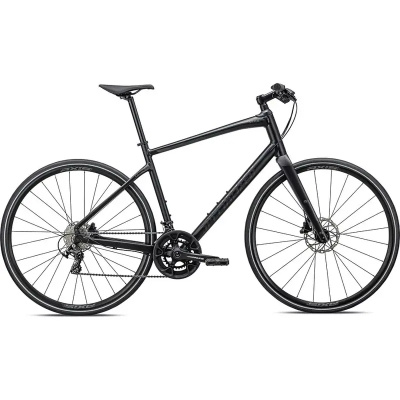
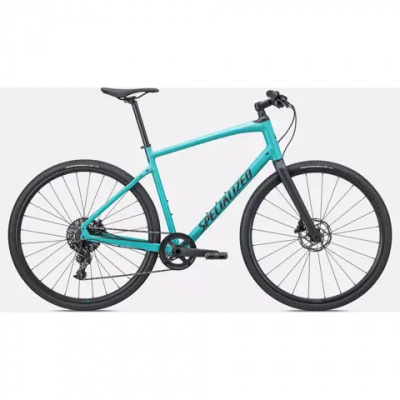
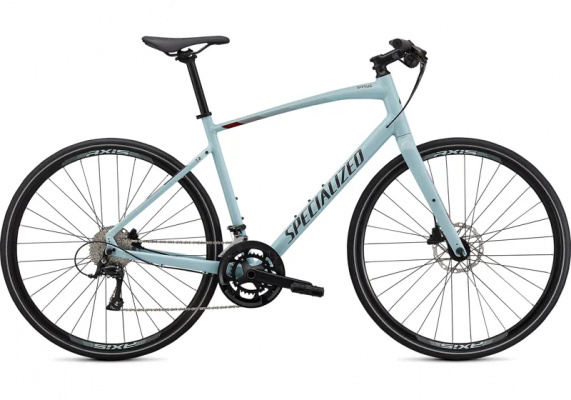
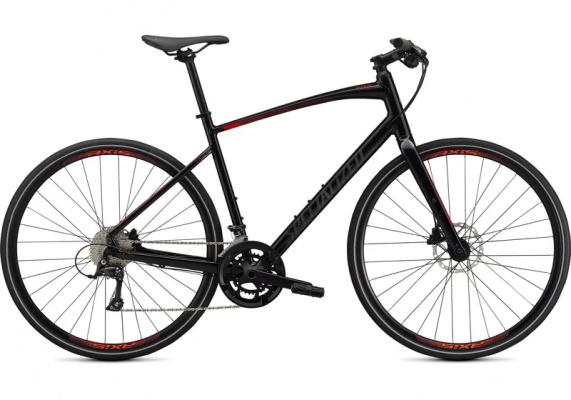
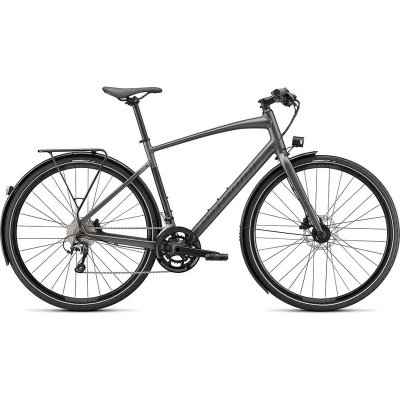
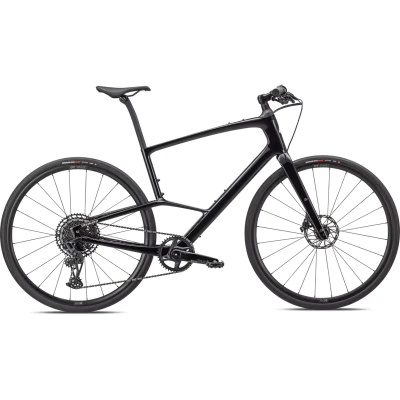
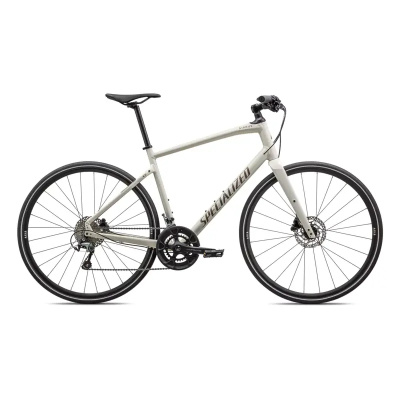
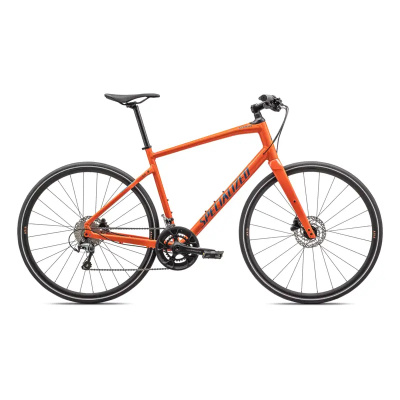
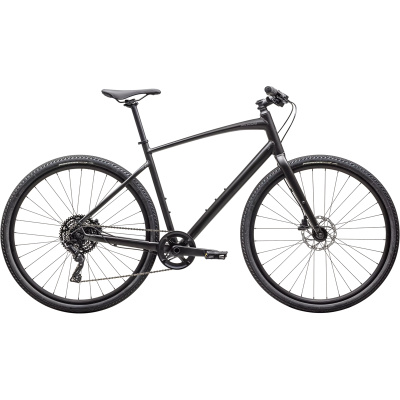
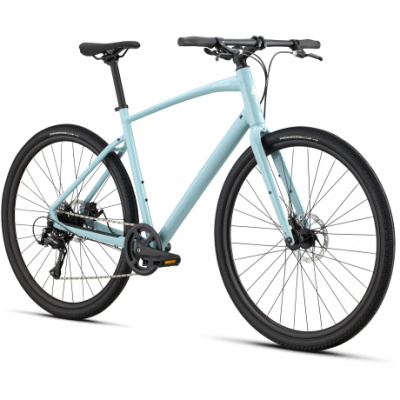
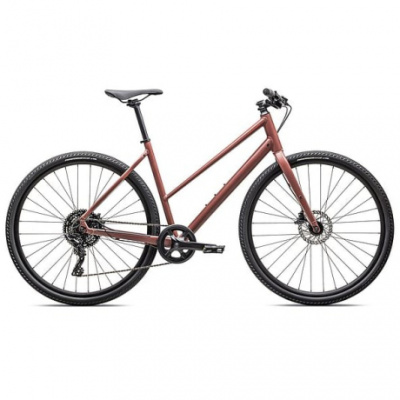
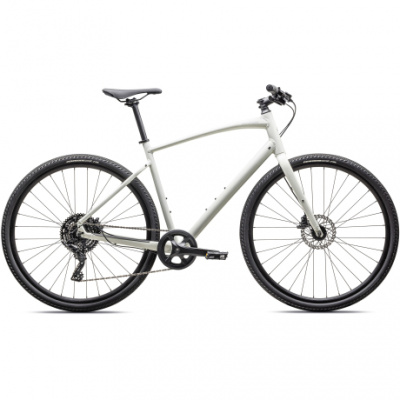
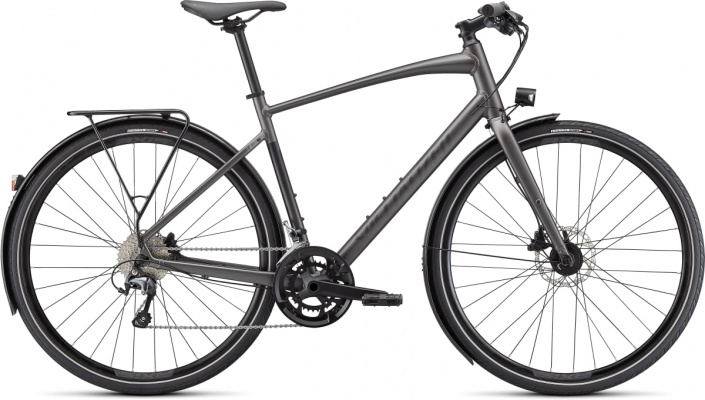
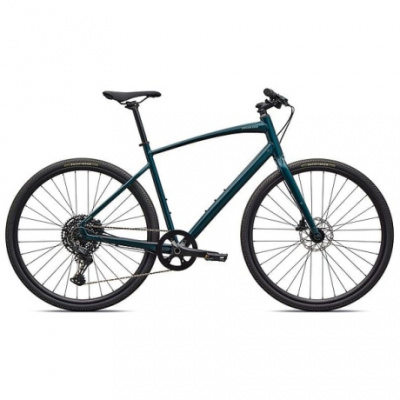
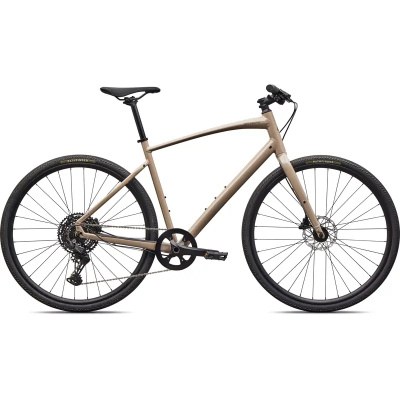
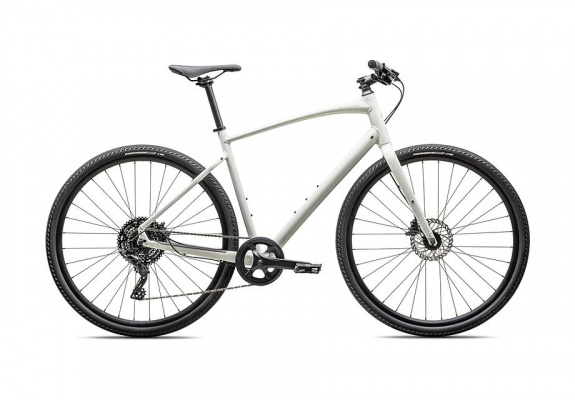
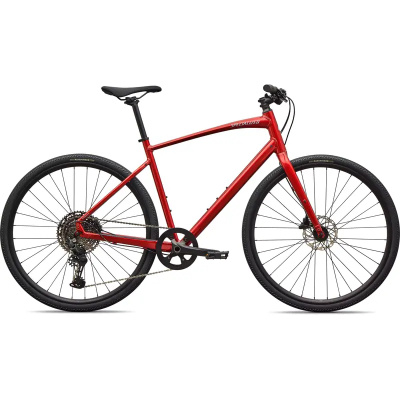
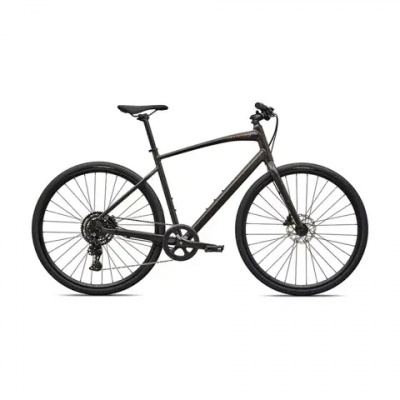
The lineup runs from the nimble, tarmac-biased Sirrus to the more capable Sirrus X crossover, with the relaxed Roll sitting alongside for riders who want a more upright, cruiser-style position. Each family spans several trim levels, so whether you want an entry-level alloy commuter or a carbon-forked fitness machine with micro-suspension, there's a build sitting in the range. Integrated Plug + Play fender mounts mean mudguards aren't an afterthought - they're designed in from the start, which matters when you're commuting through a British October.
Specialized's Turbo Vado and Como are their motor-assisted commuters and sit in a separate category - head over to our dedicated Specialized E-Bikes page if that's the direction you're heading.
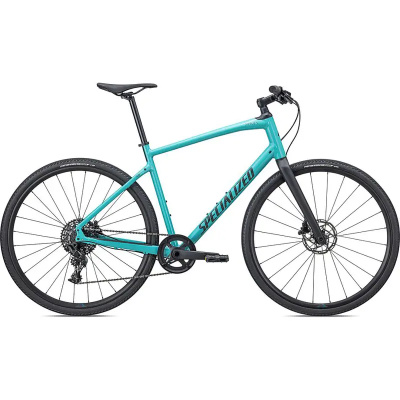
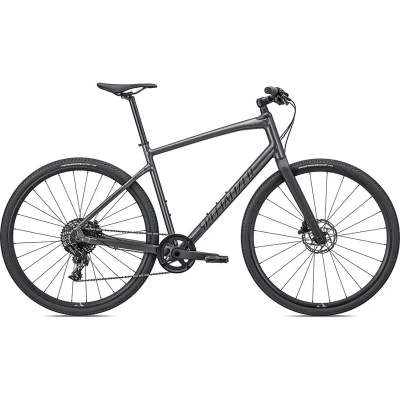
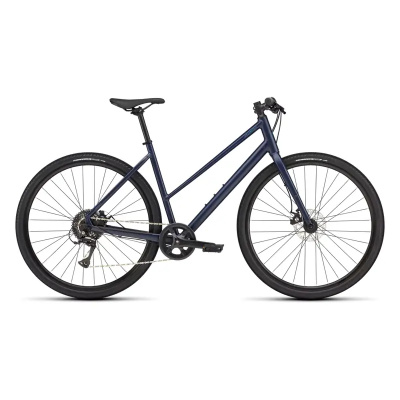
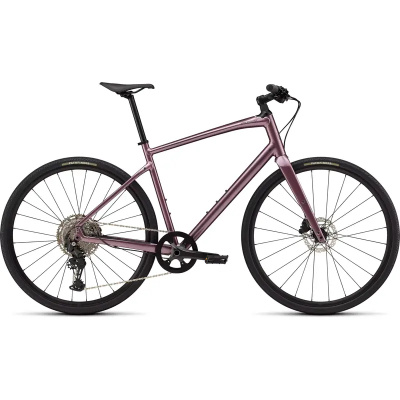
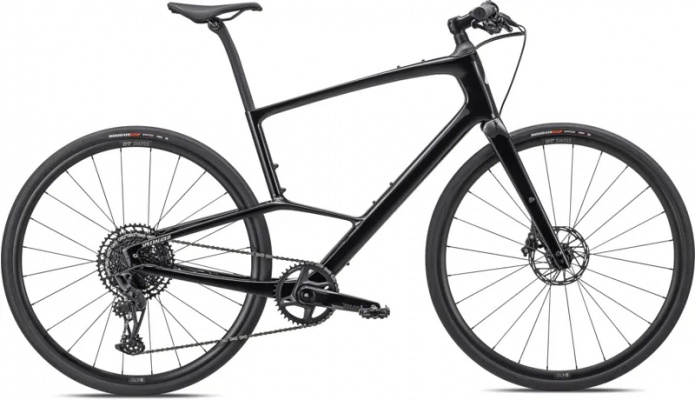
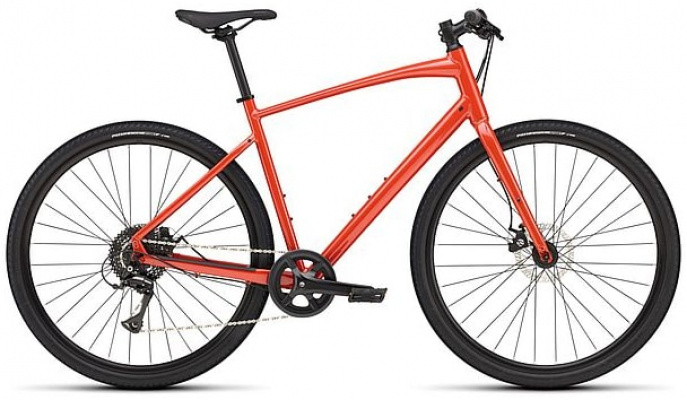
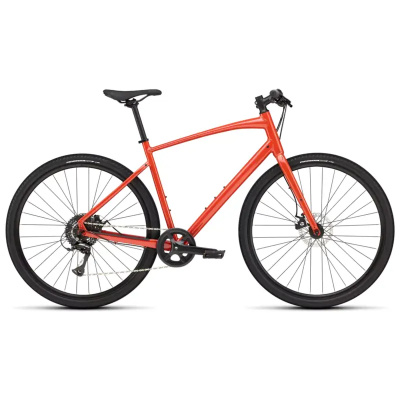
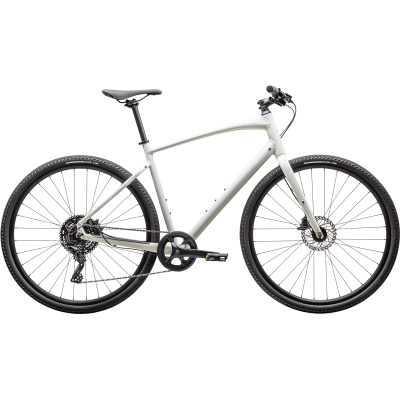
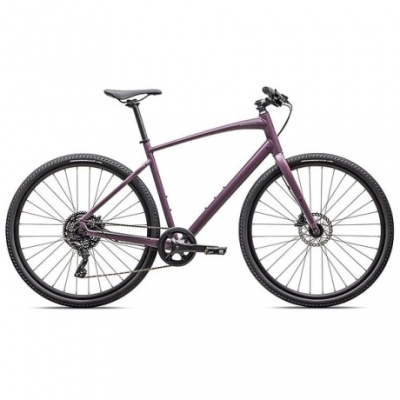
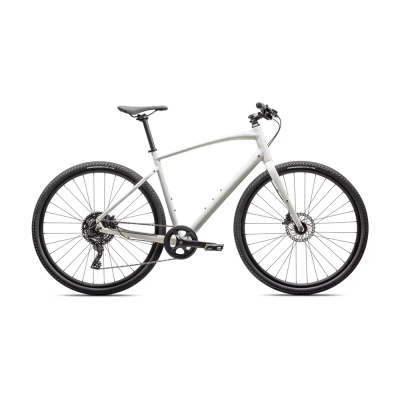
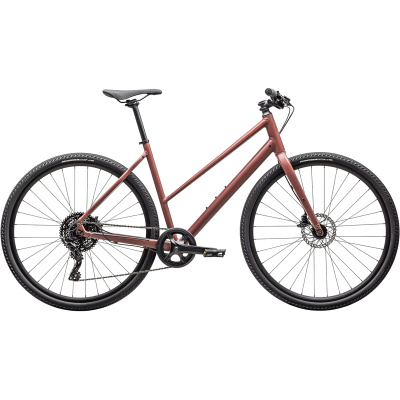
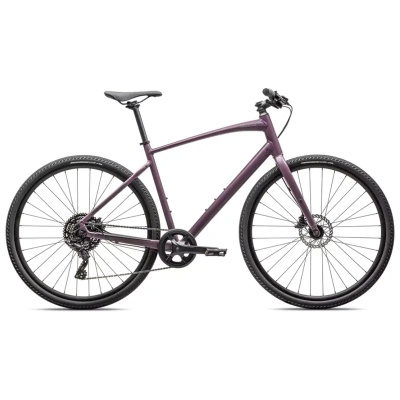
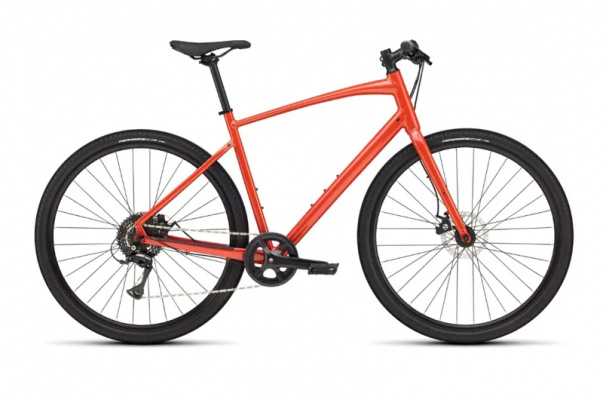
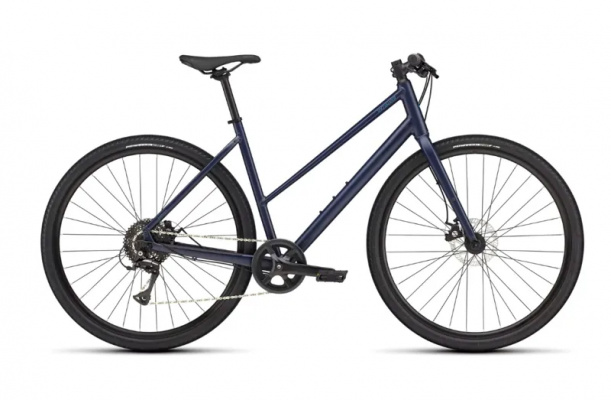
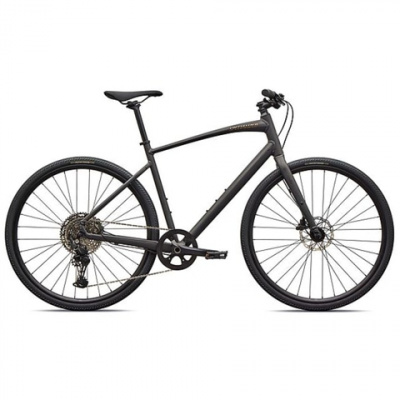
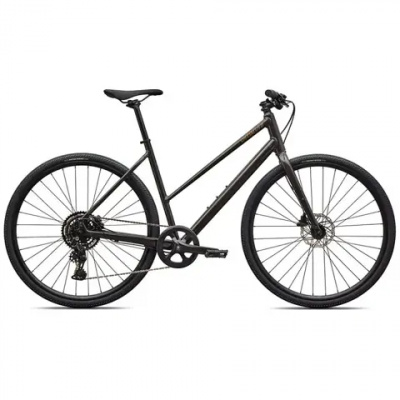
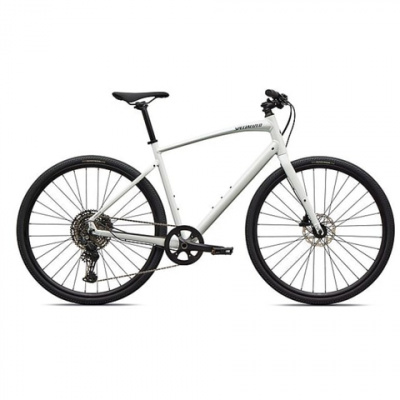
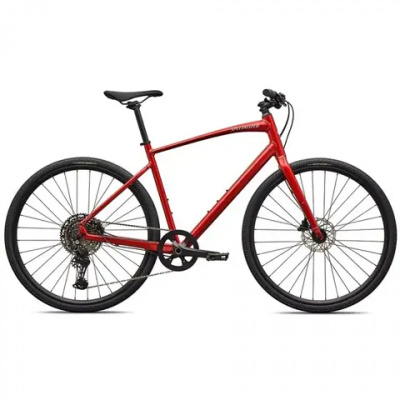
Prices and availability can change quickly. Delivery charges are not always included in listed prices.
Final price, stock status and delivery terms are set by retailer. We may receive a commission on purchases made.
Decoding the Specialized Hybrid Lineup
Start with the standard Sirrus and you're looking at a tarmac-first fitness bike. Narrower 700c tyres, a geometry that leans you forward into a more purposeful position, and drivetrain options that scale from solid entry-level Shimano groupsets to near-road-bike spec at the top end. It's built for riders doing fast commutes and weekend fitness rides on sealed roads - think London cycle lanes, Manchester's canal-side paths that are properly surfaced, or a quick evening blast on the A-road network.
The Sirrus X is a different animal. Wider tyre clearance, a more relaxed front end, and a 1x drivetrain on most builds keep things simple and capable when the surface gets patchy. It handles the kind of mixed-surface riding that defines a lot of British cycling - part tarmac, part gravel path, the odd muddy bridleway. It's not a trail bike, but it doesn't pretend to be. Where the standard Sirrus might feel nervous on a loose forest track, the Sirrus X takes it in its stride.
Then there's the Roll, designed around an upright, heads-up riding position. Step-through frame options make it genuinely accessible. It's a different philosophy - less about pace, more about enjoyment and ease.
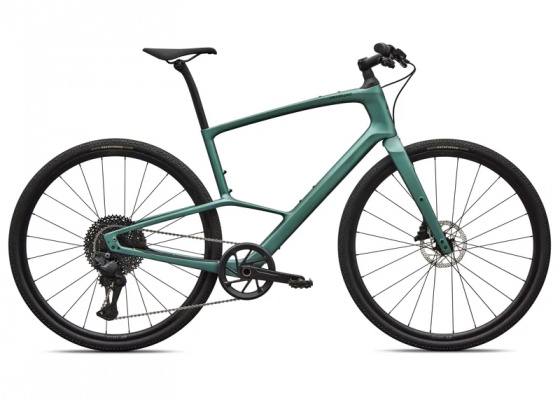
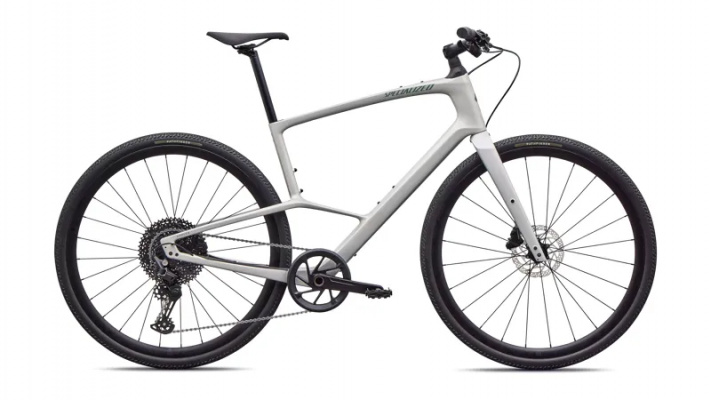
Trim levels follow a logical pattern. Base models use A1 Premium Aluminum - a solid, affordable alloy that keeps weight reasonable without breaking the bank. Move up to Sport, Elite, or Comp builds and you typically gain an upgraded drivetrain, a FACT carbon fork (which takes a meaningful amount of road buzz out of the front end), and lighter overall weight. The top-tier Expert and Pro builds swap to an E5 alloy frame - a higher-grade aluminium that's stiffer and lighter - or move to a full FACT carbon frameset, and bring Future Shock into the picture. The jump between a base model and a top-spec build is significant; it's worth being honest with yourself about how much riding you'll actually do before spending up.
The Specialized Tech Philosophy
Future Shock is the piece of kit people ask about most. It's a micro-suspension unit built into the steerer tube, sitting above the headtube - so the fork itself stays stiff (which is good for steering precision and power transfer), but the bar and your hands are isolated from the sharp, repetitive hits that make a long urban commute genuinely uncomfortable. Think of it less like a suspension fork and more like the difference between a cushioned running shoe and a racing flat - same speed, far less impact fatigue. On broken B-roads or potholed city streets, it makes a noticeable difference over distance.
The distinction between A1 and E5 Premium Aluminum is worth understanding before you buy. A1 is Specialized's entry-level alloy - perfectly competent, used across a huge number of bikes globally. E5 is a purer, higher-grade aluminium that allows for thinner tube walls without sacrificing stiffness. The result is a frame that feels crisper and responds more directly to pedalling input. If you're covering serious mileage, that difference accumulates.
FACT carbon - Functional Advanced Composite Technology, if you want the full name - appears primarily in the fork on mid-range builds. Carbon absorbs high-frequency vibration differently to aluminium, so a FACT carbon fork on a Sirrus Sport, for example, takes a noticeable edge off road buzz through the hands even without Future Shock in play. At the top of the range, full FACT carbon framesets bring weight down significantly and add a liveliness to the ride that's hard to quantify but easy to feel after a few miles.
Body Geometry saddles and grips are easy to overlook on a spec sheet, but they're one of the more practical differentiators in this range. Specialized's Body Geometry saddles are pressure-mapped and designed to reduce soft-tissue numbness on longer rides - relevant whether you're doing a 45-minute commute twice a day or a three-hour weekend ride. The grips follow the same research. It's not marketing padding; it's the kind of contact-point detail that makes a tangible difference once you're past the 30-minute mark.
Living with a Specialized Hybrid in the UK
The Plug + Play mount system is more useful than it might sound on paper. Full-length mudguards on a commuter bike aren't optional in this country - they're just part of the deal. Specialized design these mounting points into the frame from the outset, so fitting a set of Specialized mudguards is straightforward rather than a faff with zip ties and improvised brackets. The same logic applies to pannier racks - properly integrated mounts mean a stable, rattle-free setup rather than a bodge job.
Tyre clearance on the Sirrus X is genuinely generous - up to 42c - which opens up a lot of options. The stock Pathfinder tyres are a sensible all-rounder, but if you spend most of your time on tarmac you'll notice the difference from swapping to a faster-rolling slick or semi-slick. Conversely, if Welsh canal towpaths or disused railway lines are your regular weekend route, the extra volume gives you the grip and comfort to ride them properly rather than tiptoeing through the muddy bits.
One practical note on Future Shock maintenance: the rubber boot that protects the unit collects grit and road salt over a British winter. Keep it clean - a wipe down after muddy or wet rides takes thirty seconds and keeps the internals working smoothly for far longer. It's the kind of thing that's easy to ignore until it isn't.
If you're comparing across brands, Cannondale hybrids offer their own take on micro-suspension with the Headshok-derived systems, while Giant's hybrid range gives strong value at the mid-market level. Cube's hybrid lineup is worth a look too, particularly for riders who want German build quality at a competitive price point. What Specialized bring that's harder to replicate is the depth of their contact-point research and the coherence of the range from entry level upwards.
Rounding out the build, don't overlook lighting and tyres when you're speccing a commuter - both have a bigger effect on day-to-day usability than most component upgrades.
Specialized Hybrid Bikes FAQs
Is the Specialized Sirrus a good commuter bike?
It's a strong choice. The Sirrus uses a lightweight alloy or carbon frame, fast-rolling 700c wheels, and has integrated mounts for mudguards and a pannier rack - so it's genuinely set up for commuting rather than just capable of it. Higher-spec builds add a FACT carbon fork and Future Shock suspension, which make a real difference on rough urban roads over repeated daily use.
What is the difference between Specialized Sirrus and Sirrus X?
The standard Sirrus is built for sealed roads - narrower tyres, a forward-leaning position, and a gearing setup optimised for tarmac pace. The Sirrus X widens the brief considerably: bigger tyre clearance (up to 42c), a 1x drivetrain for simplicity, and a more relaxed front end. It handles mixed surfaces - gravel paths, rougher bridleways, canal towpaths - that would push a standard Sirrus out of its comfort zone.
Are Specialized hybrid bikes good for trails?
Not technical singletrack - that's what mountain bikes are for. But the Sirrus X handles light off-road riding well: fire roads, woodland paths, canal towpaths, and disused railway lines are all well within its capability. The wider Pathfinder tyres and relaxed geometry give you the grip and stability you need on loose or wet surfaces, without any of the sluggishness of a full suspension bike.