
Specialized Pannier Racks
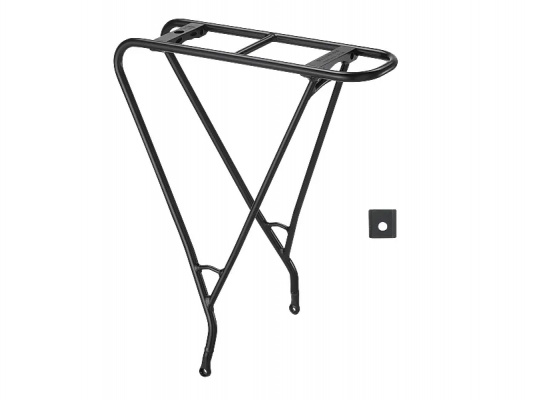
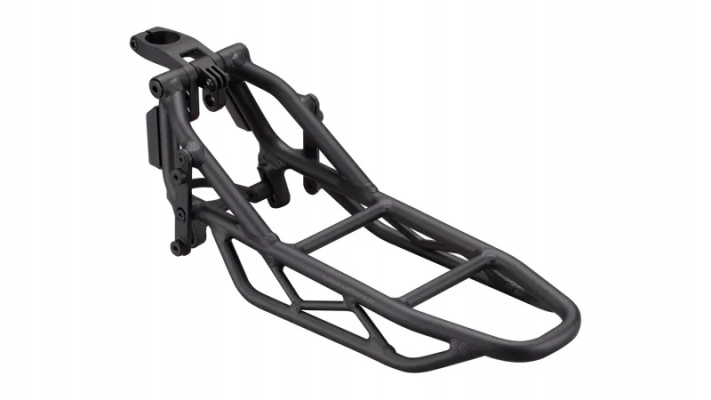
Specialized pannier racks turn a capable commuter or gravel bike into a genuinely useful load-carrier - and they do it without the rattles, flex, or fitment headaches that plague cheaper aftermarket options. Whether you're running a Sirrus, Vado, or Diverge, there's a rack engineered specifically around these frames, using lightweight alloy tubular construction and Specialized's proprietary Plug + Play mounting system for a clean, fuss-free fit.
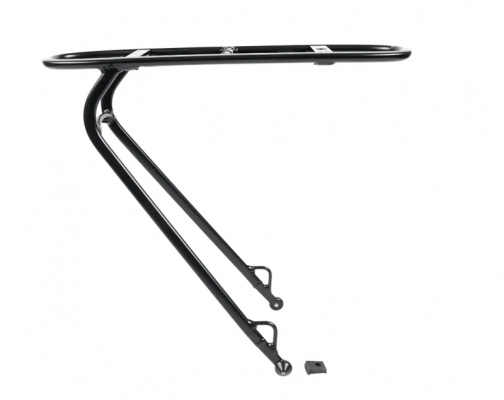
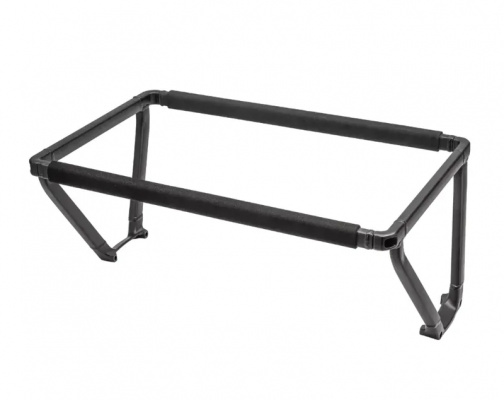
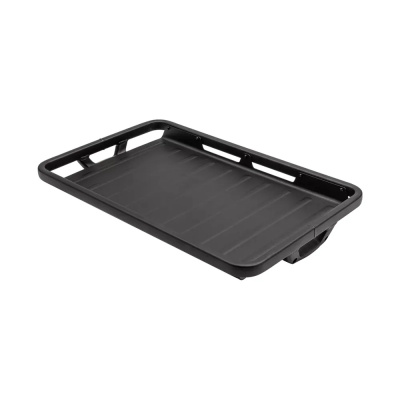
The range covers two distinct jobs. The rear Elite rack handles daily commuting duties with a generous payload capacity and an integrated MIK deck for click-in bag security. Up front, the cult-status Specialized Pizza Rack offers a heavy-duty porteur-style platform with beefy 13mm rails - the kind of setup you'd trust loaded with camping kit on a long weekend out of the Peaks. Both racks are disc brake compatible, so modern frame geometry isn't a barrier.
It's worth knowing that Specialized's Plug + Play system is specific to certain frame models - fitting a universal rack without the right adapter is a common mistake. We'll break down exactly what works where below. Need replacement struts or hardware? Our Specialized pannier bags page covers the luggage side once you've got the rack sorted.
Prices and availability can change quickly. Delivery charges are not always included in listed prices.
Final price, stock status and delivery terms are set by retailer. We may receive a commission on purchases made.
Plug + Play and MIK: What Specialized's Mounting Systems Actually Mean
Specialized's Plug + Play system is built into the frame itself on models like the Sirrus, Vado, and Diverge - hidden mounts integrated into the chainstays and fork crown that keep the aesthetic tidy and eliminate the need for exposed bolt bosses. When you fit a compatible Specialized rack, the hardware locks into these recessed mounts cleanly. No improvised P-clamps, no shim stack. It's a notably neater result than bolting a third-party rack to the same frame.
The catch? If you're buying an aftermarket rack - say, something from Blackburn or Old Man Mountain - onto a Plug + Play frame, you'll need specific adapters to bridge the gap between standard frame eyelets and Specialized's hidden mount positions. Skip that step and you're either forcing the fit or leaving the rack unsupported. Worth sorting before you start loading it up.
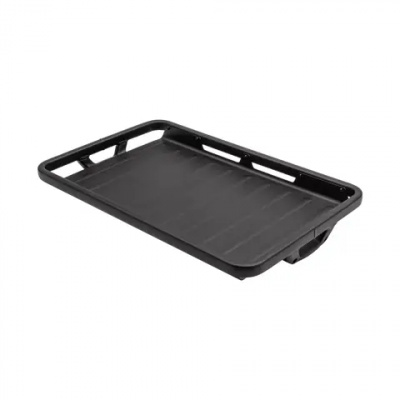
The MIK (Mounting is Key) deck is a separate feature built into the top platform of compatible Specialized rear racks. It's a standardised click-in interface: MIK-specific bags and baskets drop onto the deck and lock with a release key, removing in seconds without straps or fiddling. The system is robust enough that the bag won't shift under load - a real difference on rough roads. The deck is also compatible with MIK bags from other brands, which broadens your luggage options. Check the bag spec for MIK compatibility before buying, though; not every Specialized bag uses it.
Rear Rack vs. Pizza Rack: Picking the Right Tool
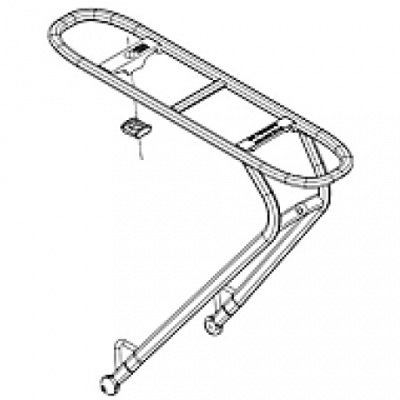
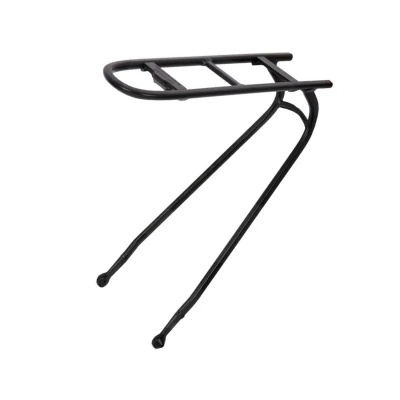
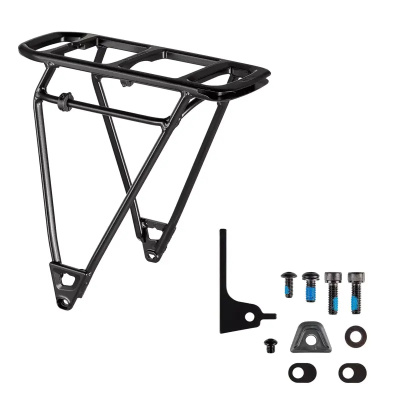
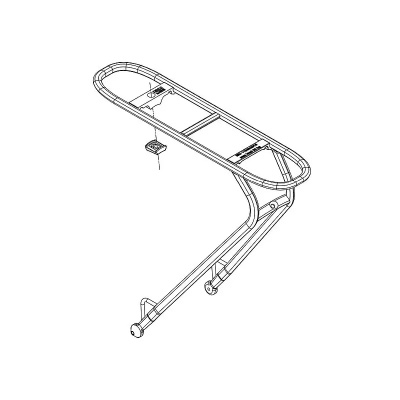
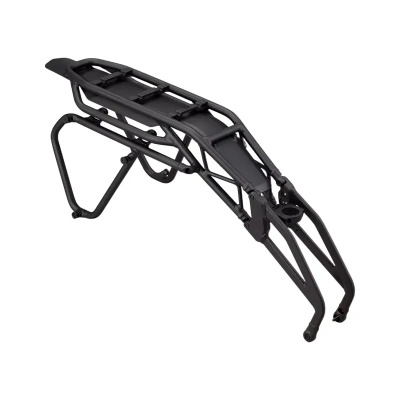
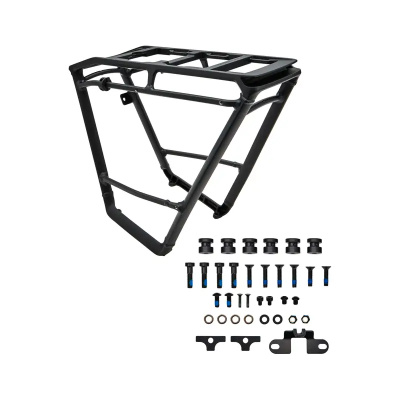
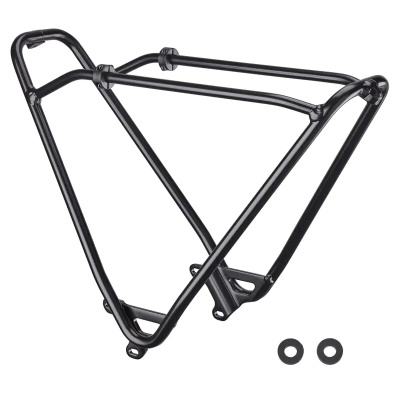
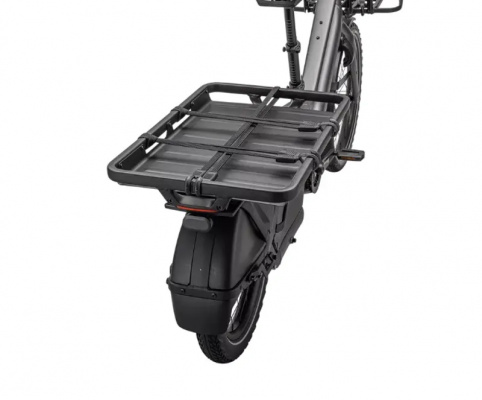
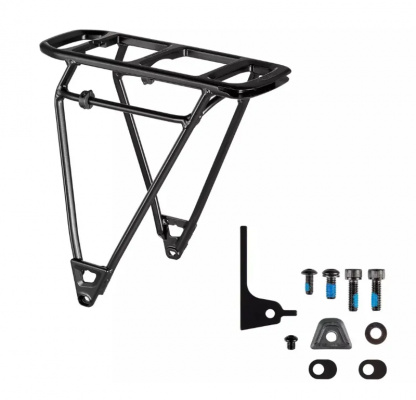
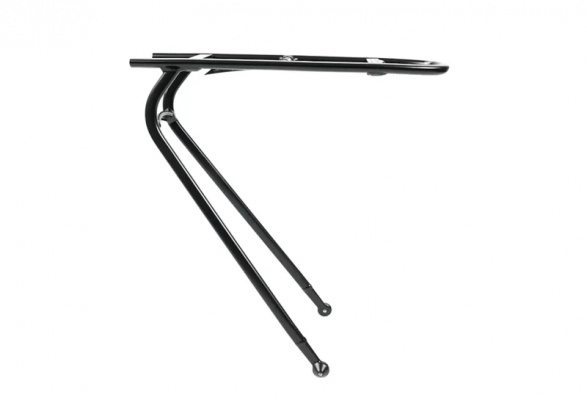
The Specialized Elite Rear Rack is the sensible daily option - alloy tubular construction, a flat top deck with integrated MIK interface, and pannier rails on each side for conventional hook-on bags. Payload capacity sits at 25kg, which is substantial. You're not going to exceed that on a commute unless you're transporting something unreasonable. It mounts via the seatstay and dropout eyelets standard to most Specialized hybrid and commuter frames, and the disc brake compatible geometry means it clears modern rotor positions without drama.
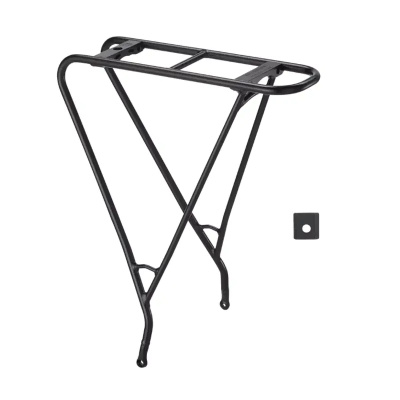
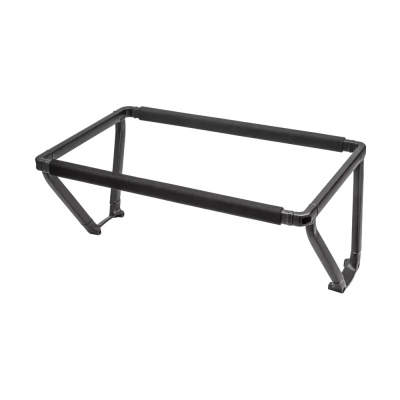
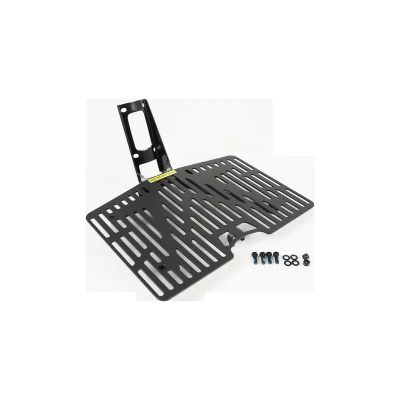
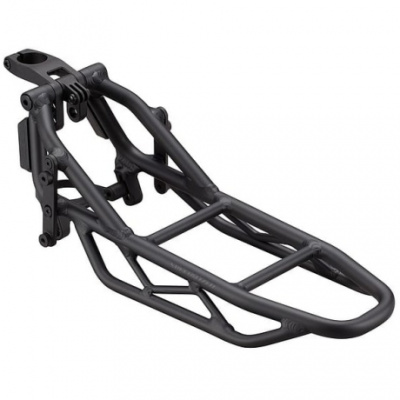
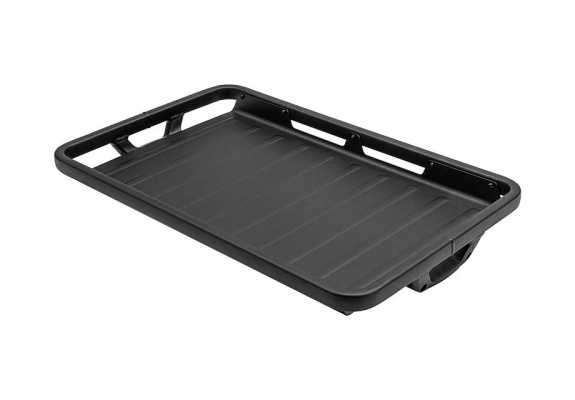
The Specialized Pizza Rack is a different animal. It's a front-mounted porteur rack - wide, flat platform, designed to carry a load low over the fork rather than hanging off the back. The 13mm rails are noticeably chunkier than a standard front rack, giving you a more stable base for strapping down bags, crates, or anything else you'd want up front. Load limit is 15kg, which suits the fork's leverage position. It mounts to the fork crown and axle eyelets, so you need a frame with dedicated front rack mounts - not every Specialized model has them, so check the spec sheet. If your Diverge has front mounts, the Pizza Rack turns it into a capable light tourer. It's genuinely popular among riders doing loaded gravel days out of somewhere like the South Downs or the Trossachs.
In terms of positioning: rear rack if you commute with panniers and want maximum capacity; front Pizza Rack if you're splitting load across both ends for longer trips or want the handling benefit of weight over the front wheel. Plenty of riders run both. If you want a different take on front-loading options, SKS racks are worth a look for comparison.
Fitting and Keeping It Together on UK Roads
UK roads do racks no favours. Potholed tarmac and rough towpaths put constant vibration through the mounting hardware, and winter road salt gets into threads and causes bolt seizure that can genuinely shear a fixing on removal. Use copper slip or anti-seize compound on every mounting bolt before fitting - it takes two minutes and saves a snapped bolt in a chainstay eyelet six months down the line. That's a repair no one wants to deal with.
Torque the rack bolts to the manufacturer spec, typically 4 - 5Nm for alloy fixings. It's not much - you don't need to lean on it - but check them every few weeks if you're riding regularly on rough surfaces. Vibration backs fasteners off gradually, and a rack that's started to move is already putting stress on the eyelets. A quick check before you load up is a habit worth building.
Mudguard clearance is worth thinking through before you order. Running a full-length mudguard alongside a rear rack is the sensible choice for a British winter, but the strut positions can conflict depending on which guard you're using. Specialized's own mudguards are designed around their racks, so if you're buying both, stick within the range and you'll avoid clearance issues. Third-party guards sometimes need the stays trimmed or repositioned. Check before fitting, not after.
Pairing the rack with the right rubber makes a difference too - a loaded bike on worn tyres handles badly. Specialized commuter and hybrid tyres are spec'd with the extra load and puncture resistance a rack-loaded bike needs on daily roads.
Specialized Pannier Racks FAQs
Do Specialized bikes need specific pannier racks?
It depends on the frame. Models like the Sirrus and Vado use Specialized's proprietary Plug + Play system - hidden mounts that require compatible racks or specific adapters for universal options. Other Specialized frames use standard eyelets and will accept most racks without modification. Check your frame's spec before ordering.
What is the weight limit on a Specialized rear rack?
The Specialized Elite Rear Rack is rated to a 25kg payload - enough for a heavily loaded commute or touring bags. The front-mounted Specialized Pizza Rack handles up to 15kg, which reflects the different load dynamics of a fork-mounted platform. Don't exceed either limit; alloy fatigue is cumulative and not always visible.
Are Specialized racks compatible with MIK bags?
Yes. Specialized rear racks with an integrated MIK deck accept any MIK-compatible bag or basket - Specialized's own range and bags from other brands that use the MIK standard. The click-in mechanism locks the bag securely and releases with a key, so swapping between bike and hand carry takes seconds.