
Specialized Base Layers
Specialized Base Layers are the one piece of kit most riders underestimate - and the one that makes every other layer work harder. Get it right and your jersey, gilet, and jacket can all do their jobs properly. Get it wrong and you're clammy on the climb, frozen on the descent, and wondering why you spent good money on a breathable outer shell.
The foundation of Specialized's range is VaporRize™ moisture management - yarns engineered to pull sweat away from your skin fast, so it can evaporate before it soaks into everything above it. That matters whether you're grinding up a long Welsh valley in July or doing steady base miles on a bitter February morning in the Peaks. Dry skin regulates core temperature far more effectively than damp skin, full stop.
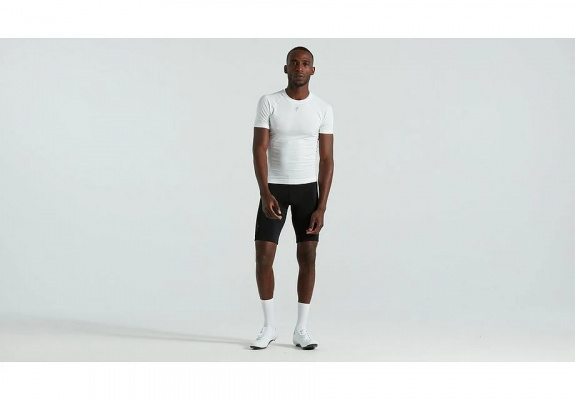
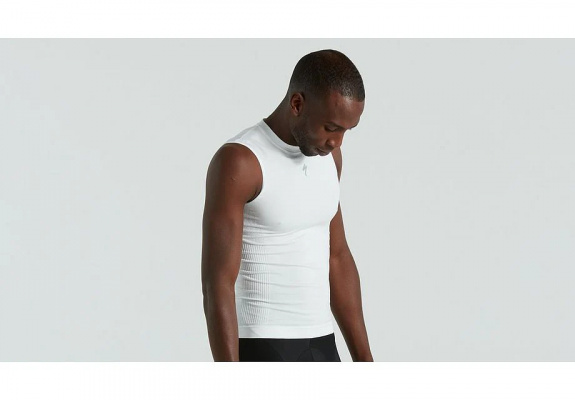
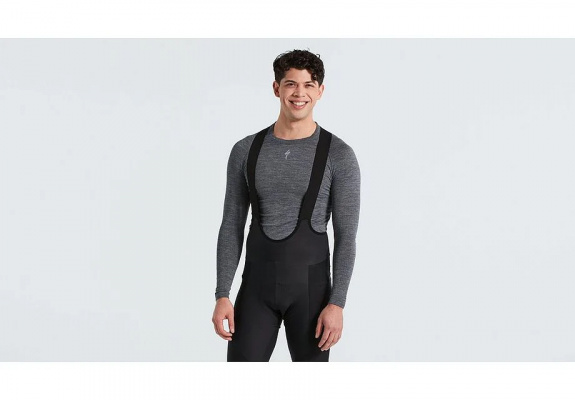
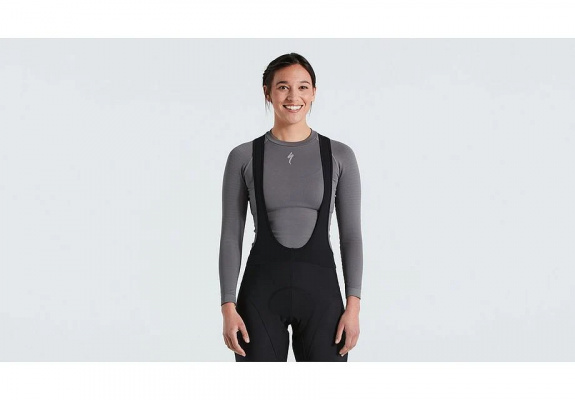
The range covers lightweight summer mesh options for high-output riding, Merino wool blends that handle odour across multi-day trips, and Polartec® Power Grid™ winter weights that trap warm air without the bulk that ruins your aero jacket's drape. Seamless construction runs through much of the line, cutting out the pressure points and chafing seams that long rides have a way of finding. If you're building a layering system for UK riding - where the weather shifts three times before lunch - starting here makes sense.
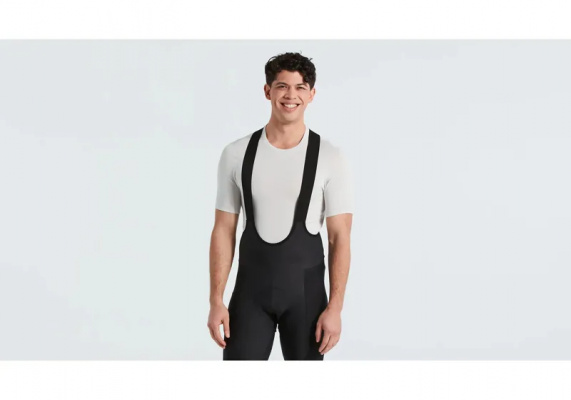
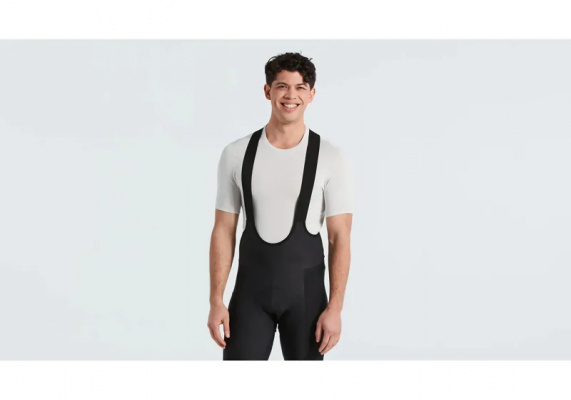
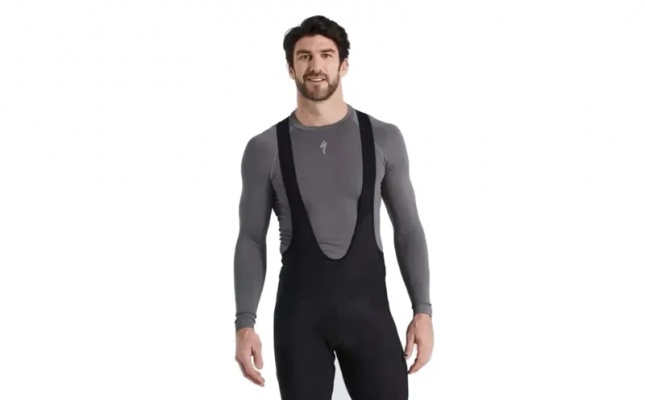
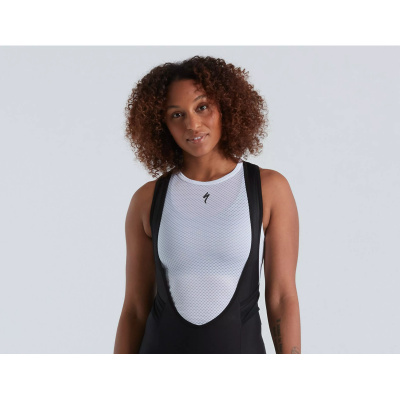
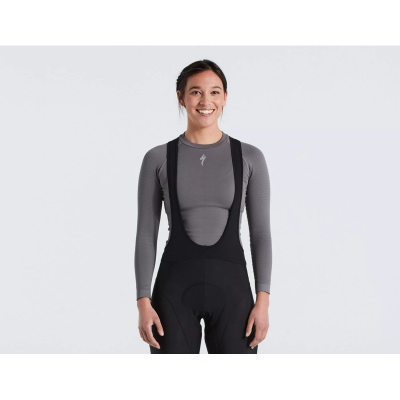
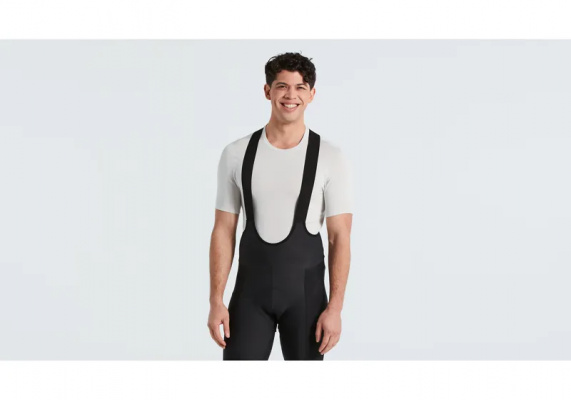
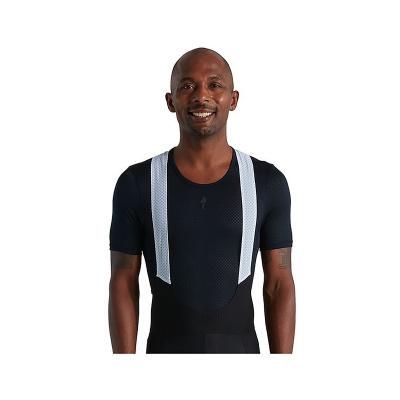
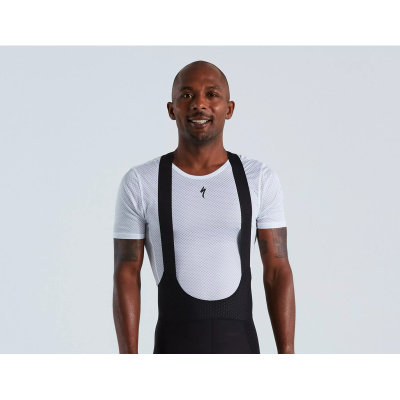
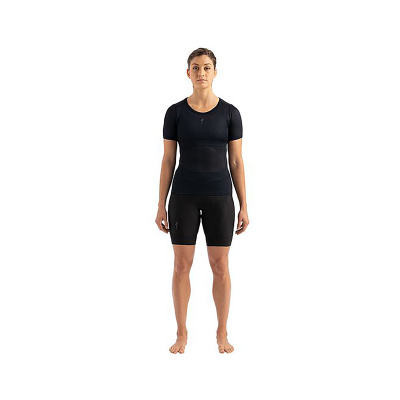
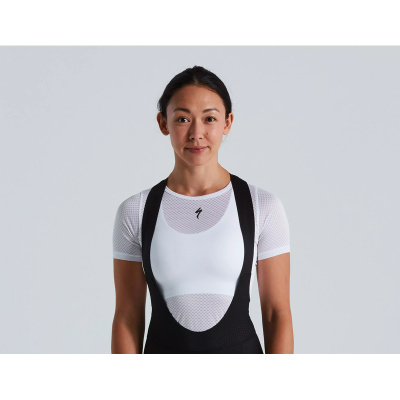
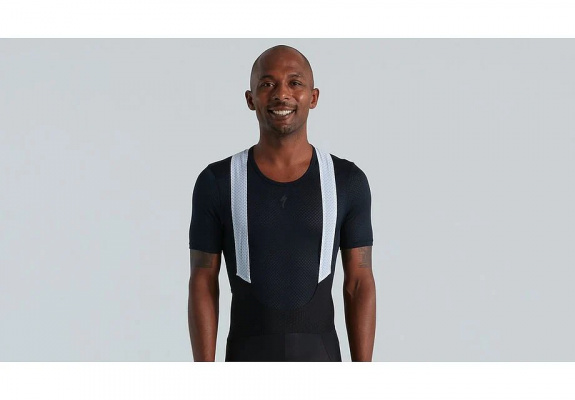
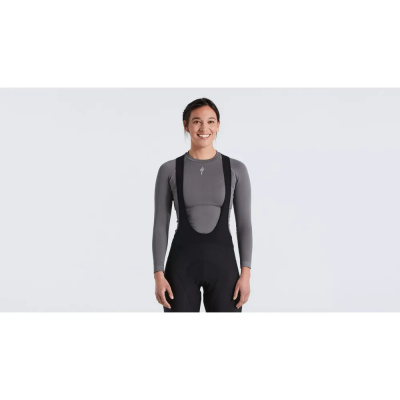
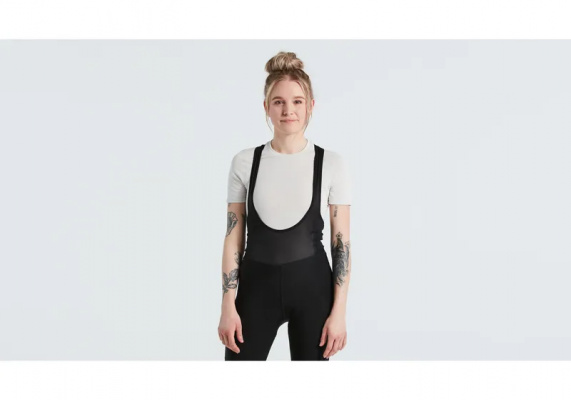
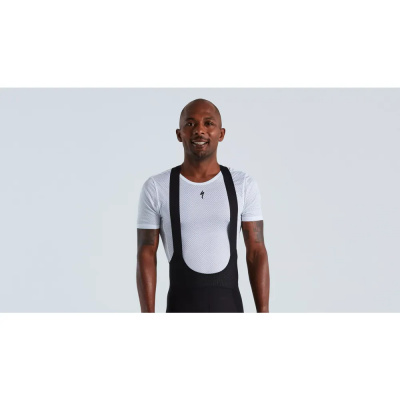
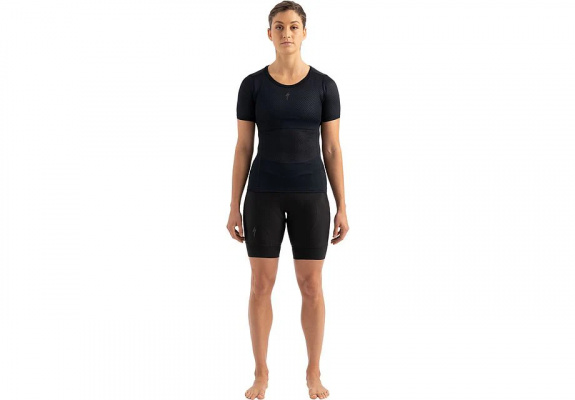
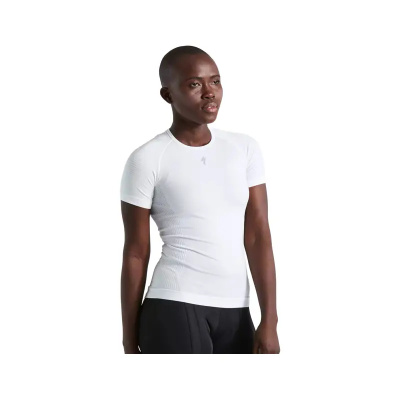
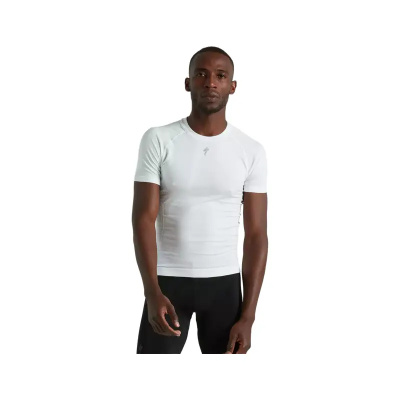
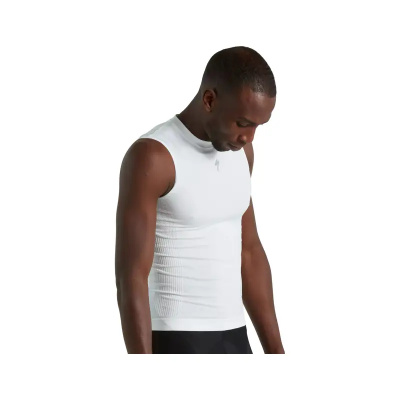
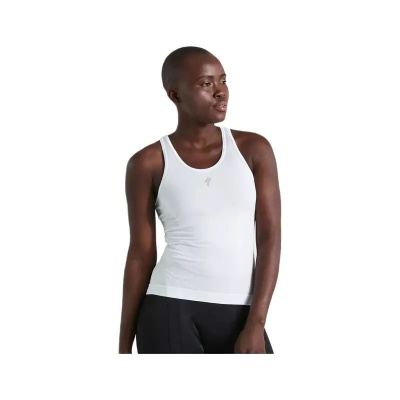
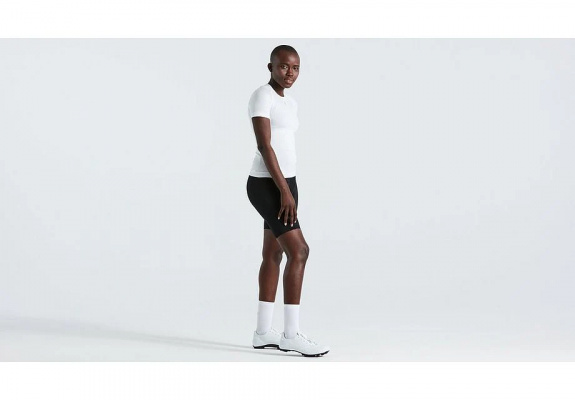
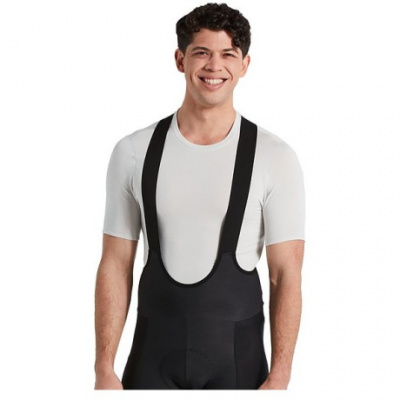
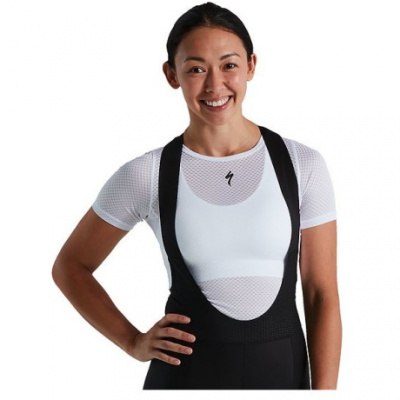
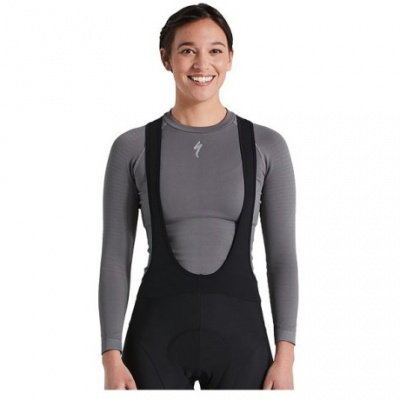
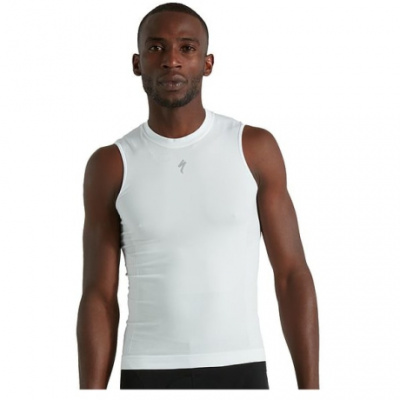
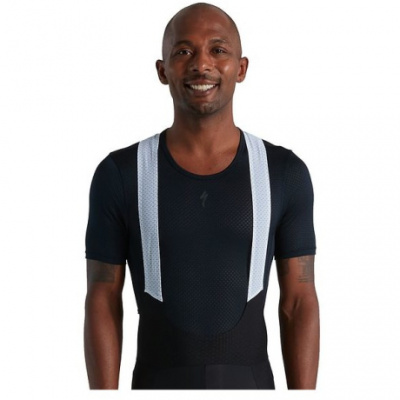
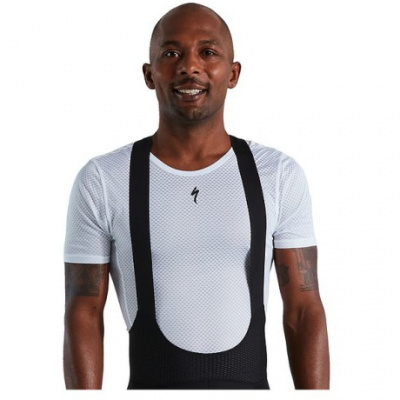
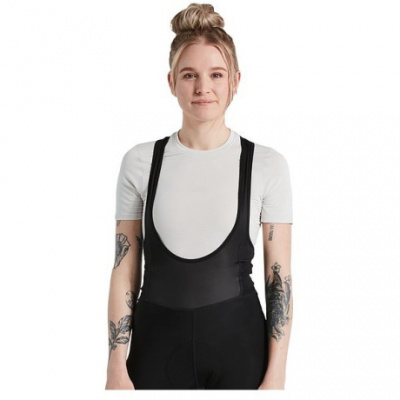
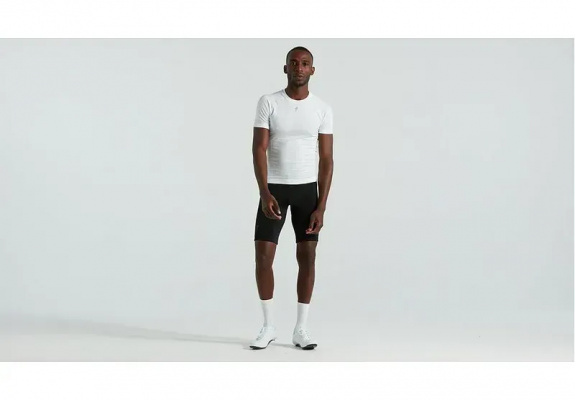
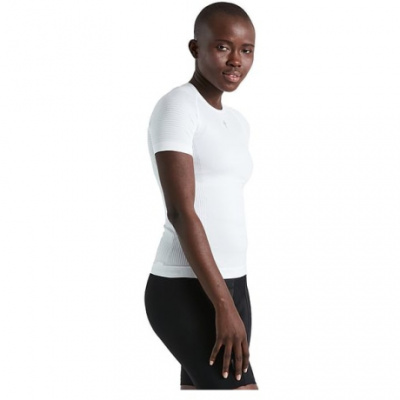
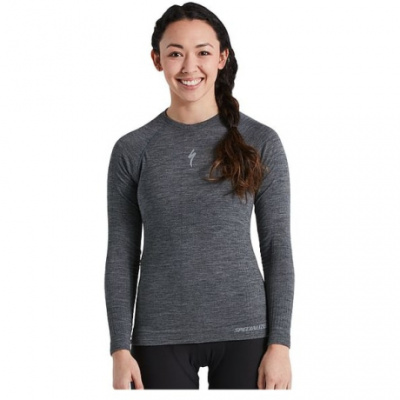
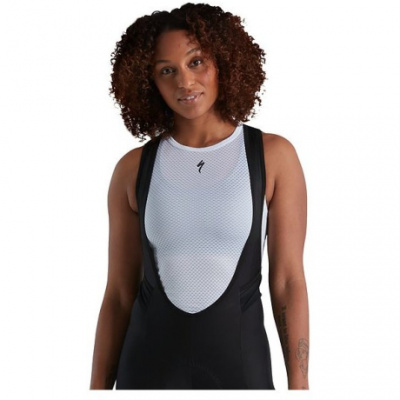
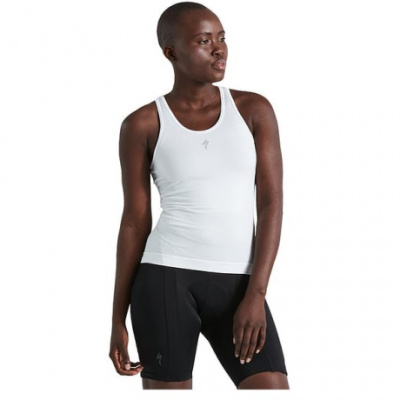
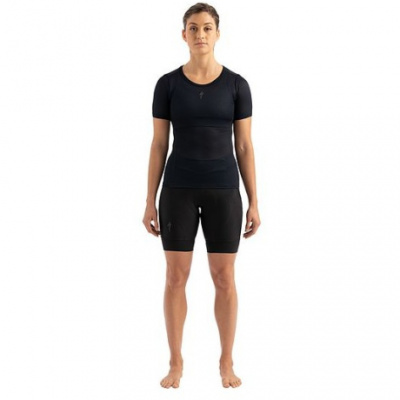
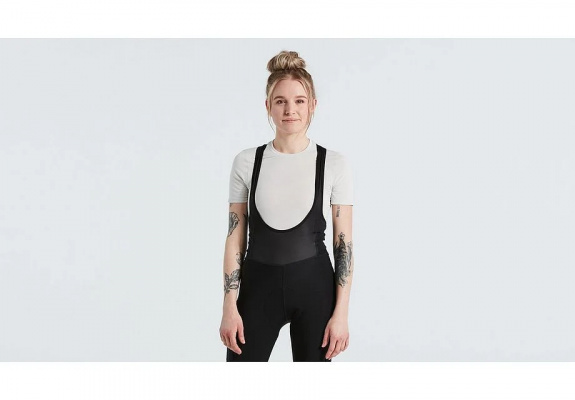
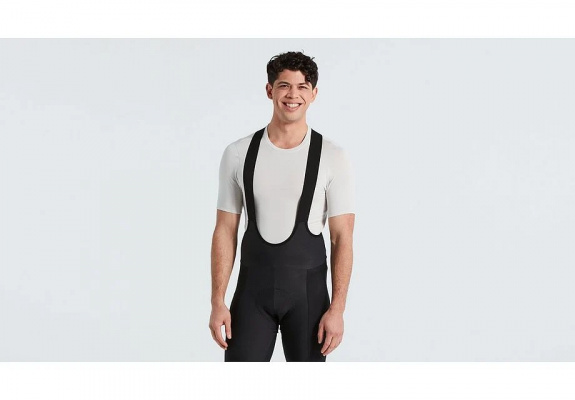
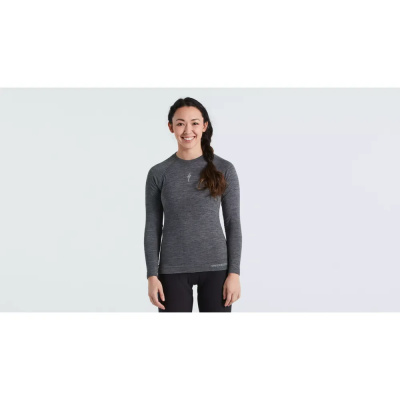
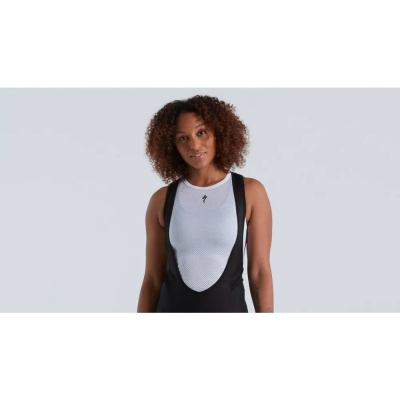
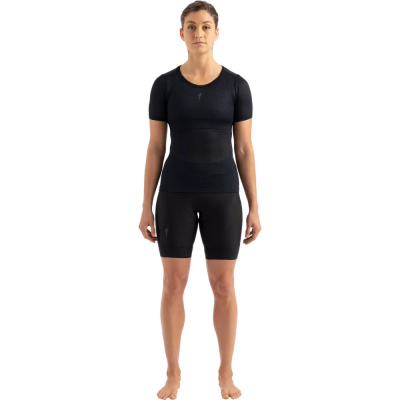
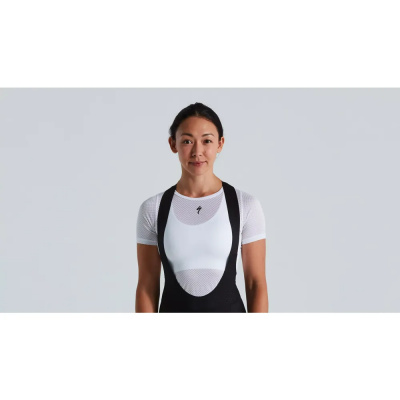
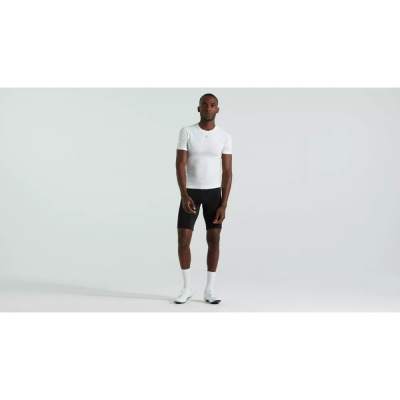
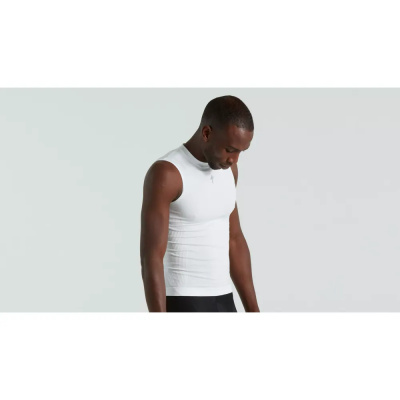
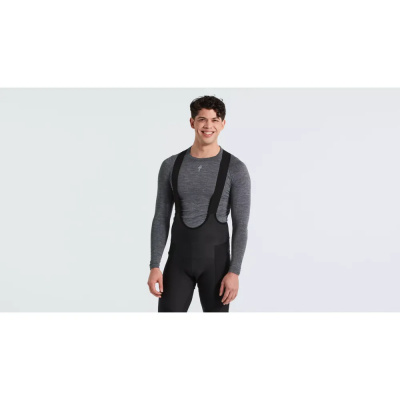
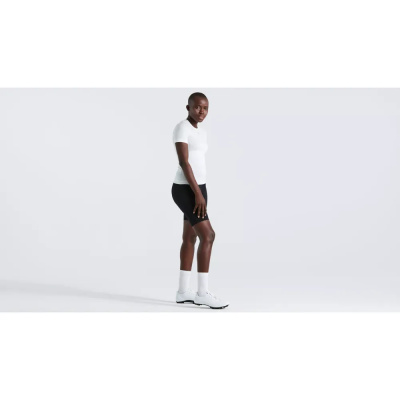
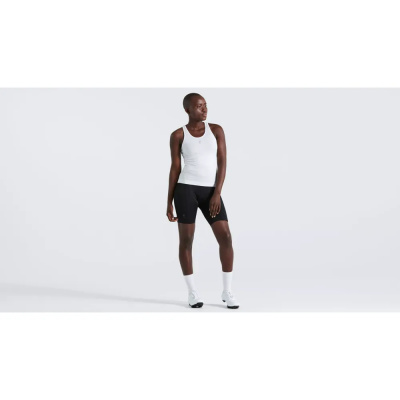
Prices and availability can change quickly. Delivery charges are not always included in listed prices.
Final price, stock status and delivery terms are set by retailer. We may receive a commission on purchases made.
How the Fabric Tech Performs When You're Working Hard
The VaporRize™ yarn system is the thread that runs through Specialized's base layer range - literally. These aren't passive fabrics that simply feel soft next to skin; the yarns are structured to create a capillary action, drawing moisture outward so sweat evaporation can happen at the fabric's surface rather than pooling against your body. On a steep summer climb in humid conditions - think the kind of effort where you're generating real heat but the air isn't moving - that active wicking is what stops you arriving at the top already cold before the descent begins.
For warmer months, Specialized's lightweight mesh constructions keep the fabric weight low and airflow high. The open-knit structure means heat can dissipate freely during hard efforts, and because the layer sits flush against skin, it doesn't bunch or shift under a jersey. When the temperature drops and the wind picks up on a fast descent, a saturated base layer is a liability - these fabrics are designed to prevent that scenario rather than manage it after the fact.
Winter options bring in Polartec® Power Grid™, a grid-pattern fleece construction that's been a staple of serious cold-weather kit for years. The raised grid traps a layer of warm air close to your body while the channels between the grid sections allow moisture to move away. It's a genuinely clever balance: thermal retention without the suffocating weight of older fleece fabrics. Pair it with a windproof shell and you've got a system that handles deep winter base miles without overheating on any climbs you encounter.
Merino wool blends add another dimension, particularly for riders doing multi-day sportives or longer tours where you might wear the same base layer two days running. Merino's natural fibre structure resists odour-causing bacteria in a way synthetic yarns simply don't, and it regulates temperature with a subtlety that works across a wider range of output levels. The trade-off is durability - Merino needs a little more care in the wash than a pure synthetic, and it takes slightly longer to dry. Worth knowing before your next trip to Scotland.
Fit, the Seamless Range, and Getting Your Size Right
A base layer that isn't in direct contact with your skin can't do its job. That's the non-negotiable. Fabric sitting away from your body - even slightly - loses its ability to wick moisture efficiently, because the capillary action depends on contact. So the fit needs to be close, but close doesn't mean restrictive.
Should a Specialized cycling base layer be tight? Yes, but think second-skin rather than compression garment. You want it flush against your torso without pulling across the shoulders or cutting into your underarms when you're in the drops. Breathing and movement shouldn't feel constrained at all - if they do, go up a size.
Are Specialized base layers true to size? Generally, yes. They're designed to align with your standard jersey sizing, so if you're a medium in your Specialized jersey, a medium base layer is usually the right call. If you tend toward the longer side of a size or you're between sizes, bear in mind the seamless options have a noticeably compressive character - some riders prefer to size up for longer endurance rides or more relaxed gravel days where a slightly less locked-in feel is more comfortable over five or six hours.
The seamless construction across much of the range is worth calling out specifically. Traditional cut-and-sew construction leaves seams at the shoulders, sides, and underarms - exactly where a road jersey or bib strap sits. On a three-hour ride that's mostly fine. On a six-hour sportive in August, those pressure points accumulate. Seamless knitting eliminates them by constructing the garment in one continuous piece, which also allows the fabric tension to be mapped to different body zones - closer at the torso, with a little more give through the shoulders and sleeves. If you're comparing against alternatives like Castelli base layers or Assos base layers, the seamless approach is broadly consistent across premium brands - the differentiation lies in yarn choice and the specific weight calibration for different conditions.
Building a Layering System That Works for UK Conditions
The UK doesn't do seasons cleanly. Spring and autumn in particular can give you frost at 7am, a 14-degree climb by 10am, and a headwind dropping it back to six degrees on the way home. A base layer with fast sweat evaporation characteristics is what keeps that sequence manageable rather than miserable.
Do you need a base layer for summer cycling? Shorter rides in dry heat, maybe not. But for anything over 90 minutes, or any ride with sustained climbs followed by long descents, a lightweight sleeveless or short-sleeve base layer pays dividends. It keeps sweat moving away from your core so your jersey breathes rather than acting as a wet sponge, and it prevents the sharp wind-chill that hits a damp torso on a fast descent. A thin summer mesh base layer under a single jersey is a more effective system than no base layer under a heavier jersey.
For autumn and spring, pair a short-sleeve VaporRize-based layer with a mid-weight long-sleeve jersey and a gilet. The base layer handles the moisture; the gilet handles the wind; the jersey bridges the two. When temperatures drop properly - single figures or below - swap in a Polartec® Power Grid™ winter base layer, add a thermal jersey, and use a windproof or softshell outer. This is where the thermal base layer really earns its place: it lets your outer layers focus on wind and water resistance rather than compensating for a cold, damp layer underneath.
On the care side, this is where a lot of riders quietly ruin good base layers. Fabric softener is the enemy of technical wicking fabrics - it coats the fibres and blocks the capillary action that makes them work. Wash at 30 degrees, skip the softener, and hang to dry rather than tumble drying. Merino blends especially benefit from a gentle cycle and air drying. It sounds fussy, but keeping the yarns clean and unclogged is the difference between a base layer that still performs in year three and one that just feels damp for the whole ride by year two. If you're heading out on longer days and want to think about what else you're carrying, pairing a well-chosen base layer with a Specialized hydration pack and a Specialized saddle bag rounds out the practical side of the kit system neatly.
For riders weighing up alternatives, Rapha base layers lean heavily on Merino for their all-season range, while Gore base layers tend to prioritise thermal performance for winter-specific use. Specialized's range spans a broader spread of weights and constructions, which makes it a flexible choice if you're building out a layering wardrobe rather than buying for one specific condition.
Specialized Base Layers FAQs
Should a Specialized cycling base layer be tight?
It should fit like a second skin - flush against your body without restricting breathing or movement. That direct skin contact is what allows the technical fabric to actively wick sweat away. If you're pulling against the shoulders or feeling constrained through the chest, go up a size.
Do I need a base layer for summer cycling?
For shorter rides in dry conditions, you can get away without one. But on any ride with sustained climbs or long descents, a lightweight summer mesh base layer keeps sweat moving away from your core so it can evaporate properly - rather than leaving you cold and damp the moment you stop generating heat.
Are Specialized base layers true to size?
Generally yes - they're calibrated to match standard Specialized jersey sizing. The seamless options run compressively, so if you're between sizes or prefer a more relaxed fit for longer endurance or gravel riding, sizing up is a reasonable call.