
Spatzwear Base Layers
Spatzwear base layers were built in Yorkshire, where the weather doesn't do compromise, and that mentality runs through every stitch. Founded by former pro Tom Barras, Spatzwear set out to solve a specific problem: how do you stay warm and dry when the January wind is cutting across the moors and your mid-layer is already soaked through? The answer is a range of base layers engineered around seamless 3D knit construction, thermal mapping, and a fit so close it borders on a second skin.
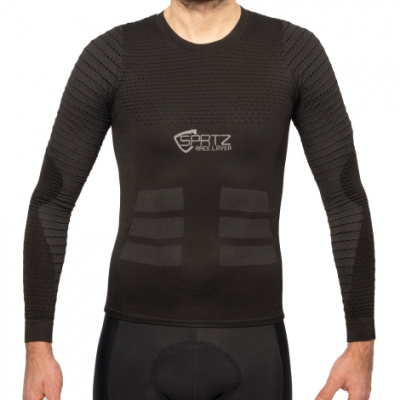
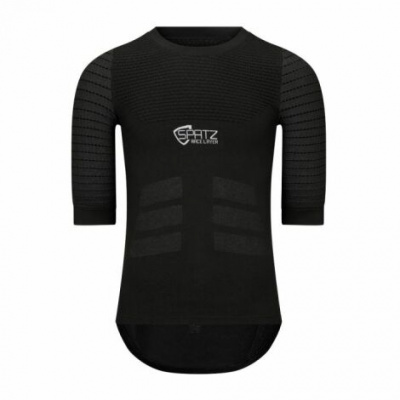
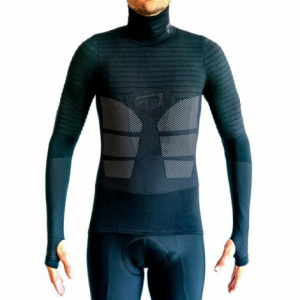
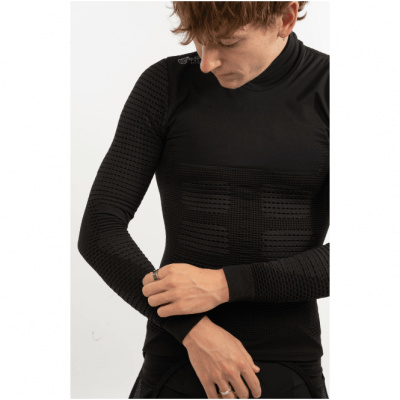
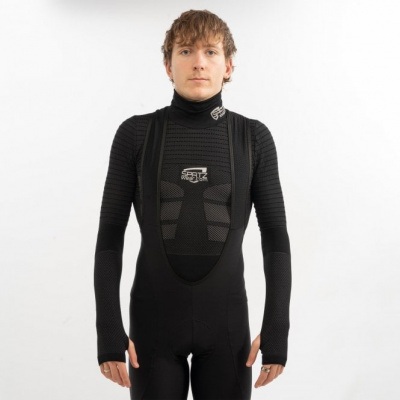
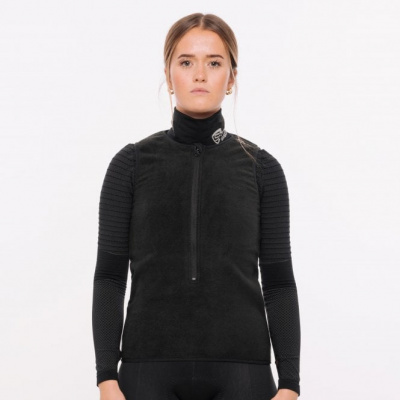
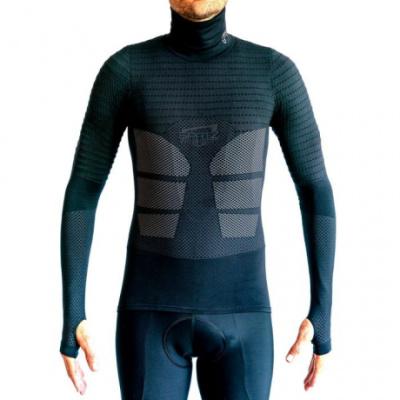
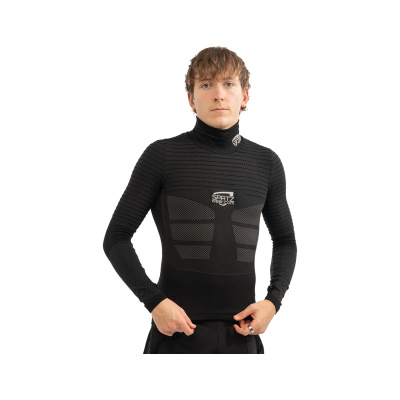
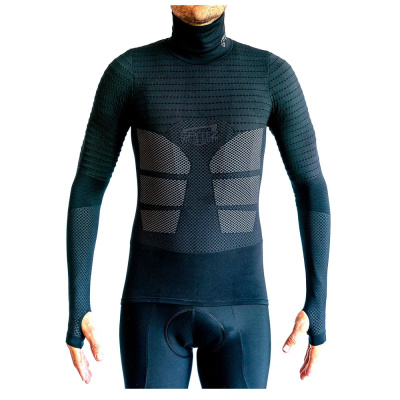
The Basez series is the headline act - deep winter armour with a high collar that seals out drafts at the neck, thumb loops that close the gap between sleeve and glove, and an extended rear drop that keeps your lower back covered when you're stretched out on the bike. Nothing flaps, nothing rides up, nothing lets cold air in. The Spatzwear Race Layer covers the other end of the spectrum: high-intensity efforts and transitional conditions where moisture management matters as much as warmth.
If you're the sort of rider who's still out on a Tuesday night in November when everyone else has bailed, these are worth a serious look.
Prices and availability can change quickly. Delivery charges are not always included in listed prices.
Final price, stock status and delivery terms are set by retailer. We may receive a commission on purchases made.
Fabric Tech That Earns Its Keep in February
The core of what makes Spatzwear base layers work is their seamless 3D knit construction. There are no flatlock seams pressing into your skin under a tight jersey, and the knit structure itself is shaped to your body rather than cut and sewn from flat panels. That matters because it removes pressure points and lets the fabric sit flush against the skin - which is exactly what you need for effective moisture management.
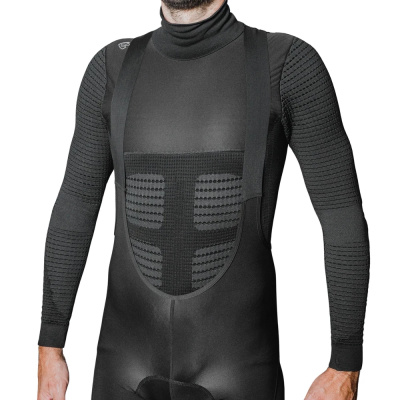
What Spatzwear calls thermal mapping takes this further. The fabric thickness isn't uniform across the garment. Denser, more insulating zones sit over the chest and across the kidneys - the areas most exposed to windchill and most critical for keeping your core temperature stable. Lighter, more breathable panels run under the arms and across the upper back, where heat and sweat build fastest during hard efforts. Think of it like a well-designed gilet, but as a base layer: protection where you need it, ventilation where you don't.
The synthetic blends Spatzwear use are built around sweat-wicking performance. During a stop-start winter ride - a café stop in Harrogate, a regrouping on a wet climb in the Dales - a base layer that holds moisture against your skin will chill you fast. Spatzwear's fabrics pull sweat away and push it outward towards your mid-layer or shell, so your skin stays drier for longer. That dryness is what keeps you warm when the pace drops. Riders who've switched from merino to a Spatzwear thermal base layer often notice the difference most at those moments - standing still in the cold, and not shivering.
Compared to options from Craft base layers or Castelli base layers, Spatzwear leans harder into full-coverage, draft-elimination design rather than a more versatile layering approach. That's a deliberate choice, and it pays off in genuine deep-winter conditions.
The Range, the Fit, and the Details That Matter
Spatzwear runs two main lines worth understanding. The Spatzwear Basez 2 is the heavy-duty option - designed for winter riding in the kind of temperatures where you're seriously questioning your life choices on the way out the door. It's thick, compressive, and built to function as the anchor of a full cold-weather system. The Spatzwear Race Layer sits in a different bracket: thinner, more performance-oriented, suited to hard efforts in transitional weather or as a base under a heavy shell when you're generating plenty of your own heat.
Both are built around the same fit philosophy: highly compressive, close to the skin, with very little excess fabric to bunch or wrinkle under a jersey. If you've worn a loose-fitting base layer that creeps up your back mid-ride, you'll appreciate what this approach does. The extended rear drop - a longer tail at the back of the garment - is a small detail with a big payoff. In the drops on a road bike or leaning forward on a gravel rig, a standard-length base layer leaves a cold gap at your lower back. The Spatzwear tail closes it.
The high collar is equally functional. It sits close to your jaw, cutting off the draft that would otherwise run cold air down your neck and chest. Pair it with a buff or a helmet that sits low and you've essentially sealed the upper body. The thumb loops anchor the sleeves, so when you reach forward the cuffs don't pull back and expose your wrist - they stay put, integrating cleanly with your Spatzwear gloves to create an unbroken layer across the hand.
On sizing: these base layers run compressive by design, so if you're between sizes or prefer a less locked-in feel, go up. A base layer that's slightly too tight restricts movement and reduces its own thermal efficiency by compressing the fabric's loft. The second-skin fit is the goal, not a tourniquet. Riders who prefer the fit of Assos base layers or GripGrab base layers - which tend towards a slightly more relaxed cut - may want to handle a Spatzwear garment before committing to size.
Building a Winter System and Keeping It Running
A Spatzwear base layer does most of its best work as part of a layered system rather than a standalone fix. The base layer manages moisture and locks in core temperature; everything on top of it handles wind, rain, and the outer environment. For proper UK winter riding - not just a cold autumn morning, but genuine January riding in sleet - pair the Basez with a Spatzwear jacket and Spatzwear bib tights. The brand designs these garments to work together, and the collar heights, cuff lengths, and extended tails are all calibrated to overlap cleanly. Add Spatzwear overshoes and you've closed the last obvious gaps in the system.
The key principle with layering is keeping the base layer dry. If it gets saturated - either from sweat or from external moisture wicking back through a failing shell - the system breaks down. A good waterproof outer layer matters as much as the base itself. Start with the base doing its job and work outward from there.
On washing: get this wrong and you'll degrade an expensive garment faster than you'd expect. Wash at 30°C on a gentle cycle, use a non-biological detergent, and keep fabric softener well away - it coats the fibres and kills the wicking performance. No tumble drying, ever. The heat destroys the elasticity that gives the garment its compressive fit. Hang it up, let it dry naturally, and it'll last. It's the same logic as any technical fabric: the care instructions aren't just suggestions.
Spatzwear Base Layers FAQs
Are Spatzwear base layers true to size?
Spatzwear base layers are cut for a highly compressive, second-skin fit - that's intentional, not a sizing error. If you're between sizes or find a very close fit uncomfortable for longer rides, size up. Getting the fit right is worth it: a base layer that's too tight compresses the fabric and reduces thermal efficiency.
What temperature range is the Spatzwear Basez designed for?
The Basez series is built for deep winter, performing best between roughly -2°C and 10°C. Its moisture-wicking properties mean it handles harder efforts without overheating badly, but it's genuinely at its best in cold, exposed conditions rather than as an all-season layer.
How should I wash my Spatzwear base layer?
Wash at 30°C on a gentle cycle with a non-biological detergent. No fabric softener - it clogs the wicking fibres. No tumble dryer - the heat wrecks the elasticity that makes the garment work. Hang to dry and it'll hold its performance and shape for a long time.