
Spatzwear Gloves
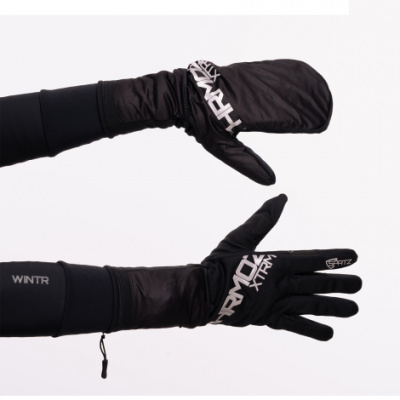
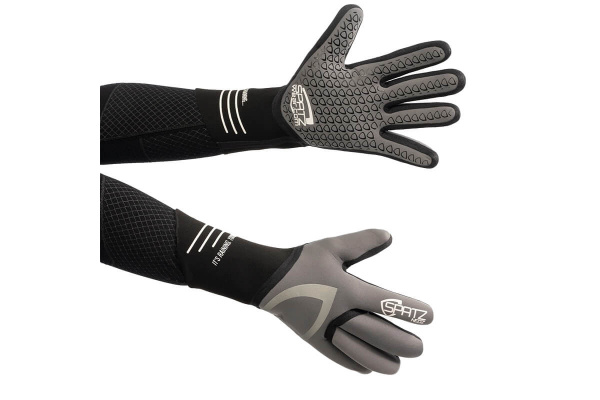
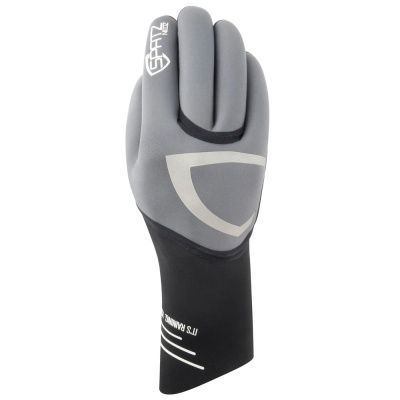
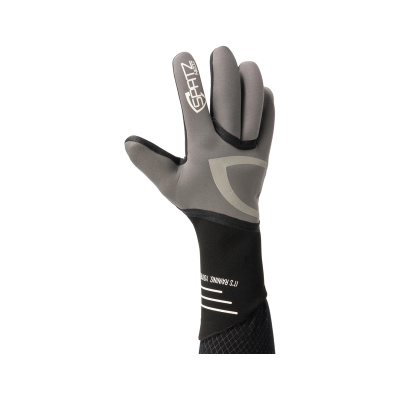
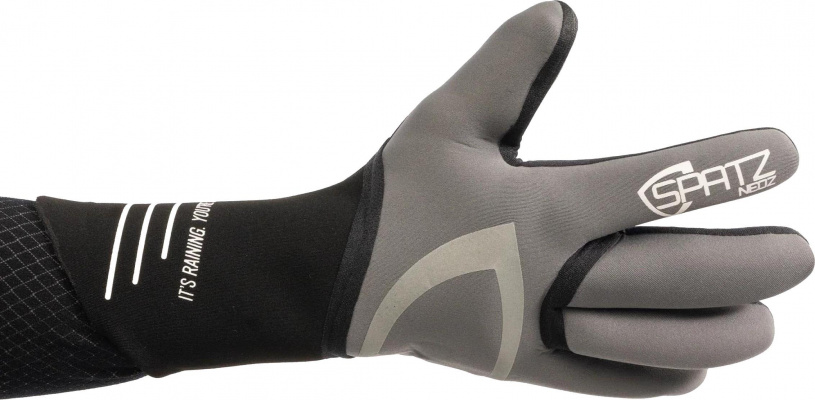
Spatzwear Gloves exist because Yorkshire winters don't care about your training plan. Born from the mind of a former pro cyclist who'd had enough of arriving at a café stop with hands too numb to unzip a pocket, Spatzwear ditched the traditional padded-and-puffed approach entirely. What you get instead is a premium stretch neoprene construction that works exactly like a wetsuit - trapping a micro-layer of warmth against your skin even when the rain is sheeting sideways off the moors.
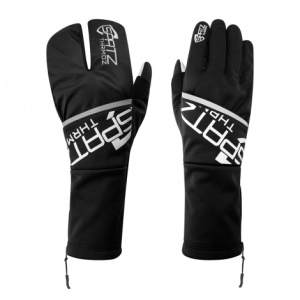
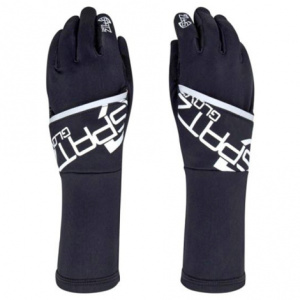
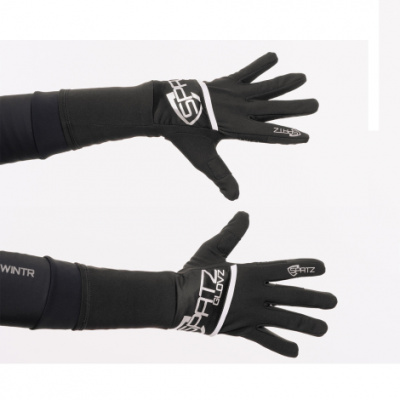
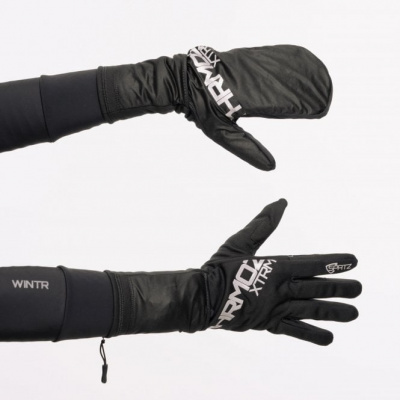
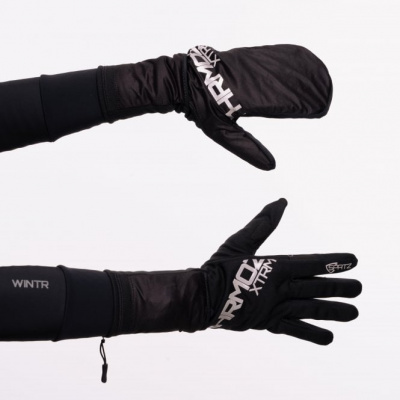
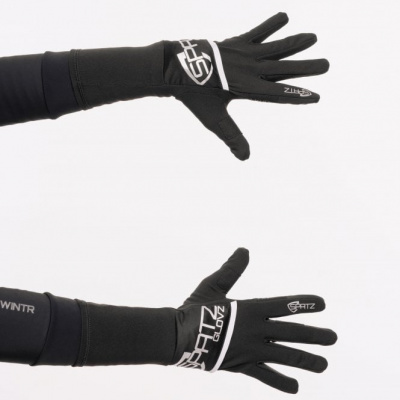
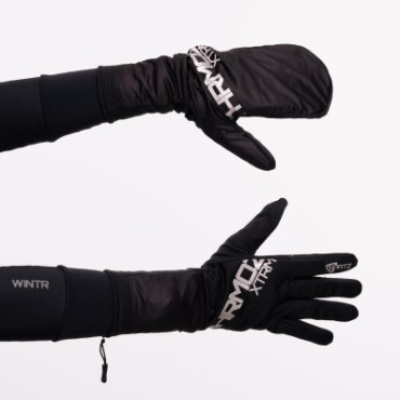
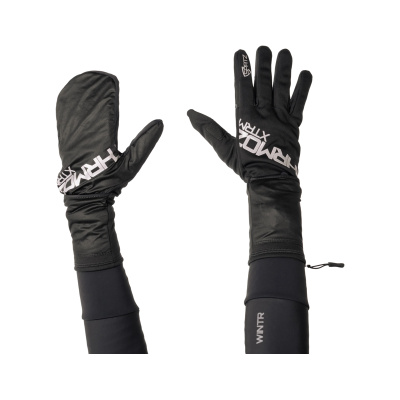
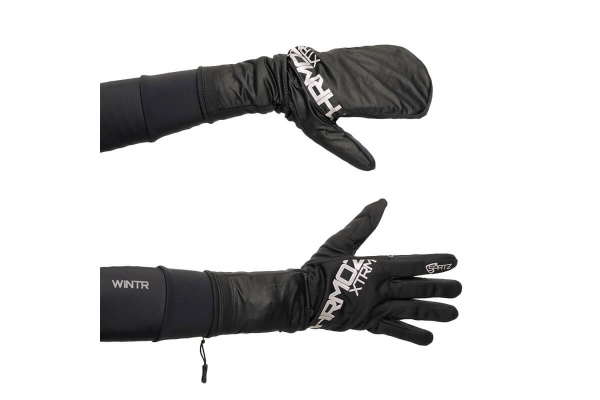
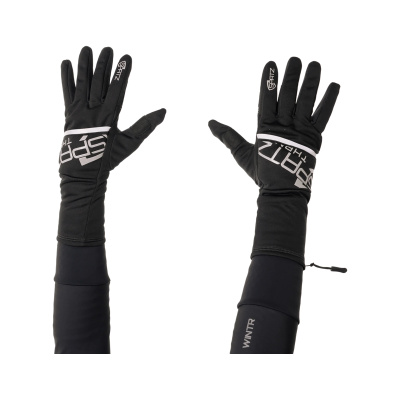
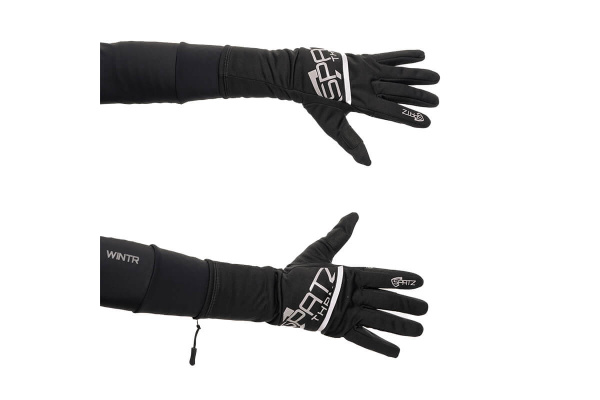
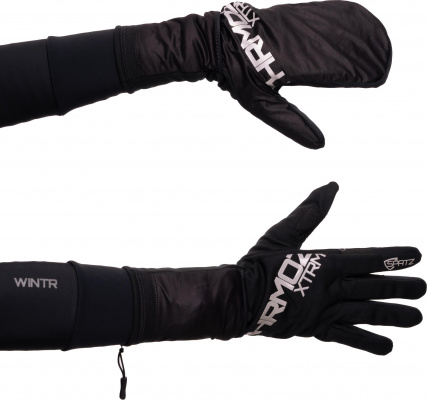
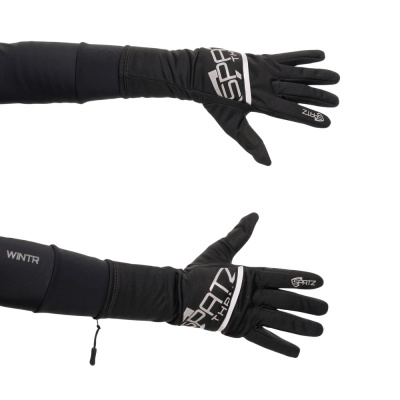
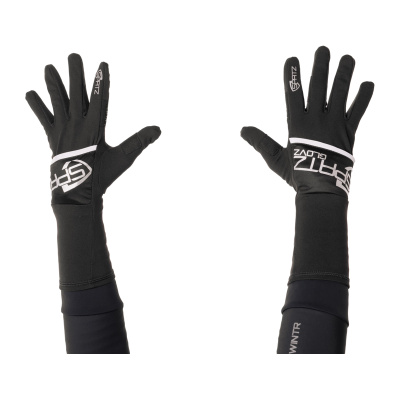
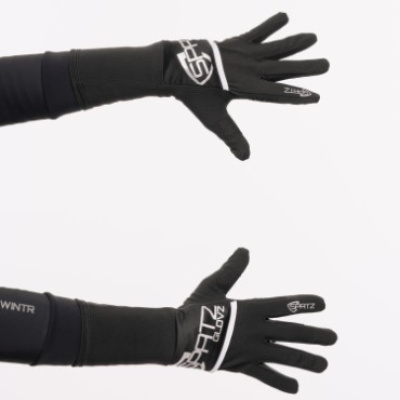
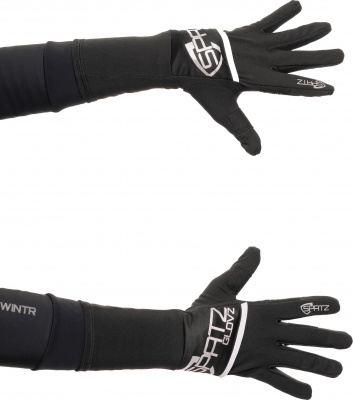
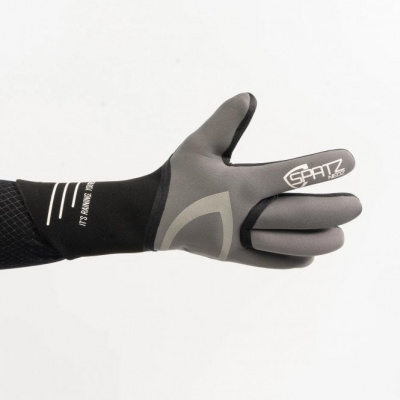
The signature extended forearm cuffs are what separate these from every other winter cycling glove in the market. Pull them up over your jacket sleeve correctly and you've sealed the single biggest weak point in most riders' cold-weather kit. No gap, no cold water funnelling in, no misery by mile forty. The fit is deliberately race-tight - a second skin, not a mitten - which keeps bar feel sharp enough to brake and shift with confidence when your fingers are under pressure from the cold.
Whether you're grinding out January base miles on exposed Pennine roads or racing a wet spring sportive, these gloves prioritise dexterity and thermal efficiency over bulk. That's a deliberate trade-off, and for most serious UK riders, it's the right one.
Prices and availability can change quickly. Delivery charges are not always included in listed prices.
Final price, stock status and delivery terms are set by retailer. We may receive a commission on purchases made.
The Neoprene Advantage: How Spatzwear Handles Wind and Rain
The core of every Spatzwear winter cycling glove is premium stretch neoprene - the same material that keeps surfers functional in the North Sea. It doesn't just repel water; it traps a thin film of it against your skin and lets your body heat turn that film into insulation. So even when you're riding through standing spray on a February lane in the Dales, your hands stay functional rather than frozen. That's the wetsuit principle in action, and it's genuinely different from how a DWR-coated fabric glove behaves once it saturates.
Windproofing comes as a natural consequence of the neoprene structure rather than a separate membrane, which means there's no delamination risk over time and no crinkly, stiff feel when temperatures drop hard. The thermal brushed lining on the inside adds another layer of warmth without meaningfully increasing bulk, keeping the glove's profile close enough to the hand that you don't lose feedback through the bar.
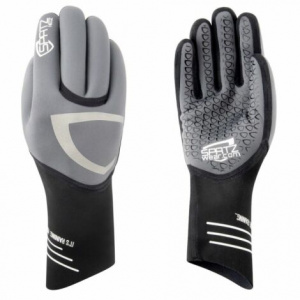
On the palm and fingers, epoxy gel grippers do the job that knurled rubber or silicone print does on lesser gloves - only better in the wet. When your STI levers are slick with road spray and your bar tape has absorbed three hours of rain, that grip pattern is what keeps your braking inputs precise. It's a detail that matters most exactly when conditions are worst. If you want a benchmark for comparison, Castelli gloves use similar palm grip tech at a comparable level, but Spatzwear's neoprene shell gives them an edge in prolonged wet cold specifically.
Fit, Range, and Getting the Size Right
Spatzwear gloves - including models like the Glovz and the Target - are cut to a race fit. That means snug. Not uncomfortable, but deliberate: if there's excess material bunching at the knuckles or the fingers feel loose at the tips, you're in the wrong size and you'll pay for it in cold flushes and reduced feedback. The neoprene needs to sit close to the skin to trap warmth effectively. A baggy fit lets cold water cycle through rather than stagnate and heat up.
Sizing tends to run true to hand circumference rather than length, so it's worth measuring across the widest part of your palm before ordering. If you're between sizes, go down. A glove that feels firm when dry will loosen slightly with use and when wet. This is the opposite logic to a softshell glove, where you might size up for a base layer underneath - with Spatzwear, there's no room for an inner layer and you shouldn't need one if the fit is correct.
The aero-focused cut isn't just marketing language. With the cuff extended and the glove sitting flat against the wrist, there's no bunching under a jacket sleeve and no aerodynamic snagging in a tuck. For riders who care about that kind of thing on fast descents or time trials, it's a genuine benefit. For winter training rides, it mostly just means the gloves don't feel fussy to wear. GripGrab gloves offer a similarly precise fit philosophy at a similar price point, though they lean more towards waterproof membrane construction than neoprene if that's a preference.
Layering Right and Keeping Them in Good Shape
The extended cuff only works if you wear it correctly. Sleeve goes on first, then glove cuff goes over the top of the sleeve - not under it. This way, rainwater and road spray run off the jacket and over the outside of the glove rather than channelling straight down your forearm and into the insulation. It sounds obvious, but it's the kind of thing worth double-checking in a cold car park when you're rushing to get rolling. Get it wrong and the gloves will still work, just not as well as they should.
For a complete cold-weather system, pairing the gloves with Spatzwear overshoes and a Spatzwear jacket keeps the same neoprene-forward logic running from toe to wrist. It's worth building the kit around consistent materials - mixed waterproof membranes and neoprene can create warm and cold spots that undermine the whole system. A Spatzwear base layer underneath completes the thermal layering without adding drag.
Care is straightforward but non-negotiable with neoprene. Machine wash on a cool, delicate cycle - no hotter than 30°C - and skip the fabric softener entirely. Softener degrades the neoprene's elasticity and thermal properties faster than riding in them ever would. After washing, air dry away from radiators and direct sunlight. Hanging them over a warm rad might feel efficient, but heat distorts neoprene permanently. Give them space, give them time, and they'll last considerably longer than a cheaper laminated glove would. Gore gloves follow similar care requirements if you're mixing brands across your kit.
One honest trade-off worth naming: in sub-zero conditions with a biting crosswind on an exposed ridge, Spatzwear's neoprene gloves work brilliantly at retaining warmth once riding, but they don't have the insulated padding of a deep-winter lobster mitt. If you're riding slowly - think a long café queue or a mechanical stop in freezing air - your hands will cool faster than they would in a traditionally insulated glove. The neoprene needs movement and body heat to do its job. Worth knowing before a very cold December audax.
Spatzwear Gloves FAQs
Are Spatzwear gloves fully waterproof?
Not in the membrane-sealed sense, no. They use premium neoprene, which is highly water-resistant and windproof but can let trace moisture through at the seams. The design works like a wetsuit - trapping a thin layer against your skin and using body heat to keep your hands warm even when wet. In practice, that means warm hands in prolonged rain, not dry ones.
How should Spatzwear cycling gloves fit?
Very snugly - second-skin tight. That's intentional. A loose fit lets cold water flush through rather than trapping warmth, and you lose the aero benefit too. If you're between sizes, go smaller. The neoprene has enough stretch to feel comfortable without bunching, and it relaxes slightly with use.
How do you wash neoprene cycling gloves?
Hand wash or machine wash on a cool, delicate cycle at no more than 30°C. No fabric softener - it breaks down neoprene over time. Air dry only, away from radiators and direct heat. Heat is what ruins neoprene fastest, so resist the temptation to speed up drying after a wet ride.