
SKS Frame Bags
SKS frame bags are among the more thoughtfully engineered pieces of bikepacking luggage you'll find at this price point - German-made, robustly constructed, and genuinely suited to what UK riding actually throws at you. Where a lot of frame bags feel like an afterthought, SKS has clearly spent time on the details: the water-repellent fabrics, the laminated zipper systems, the strap backings that don't immediately chew through your clearcoat. That matters when you're packing for a weekend loop through the Brecon Beacons or just trying to keep a spare tube dry on a wet Tuesday commute.
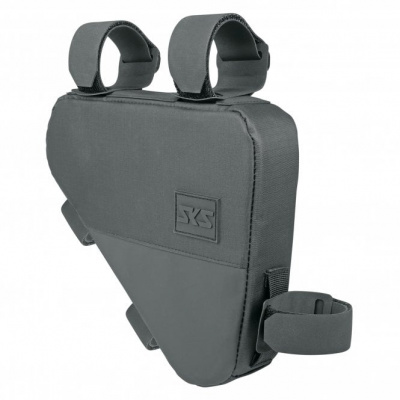
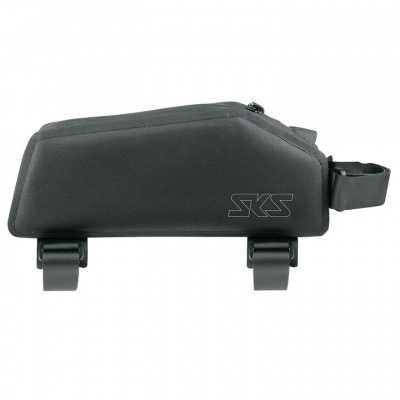
The range covers a fair spread of use cases. Whether you're after a burly off-road option for loaded bikepacking or something slimmer that slots cleanly onto a road or gravel bike without turning it into a pack mule, there's a SKS option worth considering. The bags sit inside your front triangle, which keeps the weight central and low - far better for handling than stuffing everything into a rucksack.
If you're building out a full luggage system, we'd point you toward the dedicated SKS bar bags and SKS saddle bags pages to complete the setup. But start here - a well-fitted frame bag is the backbone of any sensible bikepacking rig.
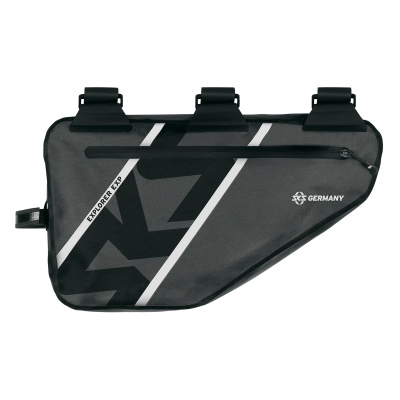
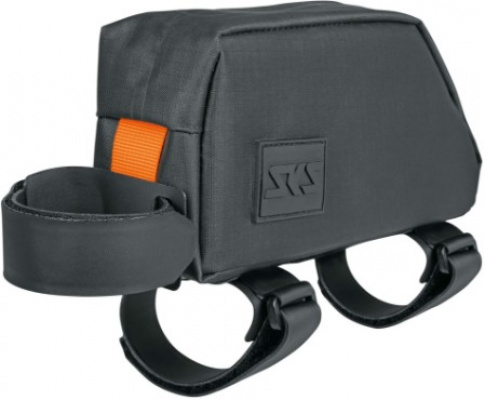
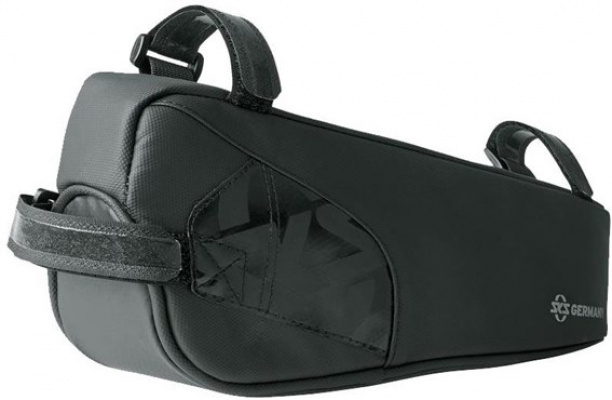
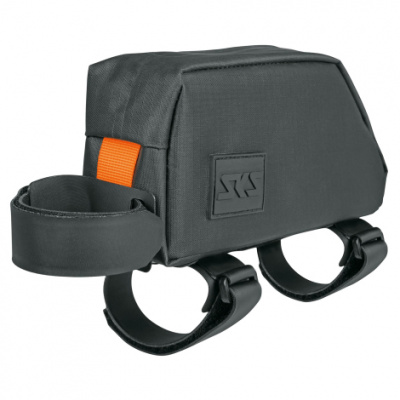
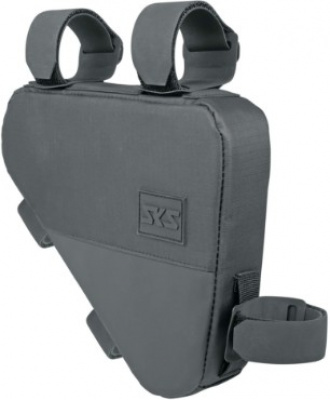
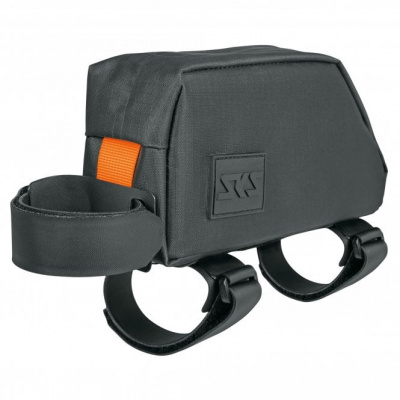
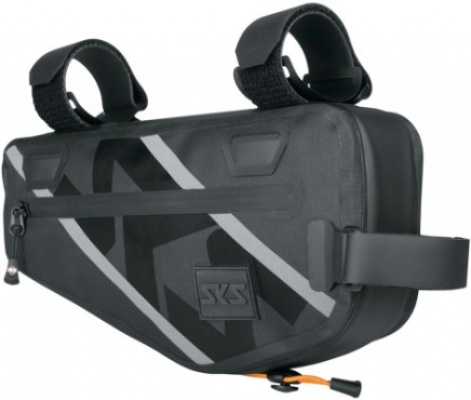
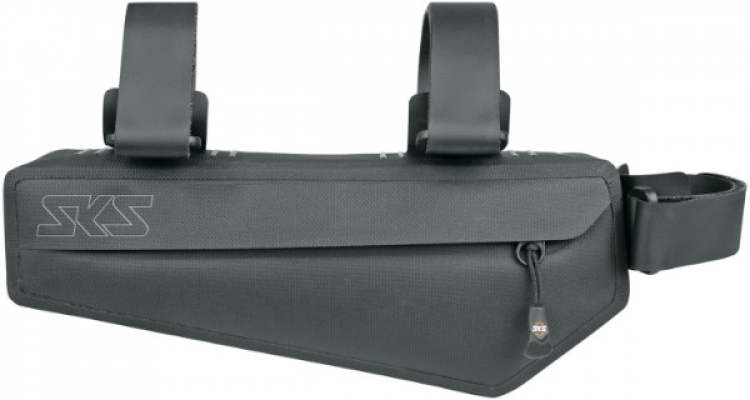
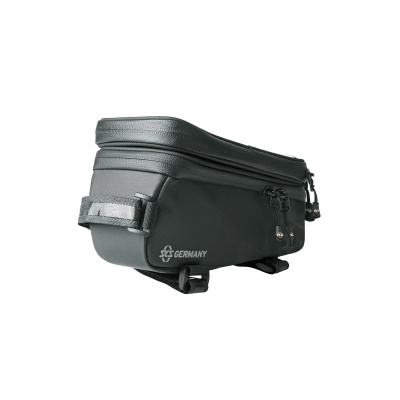
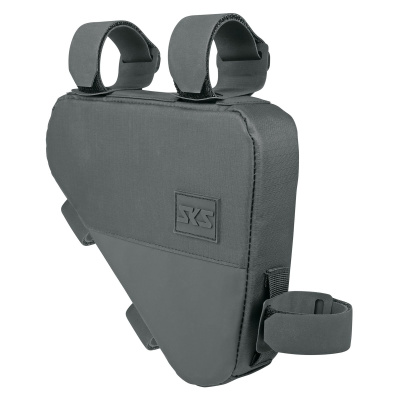
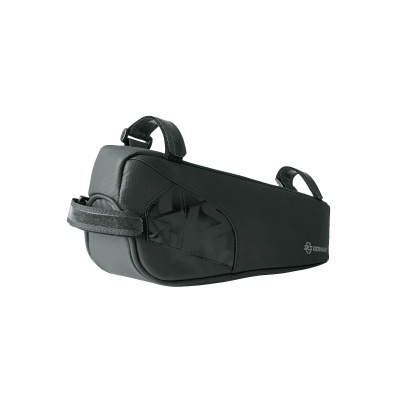
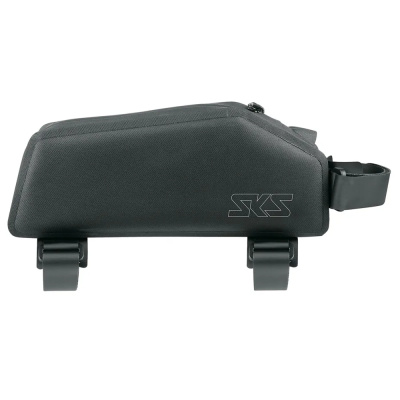
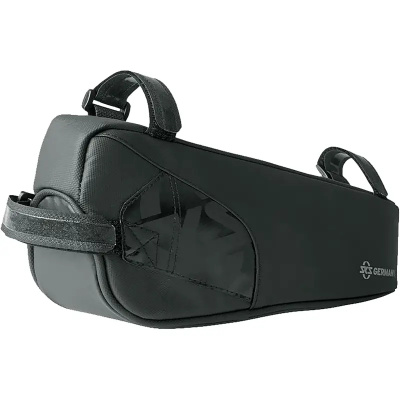
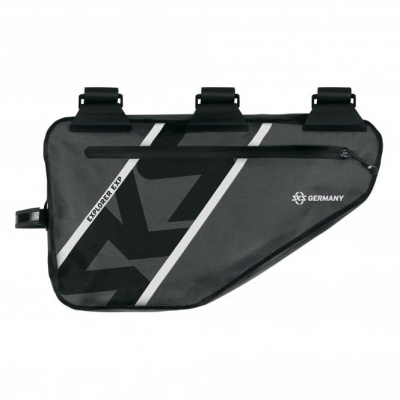
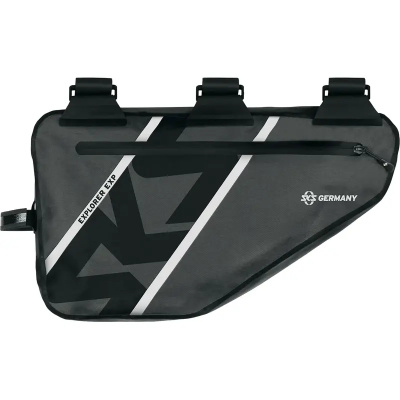
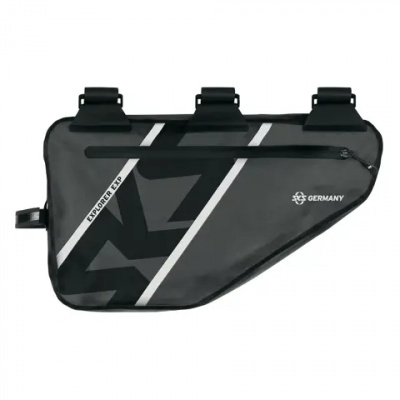
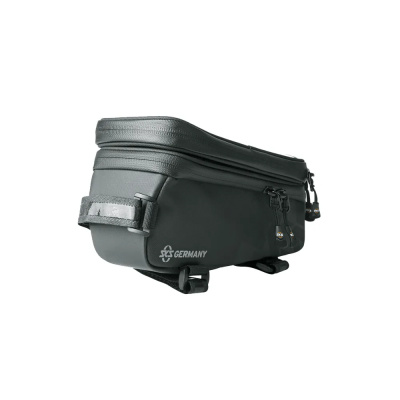
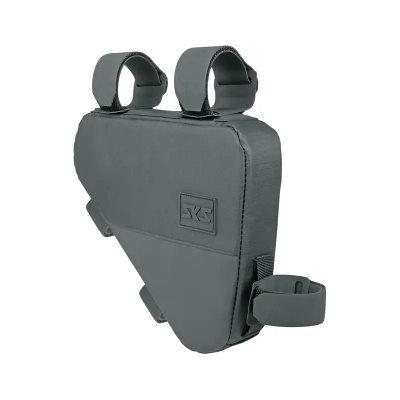
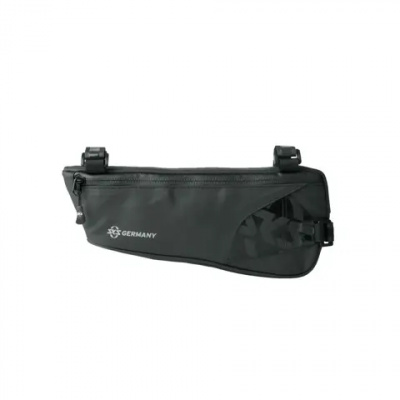
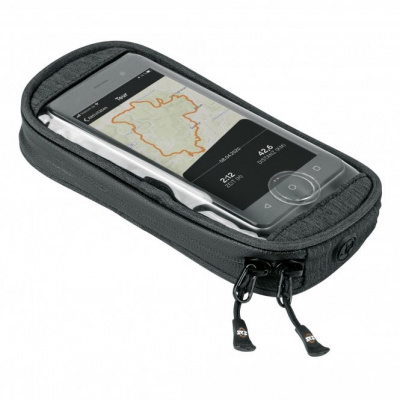
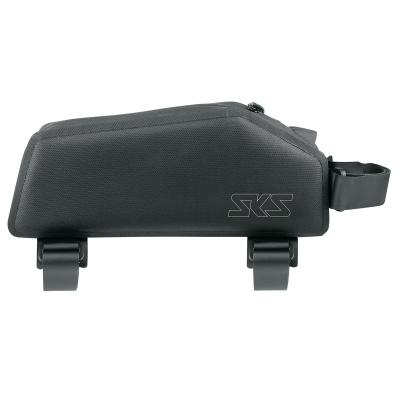
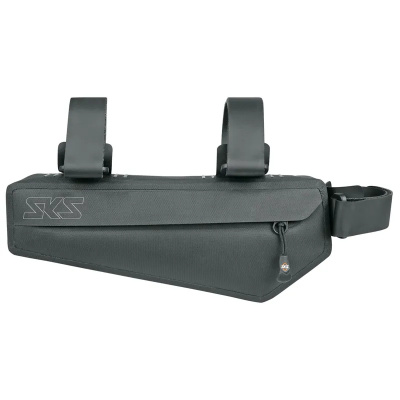
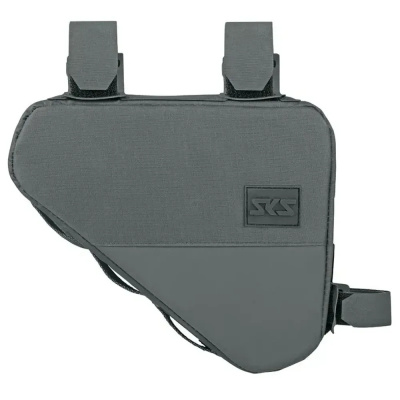
Prices and availability can change quickly. Delivery charges are not always included in listed prices.
Final price, stock status and delivery terms are set by retailer. We may receive a commission on purchases made.
Fitting Your SKS Frame Bag: What to Measure Before You Buy
Getting the fitment right is the bit most people skip, and then wonder why their bag sits oddly or fouls a cable. Start by measuring the internal front triangle of your frame - top tube length, seat tube length from the bottom bracket to where the top tube meets it, and the diagonal distance across. Cross-reference those figures against the bag's listed dimensions. SKS publish these clearly, so there's no excuse for guessing.
The trickier question is bottle cage clearance. A full-sized frame bag will almost certainly eat into at least one cage position. If you want to keep a bottle on the bike, look at a half-frame or smaller option, and consider switching to a side-entry cage - they let you pull a bottle out horizontally rather than straight up, which is often the only move when a bag is occupying the upper triangle. It's a small change that makes a real difference mid-ride.
Cable routing is the other thing worth checking carefully. Lots of modern frames run cables externally along the underside of the top tube or down the down tube. Hook and loop fasteners need to land on clean sections of frame - if a strap crosses over a cable stop or a housing guide, you risk putting lateral pressure on the line every time the bag shifts, which can show up as vague shifting or a slightly spongy brake feel. Take five minutes with the bag held in position before you commit to mounting it. How do you know where the straps will land? Most SKS bags have multiple strap positions, so there's usually room to adjust.
Explorer, Traveller, Racer: Which SKS Line is Actually for You
SKS runs three distinct frame bag families and the differences between them are meaningful, not just cosmetic.
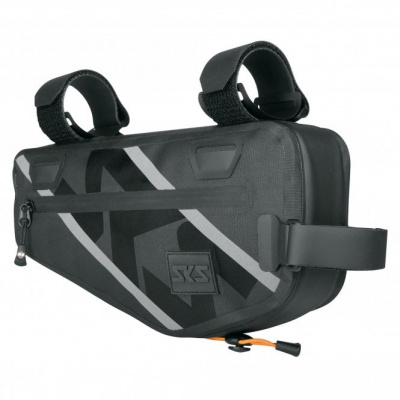
The Explorer series is the one to reach for if you're riding off-road, heading out in heavy weather, or planning anything multi-day. It uses a rubberized, water-repellent fabric construction that sheds water convincingly rather than just slowing it down, paired with EASYZIP laminated zippers that create a proper weather seal at the closure. These aren't just water-resistant zippers in the loose marketing sense - the laminated construction bonds the zip tape to the fabric, which closes off the main route water finds into cheaper bags. If you're doing a gravel audax across the Pennines in November, this is the tier you want. It's also the chunkiest option weight-wise, which is a fair trade for the protection level.
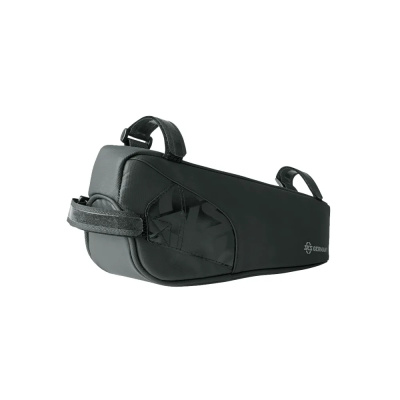
The Traveller series uses a softer, lighter fabric with good water resistance for everyday use - think urban commuting, light touring, or fair-weather gravel. It won't handle a sustained Scottish downpour as confidently as the Explorer, but it's more packable, often lighter, and the softer construction is kinder to delicate frame finishes. A solid choice if most of your riding happens in drier conditions or you're not planning to sleep under a tarp anytime soon.
The Racer line is cut slim and sits close to the frame, designed around road bikes where aerodynamics and aesthetics actually factor into the decision. The capacity is lower, but that's intentional - it's about carrying the essentials without the bag catching wind or looking like you've strapped a baguette to your downtube. If you're comparing options at this end of the spectrum, Apidura frame bags are the usual benchmark for minimalist road-orientated luggage and worth a look alongside the Racer range.
For riders wanting more coverage across brands, Ortlieb frame bags sit at the waterproof end of the market with a roll-top design that's genuinely submersible, while Altura frame bags offer a budget-friendlier entry point with decent weather resistance for commuting use.
Keeping Things Clean: Frame Protection and Zip Maintenance in UK Conditions
Here's something that doesn't make it into most product descriptions: a frame bag left mounted through a British winter will grind your paint off. Not because the bag itself is abrasive, but because grit and road debris work their way under the straps and create a slurry that acts like fine sandpaper every time the bag moves. SKS uses rubber-coated, frame-friendly hook-and-loop mounting straps - the backings are softer than most - but no strap system is immune to what British lanes deposit on a bike in January.
The fix is simple. Before you mount any frame bag, apply a strip of clear protective film - helicopter tape, frame protection tape, whatever you have - to the top tube and down tube where the straps will sit. It's cheap, invisible once on, and the difference between a pristine frame after a season of use and one that looks like it's been wire-wooled. Worth doing on carbon especially, where a compromised clearcoat isn't just cosmetic.
The laminated zippers on the Explorer series are excellent, but they do need occasional attention to keep running smoothly. After a muddy gravel ride, rinse the zip with clean water before it dries. A light application of silicone spray or zipper wax - not oil - every few months keeps them gliding properly. If you let dried mud set into the zip teeth, they'll start to drag and eventually the slider will damage the tape. It takes thirty seconds to sort; skipping it is how a good zip turns into a faulty one. Pair your bag with the right SKS tools for on-the-road maintenance, and a SKS mini pump fits neatly alongside spares in the frame triangle.
One more practical note: check the abrasion-resistant fabric on the underside of the bag periodically if you're running it on rough roads or trails. The Explorer's rubberized construction handles this well, but any bag will eventually show wear where it contacts the frame under load on rough surfaces.
SKS Frame Bags FAQs
Are SKS frame bags fully waterproof?
The Explorer series uses rubberized, water-repellent fabric and EASYZIP laminated zippers that handle heavy UK showers and sustained road spray without issue. They're not designed for submersion, so if you're fording streams or riding in genuinely biblical conditions, adding a dry bag liner inside for valuables is worth doing.
How do I know if an SKS frame bag will fit my bike?
Measure your front triangle - top tube length, seat tube height, and the diagonal - and compare against the bag's published dimensions. Also check where the hook-and-loop straps will land relative to any external cable routing, and whether the bag's depth will block your bottle cage access. A half-frame bag is often the answer if you want to keep a bottle on board.
Will an SKS frame bag scratch my paintwork?
SKS uses rubber-coated strap backings which are gentler than bare nylon, but trapped grit under any strap will damage paint over time. Apply clear frame protection tape to the top tube and down tube before mounting - it's the one step that actually prevents the problem rather than just slowing it down.