
Shimano Bib Tights
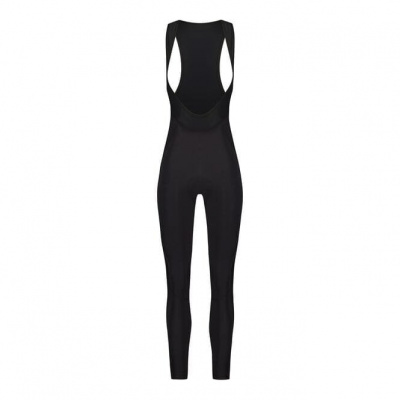
When the temperature drops and the roads turn greasy, Shimano bib tights are engineered to keep your winter miles moving without fuss. Shimano approaches legwear with the same obsessive precision they bring to their groupsets - nothing accidental, nothing redundant. The result is a range that covers everything from hard-racing compression to sensible, everyday winter warmth, all built around the specific misery of British riding conditions: persistent drizzle, road spray from passing lorries, and that particular brand of freezing headwind you only truly appreciate on an exposed descent in January.
Across the range, you'll find brushed fleece interiors for genuine heat retention, windproof front panels where you need them most, and DWR coatings designed to shed light rain without turning the inside of your tight into a sauna. The chamois tech is serious too - Shimano's proprietary Tornante and INVERNO pads are built for long hours in the saddle, not just a spin round the block. Whether you're drawn to the aerodynamic, body-mapped S-PHYRE line or the more forgiving Element range for club runs and commutes, there's a tight here that matches how you actually ride in winter. Fit, fabric, and pad choice all matter - and we'll break each one down below.
Prices and availability can change quickly. Delivery charges are not always included in listed prices.
Final price, stock status and delivery terms are set by retailer. We may receive a commission on purchases made.
Fabric Tech and How It Handles the Weather
A good pair of Shimano winter bib tights starts with the fabric, and Shimano's approach is deliberately layered. The brushed fleece lining on their thermal models traps a thin layer of warm air close to your skin - think of it like the insulation in a good gilet, but woven directly into the leg. On a damp five-degree morning, that difference between a brushed interior and a plain knit is the difference between two hours of comfortable riding and cutting the ride short at the first café.
Windproof panels sit across the front of the thigh and knee, where cold air hits hardest on long descents. They're not bulky or crinkly - Shimano keeps the construction tight so you're not fighting the fabric on climbs. The DWR coating handles road spray and light drizzle competently, beading water off the outer surface rather than letting it soak through. Worth knowing: DWR isn't a permanent fix. It degrades with washing and wear, but it can be reactivated - more on that below. Breathability holds up well at moderate intensity; push into threshold efforts and you'll feel more heat building, which is a fair trade-off for genuine windproofing.
Reflective details are placed strategically rather than plastered everywhere - ankle strips and rear knee panels catch headlights during winter commutes and early-morning rides without looking like a hi-vis tabard. Practical and considered.
The Shimano Range and How the Fit Breaks Down
Shimano's bib tight range splits clearly into tiers, and picking the right one matters more than most people think. The S-PHYRE line sits at the top - this is race-spec kit with aerodynamic fabric mapping, meaning different materials are used across the leg depending on where you need stretch, compression, or wind resistance. The fit is close. Very close. It's designed to work with a forward, aggressive position and delivers the kind of compression that makes your legs feel supported on hard efforts. If you're racing winter crits or doing structured training blocks, S-PHYRE makes sense. If you want to nip to the café in comfort, it's probably overkill.
The Element range is where most riders will land. It's a more relaxed club-fit profile - still close enough to avoid any excess fabric flapping, but without the performance-racer squeeze. Endurance riders, commuters, and anyone doing long winter base miles will find it more liveable across three or four hours. The Beaufort sits in a similar space, offering solid thermal performance with a slightly roomier cut that works well over winter base layers.
On sizing: Shimano bib tight sizing generally runs true, but the S-PHYRE's compressive construction means riders on the border between sizes are usually better going up. The Element and Beaufort ranges are more forgiving - your normal size should work unless you've got particularly long legs, in which case check the inseam measurements carefully. If you're running these tights for indoor training sessions or bridging into warmer months, Shimano bib shorts are the more appropriate choice - lighter, uninsulated, and built for a very different job.
For riders comparing Shimano against alternatives at a similar price point, Castelli bib tights offer a comparable race-fit approach with their own take on thermal fabric mapping, while dhb bib tights represent a more budget-conscious route into decent UK winter protection. Gore bib tights are worth a look if waterproofing is your absolute priority over thermal performance.
Layering These Into a UK Winter Kit Setup
Bib tights don't work in isolation. Pair them with the right top half and your warmth is consistent; get it wrong and you're cold across the chest and roasting below the knee. Shimano jackets are the logical companion here - they share the same DWR philosophy and the fit is designed to work with the bib straps without bunching. Sticking within one brand's winter range isn't brand loyalty for its own sake; it's just practical, because the cut and coverage are designed together.
Don't overlook the extremities. Shimano overshoes seal off the ankle gap that even well-fitted tights leave open, and ankle zips on most of the range make pulling them over shoes a straightforward job rather than a wrestling match. Cold hands will end a ride faster than cold legs, so Shimano gloves are worth pairing in at the same time.
On care: Shimano waterproof cycling tights and DWR-treated kit generally need a bit of attention to stay performing. Wash at 30 degrees using a technical garment wash - nothing biological, absolutely no fabric softener. Softener is the enemy of DWR; it clogs the coating's pores and you'll notice water soaking in rather than beading off within a few washes. Air drying is ideal, but if you want to reactivate the DWR treatment, a short tumble on the lowest heat setting works well. Do that after every three or four washes and the coating will last significantly longer. Store them flat or loosely folded - avoid compressing the chamois pad for extended periods if you can help it.
Shimano Bib Tights FAQs
Are Shimano bib tights true to size?
Most of the range fits true to size, but the S-PHYRE line runs with a high-compression, race-oriented cut that can feel tight if you're between sizes. In that case, sizing up gives you a more comfortable fit without sacrificing the close profile.
What is the difference between Shimano S-PHYRE and Element bib tights?
S-PHYRE is Shimano's top-tier option - aerodynamic fabric mapping, aggressive compression, and the best chamois pads in the range, aimed at racing and hard training. Element is built for everyday winter riding with a more relaxed club fit, solid thermal performance, and better value for commuters and long endurance rides.
How do I wash water-resistant bib tights?
Wash at 30 degrees with a technical detergent and skip the fabric softener entirely - it degrades the DWR coating faster than anything else. To reactivate the water repellency, tumble dry on the lowest heat setting for a short cycle after washing.