
Selle Saddles
Your saddle is the contact point that makes or breaks a ride, and Selle saddles have spent decades getting the ergonomics right through serious biomechanical research rather than guesswork. The range covers everything from stripped-back manganese-railed training saddles to featherweight carbon-shelled race pieces, so whether you're grinding out a 100-mile sportive or punching through technical singletrack, there's a shape and spec level built around how your pelvis actually sits and rotates on the bike.
Fit is where Selle genuinely separates itself. The idmatch system maps your intertrochanteric distance - that's the width between your femoral heads - against your pelvic rotation angle to land you in the right size and profile from the start, rather than the usual trial-and-error approach most riders know too well. Get that right and you're already most of the way to eliminating the numbness and power loss that come from a saddle working against your anatomy.
UK riders also need a saddle that copes with grit, rain, and the kind of damp that lingers from October through April. Selle's Fibra-Tek cover material handles abrasive mud better than most, and the rail material tiers give you a clear upgrade path as your priorities shift from durability to weight savings. Pair your new saddle with Selle bar tape for a consistent cockpit feel front to back.
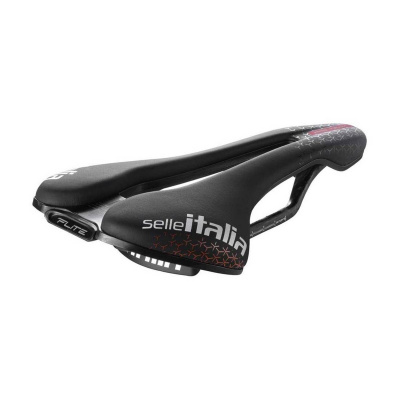
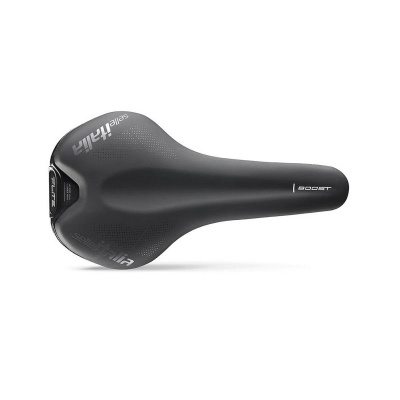
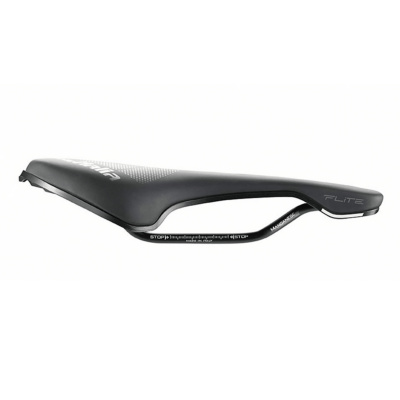
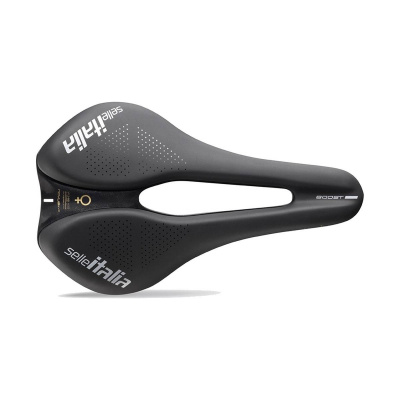
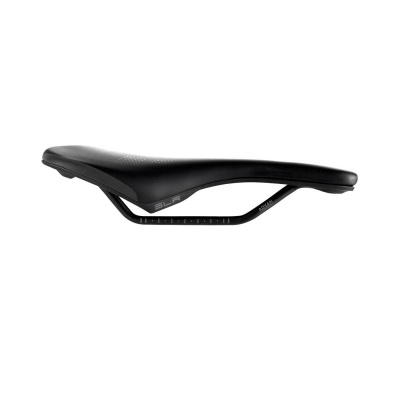
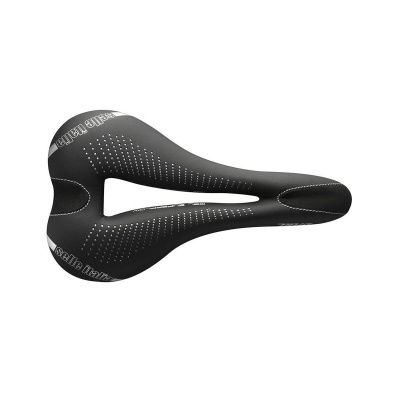
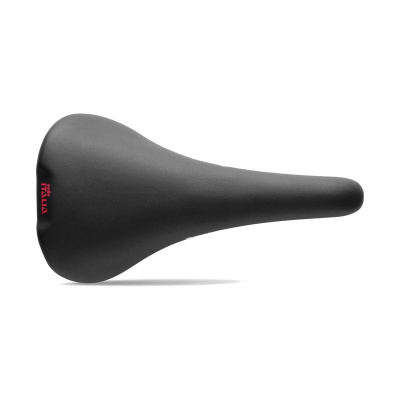
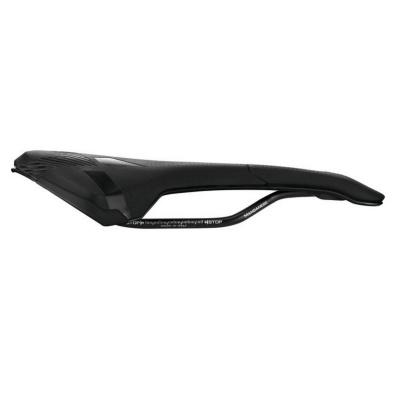
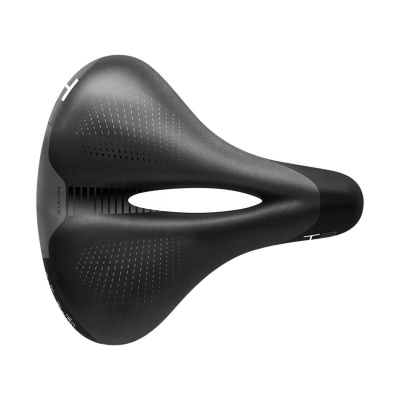
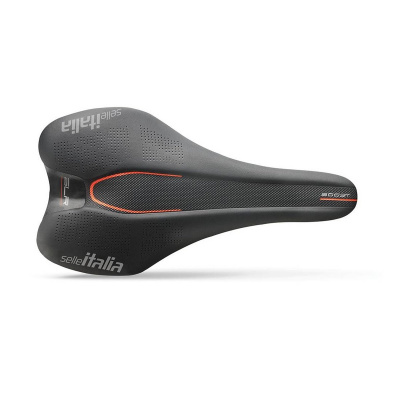
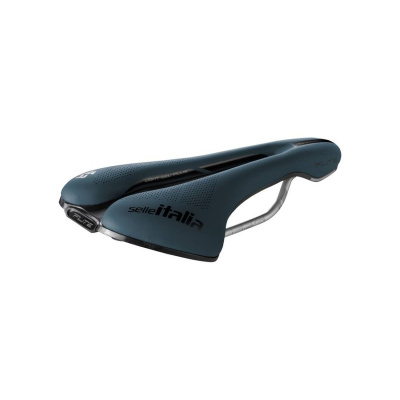
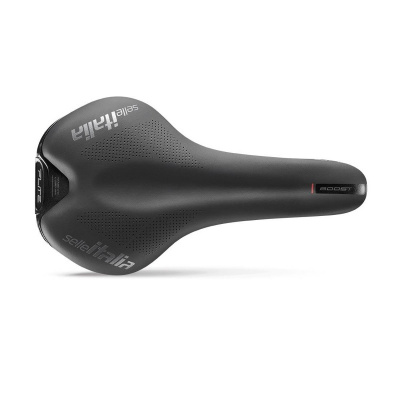
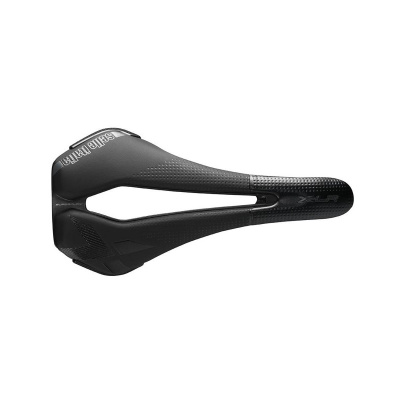
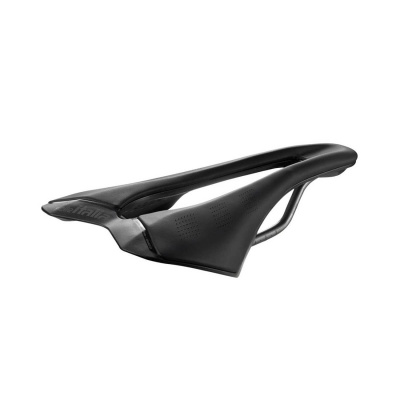
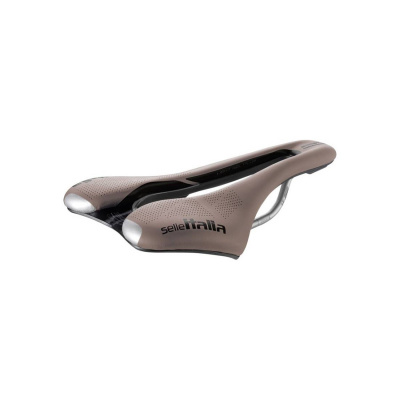
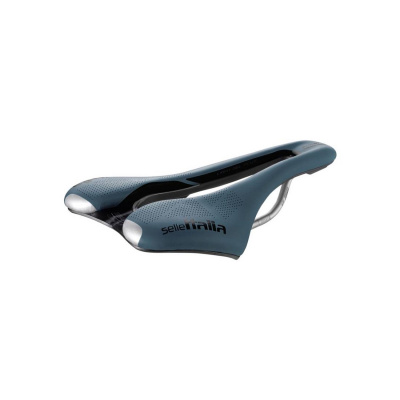
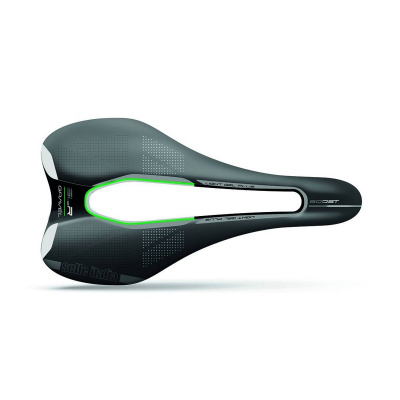
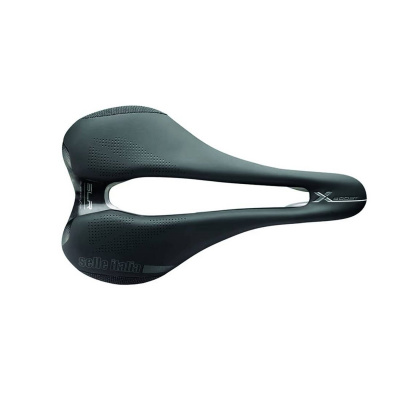
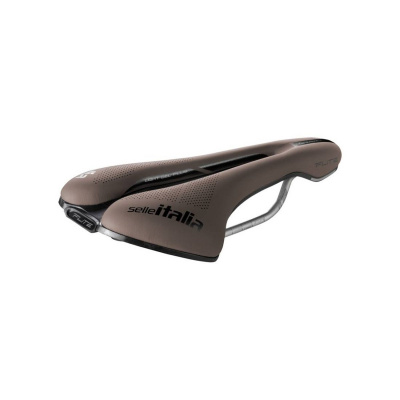
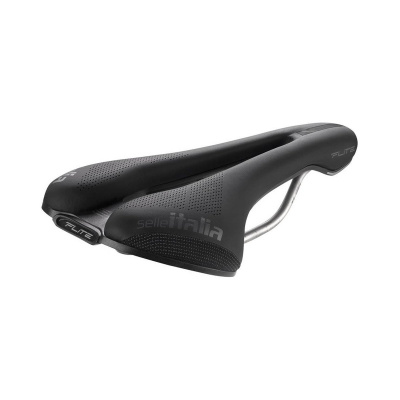
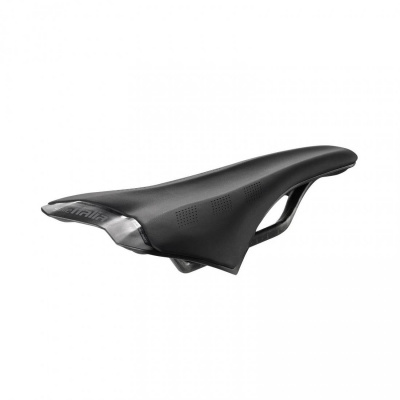
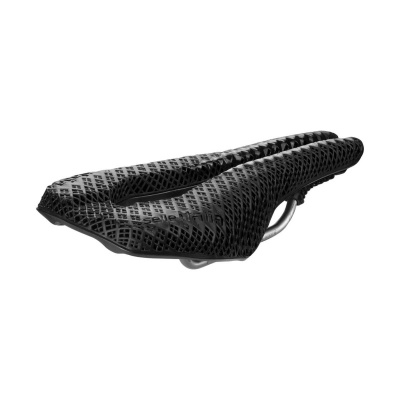
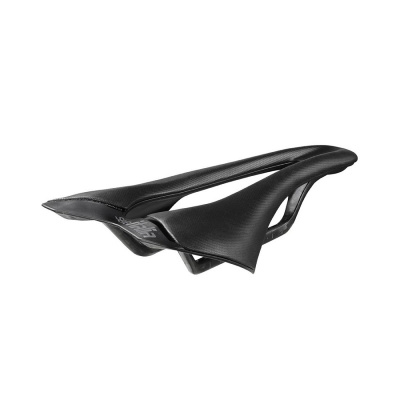
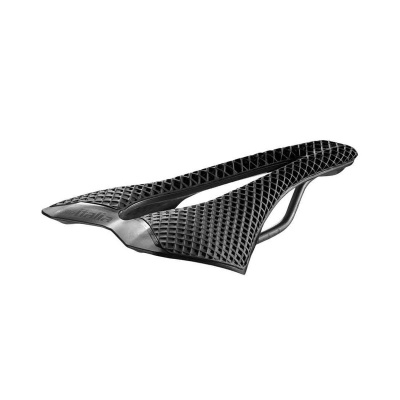
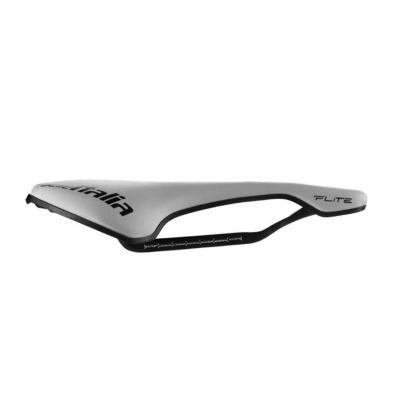
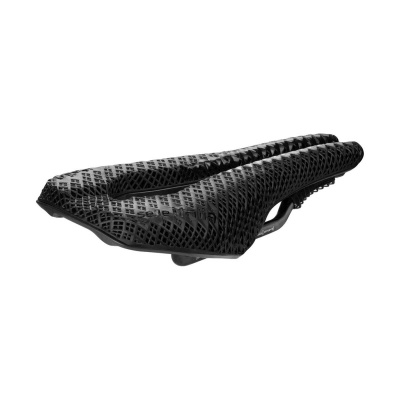
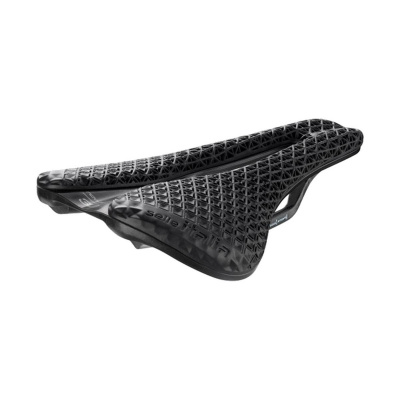
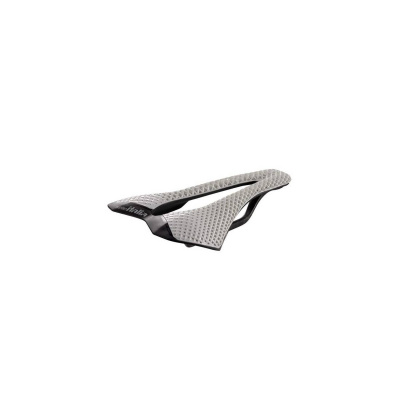
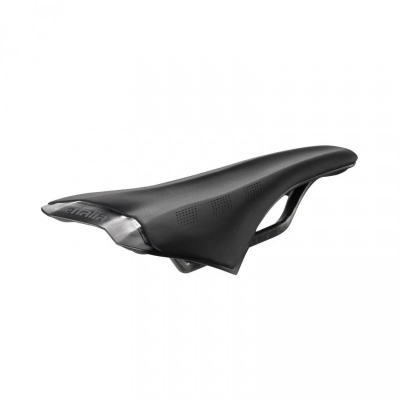
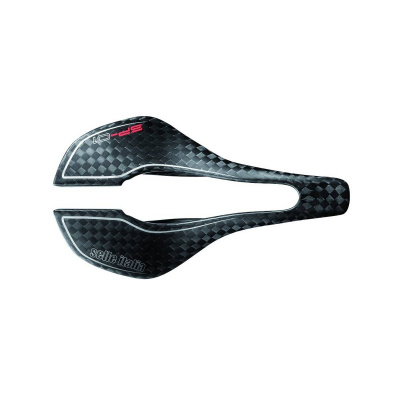
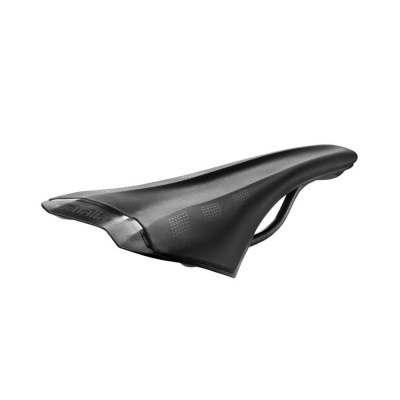
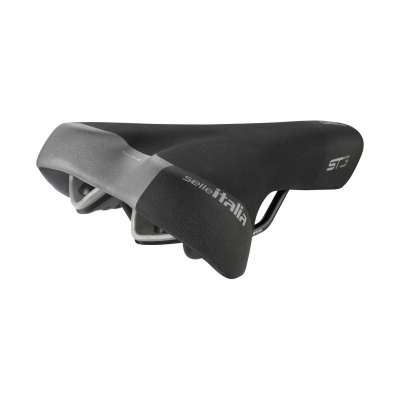
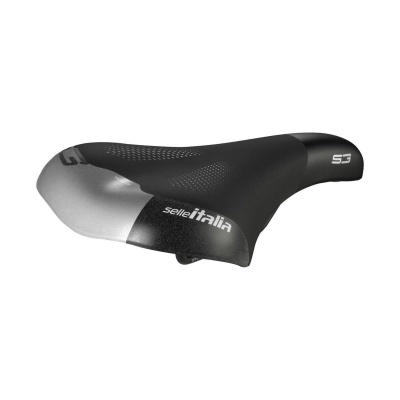
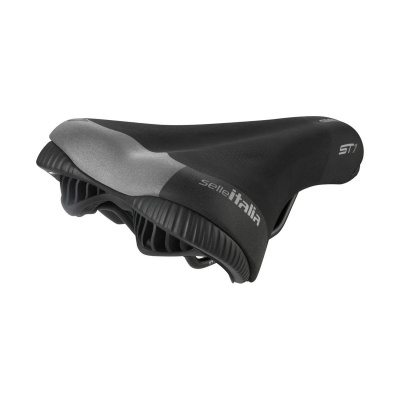
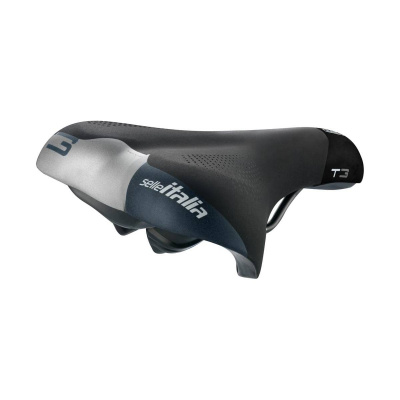
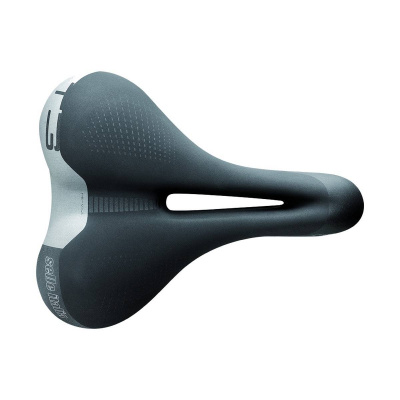
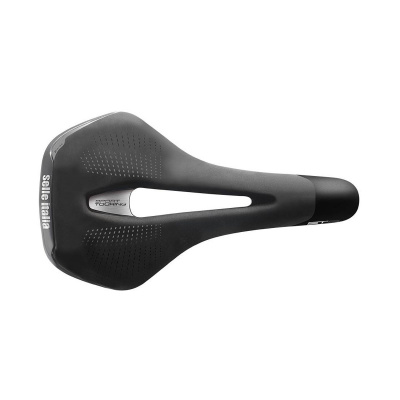
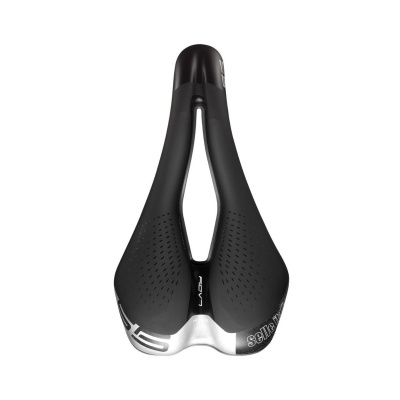
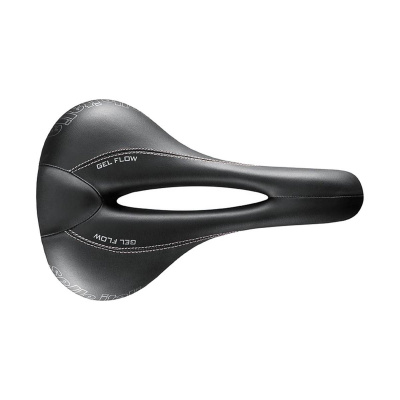
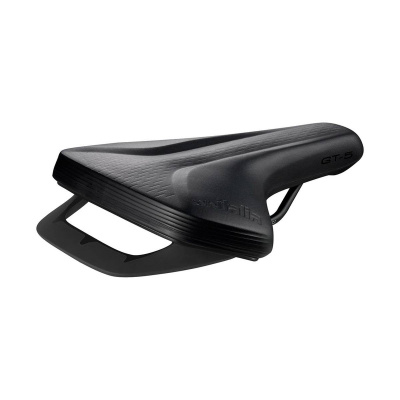
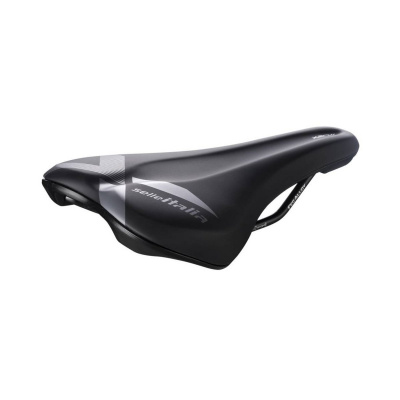
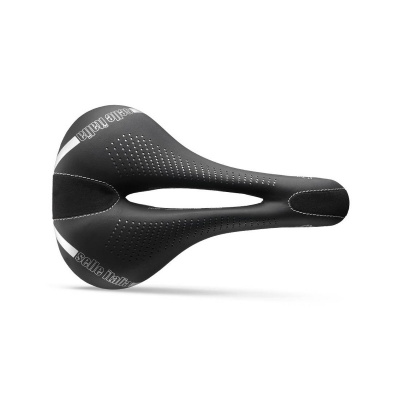
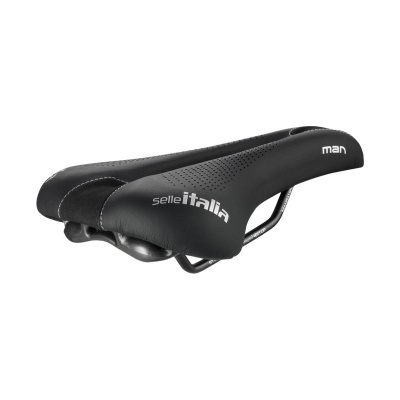
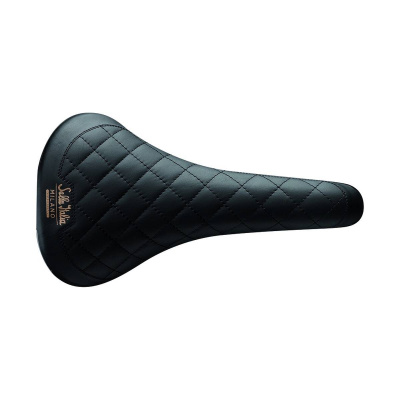
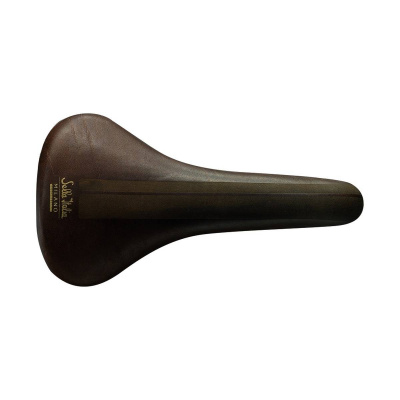
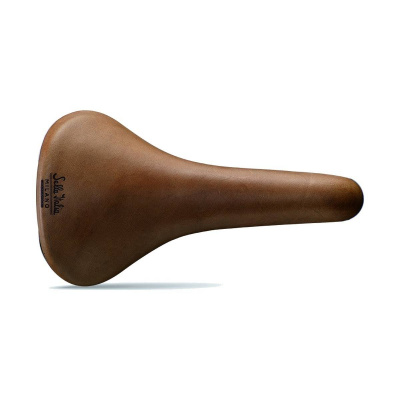
Prices and availability can change quickly. Delivery charges are not always included in listed prices.
Final price, stock status and delivery terms are set by retailer. We may receive a commission on purchases made.
Will It Fit Your Seatpost? Rail Dimensions Explained
This is the question worth answering before you buy, not after. Standard Selle saddles fitted with manganese or TI 316 titanium rails use a round 7x7mm profile. That fits virtually every seatpost clamp on the market - no adapters, no fuss. The problem arrives with the Kit Carbonio models, which use an ovalized carbon rails 7x9mm profile. That extra 2mm in one axis matters more than it sounds.
Side-clamping seatpost mechanisms - common on older Trek and Specialized posts - often won't close cleanly around an oval rail without specific 7x9mm adapter ears. Top-down clamping designs are generally more forgiving and will usually accept the oval profile without modification. Check your clamp style before committing. If you're unsure, pull the saddle off and look at how the jaws meet the rail: parallel from the side means top-down, perpendicular means side-clamp.
One more thing on carbon rails: torque matters. Most manufacturers specify 7 - 9Nm at the seatpost clamp, and going beyond that crushes the carbon fibres at the clamping point - damage that's invisible until the rail lets go mid-ride. Use a torque wrench. Carbon assembly paste between rail and clamp helps you hit the right clamping force at a lower torque figure, which is exactly what you want with seatpost clamp compatibility this tight.
The Model Hierarchy: TM, TI 316, and Kit Carbonio
Selle's naming structure tells you almost everything about what you're paying for. Within a given model - the SLR or Flite, for instance - the shape, foam density, and shell geometry stay consistent across the range. What changes with price is the rail material and, at the top end, the shell composite itself.
TM denotes manganese steel rails. Heavy relative to the alternatives, but genuinely robust and unfazed by UK winters. If you're running the same training bike from September to March and hosing it down in the dark, this is the sensible spec. TI 316 moves you to titanium rails - noticeably lighter, with a degree of flex that takes the edge off road buzz on longer days. It's the middle ground that suits most riders well. Kit Carbonio brings carbon rails and a carbon-reinforced shell. Stiffest, lightest, and most responsive under hard pedalling efforts. It's also the most sensitive to installation errors, as covered above.
The Superflow modifier cuts across all three tiers and is worth understanding separately. It's not a comfort saddle addition - it's a drastic central cut-out designed specifically for riders with high pelvic rotation, typically those running aggressive, forward-leaning positions. If you're flat-backed on a race bike and finding that standard saddles cause perineal relief issues on anything over two hours, the Superflow geometry addresses that directly. Riders with a more upright position and lower pelvic rotation often find a standard profile works better for them. Alternatives from Fizik and Ergon take different approaches to the same problem, so it's worth comparing cut-out geometries if you're switching from either brand.
For riders coming from a more traditional English saddle background - think long-distance touring or audax - Brooks saddles occupy a different philosophy entirely, prioritising break-in over engineered geometry. Selle's approach is the opposite: precision fit from the first ride rather than gradual adaptation.
Keeping Selle Saddles in Good Shape Through a UK Winter
Fibra-Tek is Selle's technical microfibre cover material, and it genuinely holds up well against the abrasive grit that coats UK roads and trails from autumn onwards. It resists scuffing better than smooth synthetic covers, and stitching stays tight longer than softer alternatives. That said, it's not indestructible.
One thing to avoid: pointing a pressure washer directly under the saddle. The force can work into the bond between the cover and shell, and once that lifts at the edges, water gets in and foam degradation follows. A bucket and brush is the smarter move for anything more than a rinse. Fabric saddles use a bonded construction that has similar vulnerabilities, so this isn't unique to Selle - it's just worth knowing.
Saddle creak is a familiar complaint among UK riders, and grit working into the rail-to-clamp interface is usually the culprit rather than anything structural. The fix is straightforward: pull the saddle off every few months during winter, clean the rails and the inside of the clamp thoroughly, then reapply. For carbon rails, use carbon assembly paste and re-torque carefully. For metal rails - manganese or titanium - standard grease does the job. Refitting takes ten minutes and avoids the kind of persistent creak that makes a quiet morning ride far less enjoyable than it should be. If you're also running Bontrager saddles on other bikes, the same rail-cleaning routine applies.
Finding the right Selle saddles UK stock depends partly on which rail spec and size you're after - Kit Carbonio models in specific idmatch sizes can sell through quickly, so it's worth using the price comparison above to check current availability across retailers rather than limiting yourself to one source.
Selle Saddles FAQs
How do I choose the right Selle saddle size?
Selle uses the <strong>idmatch</strong> system, which combines your sit bone width (intertrochanteric distance) with your pelvic rotation angle. Saddles are labelled S or L for narrow or wide sit bones, then 1, 2, or 3 for increasing pelvic rotation. If you suffer numbness or ride in an aggressive forward position, a size 3 - paired with a Superflow cut-out - is usually the right direction. Many Selle stockists and bike fitters can measure both dimensions quickly.
What is Selle Superflow technology?
<strong>Superflow</strong> is Selle's large central cut-out design, significantly deeper and wider than a standard relief channel. It removes pressure from the perineal area during hard, forward-leaning efforts where pelvic rotation is high. On rides over two hours at race pace, the difference for affected riders is substantial. It's not aimed at casual or upright riders - those with lower pelvic rotation typically find a standard profile more comfortable.
Are carbon saddle rails compatible with all seatposts?
Not without checking first. Selle's <strong>carbon rails</strong> are ovalized at <strong>7x9mm</strong>, while standard metal rails are round 7x7mm. Side-clamping seatpost mechanisms may need specific 7x9mm adapter ears to clamp correctly. Top-down clamps are usually more accommodating. Also stick to the specified torque range - typically 7 - 9Nm - and use carbon assembly paste to avoid crushing the rails at the clamp interface.