
Ritchey Saddles
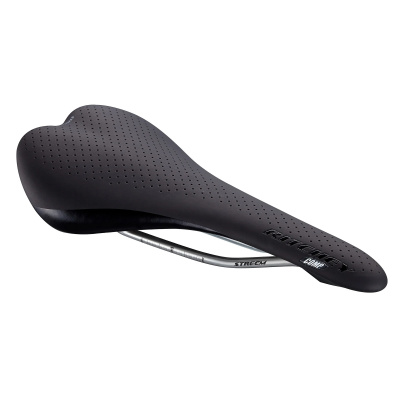
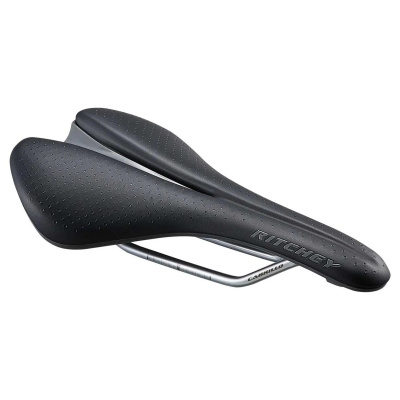
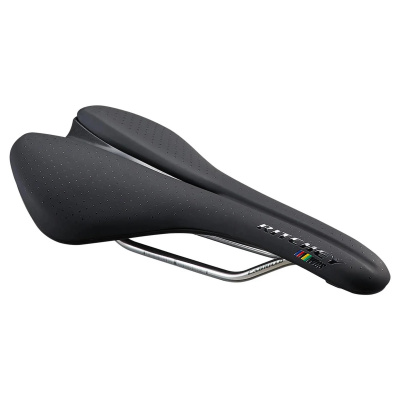
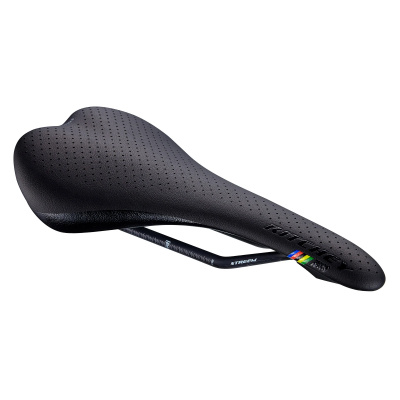
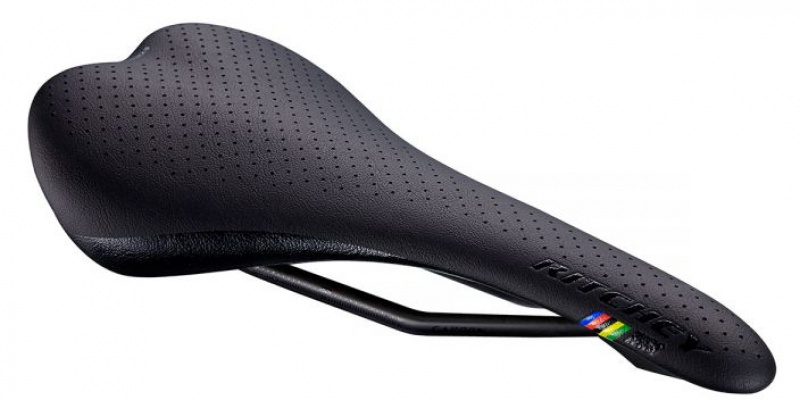
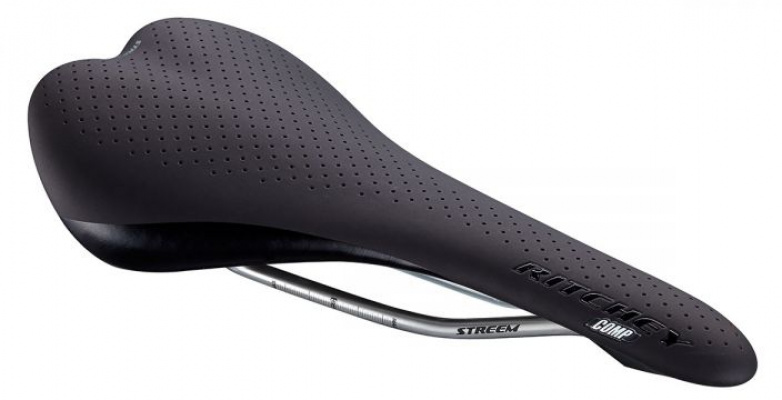
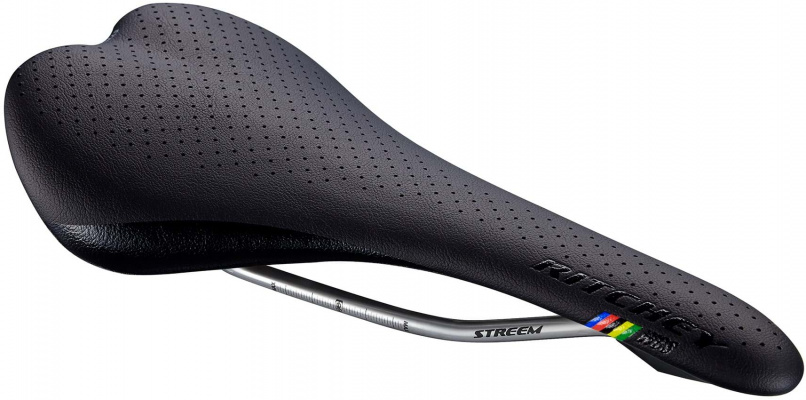
Ritchey saddles sit at the intersection of decades of precision component design and genuinely practical engineering - not a bad place to start if you're shopping for a perch that'll still feel right three hours into a wet Peak District loop. The lineup runs from the robust, no-nonsense Comp series through to the featherweight Superlogic tier, with the WCS range bridging the gap for riders who want a meaningful weight drop without going full weight-weenie. What ties them together is Vector Wing technology - a patented design that isolates your sit bones from the saddle rails, dispersing road buzz and pressure before it compounds into fatigue. That matters whether you're pushing through Surrey Hills cobbles or grinding a long gravel route in the Dales. Shape matters too: the curved Skyline profile suits riders who want a locked-in pedalling position, while the flatter Streem suits those who shift around under load. Check your seatpost clamp type before you buy - carbon rails and CrMo rails use different rail dimensions, and getting that wrong is an expensive mistake. Browse the grid below to compare models, and if you need replacement clamps or hardware, head to our Saddle Spares page.
Prices and availability can change quickly. Delivery charges are not always included in listed prices.
Final price, stock status and delivery terms are set by retailer. We may receive a commission on purchases made.
Will a Ritchey Saddle Fit Your Seatpost?
Rail dimensions are the detail most riders overlook until they're standing in the garage with an incompatible clamp. Ritchey's Comp and Classic models use standard 7x7mm round rails - either CrMo or steel - which fit the vast majority of seatpost clamp systems without any fuss. The WCS Carbon and Superlogic models, however, use 7x9mm oval rails, and that distinction is critical. The oval cross-section improves stiffness-to-weight and helps the rail flex in the right plane, but it doesn't play nicely with every clamp out there.
Top-down clamping seatposts - where the bolt pulls a wedge down onto the rail from above - are almost universally compatible with both round and oval profiles. Side-clamping designs, common on many aero seatposts, grip the rail laterally and are often shaped specifically for 7x7mm. Use one of those with a 7x9mm oval rail and you risk crushing the carbon. That's not a recoverable situation. If you run a side-clamp post, check the manufacturer's spec sheet for oval rail compatibility or source a dedicated adapter. For replacement parts, specific clamp adapters, and rail hardware, visit our Ritchey seatposts page for compatible posts, and check our Saddle Spares section for clamp adapters and ancillary hardware.
Comp, WCS, and Superlogic: What You Actually Get for the Money
Ritchey structures the saddle range in three clear tiers, and the differences between them are tangible rather than just spec-sheet noise. The Comp series is the starting point. CrMo rails, nylon shells, durable microfiber cover - it's a practical, hardwearing saddle that handles daily training mileage without complaint. The rails are heavier than carbon alternatives, but they're also more resistant to the kind of accidental knocks that happen when bikes are loaded into vans or leant against walls at café stops. If you're building a dedicated winter bike or just want a reliable workhorse, Comp is where to look.
Step up to WCS - World Championship Series - and you get titanium or tubular CrMo rails paired with carbon-injected shells. The weight drop is significant, and the shell stiffness improves power transfer without turning the saddle into a punishment device. The carbon-injected construction also allows for better tuning of flex, so the saddle absorbs microvibration more effectively than a pure nylon shell. For most riders considering Ritchey WCS saddle options, this tier represents the most balanced trade-off between performance and everyday durability.
At the top sits Superlogic, Ritchey's full carbon layup offering. The shell and rails are integrated carbon - the Superlogic carbon layup isn't just a rail upgrade, it's a rethink of how the structure works as a whole. Weight is minimal. Compliance is tuned with precision. It's the right choice for a summer race or climbing build where every gram is justified. It's less suited to being thrown in a kit bag repeatedly or left locked outside. Worth knowing before you commit.
Across both WCS and Superlogic, you'll find two distinct ergonomic profiles. The Skyline uses a curved rocker, which cradles the pelvis and keeps you in a consistent position - useful if your hip flexibility is limited or you're running a more aggressive drop. The Streem is flatter, giving you freedom to move fore and aft as efforts change. Both use Ritchey's patented perineal relief channel design to reduce soft tissue pressure - a detail worth noting if you're spending long days in the saddle on gravel. Picking between the Ritchey Skyline vs Streem really comes down to how much you move on the bike, not just how flexible you are. If you're comparing against other options, Fizik saddles use a similar spine-flexibility fitting system, while Ergon saddles take a more anatomically mapped approach to sit bone width - both worth a look if you're undecided on shape. For something with a different character entirely, Fabric saddles offer a flat, unstructured profile that suits riders who've never clicked with contoured designs.
While you're speccing the cockpit, it's worth considering a matched Ritchey handlebar and Ritchey stem - keeping rails, bar, and stem from the same brand means consistent material properties and clamp standards, which simplifies setup considerably.
UK Conditions and Keeping Your Saddle in Shape
British winters are not kind to saddles. Abrasive road grit, wet mud thrown up from the back wheel, and months of damp all conspire to degrade covers and stitching faster than most riders expect. Ritchey's synthetic microfiber cover handles this considerably better than traditional leather - it doesn't absorb water, it cleans up with a wipe, and it resists the abrasive particles that work into stitching seams over time. If you're comparing against something like a Brooks leather saddle, the maintenance calculus is completely different; leather needs conditioning and protection from sustained wet exposure in a way microfiber simply doesn't.
On installation: if you're fitting a WCS Carbon or Superlogic saddle, use a torque wrench. This isn't optional. Carbon rails will tolerate the correct clamping force - typically 5 - 7Nm depending on your seatpost - but overtighten even slightly and you can crack the rail without any visible sign until it fails under load. Apply carbon assembly paste to the rail contact points before clamping; it allows you to reach the correct torque at a lower actual grip force, which protects the carbon and prevents saddle rotation under hard efforts. If your current post doesn't have a torque spec printed on it, check the manufacturer's documentation before fitting. A small amount of prep here avoids a large amount of expense later.
For riders considering the best Ritchey saddle for gravel use specifically - longer days, variable road surfaces, more time out of position - the WCS Skyline with its curved profile and Vector Wing pressure distribution is typically the more forgiving choice over extended hours. The Streem's flatter deck works well for gravel too, particularly on faster, more open routes where position stays relatively static.
Ritchey Saddles FAQs
Are Ritchey carbon saddle rails compatible with standard seatposts?
Ritchey's carbon rails are 7x9mm oval, not the standard 7x7mm round. Top-down clamping seatposts handle them without issue. If your post uses a side-clamp mechanism, you'll need a specific 7x9mm adapter - skip that step and you risk crushing the rail, which isn't fixable.
What is the difference between Ritchey WCS and Comp saddles?
Comp uses CrMo or steel rails with a nylon shell - tough, practical, and well-suited to year-round training. WCS upgrades to titanium or carbon rails with a carbon-injected shell, cutting weight meaningfully and improving vibration compliance. You're paying for a genuine performance difference, not just a badge.
How do I choose between the Ritchey Skyline and Streem saddle shapes?
The Skyline has a curved rocker profile that cradles the pelvis and holds you in position - better if your hip flexibility is limited or you run a steep drop. The Streem is flatter, giving you room to shift fore and aft as the effort changes. Think about how much you naturally move on the bike rather than just how flexible you are off it.