
Ritchey Pedals
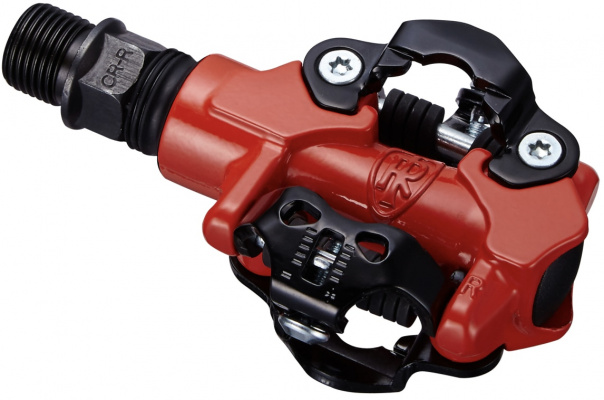
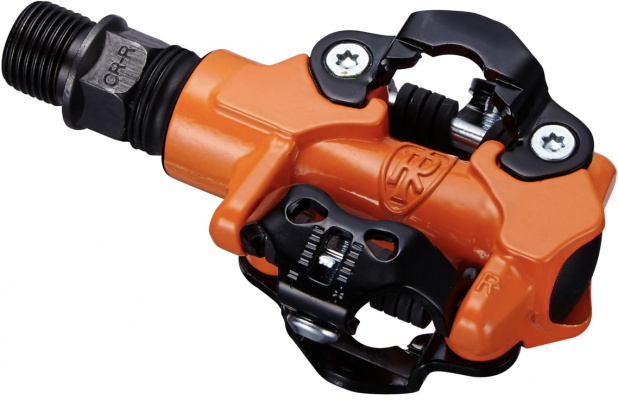
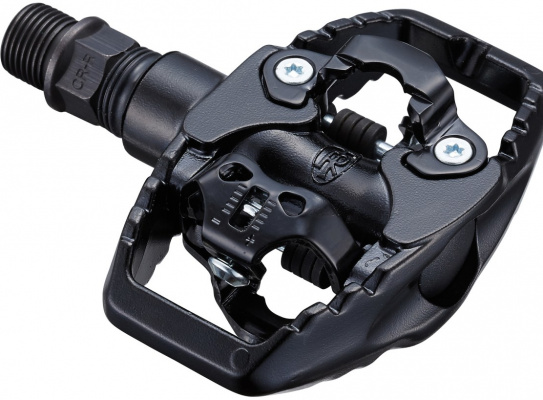
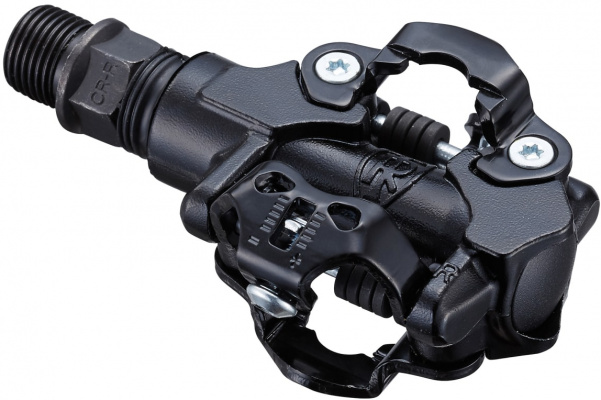
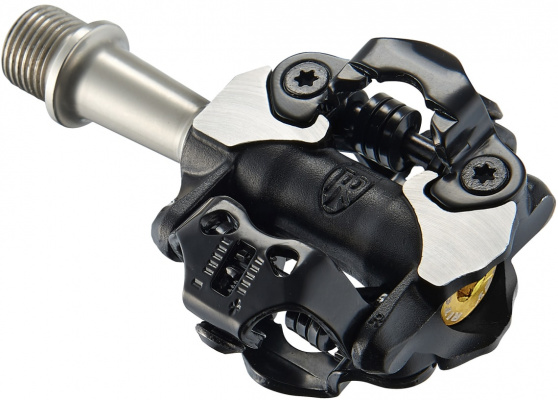
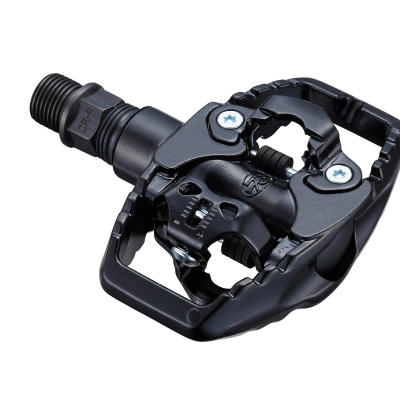
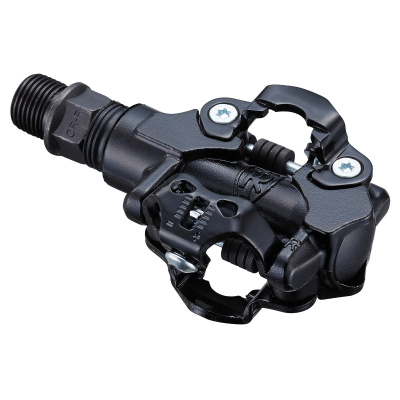
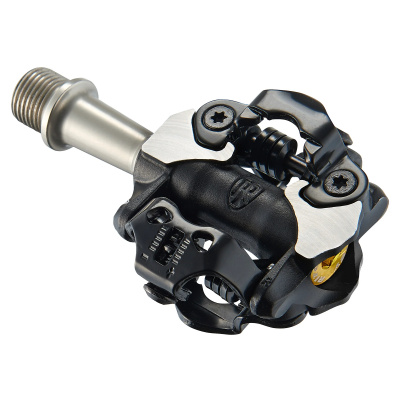
Ritchey pedals have long been a quiet favourite among mechanics and weight-conscious riders who want clipless performance without the fuss - or the grams. The range is built around a low-profile body that keeps mud clearance generous, which matters when you're clipping in mid-way up a greasy Welsh bridleway or rolling off a Surrey Hills car park onto chalk-slicked roots. Both the WCS and Comp lines use the same Paradigm engagement system: a minimalist jaw design that sheds mud quickly and re-engages cleanly even when your shoes are caked. SPD compatibility means you're not locked into proprietary cleats, and the low axle-to-cleat height puts your foot closer to the spindle for efficient power transfer - you feel it most on punchy climbs where every watt counts. The WCS tier strips weight aggressively with forged alloy bodies and machined axles, while the Comp series uses the same engagement geometry in tougher, more cost-effective materials that handle winter grit without complaint. Both are fully serviceable, which is the kind of detail that keeps a pedal running for years rather than ending up in the spares bin after one muddy season.
Prices and availability can change quickly. Delivery charges are not always included in listed prices.
Final price, stock status and delivery terms are set by retailer. We may receive a commission on purchases made.
Compatibility and Standards Worth Knowing
All Ritchey off-road and gravel pedals use the Shimano SPD standard, so cleat engagement, float, and release feel will be immediately familiar if you're coming from any SPD-based system. Standard Shimano SH51 single-release cleats work straight out of the box, or you can run the cleats Ritchey includes. Either way, you're not starting from scratch. The axle thread is the universal 9/16 inch, meaning these fit any standard crank - no adapters, no faff.
Float is governed by the cleat rather than the pedal body itself, which is how the SPD system works across the board. Ritchey's pedals suit riders who already know their preferred float setting and just want a lighter, cleaner platform delivering it. The Q-factor - the lateral distance between your feet - sits in line with comparable SPD pedals, so the transition from, say, Crank Brothers pedals or a standard Shimano XTR won't require a bike fit reset. If you're considering the best Ritchey pedals for gravel, that consistency across standards is genuinely useful: one cleat system across your gravel bike, your cross bike, and your trail shoes.
The low axle-to-cleat height is worth a specific mention. Bringing the foot closer to the pedal spindle reduces the lever arm between your shoe sole and the axle, which tightens up the feel on uneven ground. It's the difference between a stable, planted sensation on technical descents and that slightly vague flex you can get from taller-bodied designs.
WCS vs Comp: Where the Money Goes
Ritchey runs a clear two-tier hierarchy, and understanding it makes choosing straightforward. The WCS (World Championship Series) pedals sit at the top: forged alloy bodies machined to remove every unnecessary gram, with chromoly or titanium axles depending on the specific model. These are the pedals you spec on a race-day XC build or a gravel bike where you're already obsessing over the overall weight. The Ritchey WCS Trail pedals in particular have drawn solid coverage from the test press for their combination of low mass and robust cleat interface - light enough to matter, sturdy enough not to worry about.
The Comp tier keeps the same Paradigm engagement mechanism - identical jaw geometry, identical mud-shedding characteristics, identical entry and release feel. What changes is the material grade: bodies are alloy but less aggressively machined, and the axles step down to standard chromoly rather than a skeletonised or titanium option. The weight penalty is real but modest. For a winter training bike or a second build that sees the Peak District grit roads in January, the Comp series is the sensible call. You're not compromising the functional experience; you're just paying less for heavier hardware that handles abuse without you losing sleep over it.
If you're comparing across brands, Look pedals and HT Components pedals occupy similar territory at the premium end - but Ritchey's appeal is that both WCS and Comp share the same engagement DNA rather than the cheaper tier feeling like a different product entirely. That's not always the case elsewhere. Ritchey also offers strong complementary contact points if you're building a cohesive setup: Ritchey saddles and Ritchey grips follow the same weight-conscious, no-nonsense brief.
Keeping Them Running Through a UK Winter
The Paradigm engagement system's minimalist body isn't just about weight - it's genuinely practical in the mud. Less body means fewer recesses for wet clay and chalk to pack into, and the jaw mechanism stays accessible for self-cleaning as you pedal. Riding the North Downs in November or doing a muddy sportive across the Cotswolds, that matters more than it sounds. A clogged pedal body kills engagement confidence fast.
Sealed cartridge bearings handle the bulk of the load, backed by a bushing near the outer end of the axle. Both are rebuildable. Servicing is straightforward: remove the outer end cap, pull the axle, clean out any grit and old grease, and repack with a waterproof marine grease before reassembly. Marine-grade grease is the move here - it resists water ingress better than standard bearing grease and won't wash out after a few wet rides. How often? If you're riding year-round in the UK, once at the start of winter and once in spring is a sensible baseline. Brass cleats wear faster than steel in grit, so check those regularly too - a worn cleat affects engagement feel before the pedal itself is anywhere near done.
One practical note: when stripping the axle for the first time, note the thread direction. Ritchey, like most pedals, uses left-hand thread on the left pedal axle - loosen it clockwise, tighten anticlockwise. It's the sort of thing that only catches you out once, but once is enough. If you're building up a full contact-point kit and want to keep things consistent, Ritchey bar tape rounds out the setup neatly on road-adjacent gravel builds.
For riders searching Ritchey Comp XC pedals UK, availability is generally good through the main distributors, and parts support - end caps, axles, bearing kits - is more accessible than some boutique brands. That rebuildability is part of why mechanics rate them: you're not binning the whole pedal because one bearing gave up in a Scottish winter.
Ritchey Pedals FAQs
Are Ritchey pedals Shimano SPD compatible?
Yes. Ritchey's mountain and gravel pedals use the Shimano SPD standard, so standard SH51 single-release cleats work straight away. The cleats supplied with the pedals are SPD-compatible too, so you can run either without any modification to the pedal body.
How do you service Ritchey pedal bearings?
Ritchey pedals use sealed cartridge bearings and a bushing, both of which are fully rebuildable. Remove the outer end cap and axle nut to access the internals, clean out old grease and grit, then repack with waterproof marine grease before reassembly. For UK year-round use, twice a year is a sensible service interval.
What is the difference between Ritchey WCS and Comp pedals?
WCS pedals use forged alloy bodies and machined chromoly or titanium axles to save weight - these are the race and weight-weenie tier. Comp pedals share the exact same Paradigm engagement mechanism and mud-shedding design, but use slightly heavier, more cost-effective materials. The functional ride feel is very close; the weight and price are where they diverge.