
Rab Overtrousers
When UK skies do what UK skies do, Rab overtrousers are the layer you'll be glad you stuffed into your frame bag before leaving the car park. Rab built its reputation keeping mountaineers alive in Scottish winters, and that same hard-weather thinking runs directly through their cycling and trail-running outer layers. The result is a range of waterproof overtrousers that take wet conditions seriously without making you feel like you're pedalling in a bin bag.
Two fabrics do the heavy lifting across the range. Pertex Shield keeps things light and packable - small enough to forget about until you need it. Proflex adds genuine stretch alongside its waterproof credentials, so there's no fighting the fabric through the pedal stroke. Both carry a fluorocarbon-free DWR coating and taped seams, so water beads off the face fabric rather than creeping through the stitching. For gravel riders dashing across the Dales or bikepackers grinding through a Welsh October, that combination of packability and real protection matters more than any single spec figure.
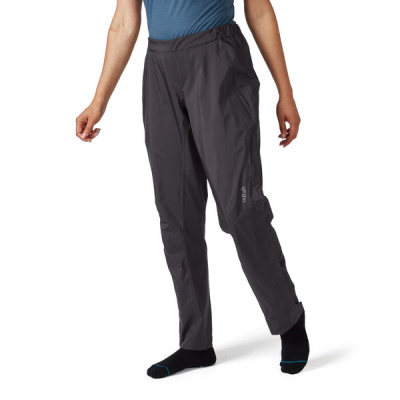
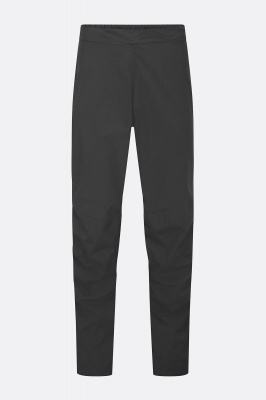
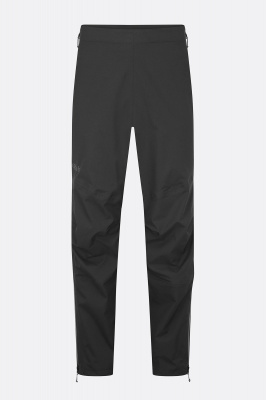
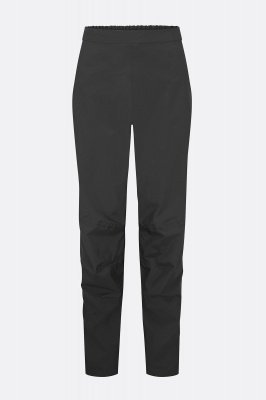
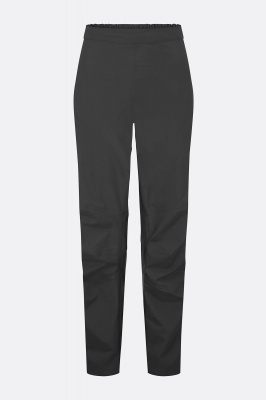
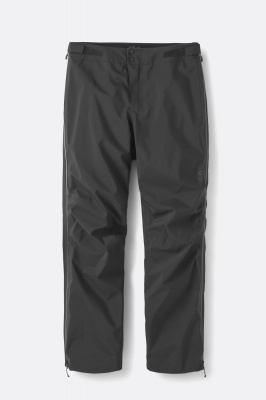
These aren't just emergency layers for the truly desperate, either. Articulated knees and ankle zips mean they're cut to work with your riding position, not against it.
Prices and availability can change quickly. Delivery charges are not always included in listed prices.
Final price, stock status and delivery terms are set by retailer. We may receive a commission on purchases made.
Fabric Tech and Weather Performance
The difference between staying dry and doing that grim full-kit change in a layby often comes down to fabric choice. Rab's Pertex Shield is a laminated waterproof membrane bonded to a lightweight face fabric - the kind of construction that keeps the packed size tiny and the weight down without sacrificing meaningful protection. You're looking at a solid hydrostatic head rating that handles sustained UK downpours, not just a shower-resistant finish that gives up when the rain gets serious.
Where Pertex Shield prioritises packability, Proflex shifts the balance toward movement and breathability. It behaves more like a stretchy softshell in terms of feel, but the waterproof membrane underneath means it handles the same conditions. That matters when you're climbing out of Dentdale into a headwind with rain coming sideways - the MVTR (moisture vapour transmission rate) is high enough to let sweat escape during hard efforts, which prevents the damp-from-the-inside misery that plagues less breathable options. Think of it as the difference between a proper two-way conversation and just shouting into the wind.
Neither fabric relies on fluorinated chemistry for its water repellency. The fluorocarbon-free DWR finish is better for the environment and, maintained correctly, performs just as well as older treatments through a typical UK riding season. If you're weighing up alternatives, Endura overtrousers lean heavily on Gore-Tex Paclite constructions, which offer comparable waterproofing at a different price point, while Altura overtrousers tend to target the commuter end of the market with simpler fabrics. Rab sits in a different conversation - trail-focused, technically credible, and comfortable being compared to mountain kit rather than just cycling kit.
Understanding the Rab Fit and Range
Rab's overtrousers are cut with the assumption that you're wearing something underneath - bib tights, liner shorts, or at minimum a base layer. That means the fit runs with enough room to layer without feeling baggy when you're not. For most riders, your normal size works fine. You don't need to size up just because they're overtrousers. That said, if you're planning to wear thick winter bib tights under them on a Peak District January ride, it's worth checking the specific product's fit notes before buying - some cuts are more generous than others.
Articulated knees are the feature that separates proper cycling overtrousers from ones that just look the part. They're pre-shaped to follow the knee's natural position on the bike, so you're not fighting fabric bunching at the top of every pedal stroke. Ankle zips are the other practical detail worth having - you can pull these on and off over cycling shoes without the full contortion act, which is exactly what you want when the weather changes fast mid-ride.
Looking for standalone riding pants rather than a waterproof outer layer? Explore our full range of Rab Trousers for dry-weather trail riding and commuting. For the complete wet-weather system, pairing these with a Rab jacket keeps the fabric tech consistent across top and bottom, which matters when you're out for hours rather than minutes. If you're putting together a longer bikepacking kit, Rab rucksacks are designed with the same emphasis on weather resistance and packability.
It's also worth knowing how Rab compares at the niche end. Patagonia overtrousers share Rab's environmental commitment and trail credibility, but the ranges and sizing conventions differ - worth a side-by-side comparison if you're undecided.
Layering and Care for UK Riding
Getting the layering right makes a real difference to how these perform. Over Rab bib shorts or thermal bib tights, the overtrousers sit close enough to move well without bunching. In mild but wet conditions - the kind of grey, drizzly October day that's neither cold enough for full winter kit nor warm enough to ignore - a lightweight base and bib tights underneath is often all you need. Add a mid-layer underneath for proper winter rides on exposed moorland or long descents where you're generating little heat.
DWR coatings degrade over time, and the main culprits are body oils, trail grit, and washing them with the wrong stuff. Wash Rab waterproof overtrousers at 30°C using a technical cleaner - Nikwax Tech Wash is the standard recommendation. Biological detergents and fabric softeners both damage the DWR finish, so avoid them entirely. After washing, tumble dry on a low heat setting. The heat is what reactivates the DWR and gets it beading water properly again - skip this step and you'll wonder why the fabric is wetting out after one muddy ride. If the DWR needs more help, apply a Nikwax reproofer while the garment is still damp from washing, then tumble dry as normal.
How often you reproof depends on how hard you're riding. After heavy use on wet UK trails - the kind of sessions where mud gets everywhere and the fabric takes a battering - a reproof every few washes keeps things performing as they should. It takes ten minutes and adds months to the garment's useful life. Don't leave it until the fabric is fully wetting out before doing it.
Rab Overtrousers FAQs
Are Rab overtrousers true to size for cycling?
Generally yes - Rab overtrousers are cut to fit comfortably over standard riding kit, so you won't usually need to size up. If you're planning to wear heavier winter layers underneath, check the specific product's fit description, as the cut varies between models.
How do I wash and reproof Rab waterproof overtrousers?
Wash at 30°C with a technical cleaner like Nikwax Tech Wash - avoid biological detergents and fabric softeners, which both damage the DWR finish. To restore water repellency, apply a reproofer while the garment is damp and tumble dry on a low heat setting to reactivate the coating.
Are Rab overtrousers breathable enough for hard riding?
Yes. Both Pertex Shield and Proflex fabrics offer high MVTR ratings, meaning sweat vapour escapes efficiently during hard efforts. Proflex in particular sits close to softshell territory for breathability, which keeps the damp-from-the-inside feeling at bay on sustained climbs.