
Rab Jackets
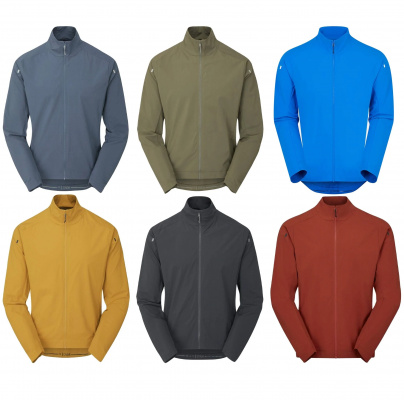
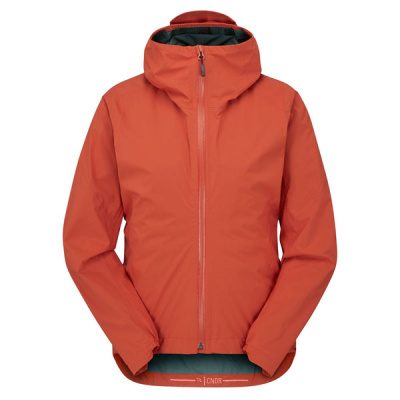
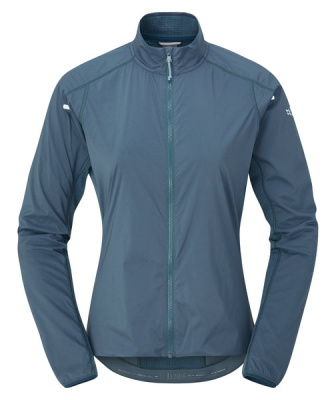
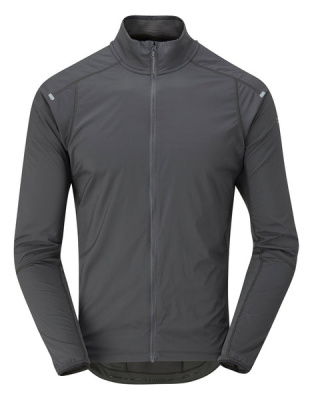
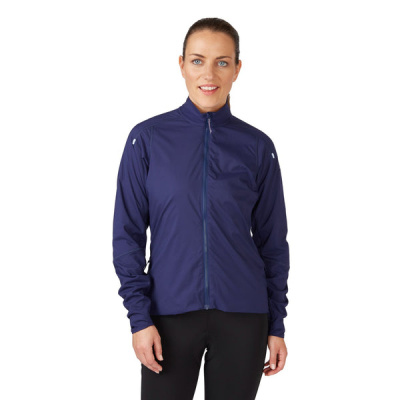
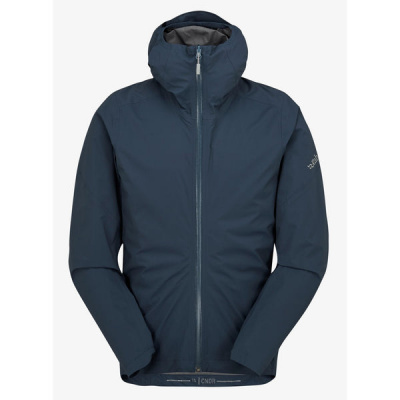
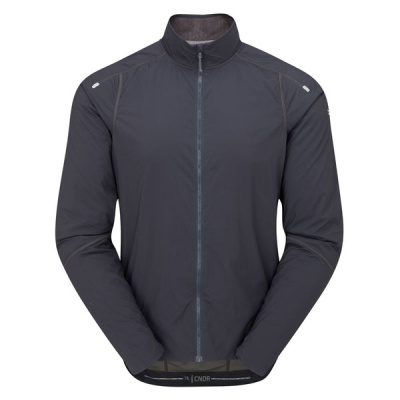
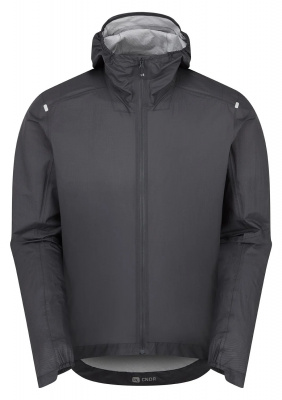
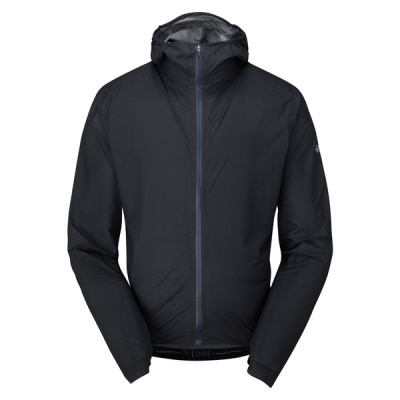
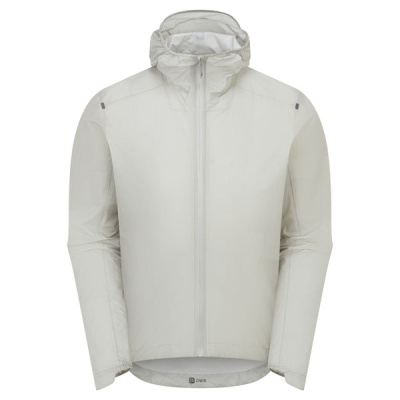
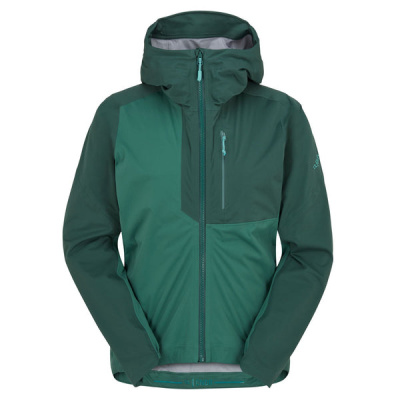
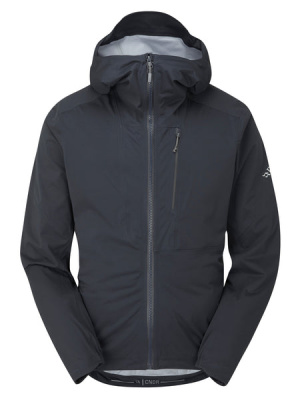
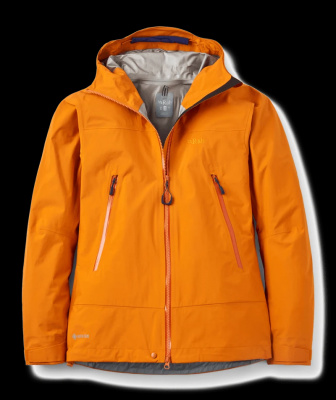
Rab cycling jackets bring decades of mountain weather engineering directly to the bike - and it shows in every seam. The Cinder range is where that expertise lands hardest, offering hardshell-grade waterproofing paired with the kind of stretch and breathability you actually need when you're grinding up a soaking Welsh climb at threshold. That dreaded boil-in-the-bag feeling? Rab's Proflex fabric goes a long way to preventing it, using a highly breathable yet fully waterproof construction that moves with you rather than fighting every pedal stroke.
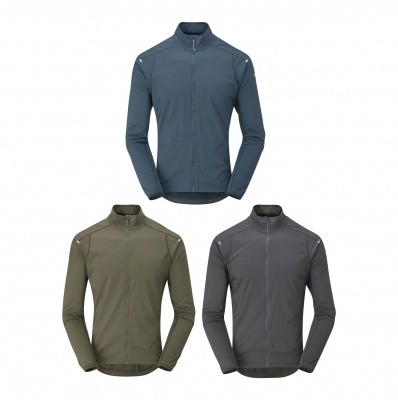
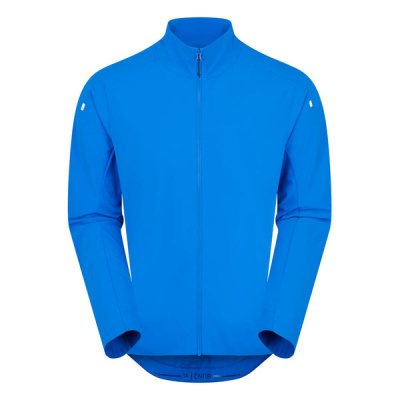
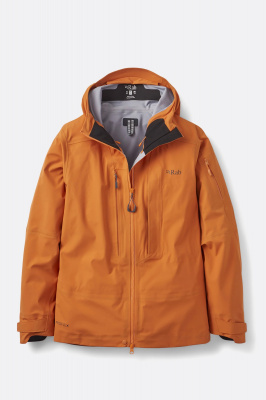
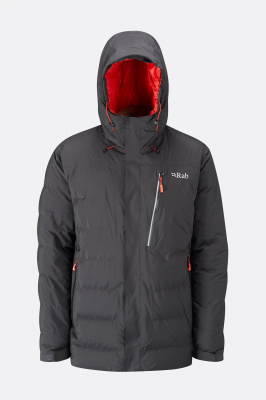
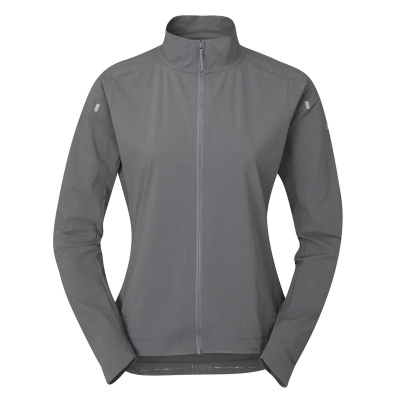
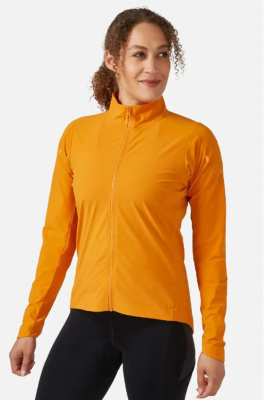
Pertex Shield models sit alongside as lighter, more packable options - the sort of jacket you stuff into a jersey pocket on a mixed-forecast day in the Dales and don't think about until the sky turns grey. Both fabric families sit on a chassis built specifically for riding: dropped rear hems that cover your lower back in the attack position, extended sleeves that reach your wrists when your hands are on the bars, and over-helmet compatible hoods with single-hand adjustment. Taped seams and durable DWR coatings round out the protection package.
Whether you're a gravel rider doing long loaded days or a mountain biker who wants a proper shell over knee pads, there's a Rab jacket cut for your kind of riding.
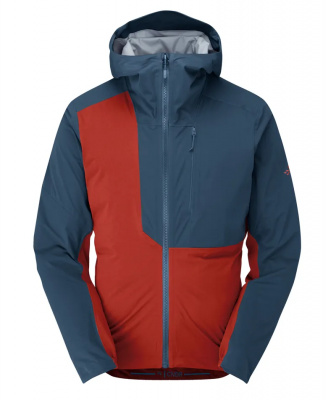
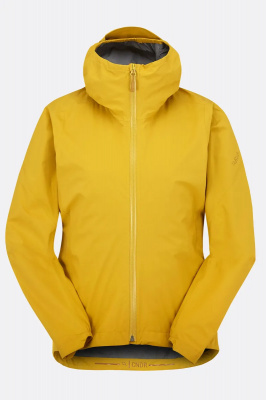
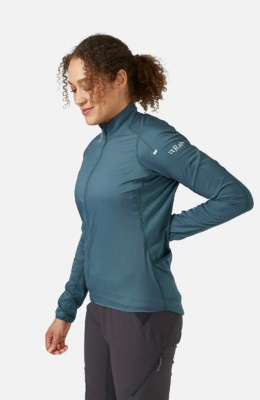
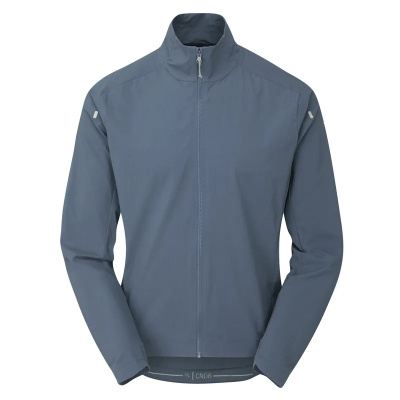
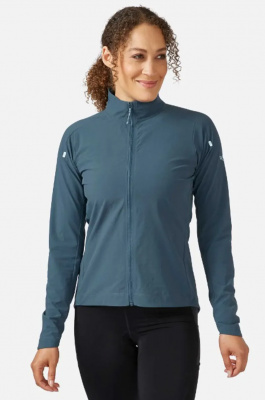
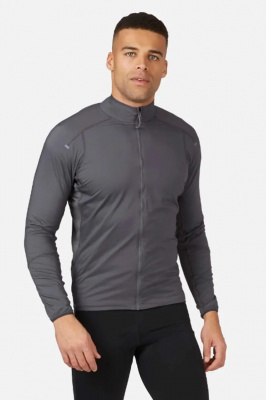
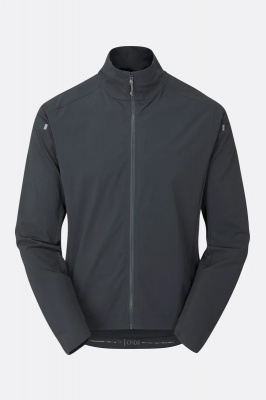
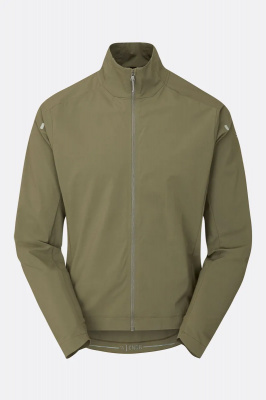
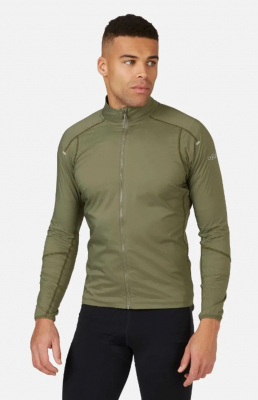
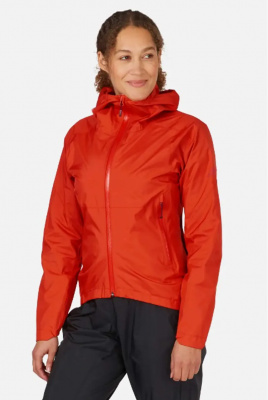
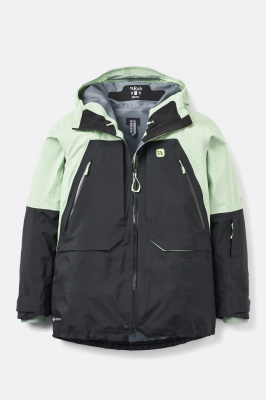
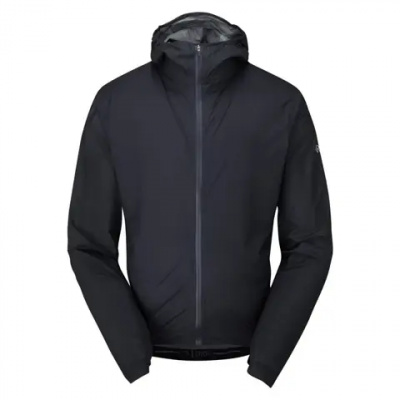
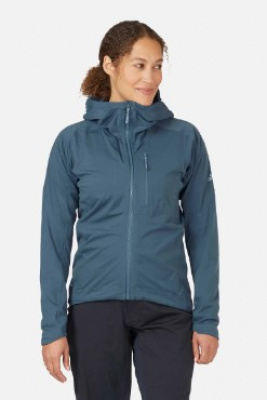
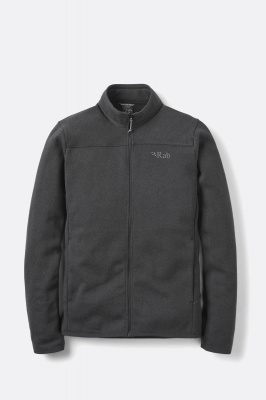
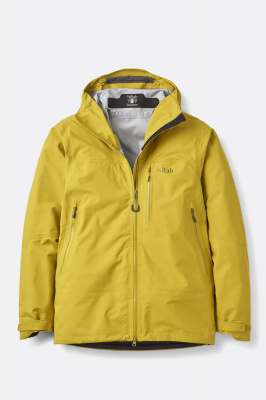
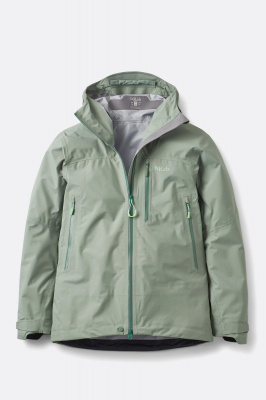
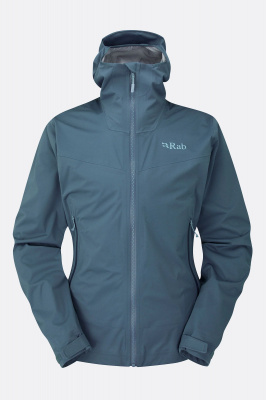
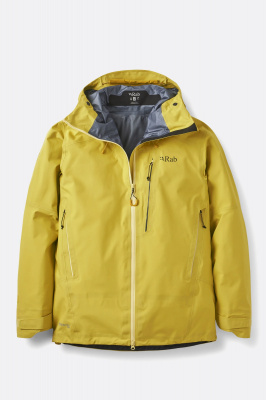
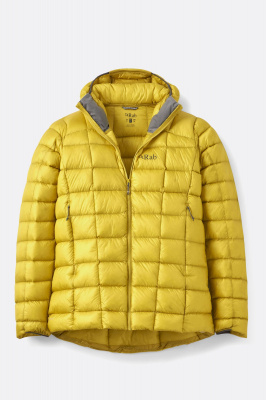
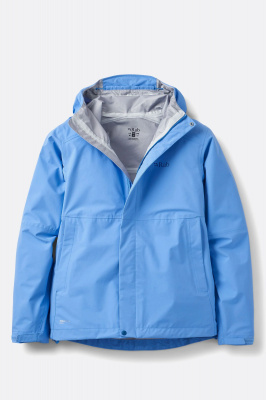
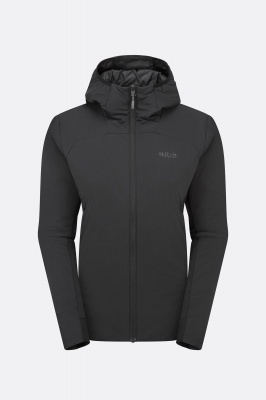
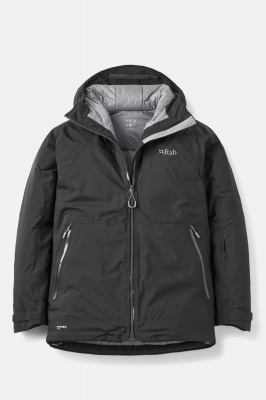
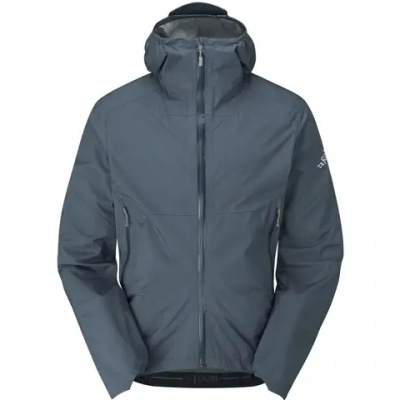
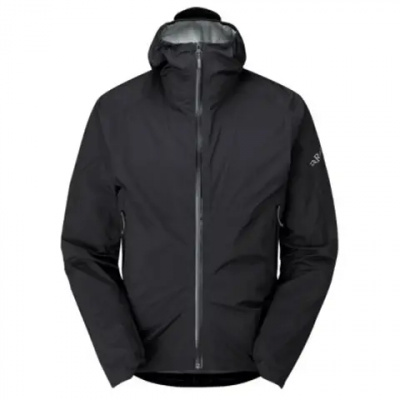
Prices and availability can change quickly. Delivery charges are not always included in listed prices.
Final price, stock status and delivery terms are set by retailer. We may receive a commission on purchases made.
Proflex and Pertex Shield: What the Fabrics Actually Do
The two fabric platforms in the Rab cycling jacket lineup solve different problems, and knowing which you need saves a lot of post-ride regret. Proflex is the more technically ambitious of the two - a stretchy, highly breathable waterproof laminate that behaves closer to a softshell in terms of freedom of movement, while maintaining genuine hardshell weather resistance. On steep, wet climbs where your output is high and the rain is horizontal, Proflex manages moisture vapour transfer far better than rigid three-layer constructions. It doesn't turn you into a mobile sauna.
Pertex Shield takes a different angle: minimal weight, serious packability, and reliable shower protection that earns its keep as an emergency or transition layer. It's the fabric for riders who need something they won't notice until they need it. Both fabrics carry fully taped seams on the Cinder range, so water infiltration through stitch lines isn't a conversation you'll be having mid-ride. The face fabrics are also tough enough to handle abrasive grit and trail mud - a relevant consideration on UK gravel where stone dust and clay cling to everything. DWR coatings shed light rain before it can saturate the outer layer, keeping the breathability working as designed rather than being choked by a wet face fabric. Worth noting: DWR degrades with use and washing, but it's fully revivable - more on that below.
If you're weighing Rab against other dedicated cycling outerwear specialists, 7mesh jackets also use Gore-Tex Active laminates at the premium end, while Endura jackets offer a broader range of price points across similar waterproof categories - useful context for budget decisions.
The Cinder Range: Fit, Cut, and Who Each Style Suits
Rab's Cinder collection is the clearest expression of bike-specific articulation in their lineup. The dropped rear hem is the detail that matters most - it's longer at the back to stay tucked in when you're bent over the bars, so you're not constantly tugging fabric down at traffic lights or on long descents. Extended sleeves serve the same logic: measure a jacket standing up and it looks oversized; put it on a bike and the proportions make sense immediately.
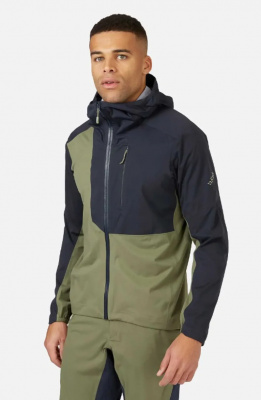
The Cinder gravel cut runs fairly close-fitting, which works well under a pack's hip belt on bikepacking trips and reduces flapping on exposed ridge roads. The MTB-oriented cuts give slightly more room through the torso and shoulders - enough to wear over light body armour without the jacket turning into a straightjacket on technical drops. Neither fit is baggy for the sake of it; Rab's mountain background means they understand that excess material in a rainstorm is just a liability.
Sizing runs true for most riders. If you're planning to layer a thermal jersey and a mid-layer underneath for deep winter riding, go up one size - you want movement, not compression, when you're fully kitted.
Looking for core warmth without the sleeves? Our Rab gilets cover that gap well. Need something for off-bike warmth at the café stop or post-ride? Browse Rab jerseys for lighter layering options.
The over-helmet compatible hood with single-hand adjustment is a detail worth calling out - it's not universal on cycling jackets, and on a Rab MTB jacket specifically, being able to pull the hood on over your lid without removing it mid-descent is genuinely useful rather than a spec-sheet tick.
Compared to Albion jackets, which lean more towards the gravel-touring aesthetic, Rab's Cinder range skews slightly more technical and trail-focused - a different emphasis rather than a quality gap.
Layering Logic and Keeping the DWR Working
A breathable waterproof cycling jacket from Rab is only as effective as what you put under it. Pair Proflex or Pertex Shield with a moisture-wicking base layer as the foundation - merino or a synthetic grid fleece both work, the key is that they move sweat away from your skin rather than holding it. Over that, a thermal jersey or lightweight fleece mid-layer adds insulation without blocking vapour transmission. The jacket sits on top and handles everything the sky throws at you. Three layers, none of them thick, and you stay comfortable across a wide temperature range.
For genuinely cold, wet conditions - think a January ride in the Pennines or a February bikepacking overnighter - you might add a thin insulated gilet between the mid-layer and the shell. Keep the insulation compressible so the jacket can still move freely across your back.
On DWR care: this is where a lot of riders lose performance without realising it. Washing a jacket regularly in standard detergent strips the DWR, and once it's gone the face fabric wets out, breathability drops dramatically, and the jacket feels damp from the inside even though it hasn't leaked. Wash Rab jackets with a technical cleaner - Nikwax Tech Wash is the standard recommendation - and then tumble dry on a low heat setting. The warmth reactivates the DWR and restores the beading effect you had when the jacket was new. Do it every few washes, not as an annual event, and the jacket earns its keep for years.
Pair your jacket with Rab overtrousers on genuinely wet days - a matched shell system in the same fabric family keeps moisture management consistent top to bottom, which makes a real difference on long days out.
Rab Jackets FAQs
Are Rab jackets good for cycling?
Rab's dedicated Cinder cycling range adapts their well-established mountain weather protection specifically for riding. Dropped rear hems, extended sleeves, and over-helmet compatible hoods make them genuinely bike-specific rather than repurposed hiking shells. For gravel riders, bikepackers, and mountain bikers riding in UK conditions, they're a serious option.
How does Rab Proflex technology work for cyclists?
Proflex combines waterproof protection with a high degree of stretch and vapour transmission - closer to a softshell in feel, but with hardshell weather resistance. On hard climbs in the rain, it allows sweat vapour to escape far more effectively than rigid laminates, reducing the overheating effect that makes lesser jackets feel so unpleasant at high effort.
Do Rab cycling jackets fit true to size?
Generally yes - the Cinder range is cut to fit accurately in the riding position without excess bulk. If you're planning to layer a thermal jersey and a mid-layer underneath for winter bikepacking, sizing up one step gives you the movement you need without the jacket pulling across your shoulders.