
Rab Trousers
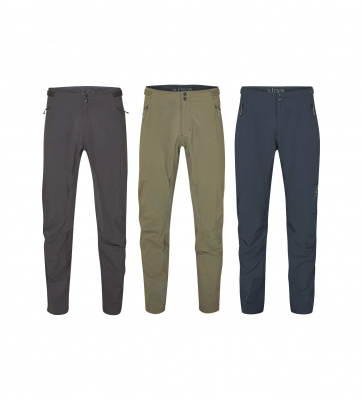
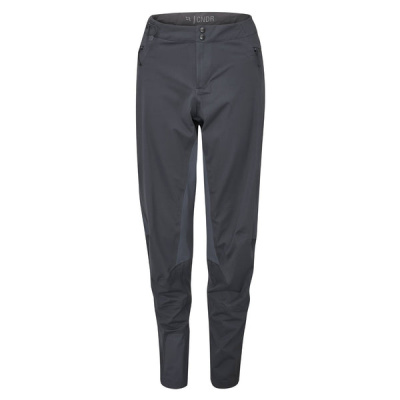
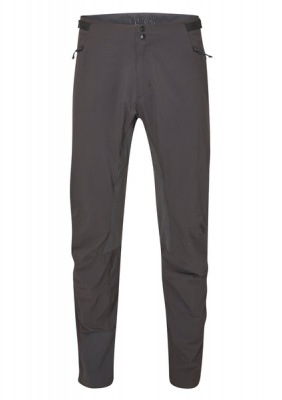
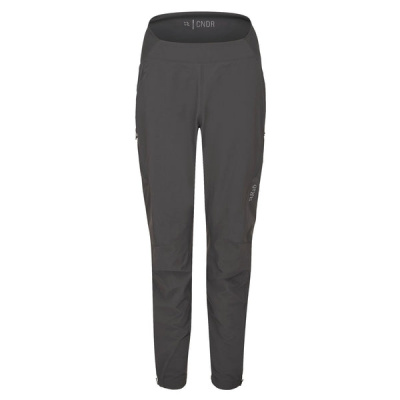
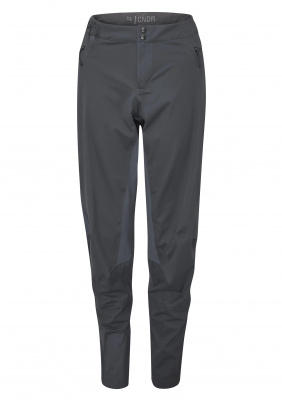
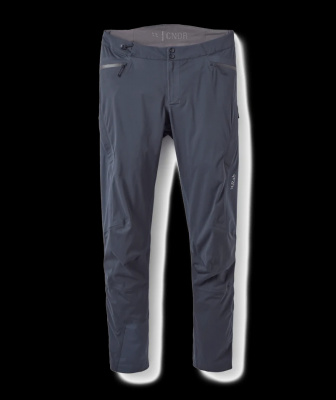
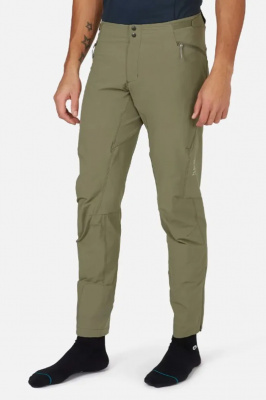
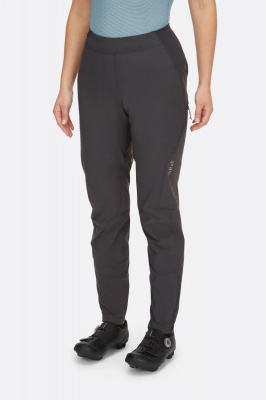
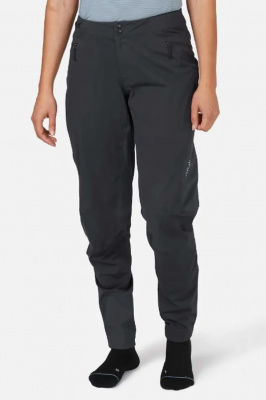
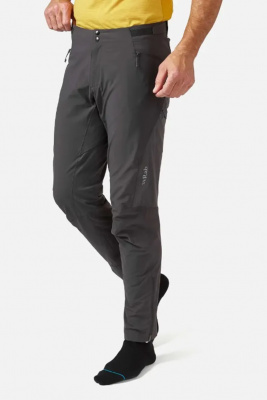
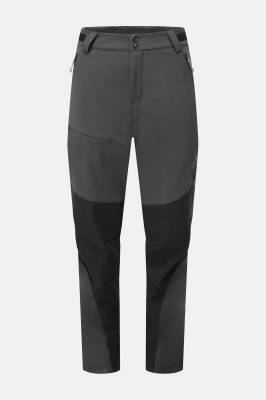
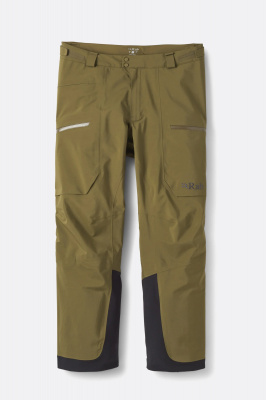
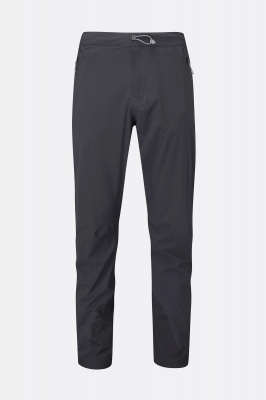
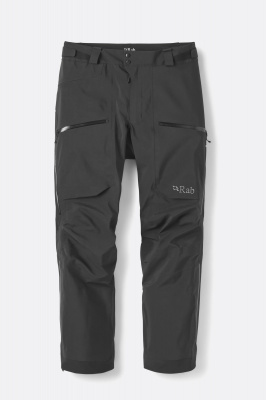
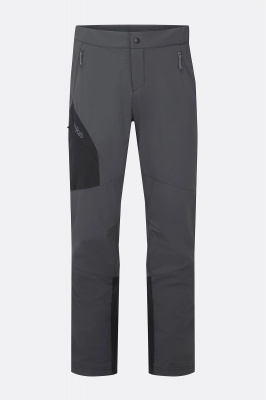
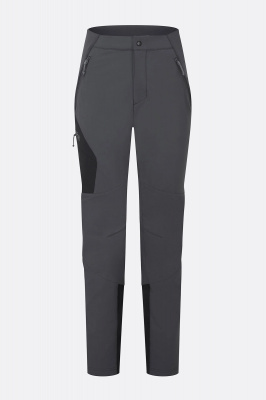
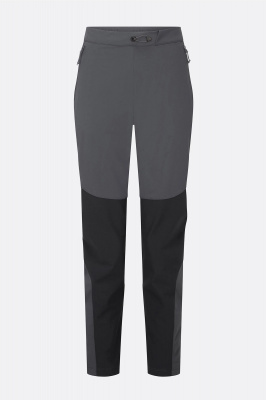
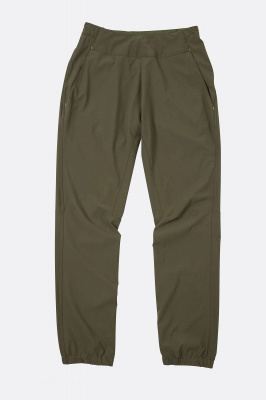
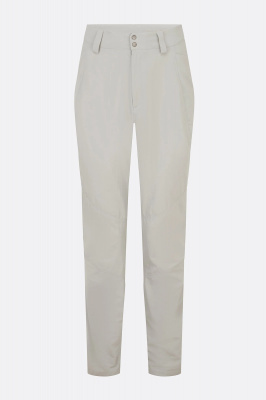
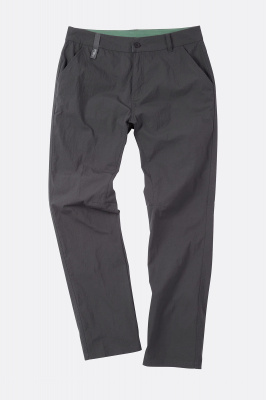
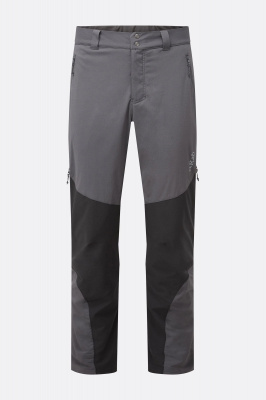
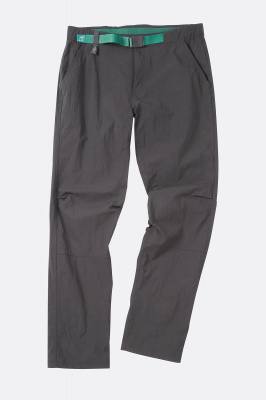
Rab trousers have earned a serious following among UK riders who've grown tired of choosing between waterproof shells that cook you alive and lightweight bottoms that fold the moment a squall rolls in off the moors. The Cinder range sits squarely in that gap - softshell trousers designed around the demands of gravel riding, bikepacking, and trail use, rather than simply borrowed from the hiking aisle and rebranded.
What makes them worth your attention is the combination of Matrix™ softshell fabric and a fluorocarbon-free DWR coating. That pairing gives you genuine wind resistance and enough weather repellency to handle puddle spray and passing showers, without the suffocating feel of a full waterproof. Breathability is the priority here - these are built for high-output pedalling, not standing around at a summit.
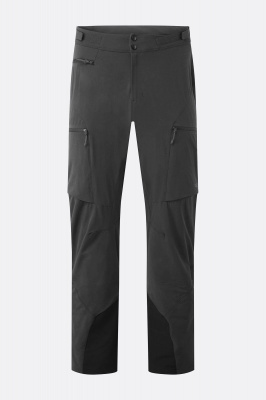
The fit is bike-specific too. Articulated knees follow your pedal stroke naturally, the drive-side hem is reinforced and tapered to stay clear of your chainring, and there's room to slot in slim knee pads if your local trails demand it. Whether you're grinding out a wet moorland loop or halfway through a multi-day bikepacking route, the Cinder range is designed to keep moving with you.
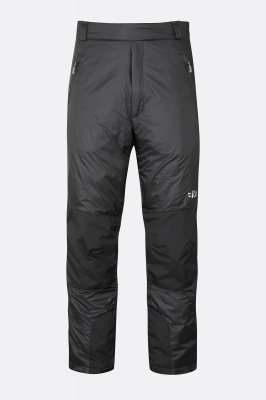
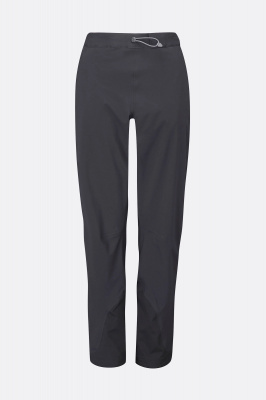
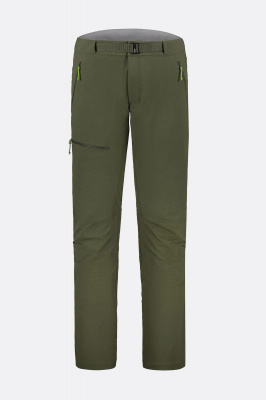
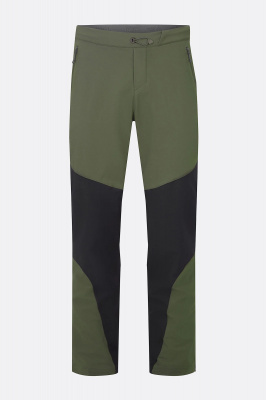
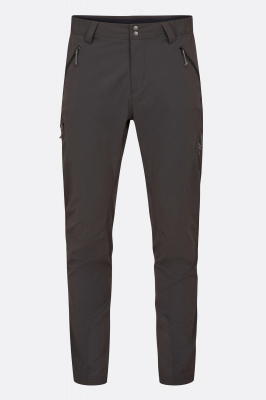
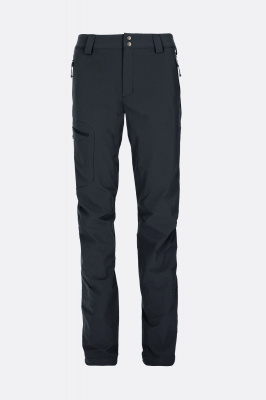
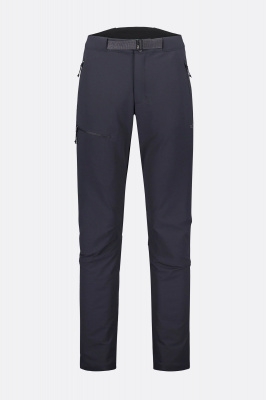
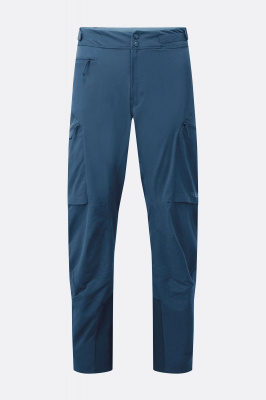
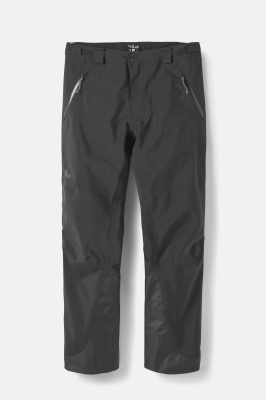
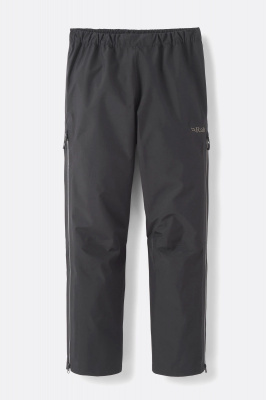
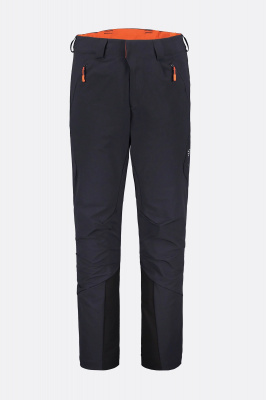
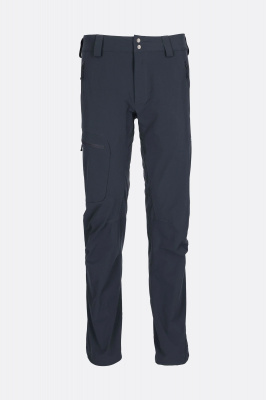
Prices and availability can change quickly. Delivery charges are not always included in listed prices.
Final price, stock status and delivery terms are set by retailer. We may receive a commission on purchases made.
Fabric Tech & Weather Performance: Built for British Riding
The Matrix™ softshell fabric at the core of Rab's cycling trousers does a specific job well: it blocks wind without sealing you inside a sweat chamber. On an exposed moorland climb or a long gravel drag into a headwind, that wind resistance is genuinely useful - the kind of thing you notice in the first ten minutes of a ride when a cheaper pair of trousers is already flapping and chilling your legs. Matrix™ achieves this while remaining highly breathable, so when you're working hard on a technical ascent or pushing pace on a loaded bikepacking day, excess heat has somewhere to go.
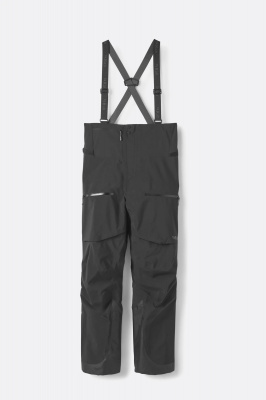
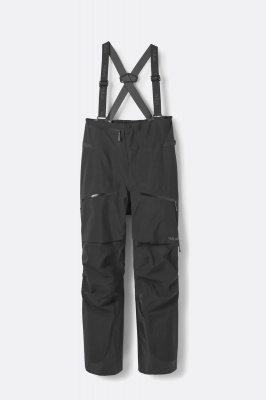
Layered over that is a fluorocarbon-free DWR coating. It's worth being clear about what DWR does and doesn't do - it repels light rain, puddle spray, and the kind of persistent drizzle that defines a good chunk of UK riding from October through April. Water beads off the fabric rather than soaking in and dragging the trousers down. What it won't do is keep you dry in prolonged heavy rain; that's a different product category entirely. Think of the DWR as your first line of defence, not a full waterproof membrane. For days when the forecast genuinely looks grim, Rab overtrousers are what you want over the top.
The fabric also handles the abrasive side of trail riding reasonably well. Saddle friction, muddy grit, and the general punishment of repeated outdoor use are things softshell materials cope with better than most people expect - and they're straightforward to clean after a proper bog-fest.
Fit, Range, and What's Going On at the Seams
The Cinder range is where Rab's bike-specific thinking is most visible. The articulated knees are pre-curved to match your natural position on the bike, which sounds like marketing until you've worn a pair of hiking trousers on a long ride and felt that constant pulling resistance behind the knee. Here, you don't get that. The cut works with your pedal stroke rather than against it, and there's enough strategic stretch in the fabric to accommodate the full range of motion without bagging out at the knee after a few hours.
The drive-side hem is reinforced and tapered - a small detail that matters more than it should. A loose hem catching on your chainring mid-descent is genuinely annoying, and on a bikepacking trip where you're clocking big days, avoiding that friction point is worth having. The Cinder trousers handle it without you needing to reach for a velcro strap or roll anything up.
For riders who wear knee pads, the fit around the knee is designed to accommodate low-profile options without bunching. That's relevant if you're running these on rougher MTB trails where you'd normally grab Rab MTB baggy shorts but want more leg coverage for an early season ride. Zippered thigh vents give you a quick way to dump heat on sustained climbs without stripping a layer - useful when the temperature is hovering in that awkward late-autumn range where you're neither warm nor cold.
Sizing runs true to Rab's outdoor apparel across the range, but the Cinder fit is noticeably slimmer through the calf than a standard hiking trouser. That's intentional. If you're coming from Endura trousers or Fox trousers, the Rab cut will feel more tailored and less relaxed - which works in favour of aerodynamics and chain clearance, though riders who prefer a baggier leg might need to size up or look at a different style.
Looking for fully waterproof shell pants for torrential downpours? We don't cover those here - head over to our dedicated Rab Overtrousers page for full wet-weather protection.
Layering, Pairing, and Keeping Your DWR Alive
These trousers work hardest as part of a considered layering system. On the bike, the question is usually what you're wearing underneath. For longer rides or bikepacking days with variable temperatures, pairing the Cinder trousers with Rab liner shorts gives you saddle comfort without adding bulk - the liner does the chamois work while the trousers handle the weather. It's a cleaner solution than cramming a padded bib under a stiff softshell.
On top, a Rab jacket in a compatible softshell or windshell fabric keeps the system coherent. Mixing very different fabric weights or textures between upper and lower body can create odd pressure points and uneven warmth. Keeping it within the same range generally means the pieces work together rather than against each other. You can also layer a Rab jersey underneath for core warmth on colder days without the system feeling bulky.
Care matters more than most riders realise. Biological detergents strip DWR coatings - wash your softshell trousers at 30°C using a technical cleaner designed for outdoor fabrics. Tumble dry on a low heat setting after washing; the gentle warmth reactivates the DWR and gets water beading properly again. If you're finding water is soaking in rather than beading off even after a wash cycle, a spray-on re-proofing treatment will bring it back. It's a five-minute job and makes a genuine difference over a winter of regular riding.
Store them loosely rather than compressed if you can - softshell fabrics don't love being packed tight for extended periods, and a bit of airflow keeps them performing longer between washes.
Rab Trousers FAQs
Are Rab cycling trousers fully waterproof?
No - standard Rab cycling trousers rely on a DWR coating to repel light rain and trail spray. They're designed to prioritise breathability during hard pedalling. That works well for typical UK showers and puddle splash, but in sustained heavy rain you'll want dedicated waterproof overtrousers pulled over the top.
How does the Rab Cinder trouser fit compare to normal outdoor pants?
Noticeably slimmer, particularly through the calf. The Cinder range uses a bike-specific articulated cut with pre-curved knees and a tapered drive-side hem to prevent chain snag. There's strategic stretch for pedalling mobility and enough room around the knee for slim pads - but it's a more tailored fit than a standard hiking trouser.
How do I wash my Rab softshell trousers to maintain water resistance?
Wash at 30°C with a technical fabric cleaner - biological detergents break down the DWR coating over time. Tumble dry on a low heat setting to reactivate the finish. If water stops beading off the fabric even after washing, a spray-on re-proofing treatment will restore the repellency. Do it before it stops working, not after.