
Rab Rucksacks
Rab rucksacks bring proper mountain-tested engineering to the bike - and in the UK, that matters more than most brands want to admit. Built around highly abrasion-resistant TriShield® fabric and the articulated Air Contour™ carry system, these packs are designed to flex with your body rather than fight it, whether you're grinding up a Peak District climb or threading through morning traffic. That distinction is worth paying attention to: a pack that shifts on a technical descent or soaks through on a wet Wednesday commute isn't doing its job.
Rab's background is in high-altitude mountaineering, which means their materials and construction standards are well above what most cycling-specific brands bother with. HydroShield water resistance and durable DWR finish coatings handle the UK's reliably unreliable weather without adding bulk, while ripstop nylon base panels shrug the kind of grit and edge-contact abuse that trail riding dishes out regularly. Add hydration compatible sleeves with hose routing across the active range, plus dedicated attachment loops that work with rear lights for low-light winter riding, and you've got a kit bag that's thought through from the trailhead to the office door.
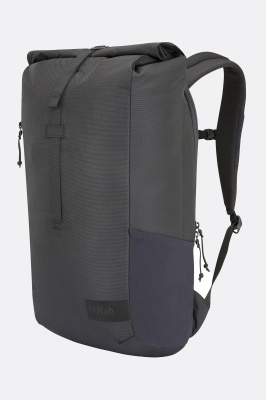
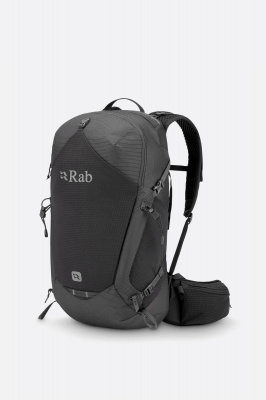
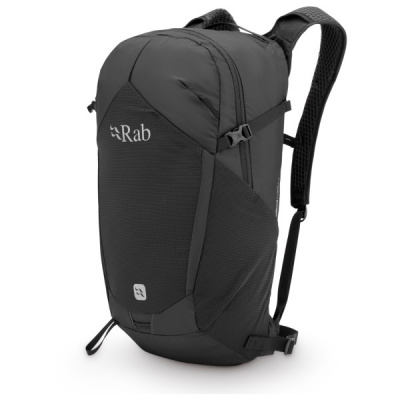
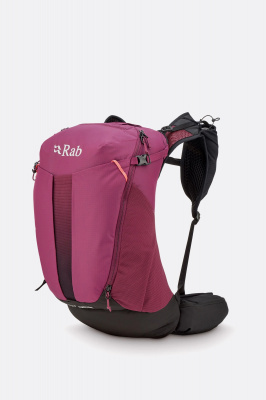
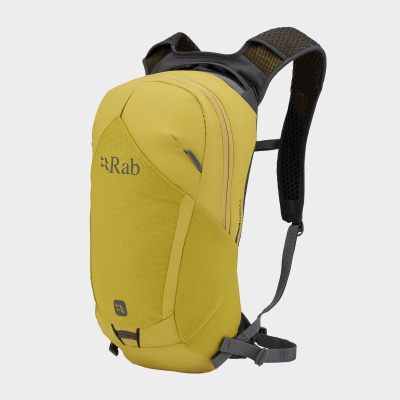
Prices and availability can change quickly. Delivery charges are not always included in listed prices.
Final price, stock status and delivery terms are set by retailer. We may receive a commission on purchases made.
Harness Systems and Riding Position Compatibility
The biggest question with any rucksack on a bike isn't capacity - it's whether the thing stays put when you're bent over the bars. Rab's Air Contour™ X carry system addresses this directly. The back panel is pre-curved to match a forward riding position, which means the contact points sit correctly whether you're on a 70-degree road geometry or a slacker trail bike. That pre-curve isn't just comfort dressing; it stops the pack rocking laterally when you stand out of the saddle on a steep climb, which is exactly when a poorly fitted bag becomes genuinely annoying.
The adjustable sternum strap does a lot of quiet work here. Set it correctly - snug but not compressing your chest - and it locks the shoulder straps into a fixed track, preventing that pendulum effect on rougher ground. Models with hip belts add another layer of stability for heavier loads, transferring weight down toward your centre of gravity rather than letting it hang off your shoulders. If you're running a 2L or 3L hydration bladder, the internal sleeve keeps it flat against the back panel, and the hose routes cleanly out through a dedicated port without snagging on your collar or helmet strap. Straightforward to set up, and it stays tidy on the move.
Rab Rucksack Hierarchy: Which Pack Fits Your Ride?
Rab's active pack range breaks into two clear camps, and picking the wrong one will leave you either carrying more than you need or running out of space mid-ride. Start with what you're actually putting in the bag and how long you're out.
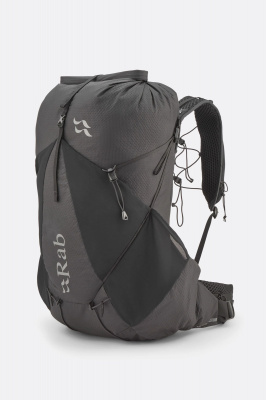
The Aeon series is the one most cyclists should look at first. It's built as a premium all-rounder, balancing load capacity with the dynamic flex the Air Contour™ X system delivers. For MTB day rides in the Welsh trail centres or fast-paced commuting where the bag needs to go from bike to desk without looking like you've dragged it through a ford, the Aeon hits the mark. Back panel ventilation is genuinely considered rather than token, and the organisational layout suits riders who carry layers, a pump, and a snack without wanting to unpack everything to find the latter. If you're comparing this range against something like EVOC rucksacks or CamelBak rucksacks, the Rab wins on fabric quality and weather resistance; the trade-off is that Rab packs aren't purpose-built for cycling in the same feature-specific way - you won't find integrated helmet carry or spine protector pockets here.
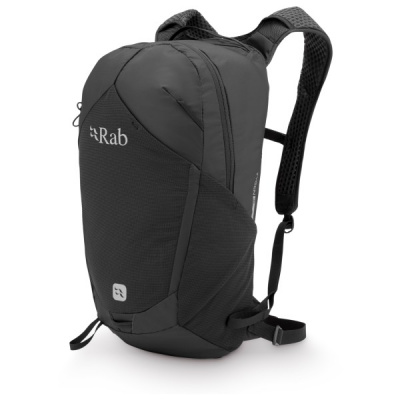
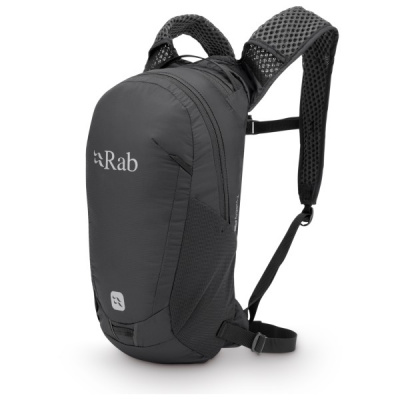
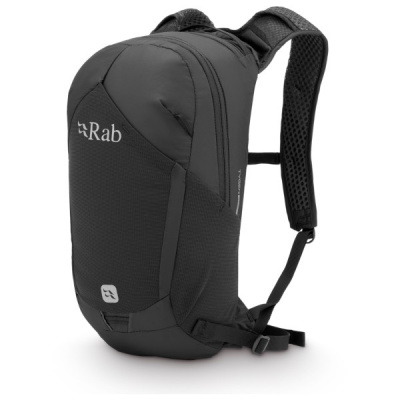
The Tensor series is for riders who treat every gram as a negotiation. Stripped back, low-profile, and genuinely light, it suits fast trail runs or commutes where you're not carrying much beyond a waterproof and a lock. Less structure means less stability under heavier loads, so if you're regularly carrying more than five or six kilos, the Aeon is the more sensible call. For those who also want to compare a more cycling-specific budget option, Altura rucksacks are worth a look at the commuter end.
If you need to shift a full kit bag to a race or sportive - spare wheels, multiple layers, full kit changes - a rucksack isn't the tool for that job. Rab holdalls handle bulk transport far better, and they're worth checking alongside the rucksack range if you're kitting out properly for event days.
Surviving UK Weather: Durability and Maintenance
UK riding means wet. Not just damp - properly wet, with gritty spray off the wheel, puddle splash from passing cars, and the kind of horizontal drizzle that finds every gap in your kit. Rab's HydroShield water resistance and DWR-treated ripstop nylon fabrics handle everyday exposure well. The face fabric beads water off rather than absorbing it, and the ripstop weave resists the abrasion you get from fence posts, trail debris, and repeated contact with bike frames during carrying.
Worth being clear on waterproofing, though: HydroShield and DWR are water-resistant treatments, not full waterproofing. In a sustained downpour - think a long Scottish descent in November - water will eventually work through high-stress points and seams if you haven't got a rain cover or internal dry bags protecting your valuables. For a winter commute where you're out for 45 minutes in heavy rain, lining the main compartment with a dry bag for your electronics is a sensible habit rather than a workaround. Pair the rucksack with a Rab jacket using the same DWR tech and you've got a coherent wet-weather system.
Maintenance is where people go wrong. Machine washing is the quickest way to strip the DWR coating from the face fabric, which means water starts to wet-out and soak in rather than bead off. Instead, sponge the pack down after muddy rides using a technical gear cleaner - Nikwax Tech Wash works well - and allow it to dry naturally away from direct heat. Once a season, or whenever you notice the water beading has dropped off, reapply a DWR spray to the outer fabric. It takes ten minutes and extends the effective life of the pack considerably. If you're running it hard through winter, a quick wipe-down after each wet ride keeps the ripstop base panels free of the grit that degrades the fabric from the inside out. Rab overtrousers benefit from the same care routine, for what it's worth.
One practical note: the reflective details on Rab's active packs are subtle rather than high-vis. For low-light winter commuting, clip a rear light to the pack's attachment loop rather than relying on passive reflection alone. Deuter rucksacks take a more cycling-specific approach to visibility if that's a priority for your commute.
Rab Rucksacks FAQs
Are Rab rucksacks suitable for cycling?
Yes, particularly models featuring the Air Contour™ or Air Contour™ X back system, which uses a pre-curved panel designed to sit correctly in a forward riding position. Choose a model with both a sternum strap and hip belt if you're riding technical trails - they prevent lateral shift when you're pushing hard out of the saddle.
Are Rab backpacks fully waterproof?
Not fully waterproof - Rab rucksacks use HydroShield water resistance and DWR-treated fabrics that handle UK showers and spray reliably well. In sustained heavy rain, seams can eventually let water through. For a winter commute or long wet day out, line your main compartment with an internal dry bag to protect electronics and keep the DWR treatment reproofed annually.
Can I fit a hydration bladder in a Rab rucksack?
Yes. Active daypacks across the Aeon and Tensor series include an internal hydration sleeve with a dedicated hose routing port, compatible with standard 2L and 3L cycling bladders. The sleeve keeps the bladder flat against the back panel, which helps with weight distribution and stops it sloshing around on technical ground.