
QUOC Overshoes
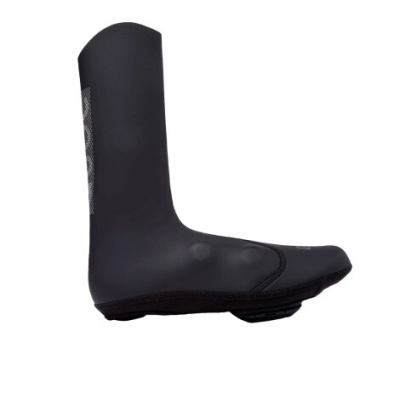
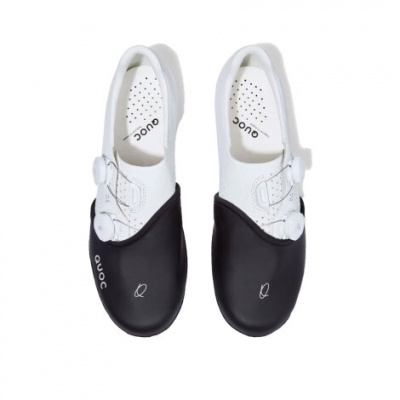
QUOC overshoes sit at the sharper end of what cycling footwear protection can look like - clean lines, considered construction, and a fit that doesn't fight with the shoes underneath. Cold road spray and biting headwinds are the two things that'll end a winter ride faster than a puncture, and that's exactly the problem these are built to solve. QUOC approaches overshoes the same way it approaches its shoe designs: nothing gratuitous, nothing compromised. You get polyurethane outers that block wind and shed water, taped seams that stop road spray creeping in at the stitching, and neoprene insulation that keeps working even when conditions turn properly grim. Reinforced panels around the toe and heel mean the daily ritual of unclipping and café-stop shuffles won't wear through the material inside a season. Whether you're pairing them with the QUOC road shoe range for winter base miles or pulling them over your QUOC MTB and gravel shoes for a damp mixed-surface day, the fit is designed to work with QUOC's own lasts rather than against them. That coherence matters more than it sounds.
Prices and availability can change quickly. Delivery charges are not always included in listed prices.
Final price, stock status and delivery terms are set by retailer. We may receive a commission on purchases made.
Fabric Tech and Weather Performance
The outer layer does most of the heavy lifting. A polyurethane coating gives the shell its windproof and water-resistant character - PU is denser and more durable than a simple DWR spray finish, so it doesn't lose its effectiveness after a handful of wet rides the way lighter treatments can. Taped seams back that up by sealing the points where stitching would otherwise let road spray wick through. On a proper UK winter ride - think spray coming off lorry wheels on the A-road, or puddles that are deeper than they look - that combination is what keeps your feet dry rather than just damp-resistant.
Underneath, neoprene insulation traps a layer of warmth against your foot. Neoprene's particular trick is that it retains heat even when it gets wet from the inside, so when your feet do generate some sweat on a longer effort, you're not suddenly sitting in cold damp. It's the same logic that makes it the default for winter wetsuit construction. Thicker neoprene means more warmth but less packability - worth thinking about if you're folding overshoes into a jersey pocket for a ride that might turn cold later.
The areas that take the most punishment - toe box and heel - typically feature abrasion-resistant reinforcement, with some models using Kevlar-reinforced panels. Walk to the coffee counter in clipless road shoes and you'll know exactly why that matters. Reflective detailing on the rear and sides adds low-light visibility without cluttering the overall look. For riders putting in miles through November dusk or early January mornings, that's a practical detail rather than a cosmetic one. Compared to alternatives like Spatzwear overshoes, which lean heavily into aero stretch fabrics, QUOC's approach prioritises structural weather protection - a different trade-off that suits longer, colder rides over short sharp efforts.
Understanding the QUOC Fit and Range
Getting the size right is the one thing that separates a well-functioning overshoe from a frustrating one. With QUOC, the sizing logic is straightforward: match the overshoe size to your cycling shoe size. Where it gets slightly more nuanced is when you're pulling them over a bulkier sole - a gravel or MTB shoe with a chunkier outsole profile sits differently under an overshoe than a low-stack road shoe, and if you're between sizes, going up is the safer call. An overshoe that's too tight will stress the rear zip and the seams, and both will fail before the season's out.
QUOC's footwear lineup ranges from the more structured road-focused builds to relaxed-geometry gravel and touring designs like the Gran Tourer, and the overshoe fit reflects that breadth. Narrower lasts - typical of QUOC's road models - will fit more precisely in the corresponding overshoe sizing, while wider, more voluminous gravel shoes may benefit from that half-size bump. Check the base cutout geometry on the specific model you're looking at. QUOC overshoes are designed with cleat compatibility in mind, offering cutouts that accommodate both 3-bolt SPD-SL road cleats and 2-bolt SPD systems used across gravel and MTB riding. The cutout needs to be wide enough that it doesn't snag on the cleat during engagement, particularly when you're clipping in after a gate or a muddy section where your aim isn't perfect.
Rear zips are the standard closure method, typically running from heel to mid-calf. Water-resistant zip construction helps, but keeping the zip clean is what actually keeps it functioning - more on that below. If you're comparing fit philosophy with something like Endura overshoes, which tend to offer a slightly more generous cut for layering, QUOC's fit is trimmer and more shoe-specific. Neither approach is wrong - it depends on whether you prioritise a streamlined feel or flexibility in what you wear underneath.
Layering and Care for UK Riding
The overshoe handles external moisture. What's inside is your job. A good merino wool cycling sock - check the QUOC socks range for options that are cut to work with their shoes - manages foot moisture from within, wicking sweat away from the skin rather than letting it pool. Merino stays warm even when damp, which means the neoprene and merino combination works as a system rather than just two separate layers doing separate things. Synthetic thermal socks are cheaper but don't regulate moisture as effectively over longer efforts.
On temperature: neoprene overshoes are aimed at the 0 - 10°C window. Below freezing for extended periods, you'll want to think about whether the insulation weight matches the ride duration - a ninety-minute chain-gang in January is a different ask from a four-hour endurance ride on the same day. Some riders add a thin thermal sock liner in the coldest conditions for a bit of extra buffer.
Care is where overshoes get neglected and where they fail earliest. UK lanes in winter carry road salt, grit, and mud - all of which are abrasive and corrosive if left sitting on zips and coatings. Rinse the overshoes with cold water as soon as you're back. A damp sponge gets into the zip teeth. Don't machine wash them - the heat and agitation breaks down the PU coating and the taped seams, and you'll have lost most of the waterproofing by spring. Don't tumble dry them either. Hang them inside out to dry naturally. It takes about thirty seconds of effort post-ride and it's the difference between overshoes that last two seasons and ones that are binned by February. Brands like SealSkinz and GripGrab give similar care guidance across their waterproof ranges - it's a universal truth for this category, not a QUOC-specific quirk.
QUOC Overshoes FAQs
Are QUOC overshoes compatible with MTB and road cleats?
Yes. QUOC overshoes feature base cutouts designed to work with both 3-bolt road cleats (SPD-SL and similar) and 2-bolt MTB and gravel cleats (SPD). Check the specific model's base design before buying, as cutout shape varies slightly across the range and you want clearance that doesn't interfere with cleat engagement.
How do I choose the right size overshoe for my cycling shoes?
Match the overshoe size to your cycling shoe size as a starting point. If you're running a bulkier MTB or gravel shoe with a more voluminous outsole, consider sizing up. An overshoe that's too tight will put stress on the rear zip and seams - both will give out well before the season ends.
How do you wash waterproof cycling overshoes?
Rinse with cold water straight after your ride and use a damp sponge on the zip teeth to clear out grit. Avoid machine washing or tumble drying - the heat and agitation degrade the PU waterproof coating and breaks down the taped seams. Leave them to dry naturally, ideally inside out.