
QUOC MTB & Gravel Shoes
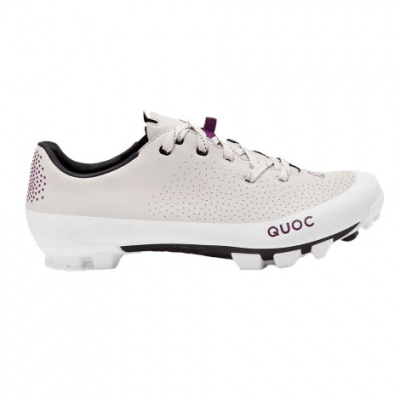
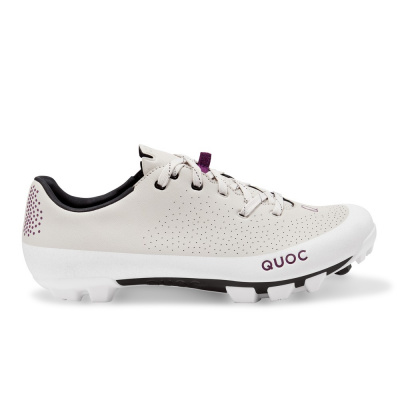
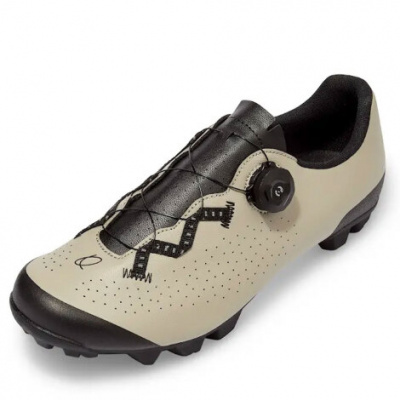
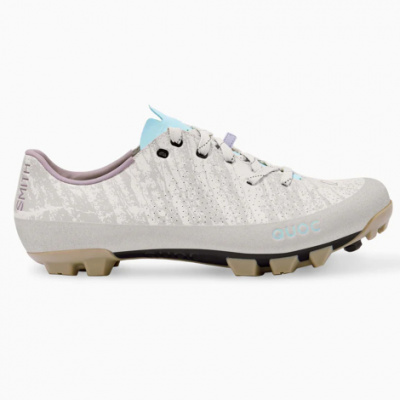
QUOC MTB and gravel shoes close the gap between race-sharp power transfer and the kind of rugged, off-bike capability you actually need when a chalk climb turns into a muddy scramble. The QUOC off-road lineup - anchored by the Gran Tourer and the Escape - takes a different approach to most performance footwear: genuinely considered aesthetics paired with materials and sole tech that can handle a soaking on a January bridleway without falling apart by spring.
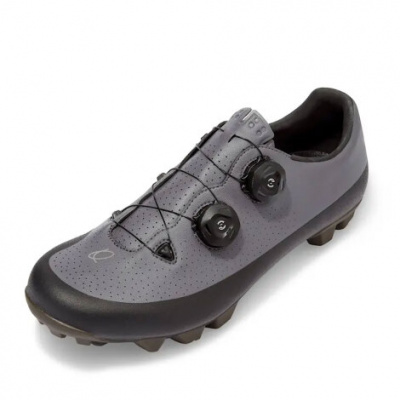
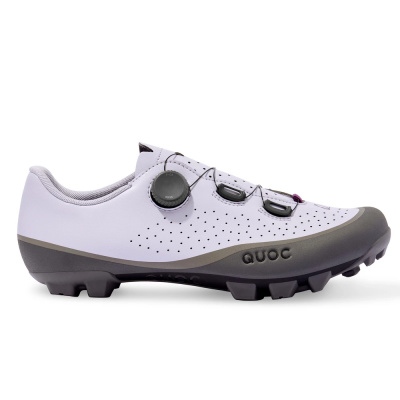
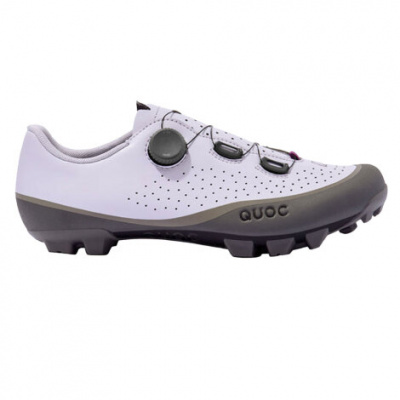
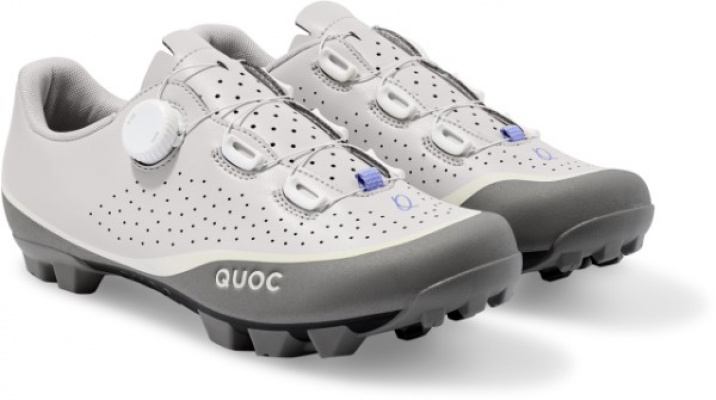
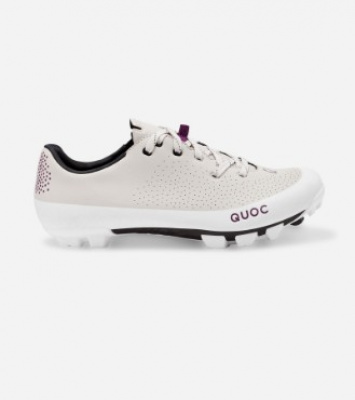
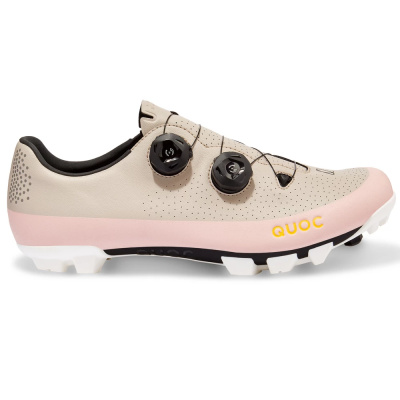
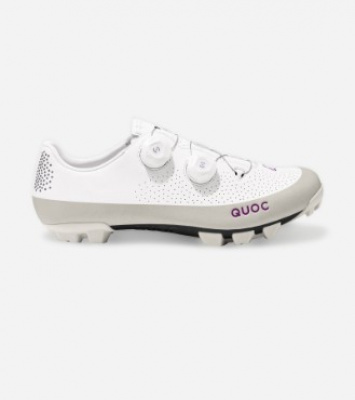
Every shoe in the range runs a 2-bolt SPD-compatible system, which means generous mud clearance around the cleat - useful when you're grinding through boggy Peak District bridleways or post-storm gravel in the Chilterns. The custom-developed GravelGrip™ tread gives you actual purchase on wet grass or slippery limestone when you're off the bike, rather than the token rubber nubs you find on lesser shoes. Splashproof microfiber uppers keep puddle spray and trail grit where they belong, and vibration-damping insoles take the edge off rough gravel. Whether you're building a bikepacking kit, lining up for a gravel race, or just want a shoe that earns its place on long mixed-surface days, QUOC has thought about the details most brands skim over.
Prices and availability can change quickly. Delivery charges are not always included in listed prices.
Final price, stock status and delivery terms are set by retailer. We may receive a commission on purchases made.
Upper Tech & Sole Performance: Built for the Rough Stuff
The microfiber uppers across the QUOC range aren't just there to look good - they're weather-resistant by construction, with a tight-woven surface that deflects spray rather than soaking it in. Pair that with a gusseted tongue that seals the entry point against grit and water ingress, and your feet stay drier for longer on muddy bridleways. It's not a substitute for overshoes on a proper winter day, but for three-season riding it handles the rough treatment well.
Sole stiffness is where the range splits most clearly. The Gran Tourer runs a carbon composite outsole - stiff enough to keep power going directly into the pedals on long gravel days, without the dead flex that costs you watts on a multi-hour effort. If you're riding back-to-back days on a bikepacking route, that efficiency matters. The Escape uses a glass-fibre reinforced nylon blend: still rigid enough for performance riding, but with just enough give to stay comfortable when you're on your feet mid-route. Think of it as the difference between a race tyre and a fast-touring one - both work, but they prioritise different things.
What ties both together is the proprietary GravelGrip™ rubber tread on the outsole. QUOC developed this specifically for the hike-a-bike moments that are increasingly part of gravel and off-road riding - the kind of steep, wet section where a smooth road-shoe sole becomes genuinely dangerous. On wet chalk or loose shale, the tread pattern bites properly. It won't replace a dedicated hiking boot, but it's a serious step above the token rubber you find on many gravel shoes in this category. Brands like Fizik and Giro offer competitive outsole tech at similar price points, but QUOC's tread pattern is notably more aggressive around the toe and heel strike zones.
Understanding the QUOC Off-Road Range & Fit
Three models do most of the work here. The Gran Tourer sits at the top - stiffer sole, more structured upper, designed for the rider who wants to cover serious distance on gravel or take on a multi-day bikepacking route without their feet paying for it by day three. It's the shoe you pick if performance and efficiency are the priority. QUOC Gran Tourer sizing runs slightly narrow through the toe box, which suits riders with a more tapered foot shape but is worth knowing before you buy blind.
The Escape is a more relaxed proposition. The glass-fibre sole is forgiving enough for long days in the saddle, the fit is roomier, and it crosses over naturally into trail MTB use. If you're riding XC on SPD pedals and want one shoe that works for both disciplines without compromise, the Escape is the practical answer. It handles a mix of Surrey Hills singletrack and gravel road connecting segments without feeling out of place on either surface.
For pure cross-country speed, the XC model prioritises stiffness-to-weight, with a closer-cut upper and a sole designed around transferring power in pedalling position rather than off-bike grip. Less versatile than the other two, but the right tool if racing is the focus.
On sizing: QUOC runs true to European sizing for most riders, but the tailored fit means wide feet or thick socks can create pressure points, particularly across the forefoot. If you're planning to ride through winter with QUOC merino or thermal socks, go half a size up. The double lock lace system and micro-adjustable dial closure on the Gran Tourer give you enough adjustment to fine-tune fit on the go - worth using after the first long wet ride when the upper has softened slightly. QUOC Gran Tourer sizing, in our experience of spec sheets and buyer feedback, sits closer to road shoe dimensions than chunky MTB lasts, so factor that in if you're coming from a trail shoe background. Compared to Lake, which builds specifically for wider feet, QUOC is the more performance-focused, narrower option - different tools for different foot shapes.
Weather Protection & Looking After Your Shoes on UK Rides
Splashproof microfiber handles British autumn riding well, but it has limits - and knowing them saves you a wet surprise. For deep winter days when the forecast isn't shifting, pairing your QUOC shoes with QUOC overshoes is the straightforward fix. They're cut to match the shoe last, so they sit properly without bunching at the heel - worth checking fit with your exact model before buying generic overshoes that don't account for the Gran Tourer's low-profile toe box.
Post-ride care matters more with microfiber than with standard synthetic uppers. Scrub the uppers with a soft brush and cold water - not hot, and definitely not a jet wash at close range, which breaks down the adhesive bonding the outsole over time. Let them dry naturally, away from radiators and direct heat sources. Heat warps the carbon composite outsole and degrades the glue at the rand, which is an expensive way to shorten the life of a quality shoe. Stuff them loosely with newspaper to hold the shape while they dry if they've had a proper soaking. If the tread or closure system needs attention, QUOC shoe spares cover replacement laces, dial mechanisms, and insoles - so a damaged closure system doesn't mean replacing the whole shoe.
Carbon sole gravel shoes from QUOC sit in a competitive bracket alongside QUOC's own road shoe range, which shares some upper construction methods but prioritises a stiffer, more aerodynamic profile. If you're comparing the two for mixed-use riding, the gravel-specific models win on tread grip and cleat recess depth every time.
QUOC MTB & Gravel Shoes FAQs
Are QUOC gravel shoes true to size?
Generally yes, but the fit is tailored and slightly narrower through the toe box than most MTB-oriented shoes. If you ride in thick waterproof or merino socks during UK winters, size up by half a size. Riders with wider feet should try before buying or check return policies - Lake is worth considering as an alternative if you need extra room.
What is the difference between the QUOC Gran Tourer and Escape?
The Gran Tourer uses a stiffer carbon composite outsole and a more structured upper - it's the performance pick for gravel racing and long bikepacking days where power transfer counts. The Escape runs a glass-fibre sole with a roomier fit, making it the better call for casual trail riding, mixed off-road use, and riders who want something that works across XC MTB and gravel without specialising in either.
Can you use QUOC gravel shoes for mountain biking?
Yes. All QUOC off-road shoes use a 2-bolt SPD-compatible cleat system with good mud clearance, and the GravelGrip™ tread handles off-bike sections on rooty or wet singletrack competently. They're best suited to XC and light trail MTB rather than enduro or aggressive trail riding, where a chunkier shoe with more ankle protection would be more appropriate.