
Polar Gps & Sports Watches
Polar GPS & Sports Watches have been at the sharp end of heart rate analytics longer than most brands have existed, and that depth of biometric expertise translates directly into cycling performance. Where a basic cycling computer tells you how fast you went, a Polar watch tells you what that effort did to your body - and, crucially, how long you need before you can do it again. That's the real value of the Polar Flow ecosystem: raw ride data becomes actionable training load and recovery guidance, not just a numbers dump on your phone.
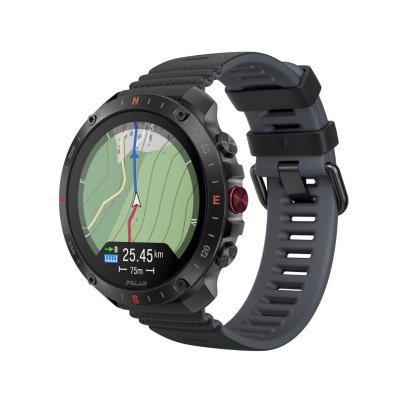
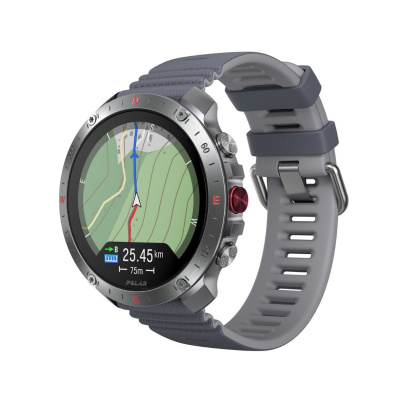
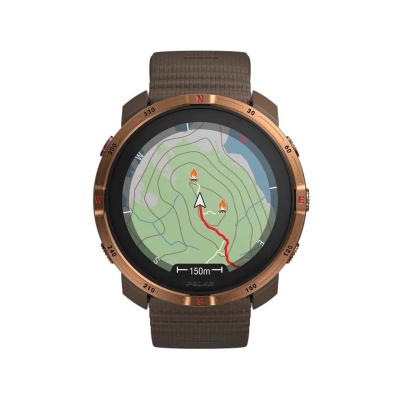
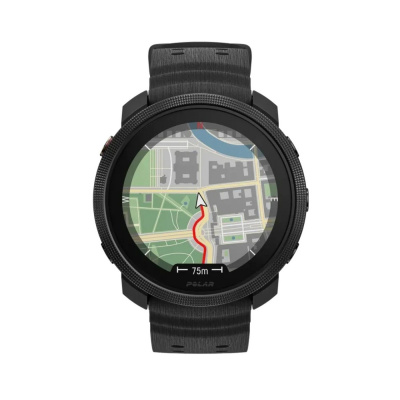
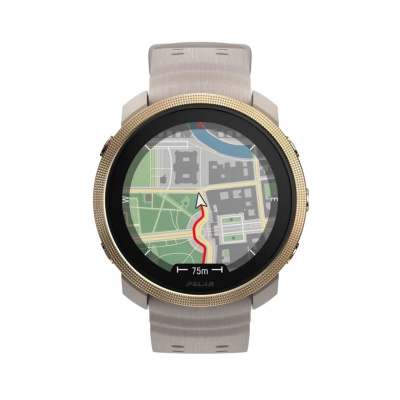
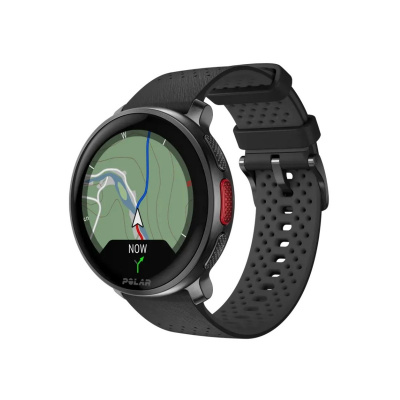
Whether you're commuting across town, pushing gravel miles in the Peak District, or training for your next sportive, Polar watches deliver reliable dual-band GPS routing and continuous biometric tracking without the bulk of a bar-mounted head unit. You get turn-by-turn navigation on your wrist, automatic Strava sync when you're back in range, and optical heart rate running all the while. The WR50 water resistance rating means a sudden British downpour isn't going to end your ride data - or your watch. Compact, connected, and genuinely built around training science rather than marketing slides. That's the Polar difference.
Prices and availability can change quickly. Delivery charges are not always included in listed prices.
Final price, stock status and delivery terms are set by retailer. We may receive a commission on purchases made.
Tech Ecosystem and Integration: Polar Flow and BLE Connectivity
Polar's connectivity approach is built entirely around Bluetooth Smart (BLE) - there's no ANT+ here, so it's worth knowing that upfront. If you're running an older power meter or a cadence sensor that's ANT+-only, you'll need a BLE-compatible alternative before the watch will see it. Most current sensors from reputable brands support both protocols, so it's rarely a dealbreaker, but check the spec sheet before you buy.
Once your BLE sensors are paired - whether that's a speed sensor, cadence sensor, or a Bluetooth Smart-compatible cycling power meter on the Vantage or Grit X series - setup is straightforward. The Polar Flow app handles the heavy lifting: sync your watch over Bluetooth after a ride and your session pushes automatically to Strava, TrainingPeaks, or both. No cables, no faffing with export files. For riders who track structured training, the Flow platform also lets you build workouts on desktop and send them to the watch, so interval sessions arrive on your wrist pre-loaded. If you want to compare against Garmin GPS & Sports Watches, which use ANT+ and BLE in parallel, or Coros GPS & Sports Watches with their own app ecosystem, the key trade-off is sensor compatibility versus training analytics depth - Polar leans hard into the latter.
The Training Load Pro feature is worth singling out. It breaks your load into cardiovascular strain and perceived muscular effort, which is more useful than a single weekly TSS figure when you're mixing long steady miles with short punchy climbs. Strava Live Segments are also supported on compatible models, so you'll get real-time feedback if you're chasing a KOM on your local lane. BLE connectivity also extends to compatible cycling lights and radar sensors on some models - a practical bonus for winter road riding.
Real-World Performance and Battery: What to Expect on the Road
Polar's headline GPS battery figures - typically 30 to 40 hours of continuous GPS and heart rate tracking depending on model - are achievable, but they're best-case numbers. Enable dual-frequency GPS for improved accuracy under tree cover, and you'll trade some of that runtime. Cold weather compounds it further: lithium-ion cells lose capacity in sub-zero temperatures, so a freezing January ride in the Scottish Borders will drain the battery faster than the same ride in August. You'll still get through most sportives and audax events on a single charge, but for anything approaching ultra-distance, carry a small power bank and check whether your model supports charging on the move.
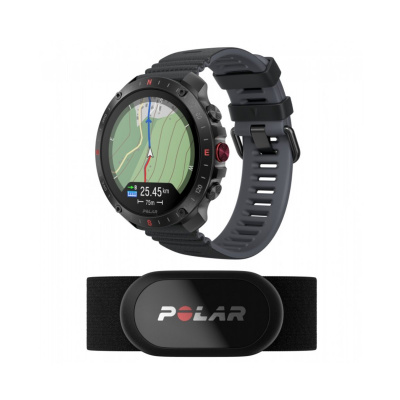
Wrist-based optical heart rate - powered by Polar's Precision Prime OHR sensor technology - is genuinely impressive for steady-state efforts. The multi-point sensor array reads more consistently than most single-LED competitors, and for endurance rides with gradual intensity changes, the data holds up well. Road vibrations through the handlebars are a different matter. During hard sprint intervals or rough cobbled sections, the sensor can latch onto wrist movement cadence rather than your actual pulse - a known limitation across all optical wrist sensors, not just Polar's. For absolute precision during structured intervals, pairing with a Polar H10 chest strap over BLE removes that variable entirely and gives you the kind of beat-by-beat accuracy that serious training demands.
Screen visibility is a practical plus. The high-contrast MIP (Memory-in-Pixel) display used across much of the range reads clearly in the flat grey light of a British winter - something that AMOLED screens can actually struggle with in direct sunlight, despite looking striking indoors. You can glance down mid-climb and actually read your heart rate. That matters more than it sounds when your eyes are streaming and your glasses are fogged. If you're comparing against Fitbit GPS & Sports Watches at the more accessible end, the difference in cycling-specific metrics and training analytics is substantial.
Setup, Mounting, and UK Durability
Most riders wear Polar watches on the wrist and leave it at that, which works fine for general riding and commuting. If you want the watch to double as a proper cycling computer - displaying maps, turn prompts, or segment data at a glance - a universal bar mount is worth considering. Wrist position means the screen faces upward and away from your eyeline when you're in the drops; a bar mount puts it directly in your sightline. Polar don't manufacture their own bar mounts, but third-party universal adapters designed for watch lugs are widely available and clip onto standard 31.8mm bars without tools.
The WR30 and WR50 water resistance ratings across the range mean British rain is a non-issue. WR50 in particular handles heavy downpours and stream crossings without screen fogging or button corrosion - a genuinely useful spec given how quickly the weather changes on a ride through the Welsh hills. Rinse the watch under fresh water after muddy or coastal rides to keep the optical sensor window clear; a dirty lens will affect OHR accuracy over time.
For winter riding, one practical adjustment makes a real difference: if you're using a chest strap for heart rate, you can keep the watch tucked under your jacket sleeve to slow battery drain from the cold. The watch still records, the GPS still logs via the antenna, and you're not sacrificing any data. Worth knowing before your first dark-morning December ride. If you're building out a full bike setup, pairing a Polar watch with a hDrop GPS & Sports Watch alternative or checking compatible sensors across Specialized GPS accessories can help round out your data picture. The Polar cycling watch setup process itself - from first charge to first recorded ride - takes under ten minutes via the Flow app, which is refreshingly straightforward compared to some platforms that bury sensor pairing three menus deep.
Polar Gps & Sports Watches FAQs
How accurate is Polar wrist heart rate for cycling?
Polar's Precision Prime OHR sensor is among the stronger performers for steady endurance efforts, but road vibrations can occasionally cause readings to drift during hard sprints or rough surfaces. For interval sessions where accuracy is non-negotiable, pairing with a Polar H10 chest strap via Bluetooth gives you beat-by-beat precision and removes the wrist-movement variable entirely.
Can I connect Polar watches to cycling power meters?
Yes - compatible models including the Vantage and Grit X series support cycling power meters via Bluetooth Smart (BLE). Polar watches do not support ANT+, so you'll need to confirm your power meter has BLE capability before pairing. Most current dual-protocol power meters will work; older ANT+-only units won't.
How long does a Polar watch battery last with GPS?
Expect 30 to 40 hours of continuous GPS and heart rate tracking depending on the model and GPS mode selected. Enabling dual-frequency GPS for better accuracy under tree cover will reduce that figure. Cold UK winter conditions also trim maximum runtime, so tuck the watch under your sleeve on freezing rides to help maintain claimed battery performance.