
Garmin Gps & Sports Watches
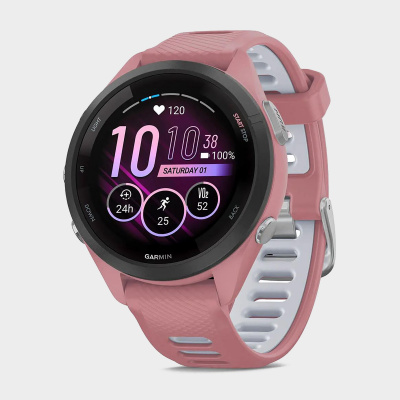
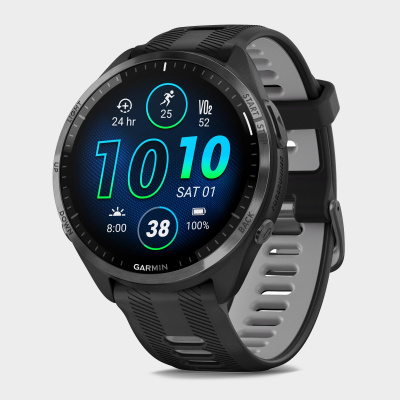
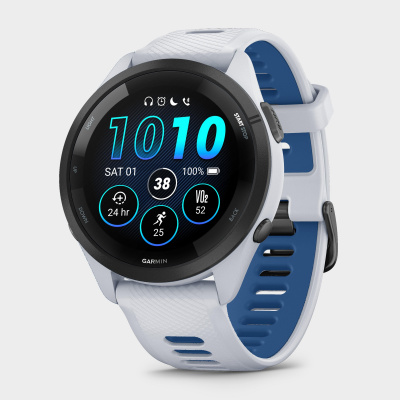
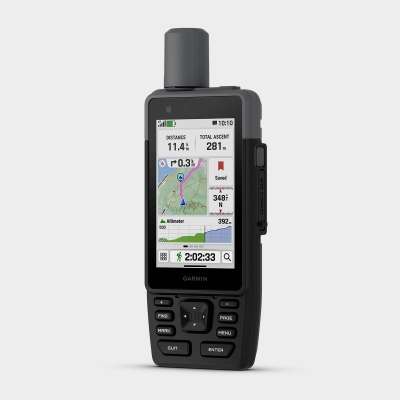
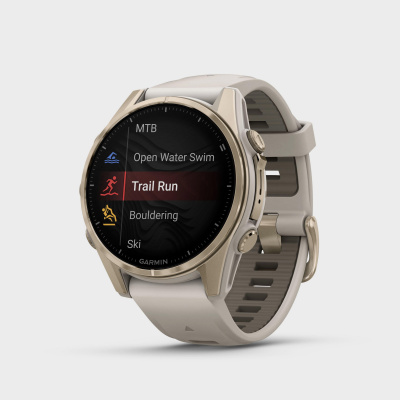
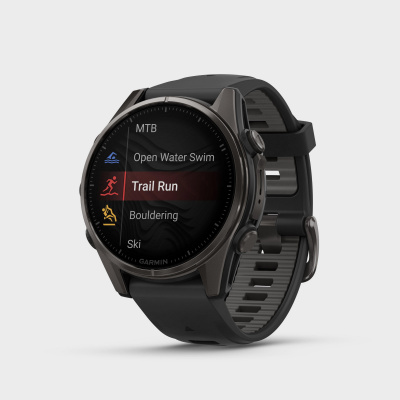
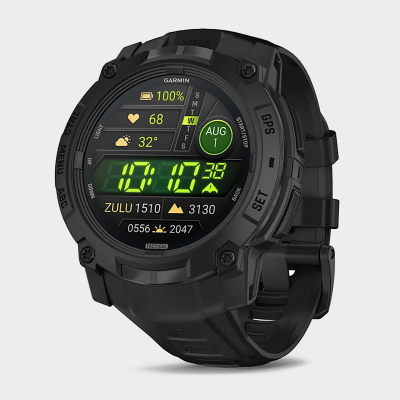
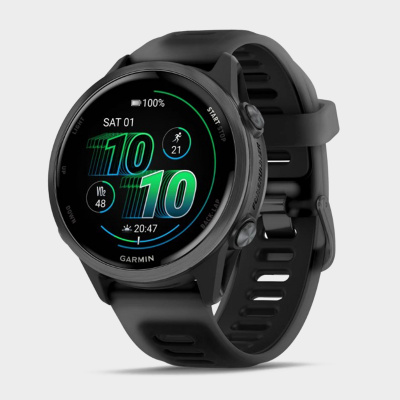
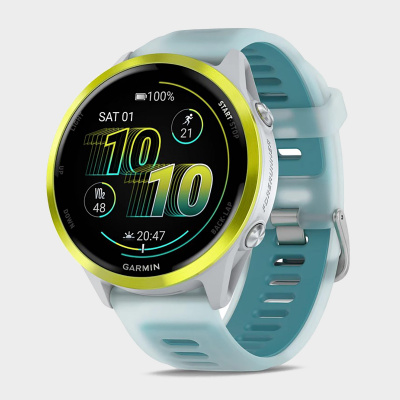
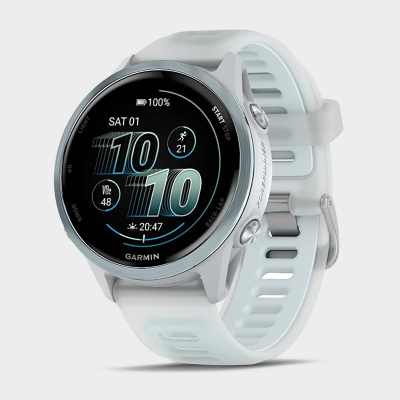
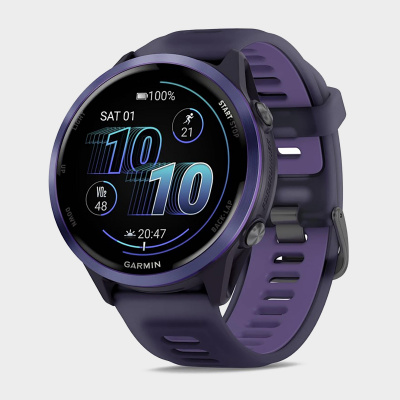
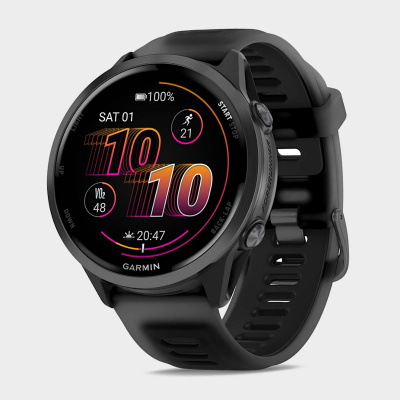
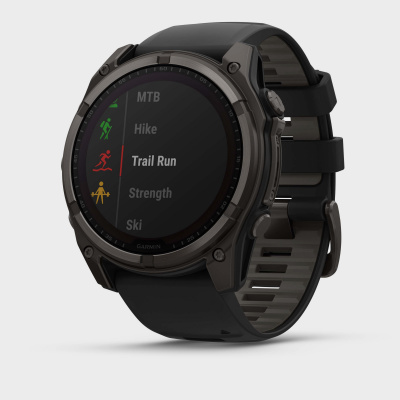
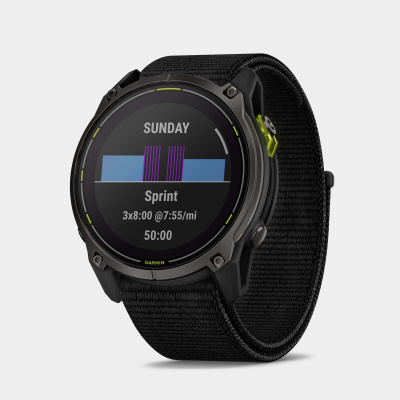
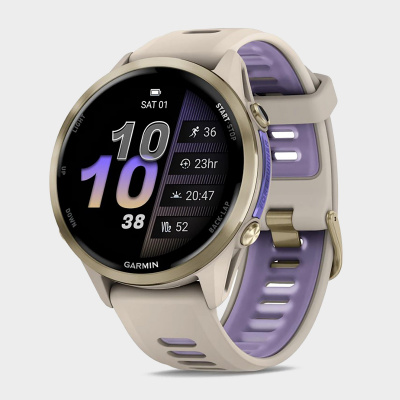
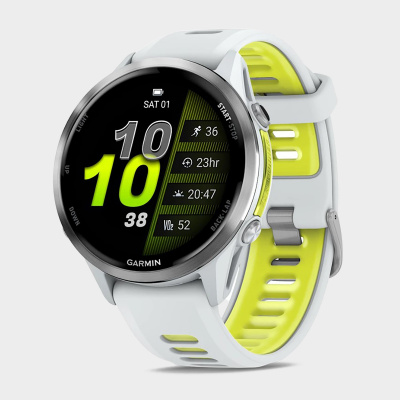
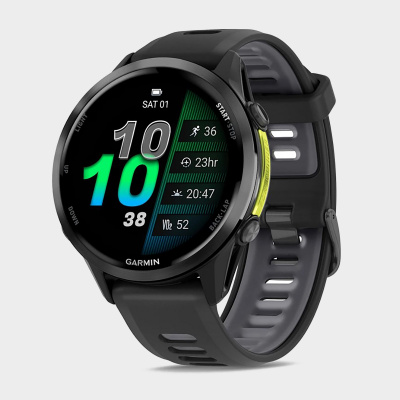
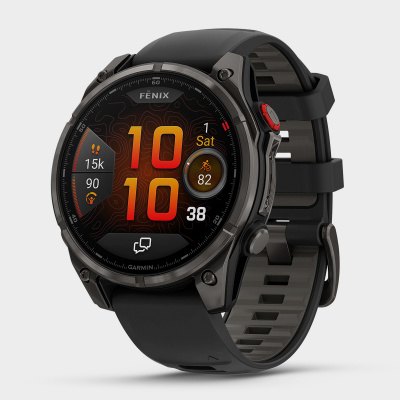
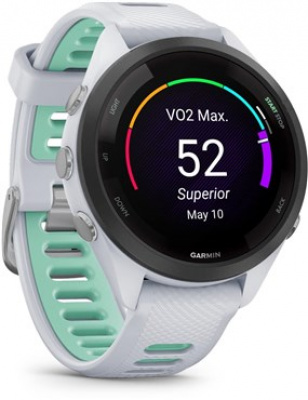
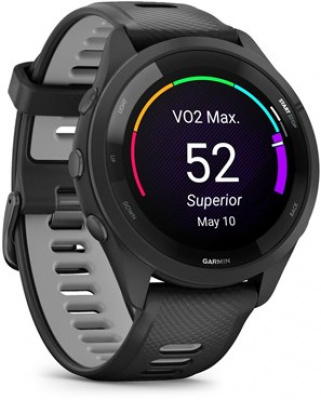
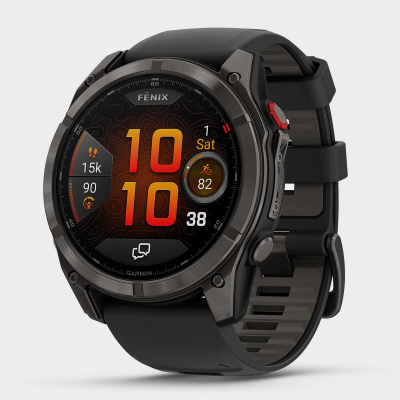
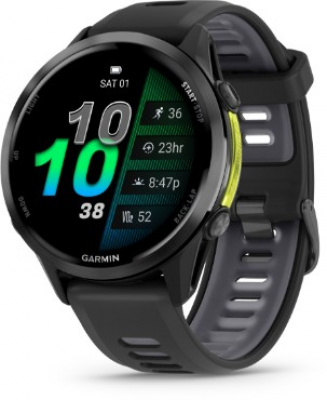
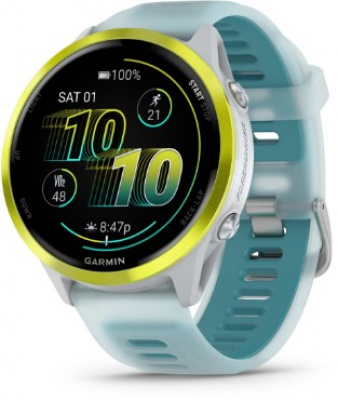
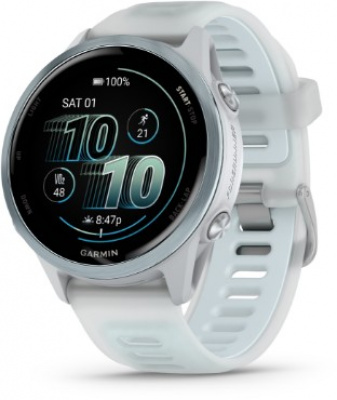
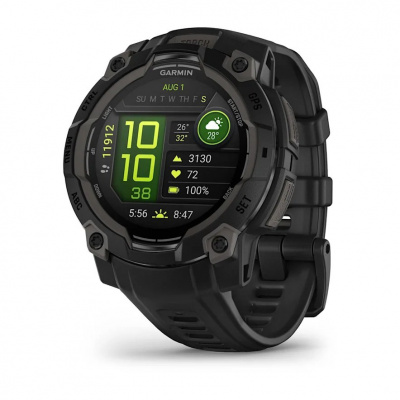
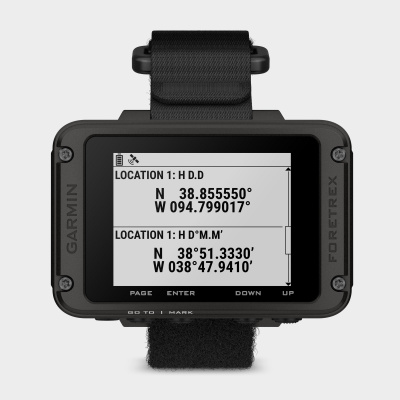
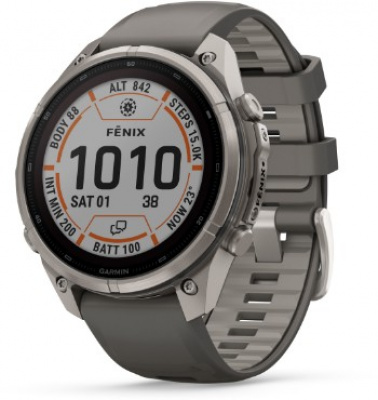
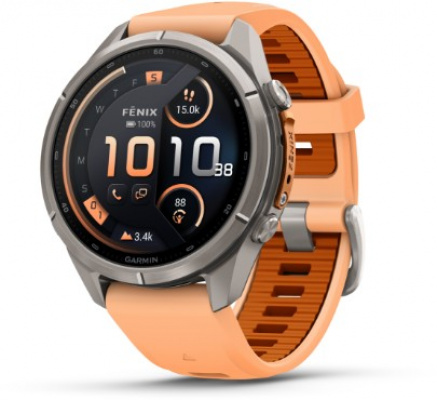
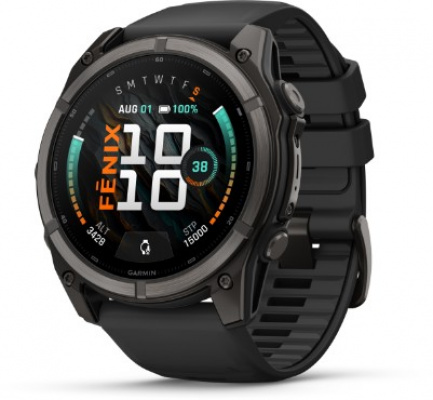
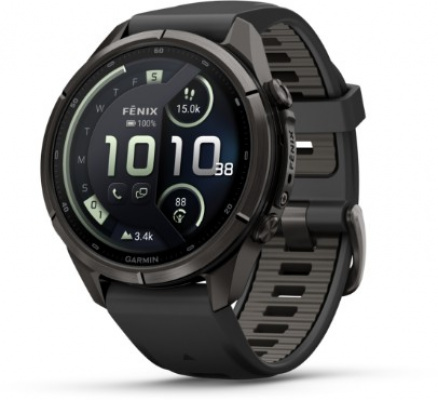
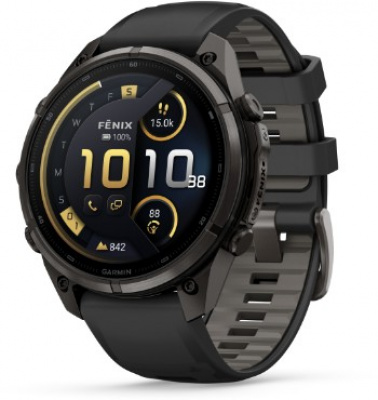
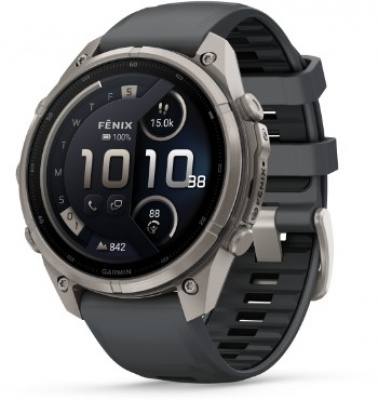
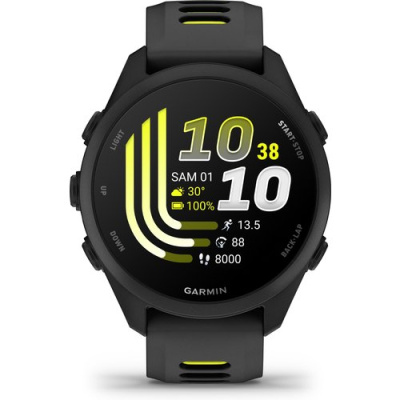
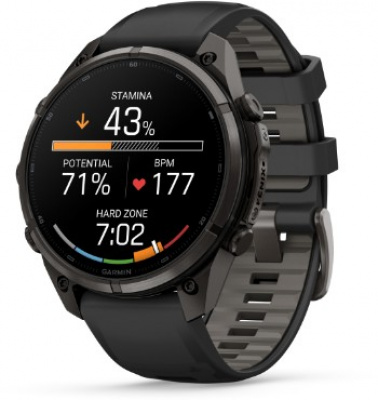
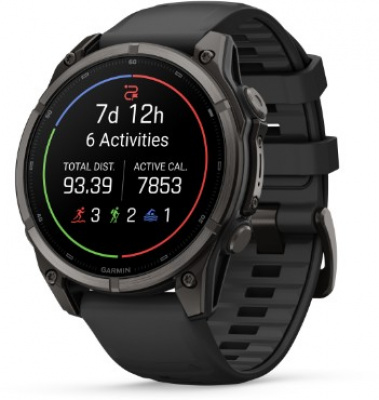
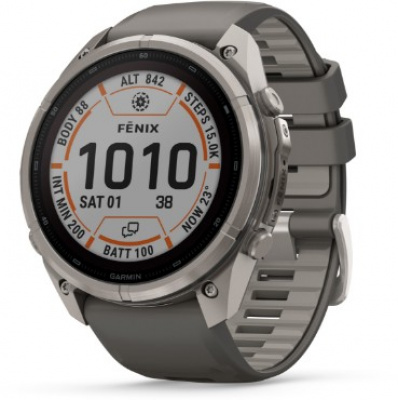
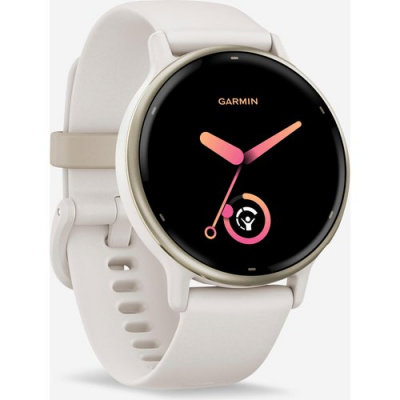
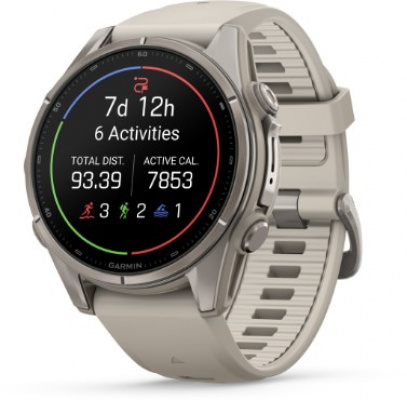
Garmin GPS & Sports Watches are the benchmark for wrist-based ride tracking - and for good reason. Whether you're logging intervals on a Tuesday night chain gang, monitoring recovery between big days in the saddle, or navigating a new gravel loop in the Peaks, a Garmin wearable pulls the data together in one place. The Forerunner series keeps things light and focused for riders who want clean cycling metrics without the bulk, while the Fenix line is built for those who want a device that's as capable on a 200km audax as it is on a Thursday trail ride.
Under the hood, multi-band GNSS uses dual-frequency satellite signals to hold accurate positioning even under dense woodland canopy - the kind of tree cover that sends single-band GPS wandering off your actual line. The Elevate optical heart rate sensor on current models tracks wrist-based heart rate with enough reliability to broadcast it directly to your head unit mid-ride. Pair that with automatic syncing to Strava and TrainingPeaks via the Garmin Connect app, and your training picture builds itself. ANT+ and Bluetooth Smart connectivity mean your watch talks to power meters, cadence sensors, and smart trainers without fuss. These are serious tools for serious riders - and the range is wide enough to suit everyone from data-curious commuters to obsessive time-triallists.
Prices and availability can change quickly. Delivery charges are not always included in listed prices.
Final price, stock status and delivery terms are set by retailer. We may receive a commission on purchases made.
Tech Ecosystem and How It All Connects
Garmin's real strength isn't any single feature - it's how well everything talks to everything else. Every mid-to-high-tier Garmin sports watch runs both ANT+ and Bluetooth Smart (BLE) simultaneously, which means you're not choosing between protocols. Connect a power meter, a cadence sensor, and a speed sensor all at once, and the watch handles it without complaint. That dual-protocol support is genuinely useful when you're mixing older ANT+-only kit with newer BLE-only accessories.
One of the more practical features is the ability to broadcast your wrist-based heart rate over ANT+ to a separate Garmin GPS computer mounted on your bars. If you've left your chest strap at home, your watch becomes your heart rate source for the head unit - no faffing, no missed data. It's worth knowing that optical wrist HR has its limits during hard sprints or very cold mornings when blood flow to the extremities drops, so for precision interval work, pairing with a dedicated Garmin HRM strap still gives you the cleaner signal.
Sync to the Garmin Connect app happens automatically over Wi-Fi or Bluetooth once you're back in range. From there, Strava Live Segments, TrainingPeaks structured workouts, and VO2 max trends all flow without you having to manually push anything. It's the kind of ecosystem that, once it's set up, mostly disappears into the background and just works. Garmin Connect's training load and recovery advisor features are worth exploring too - they draw on HRV, sleep, and activity data to give you a rough steer on whether today's a day to push or a day to spin easy.
Battery Life - What the Numbers Actually Mean on a UK Ride
Garmin's quoted battery figures are measured under controlled conditions: single-band GPS, no music, moderate temperature. Real-world runtime on UK rides is a different conversation. Switch to multi-band GNSS for better accuracy under trees or in hilly terrain, and you're typically cutting the headline GPS figure by 25 - 30%. Add music streaming via Bluetooth headphones and you'll lose more again. It matters - plan a long day in the hills on the stated figure alone and you might be navigating the last hour on a dead screen.
Cold weather compounds this. Lithium-ion cells lose capacity as temperatures drop, and January base miles in the Dales or a freezing pre-dawn CX race can see battery drain noticeably faster than a dry September evening. Keep the watch close to your skin under a sleeve if you're worried, and charge it fully before any big day out.
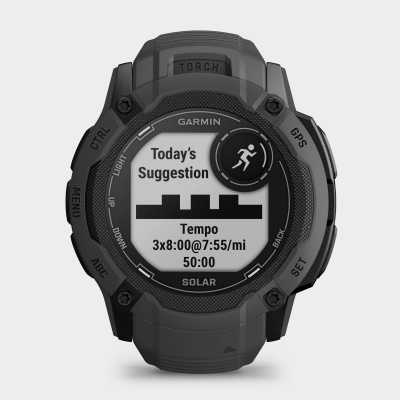
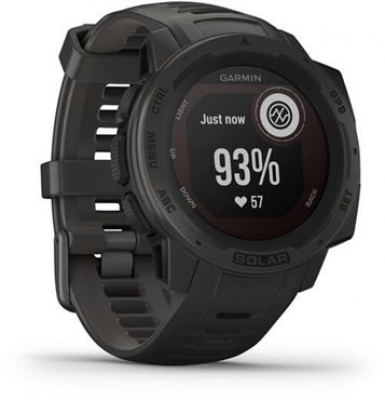
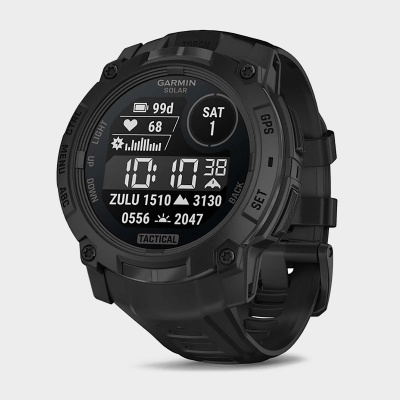
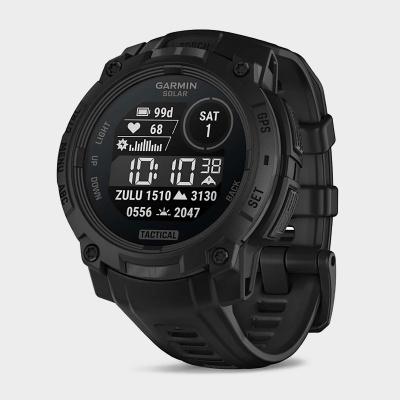
Screen choice plays into this too. AMOLED displays look sharp and vibrant - great for glanceable navigation - but they draw more power. MIP (Memory-in-Pixel) screens, used across much of the Fenix and Forerunner range, are lower drain and far easier to read in the flat grey light that covers most UK riding from October to March. On an overcast Welsh trail day, MIP is actually the more practical choice. For ultra-endurance riders - think 24-hour events or multi-day bikepacking - the Power Glass solar charging technology found on Solar editions can meaningfully extend runtime in daylight conditions, though it works best in sustained sunlight rather than the intermittent UK variety. Pair with Garmin power meters to get the most from your training data on long efforts.
Compared to the competition, Coros GPS watches have made a strong case on battery efficiency, often outlasting equivalent Garmin models on GPS-only mode. Polar's sports watches offer a solid alternative if the training load and recovery tools are your priority. But for the breadth of cycling-specific integration - especially if you're already in the Garmin ecosystem - the trade-off on battery is manageable with a bit of planning.
Setup, Mounting, and Surviving the British Weather
Getting your Garmin set up for cycling is straightforward, but it's worth spending ten minutes on the data screen layout before your first ride rather than poking through menus mid-climb. The Garmin Connect app lets you build custom data fields and push them to the watch - power, cadence, heart rate, gradient, and lap data can all live on one screen. Keep it to four or five fields maximum; more than that and you're squinting at a spreadsheet on your wrist.
If you'd rather have your data on your bars than your wrist, most Garmin sports watches support a quick-release quarter-turn mount that drops the watch onto a handlebar or stem mount in seconds. It's a neat option for riders who find wrist-worn devices uncomfortable in the drops or who want a larger screen angle for navigation. The watch snaps out just as fast when you finish and want to wear it normally.
On durability: IPX7 means submersion in up to a metre of water for thirty minutes, which is more than enough for any downpour the UK throws at you. The 5 ATM and 10 ATM ratings on higher-spec models go further - 50 and 100 metres of water resistance respectively, tested under pressure. For a muddy cyclocross race or a soaking gravel ride in the Forest of Dean, any current Garmin sports watch will come out fine. A post-ride rinse to clear mud from the sensor port is good practice.
One thing worth doing regularly: keep firmware updated via Wi-Fi. Garmin pushes GPS almanac data with updates, and a current firmware version meaningfully improves satellite lock time - useful when you're standing in a car park at 7am wanting to get going rather than waiting for the watch to find itself. Setting up Garmin sports watch data fields and keeping software current takes a few minutes but pays back on every ride.
Garmin Gps & Sports Watches FAQs
How long does a Garmin watch battery last on GPS?
It depends heavily on the model and settings. Entry-level watches typically manage around 15 hours of GPS runtime; high-end Solar models can exceed 100 hours under the right conditions. Turning on multi-band GNSS, streaming music, or riding in freezing temperatures will all reduce those figures noticeably - sometimes by a third or more.
Can I connect my Garmin watch to a bike power meter?
Yes. Mid-to-high-tier Garmin sports watches support both ANT+ and Bluetooth Smart simultaneously, so they pair directly with power meters, cadence sensors, and smart trainers from the wrist. You don't need a separate head unit to record power data - though many riders use both watch and computer together for redundancy on big days.
Are Garmin watches waterproof enough for UK weather?
Easily. All current Garmin sports watches carry at least an IPX7 or 5 ATM water rating, which covers heavy rain, muddy cyclocross conditions, and post-ride hosing down without any concern. Higher-spec models rated at 10 ATM offer additional headroom, though you're unlikely to test those limits on even the worst British winter ride.