
Coros Gps & Sports Watches
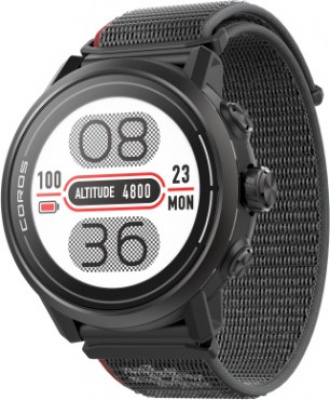
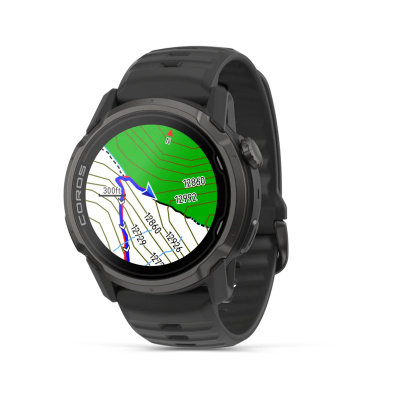
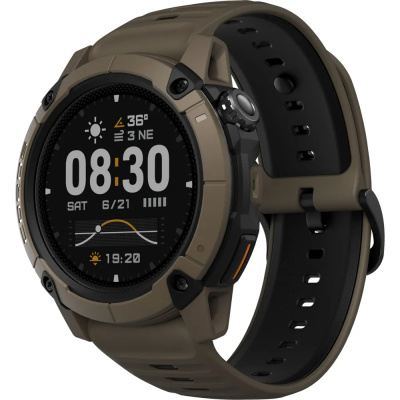
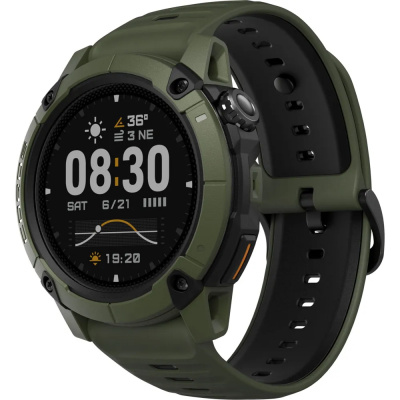
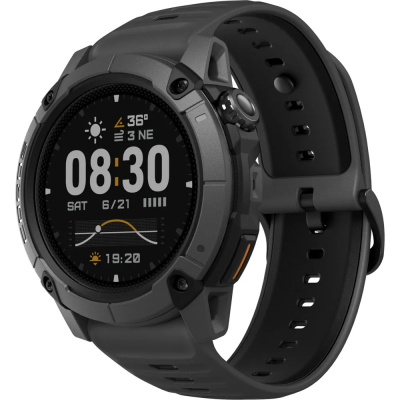
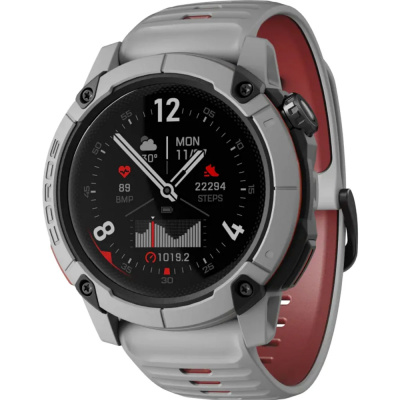
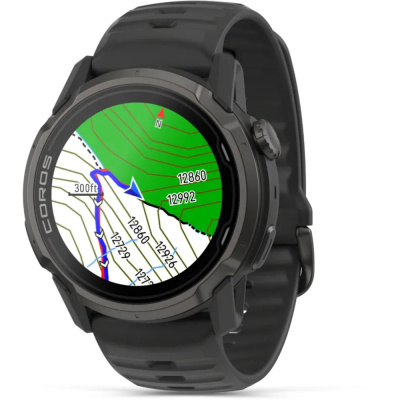
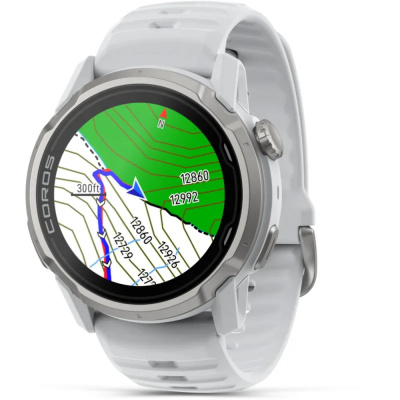
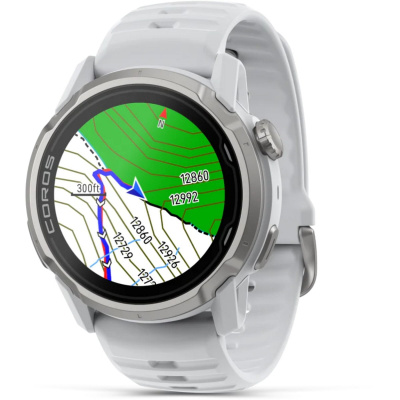
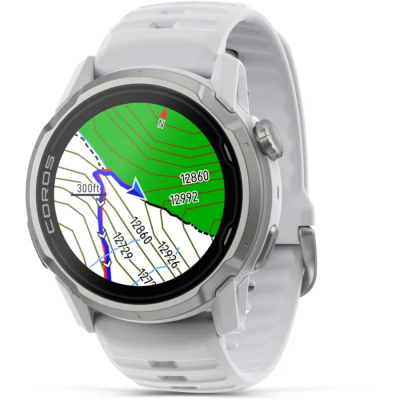
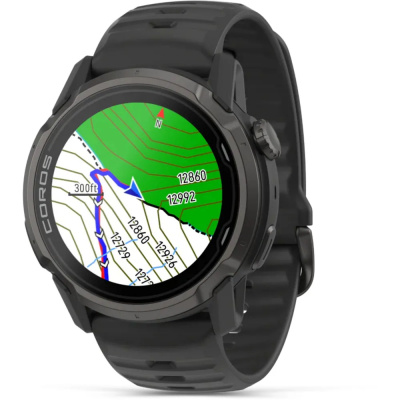
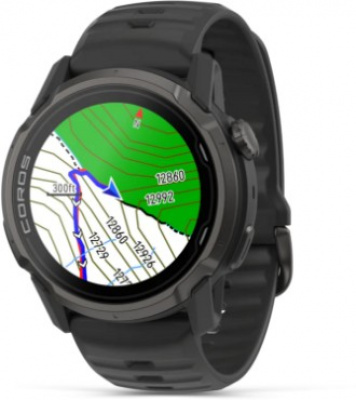
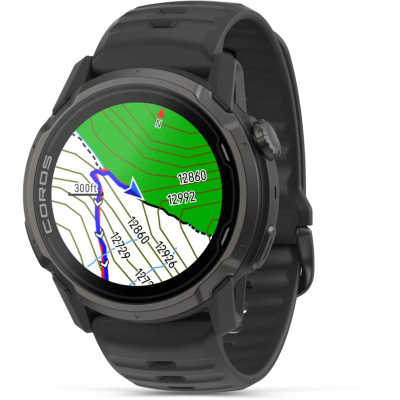
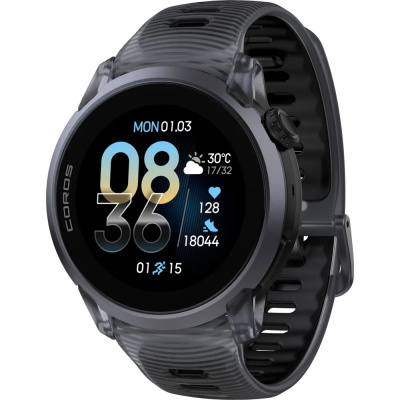
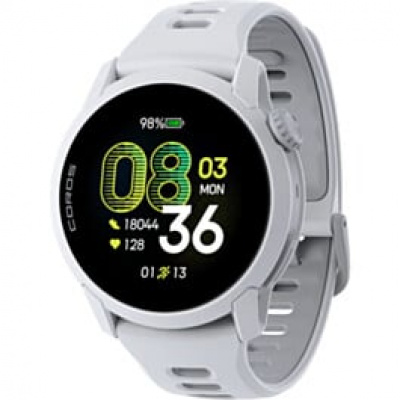
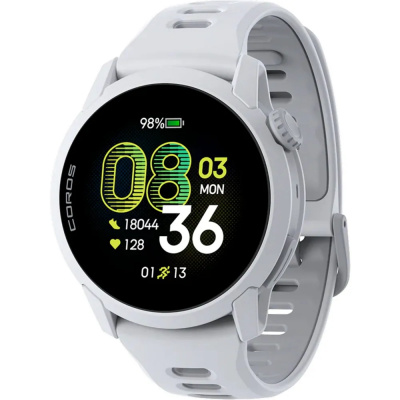
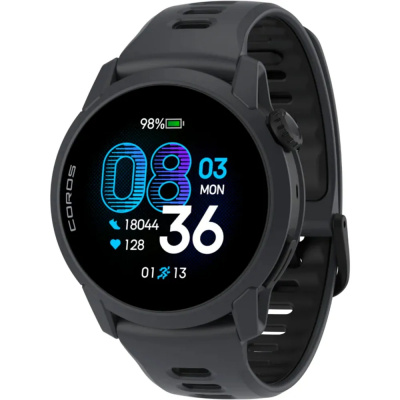
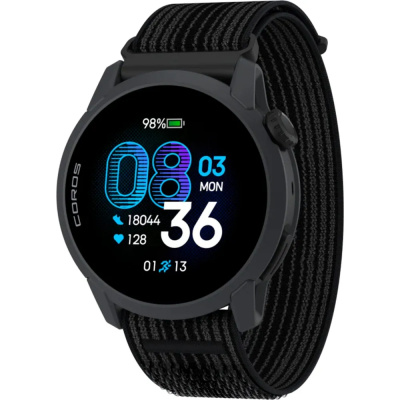
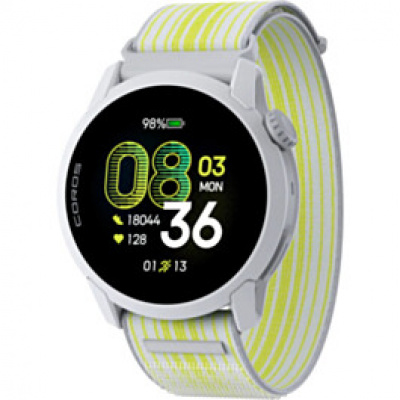
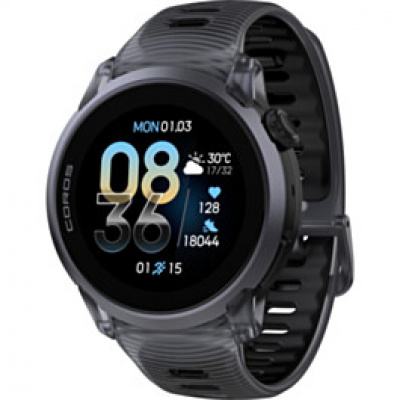
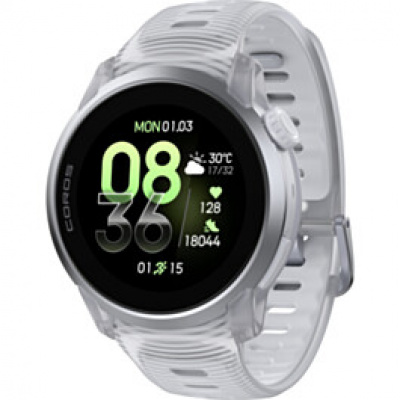
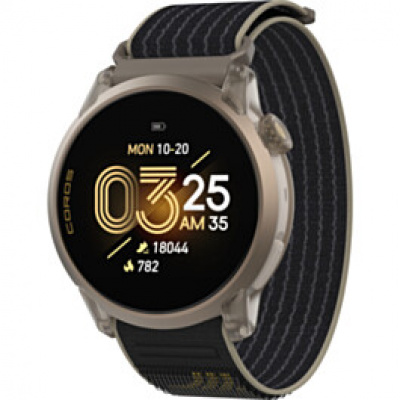
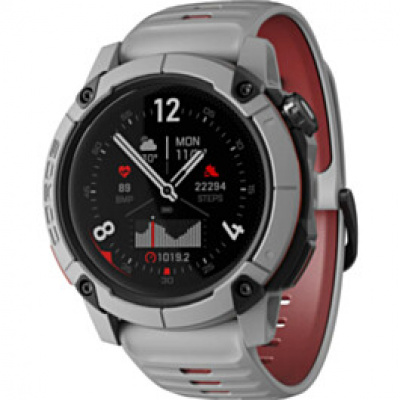
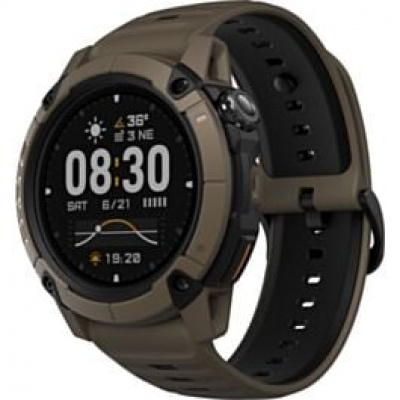
Coros GPS & Sports Watches have carved out a serious reputation on one metric alone: battery life that makes every rival look anxious. Where most sports watches need a plug every few days, Coros watches keep running for weeks in smartwatch mode - and that changes how you plan your riding entirely. No more charging rituals before a long weekend in the Peaks, no dead watch on day three of a bikepacking route.
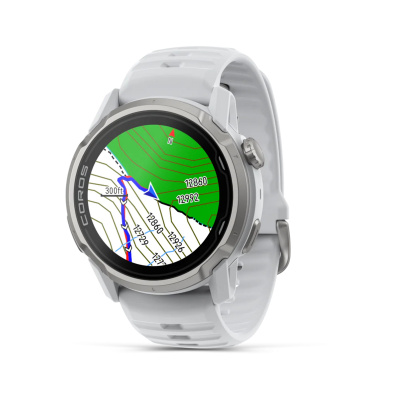
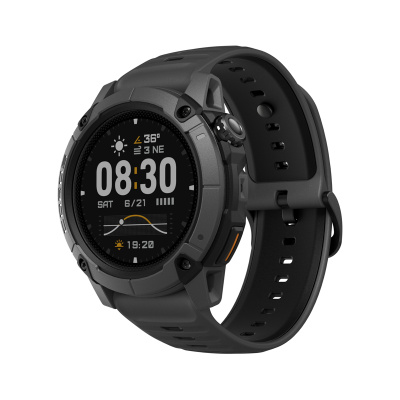
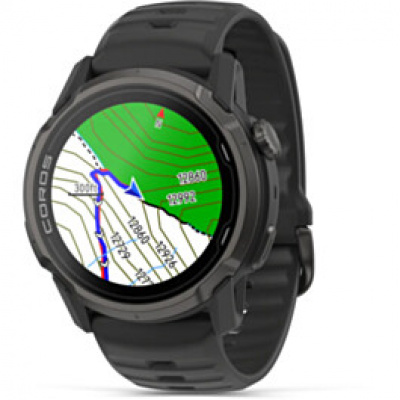
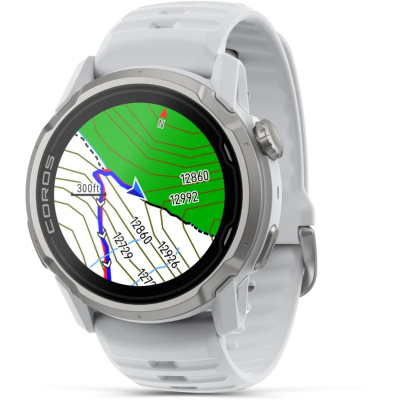
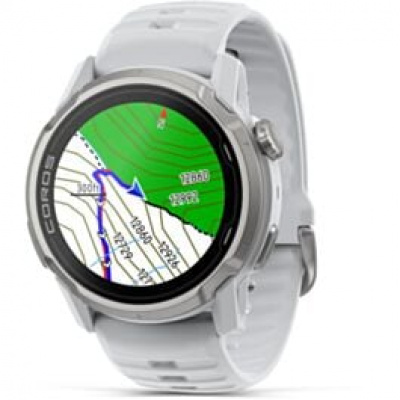
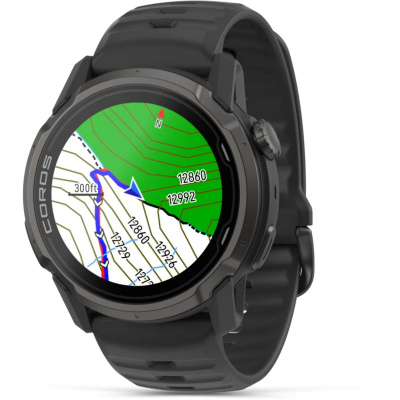
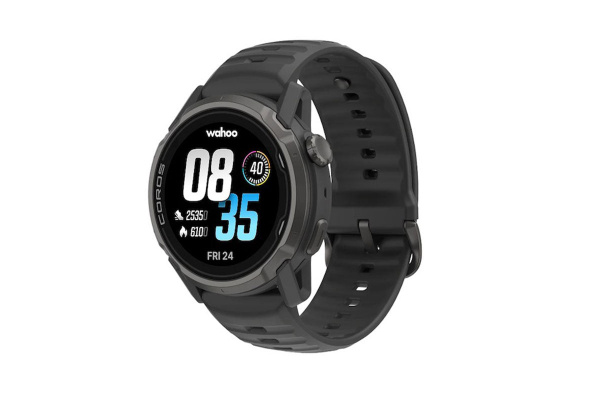
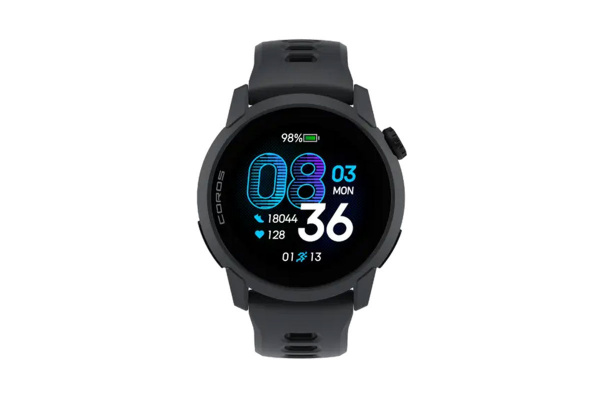
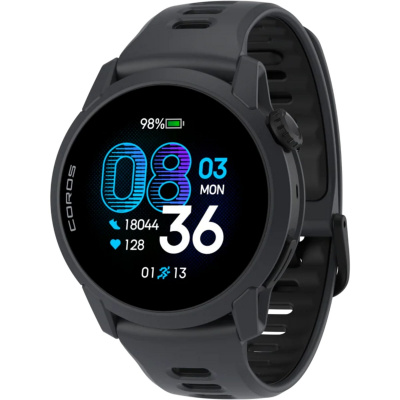
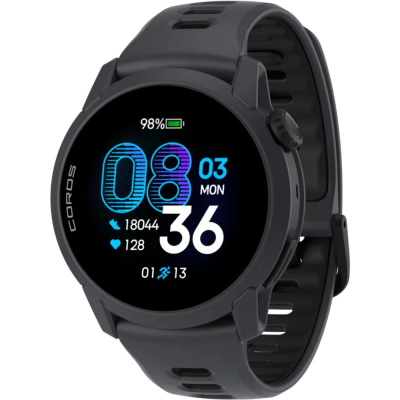
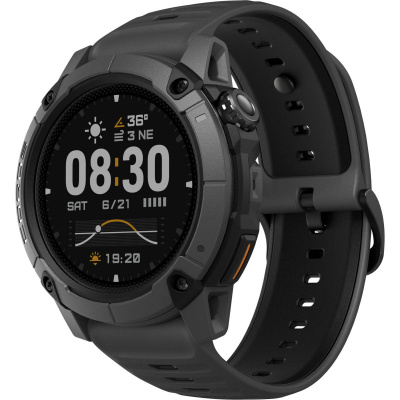
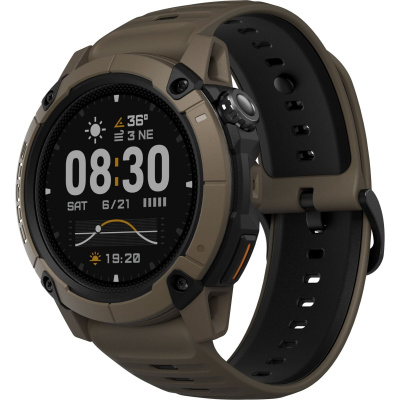
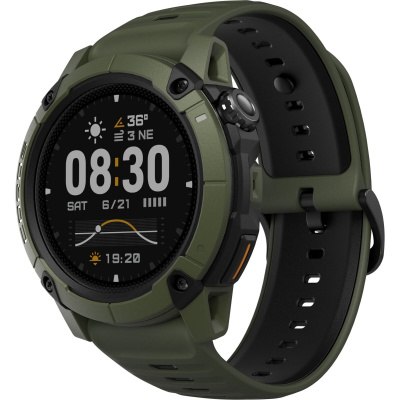
These are multisport watches built around dual-frequency GNSS, which means the GPS signal stays sharp even when you duck under tree cover on a forest trail or drop into a steep-sided valley. Pair that with the EvoLab training platform and you're getting proper sports-science data - training load, recovery time, fitness trends - not just a calorie count. The digital dial navigation is a deliberate design choice too: gloved hands in February rain can still scroll through menus without the fumbling frustration of a frozen touchscreen. IP68 water resistance means a sudden Welsh downpour is genuinely irrelevant. From a quick club run to a multi-day adventure, Coros watches cover the full spread of what UK cyclists actually do.
Prices and availability can change quickly. Delivery charges are not always included in listed prices.
Final price, stock status and delivery terms are set by retailer. We may receive a commission on purchases made.
Bluetooth Connectivity, Sensors & the EvoLab Ecosystem
Before you buy, there's one thing worth knowing straight away: the Pace 3, Apex 2, and Vertix 2 all dropped ANT+ and run Bluetooth exclusively for sensor pairing. If your power meter or heart rate strap is ANT+-only, it won't talk to these watches. Check your sensors are Bluetooth compatible - most modern ones are, but older kit can catch people out. Worth double-checking in the car park before your first ride with it strapped to your wrist.
Once you're sorted on compatibility, the Bluetooth connectivity opens up a clean training ecosystem. Pair Coros HRM straps or Coros power meters directly to the watch and the data flows without interruption. The Coros app handles the rest - Strava integration is automatic, so the moment you save an activity on the watch, it pushes straight through to your Strava feed without you touching a phone. TrainingPeaks sync works the same way. For riders who want a structured training workflow, EvoLab goes further than simple activity logging: it analyses your training load over time, flags when you're accumulating too much fatigue, and tracks fitness trajectory across disciplines. It's a genuinely useful platform, not a feature that sounds good in a spec sheet and then sits unused.
If you're weighing Coros against Garmin GPS watches, the ecosystem comparison is worth making honestly. Garmin's Connect IQ platform offers more third-party app depth, and Polar GPS watches have a strong training-load methodology too. Coros counters with longer battery life and a simpler, faster interface - fewer menus to wade through, which matters when you're mid-ride and just need to change a data field.
Battery Life & Display Performance in the Real World
The headline numbers are worth spelling out properly. In standard smartwatch mode, Coros watches typically run for several weeks on a single charge - the Vertix 2 pushes beyond 60 days. Switch on full dual-frequency GPS tracking and you're looking at 15 to 40-plus hours depending on the model, with the Apex 2 sitting comfortably in the mid-range and the Vertix 2 leading the pack for raw endurance. For context, that's enough continuous GPS recording to cover most ultra-distance events without reaching for a power bank. The Pace 3 sits at the more accessible end of the range and still delivers battery performance that outpaces most of the competition.
Part of what makes those numbers credible is that Coros uses memory-in-pixel displays rather than AMOLED screens. MIP displays draw very little power to maintain an always-on readout, which is where the big battery savings come from. In bright summer sunlight - the kind you occasionally get on a Cotswolds sportive - MIP panels are genuinely easier to read than AMOLED, because they reflect ambient light rather than fighting against it. In the flat grey light of a November morning, the backlight handles things reliably. It's a practical trade-off: you lose the vivid colour of AMOLED, but you gain a display that's readable in almost any condition and a battery that doesn't need babysitting.
Coros heart rate accuracy from the optical heart rate sensor is solid during steady-state riding, where wrist movement is fairly consistent. At higher efforts with more erratic movement - sprinting, technical climbing - there's occasional drift, as with any wrist-based optical sensor. For precise power and heart rate data, pairing with a chest strap or dedicated power meter gives you the most reliable numbers. That's true across the category, not a specific Coros limitation.
Getting Set Up for Cycling & Surviving UK Conditions
Setting up a Coros watch for cycling takes a few minutes in the app: create a cycling activity profile, add the data fields you want - power, heart rate, cadence, elapsed time - and pair your sensors over Bluetooth. The digital dial navigation means you can scroll through those menus, adjust settings, or lap a segment mid-ride without taking your eyes off the road for long. Wearing winter cycling gloves? The dial works exactly the same way. A touchscreen in heavy rain with thick gloves on is a frustration you avoid entirely here.
The IP67 and IP68 water resistance ratings across the range mean the watches handle anything a UK winter throws at them - road spray, puddle splash, riding through the tail end of a proper Atlantic squall in the Cairngorms. These aren't ratings that need caveating; the watches are genuinely built for wet-weather use without any special treatment from you.
One practical decision worth making early: do you want your cycling data on your wrist, or out front on the bars? A sports watch on the wrist is versatile - it works across disciplines, tracks 24-hour health data, and travels light. But some riders prefer a dedicated head unit for at-a-glance data in their natural eyeline. If that sounds more like your preference, it's worth looking at Coros GPS computers before committing. There's no wrong answer - it comes down to how you ride and what you glance at most. Plenty of riders run both: the watch for training analytics and a head unit for clean in-ride display. If you're comparing Coros watches as a step up from a basic fitness band, the jump in GPS accuracy from dual-frequency GNSS alone makes the difference immediately obvious on your first technical route.
Coros Gps & Sports Watches FAQs
How long does a Coros watch battery last?
In standard smartwatch mode, most Coros watches run for several weeks on a single charge - the Vertix 2 exceeds 60 days. With dual-frequency GPS recording active, expect between 15 and 40-plus hours depending on the model, making them genuinely practical for multi-day rides and endurance events without a recharge.
Do Coros watches connect to Strava?
Yes. Link your Strava account through the Coros app and your rides sync automatically the moment you save an activity on the watch. No manual exports, no faffing - it just appears in your Strava feed, along with any TrainingPeaks data if you use that platform too.
Can I connect my power meter to a Coros watch?
Yes, Coros watches pair with cycling power meters and external heart rate monitors via Bluetooth connectivity. The key caveat: newer models including the Pace 3 and Apex 2 no longer support ANT+, so check that your sensors have Bluetooth broadcast capability before assuming compatibility with older kit.